Stroke Recovery — Equipment & Home Safety Products
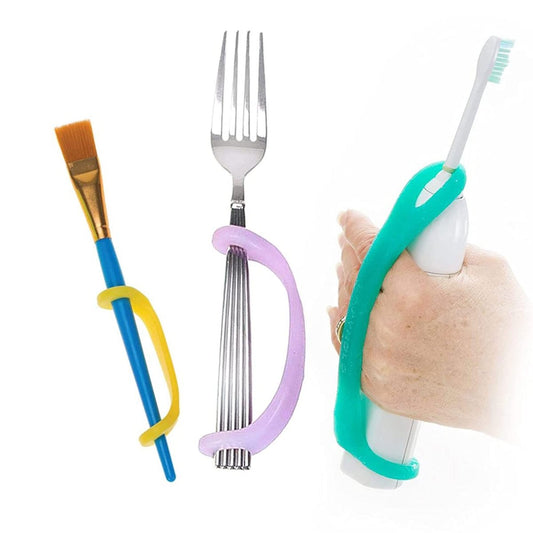
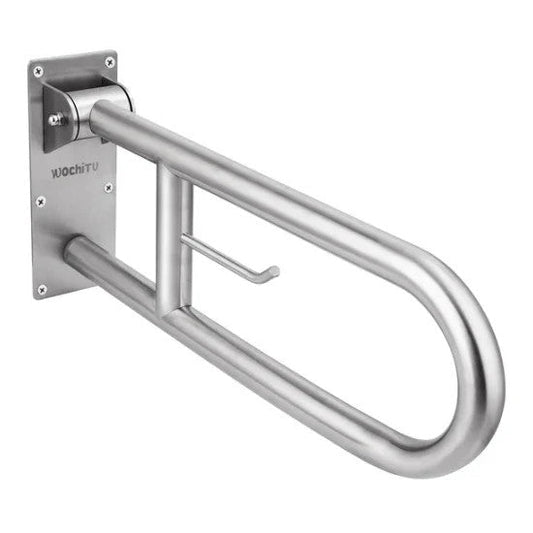
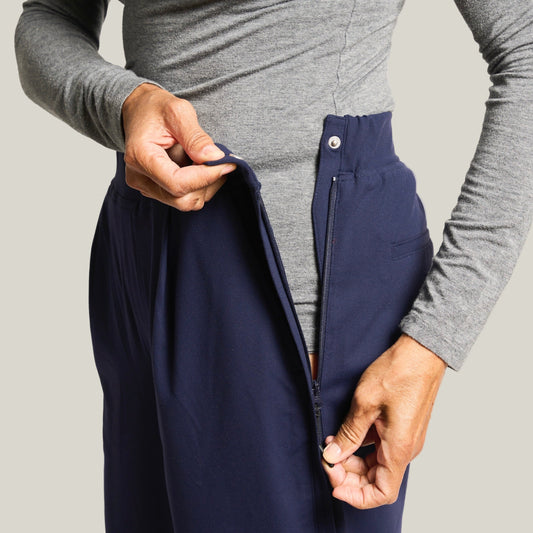
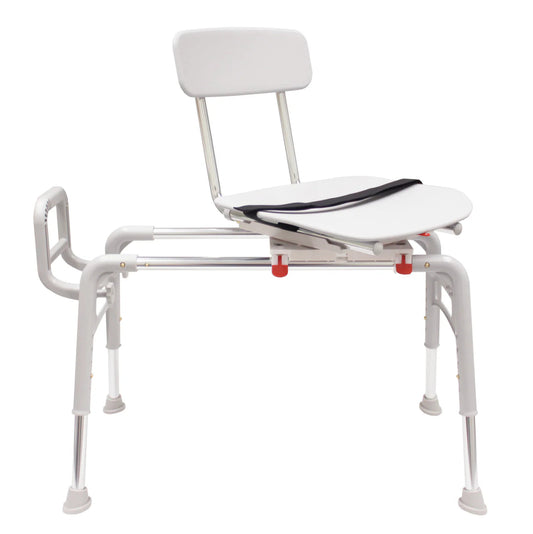
What do I need at home after a stroke? Grab bars and a shower chair for safe bathing, a bed rail and transfer support, one-handed dressing tools, and adaptive eating equipment. What matters most depends on which side was affected and how much strength and coordination have returned. For the full room-by-room checklist, the first 48 hours at home, and what insurance will and will not cover, see our guide to coming home from the hospital.
Stroke recovery is unlike any other medical event — no two strokes are the same, and no two recoveries look alike. Most stroke patients spend approximately 7 days in acute care before transferring to rehabilitation or returning home, but the effects of a stroke can impact mobility, strength, coordination, vision, cognition, and communication all at once. Coming home is a milestone — and having the right environment in place is what makes staying home possible. In fact, this clinical review from the PubMed Central database talks about occupational therapy and activities of daily living after a stroke, as utilizing targeted environmental adaptations and assistive technology directly helps survivors safely rebuild their personal independence.
Stroke affects the ability to do things that were once automatic:
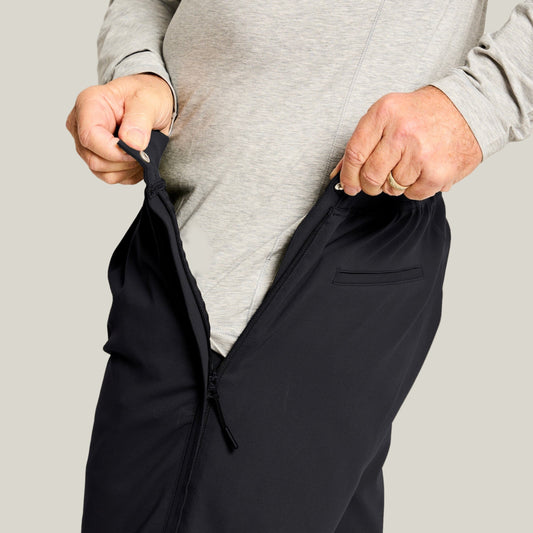
- One-sided weakness or paralysis makes getting in and out of bed, on and off the toilet, and into and out of the shower require support, adaptive equipment, and a safe setup on the stronger side
- Balance and coordination changes make every wet, slippery, or uneven surface a fall risk
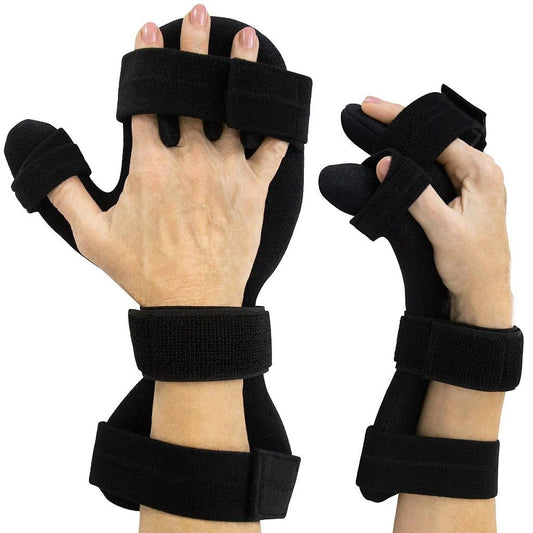
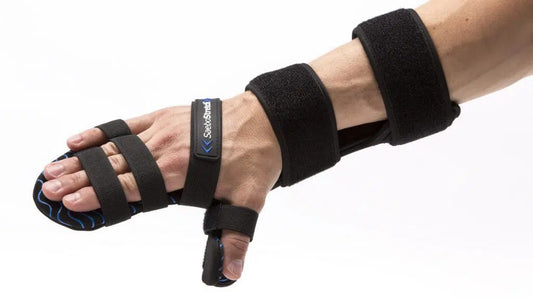
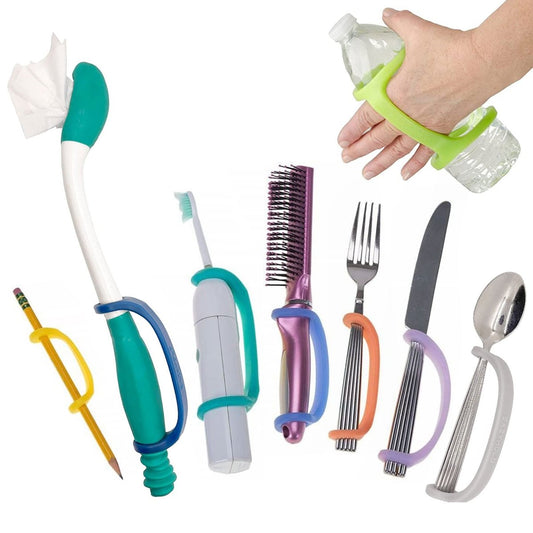
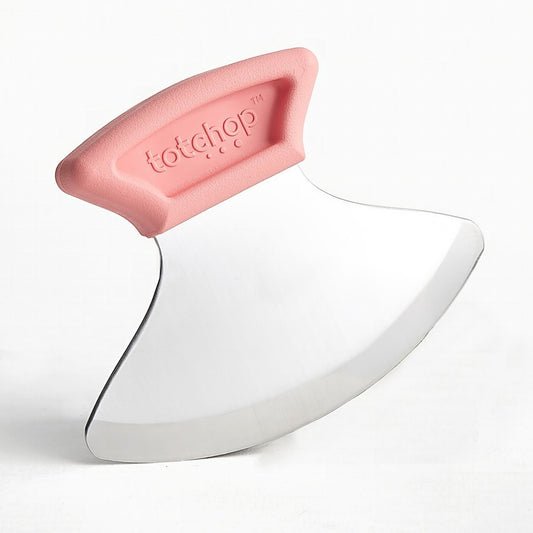
- Reduced grip strength and one-handed function make dressing, bathing, eating, and meal preparation genuinely difficult without adaptive tools
- Fatigue — one of the most underestimated effects of stroke — makes even short distances and simple tasks exhausting in early recovery
- Cognitive and visual changes can affect spatial awareness and judgment, making a decluttered, well-equipped home essential for safe navigation
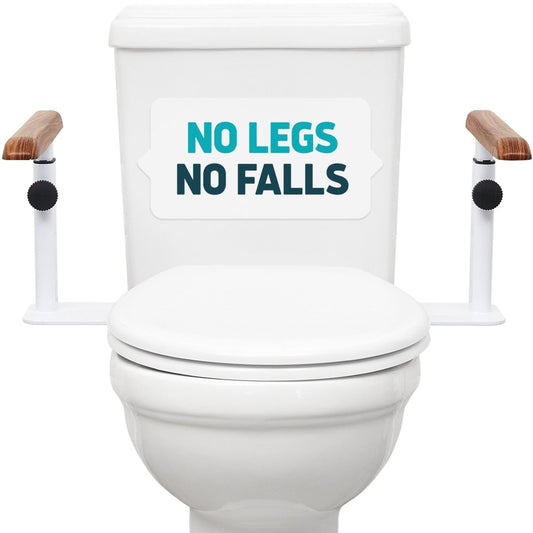
Stroke recovery also carries one of the highest fall risks of any condition — and a fall during recovery can set back progress significantly. Grab bars, shower chairs, bed rails, and mobility aids are not optional additions to a stroke survivor's home. They are the foundation of safe recovery.
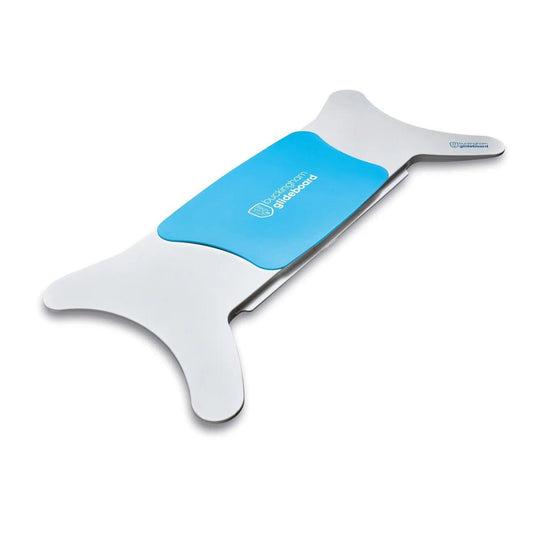
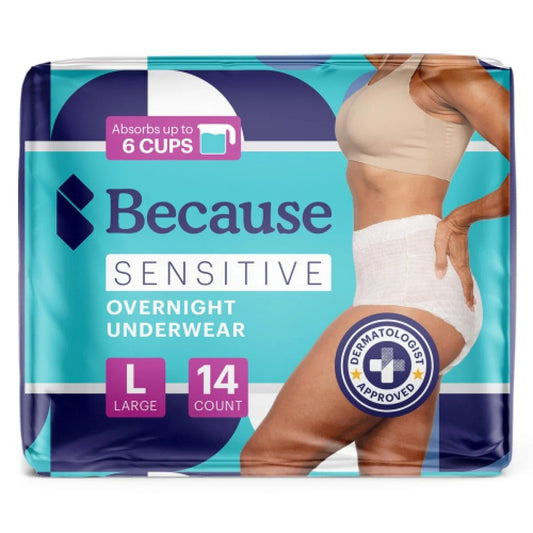
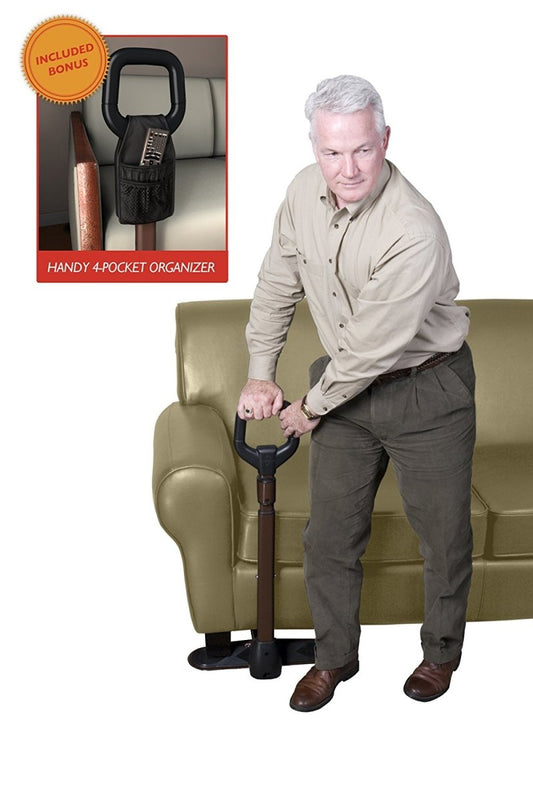
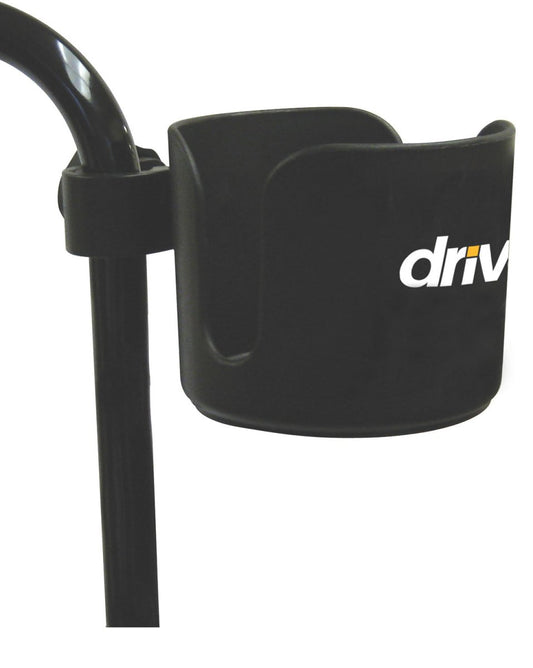
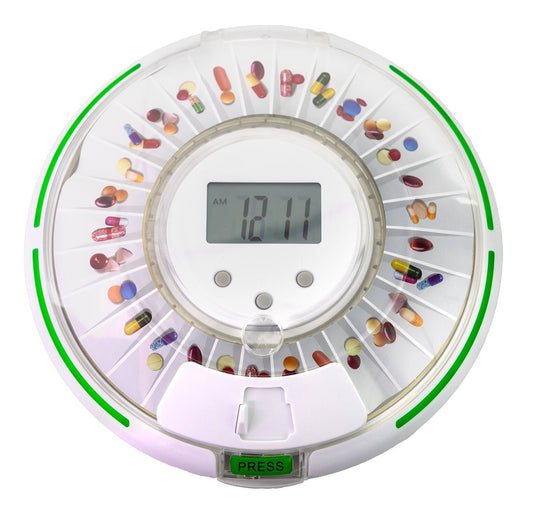
The most recommended products for stroke recovery at home have each been hand-selected by home safety Occupational Therapy Practitioners to support safe, confident recovery from day one. Order as soon as possible so everything is installed and ready before your loved one arrives home.
All products
84 products


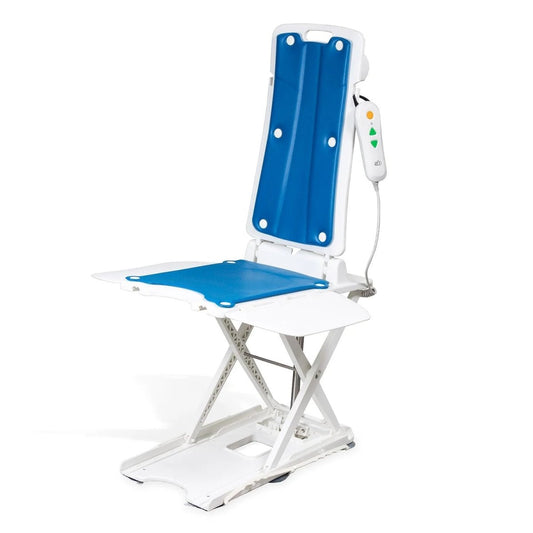
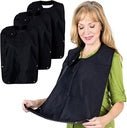


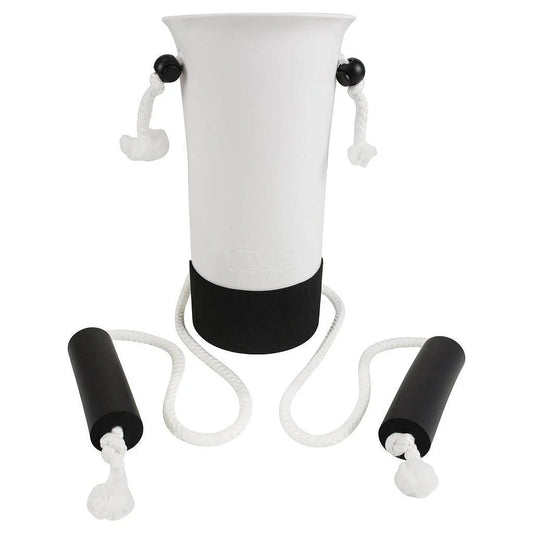
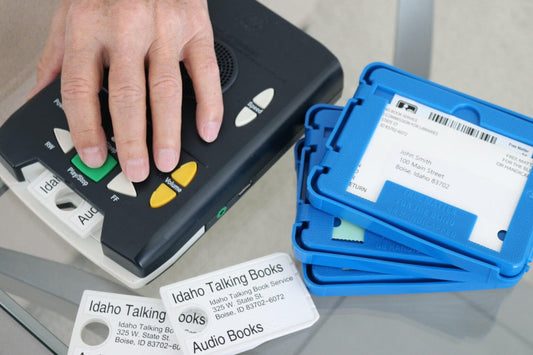
Show all 84Show fewer















Found what helps but need funding?
We've got options to make this affordable.
Related collections

Why you need an OT
An occupational therapist helps you stay independent, manage conditions, and set up a home that supports you. Find out how they can help, virtually or in person.
Read why you need an OT →Dive deeper with these articles