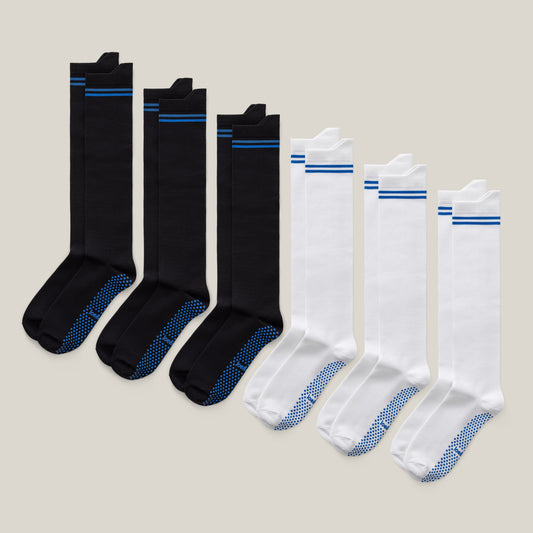
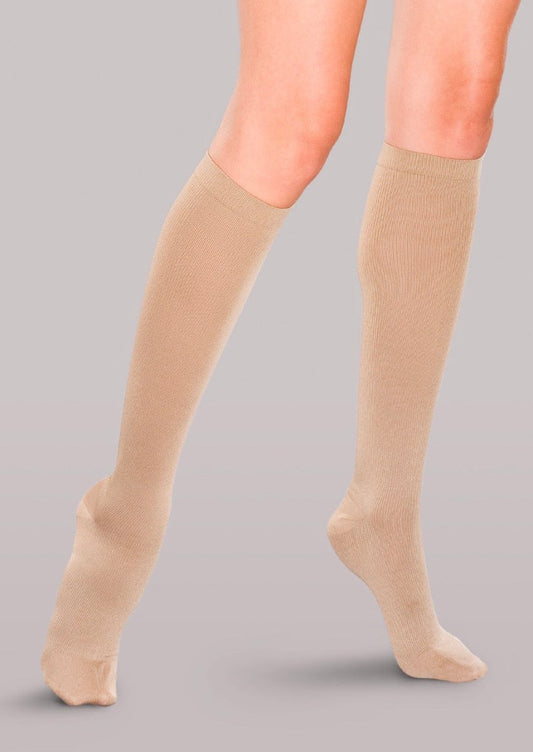
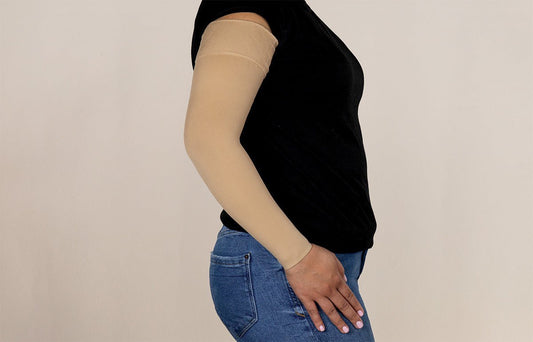
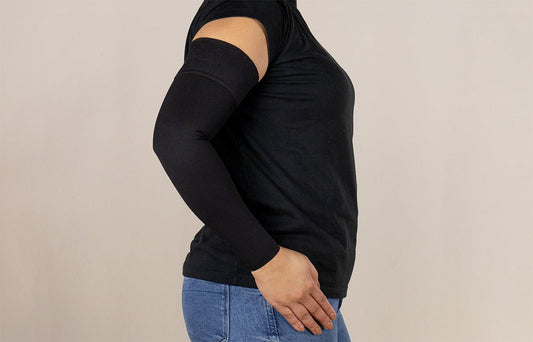
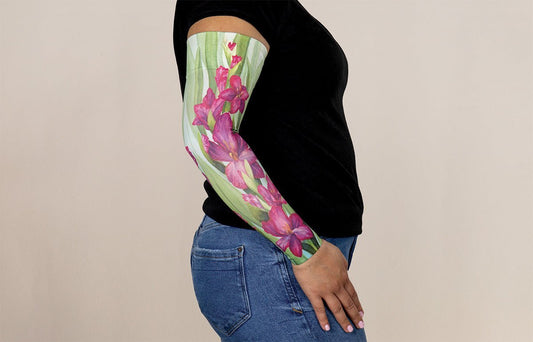
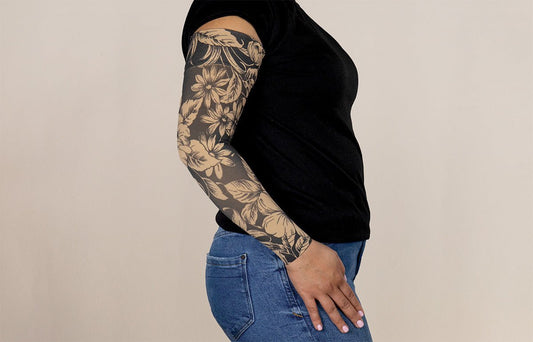
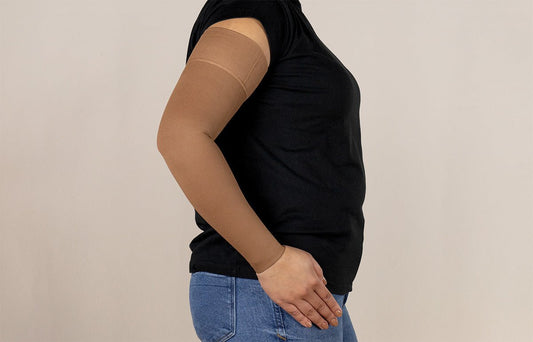
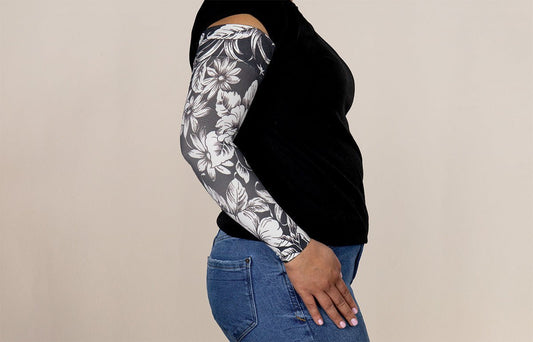
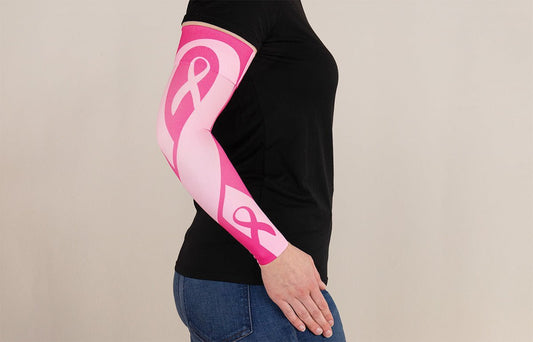
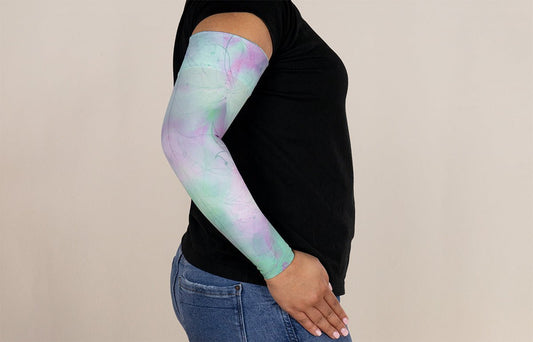
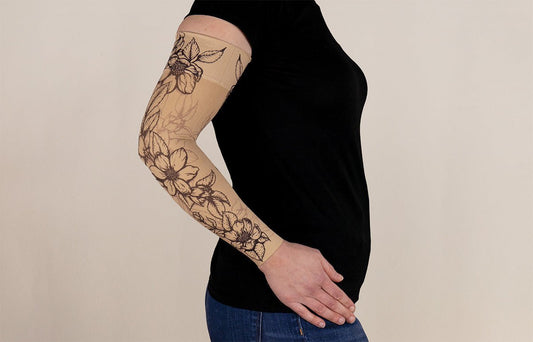
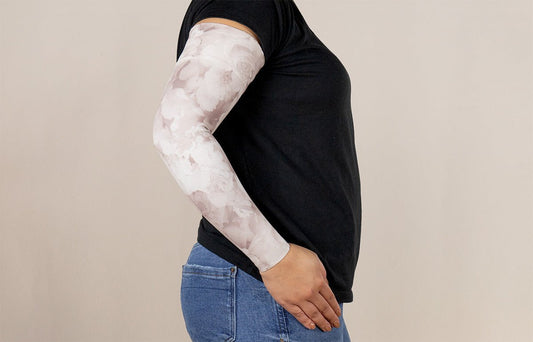
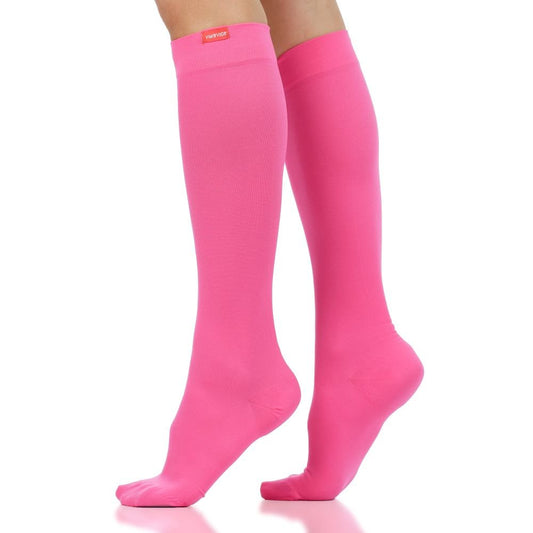
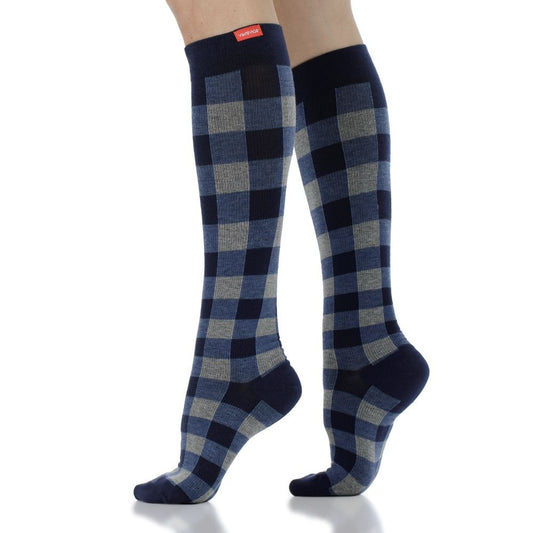
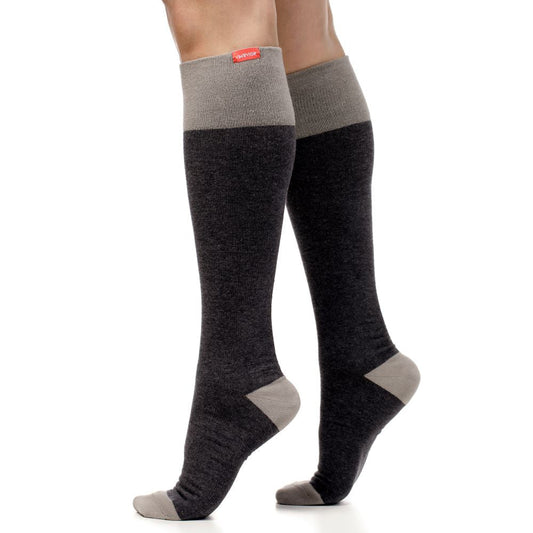
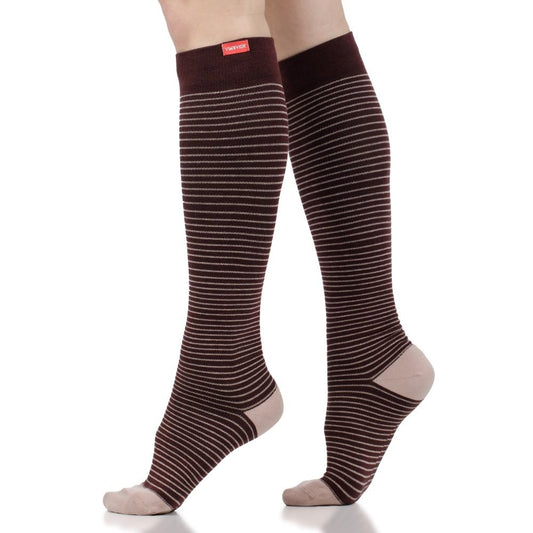
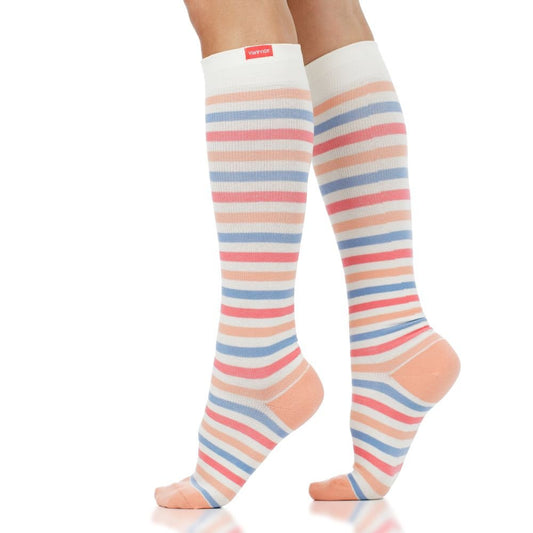
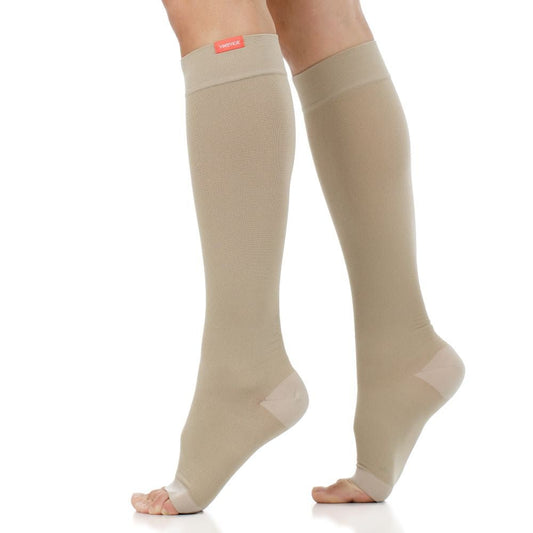
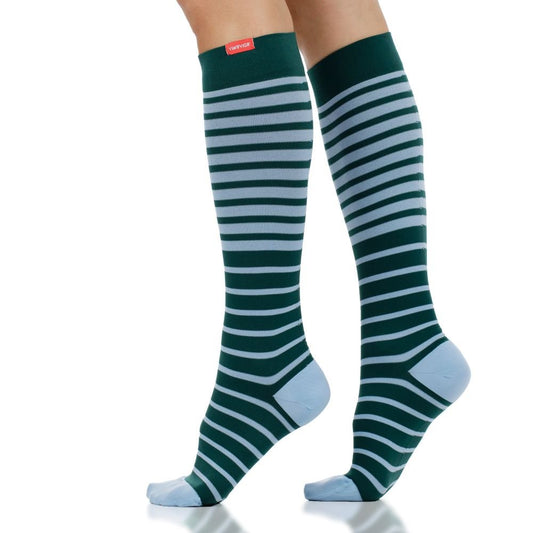
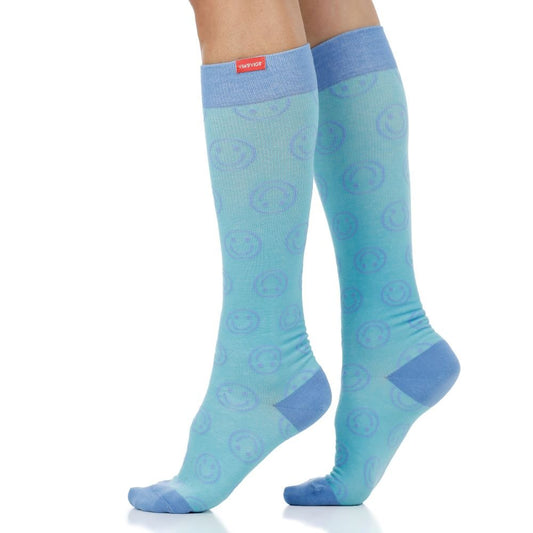
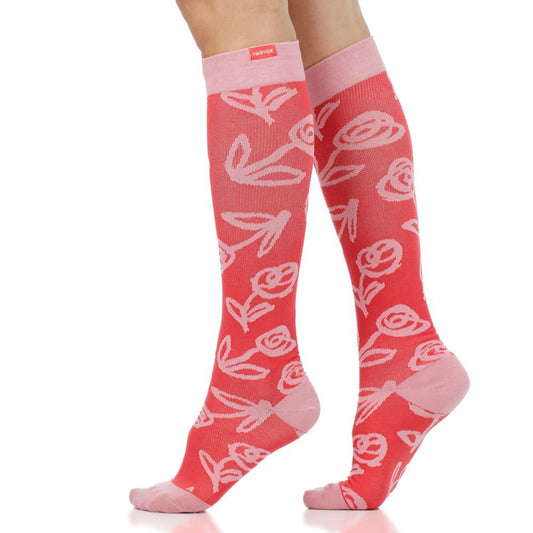
What is lymphedema and how does compression therapy help? Lymphedema is a condition characterized by swelling in the arms or legs caused by a buildup of lymph fluid when the lymphatic system is compromised. Compression therapy helps manage lymphedema by applying graduated pressure to affected areas, which promotes better lymph fluid circulation and reduces swelling. Compression garments like sleeves, socks, and gloves provide controlled pressure that's greatest at the extremities and gradually decreases upward, helping move fluid back toward the body's core and preventing further accumulation. An informational resource published by the National Institutes of Health (NIH) MedlinePlus explains that utilizing these specialized compression pieces provides a necessary supportive framework to safely guide retained lymphatic fluid away from swollen tissues and back into functioning circulatory pathways.
What compression level do I need for lymphedema management? Compression levels are measured in mmHg (millimeters of mercury) and vary based on your condition's severity. Mild compression (15-20 mmHg) is suitable for preventing swelling, improving circulation during travel, and managing minor leg discomfort. Moderate compression (20-30 mmHg) is commonly recommended for managing lymphedema and reducing moderate swelling. Firm compression (30-40 mmHg) is used for more severe lymphedema cases. Always consult with your healthcare provider or lymphedema therapist to determine the appropriate compression level for your specific needs.
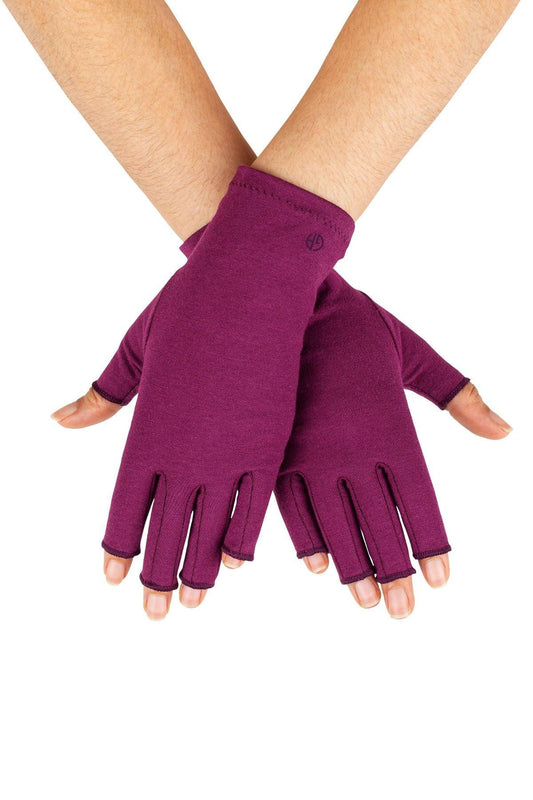
Can compression gloves help with arthritis and carpal tunnel syndrome? Yes, compression gloves provide gentle, therapeutic pressure that supports joints and helps reduce pain and swelling associated with arthritis, carpal tunnel syndrome, and repetitive strain injury (RSI). The open-finger design allows you to maintain full mobility for everyday activities like typing, cooking, crafting, and texting while still receiving compression benefits. Made from breathable cotton-stretch fabric, these gloves can be worn during the day or overnight for continuous relief and improved hand function.
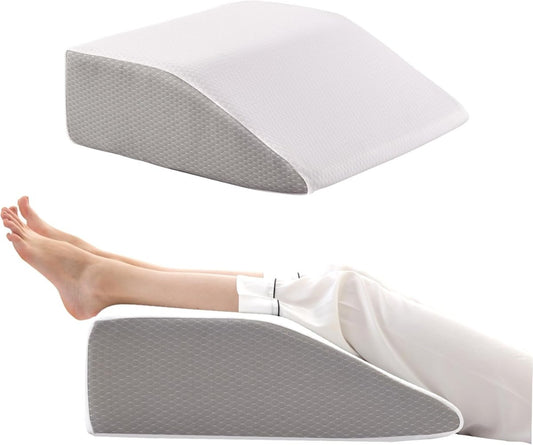
How do I put on compression garments more easily? Donning (putting on) and doffing (taking off) compression garments can be challenging due to their tight fit. To make the process easier, ensure your skin is completely dry before application, as moisture makes the fabric stick. For compression socks and sleeves, turn the garment inside out to the heel or midpoint, then gradually roll it up your limb rather than pulling. Some people find using a small amount of cornstarch or specialized donning gloves helpful. For leg compression, consider using a bed wedge to elevate your legs overnight, which can reduce morning swelling and make it easier to put on compression garments.
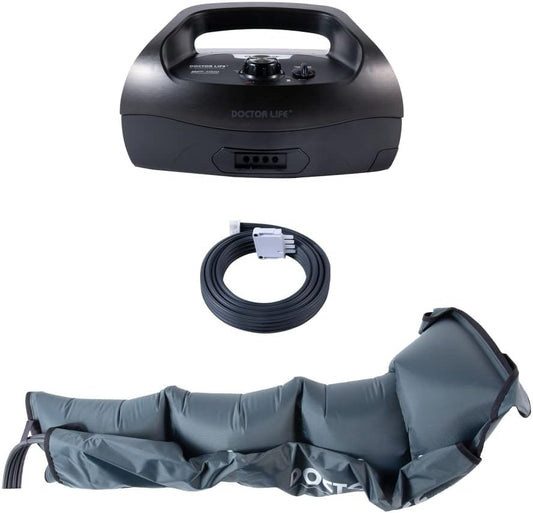
What's the difference between compression socks and compression pumps for lymphedema? Compression socks provide continuous, graduated pressure throughout the day and are ideal for maintaining lymphedema management, preventing swelling during travel or long periods of standing, and improving overall circulation. Compression pumps (also called pneumatic compression devices) are therapeutic machines used for more intensive treatment sessions, typically at home. These pumps use inflatable sleeves that rhythmically compress and release the affected limb, helping to move lymph fluid and reduce edema. Many people use both: compression pumps for treatment sessions and compression garments for daily maintenance and prevention.