


Solid (Moisture-Wick Nylon Compression Socks)
Solid (Moisture-Wick Nylon Compression Socks)
Couldn't load pickup availability
♡ 10 % of this purchase funds home‑safety grants for older adults + enjoy our easy 30 day return policy!
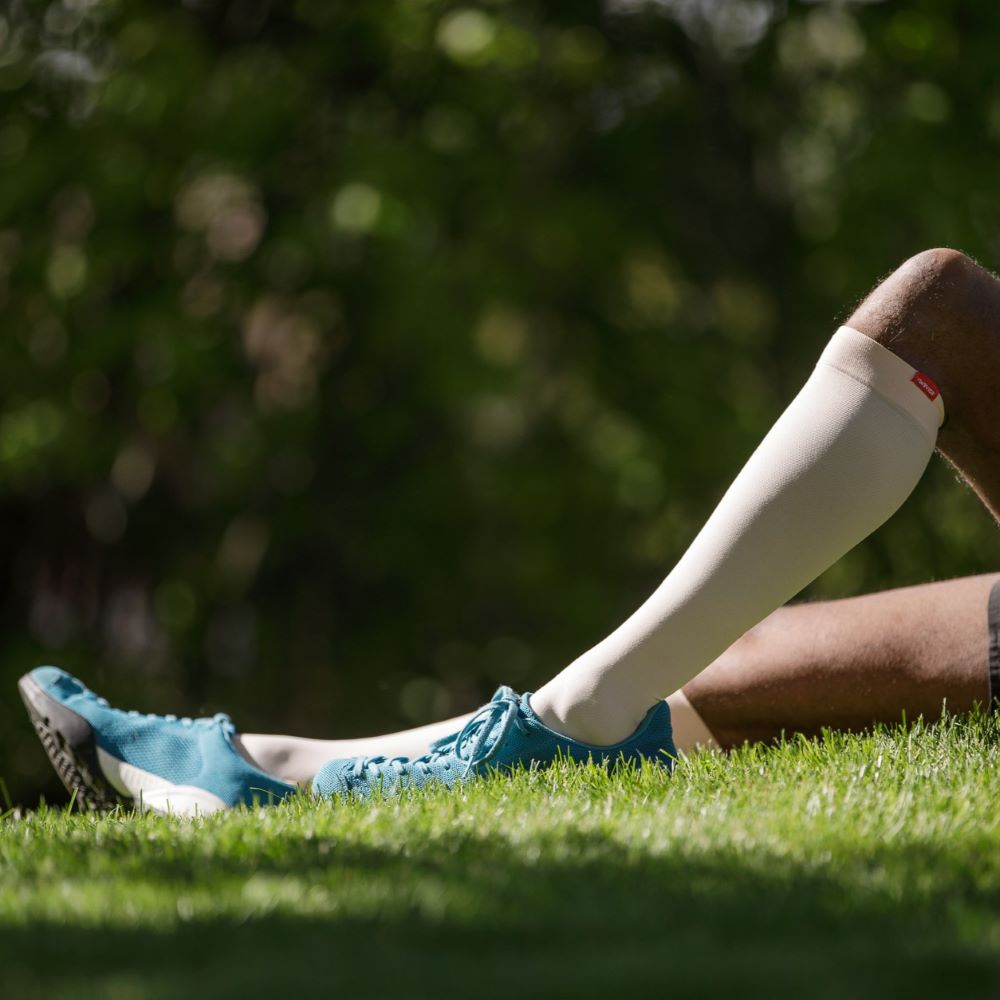
VIM & VIGR’s signature knee-high compression socks: Knit with specialized graduated compression technology, our socks stimulate blood flow back to the heart and boost circulation. Our Moisture-Wick fabric draws excess sweat and moisture away from the skin to keep your feet dry. Consistently a best seller, this technical fabric offers increased flexibility with it’s four-way stretch, and ultra-light feel.
Material: 75% Moisture-wick Nylon, 13% Nylon, 12% Spandex (Latex-free)
Designed in Missoula, MT. Made in Taiwan.
Specifications
Specifications
Frequently Asked Questions
Frequently Asked Questions
P65 Warning for Plastics
P65 Warning for Plastics
⚠ WARNING:This product can expose you to chemicals including ethylene, which is known to the State of California to cause cancer and/or reproductive harm. For more information go to www.P65Warnings.ca.gov


Why we know this works!
Why we know this works!
Get Help from an Occupational Therapist!
Find an Occupational Therapist →





Not sure what you need?
An occupational therapist can assess your situation and recommend exactly what will help. Tell us what you're dealing with and we'll connect you with the right OT.
Related Products
-
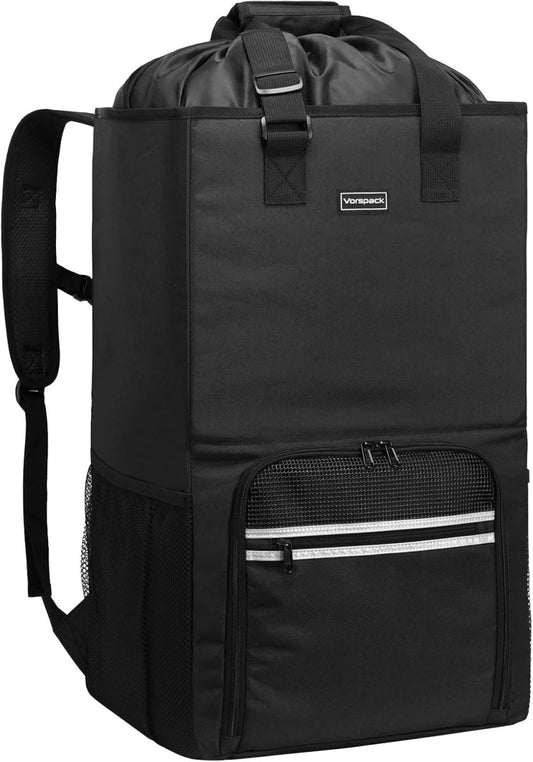
Hands-Free Laundry Backpack for Stairs | Stands Up as a Hamper
Regular price $39.00Regular priceUnit price per -
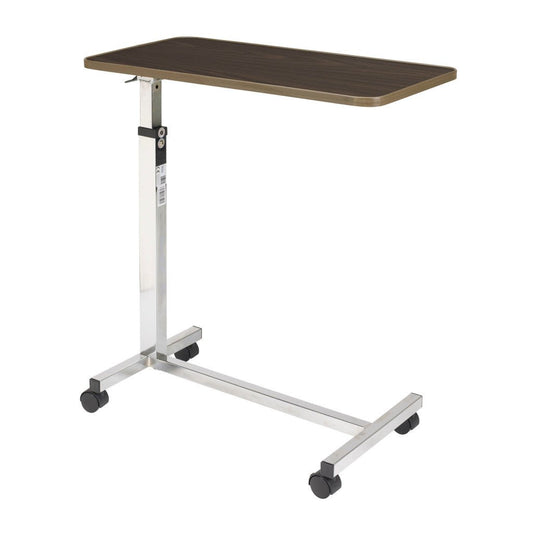
Tilt-Top Overbed Table | Hospital Bed Table for Home
Regular price $140.00Regular priceUnit price per -
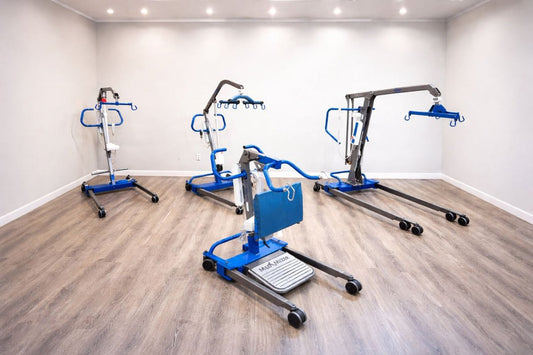
Battery-Powered Patient Lift | Electric Hoyer Lift with Sling Included
Regular price $2,768.71Regular priceUnit price per

Solve the whole puzzle! Get education, resources and services right here.
-

Free Resources
Access free educational resources, guides, and materials from AskSAMIE to learn about...
-

Community Supports
Not every solution is a product. This collection points to community programs...


Dive Deeper: a knowledge base of solutions for real caregiving questions
View all-

Medline Bed Recall and Market Exit: What Famili...
Medline is removing all Medline brand beds from the market over fire and entrapment risks. Here is what the October 14, 2026 notice says, what to do first if your...
Medline Bed Recall and Market Exit: What Famili...
Medline is removing all Medline brand beds from the market over fire and entrapment risks. Here is what the October 14, 2026 notice says, what to do first if your...
-

21 Easy DIY Wheelchair Costumes for Adults
Looking for some fun and creative costume ideas that will make your wheelchair a key part of your Halloween outfit? This guide brings together 21 easy DIY wheelchair costumes for adults. From...
21 Easy DIY Wheelchair Costumes for Adults
Looking for some fun and creative costume ideas that will make your wheelchair a key part of your Halloween outfit? This guide brings together 21 easy DIY wheelchair costumes for adults. From...
-

Improve Sleep for Seniors: Aging-in-Place Tips ...
Better sleep for older adults starts with three changes: a supportive sleep position, safer nighttime lighting, and a consistent wind-down routine. Here's what occupational therapy practitioners recommend for aging in...
Improve Sleep for Seniors: Aging-in-Place Tips ...
Better sleep for older adults starts with three changes: a supportive sleep position, safer nighttime lighting, and a consistent wind-down routine. Here's what occupational therapy practitioners recommend for aging in...


