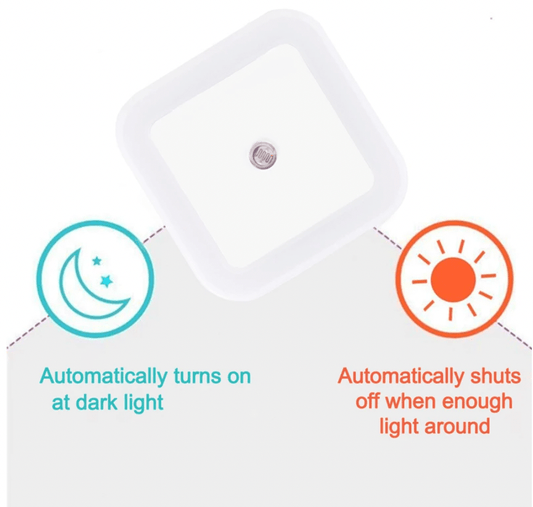
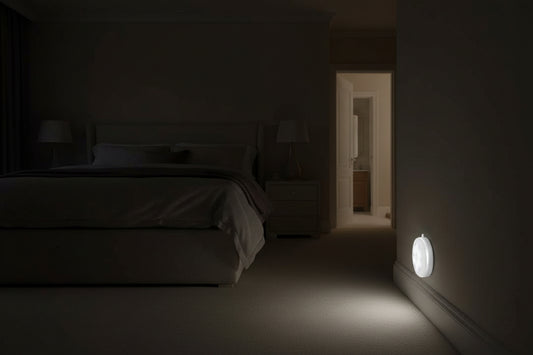
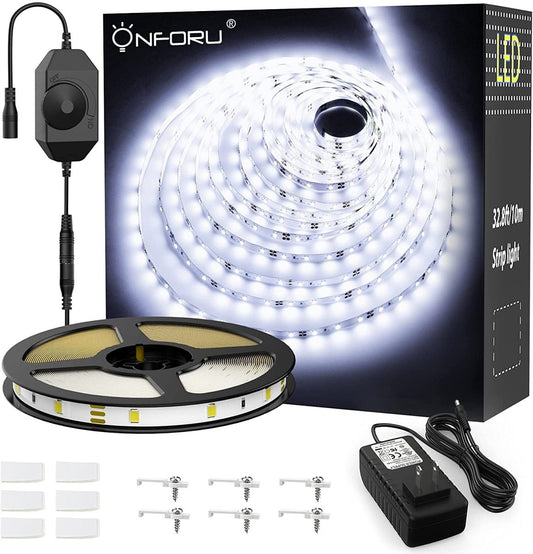
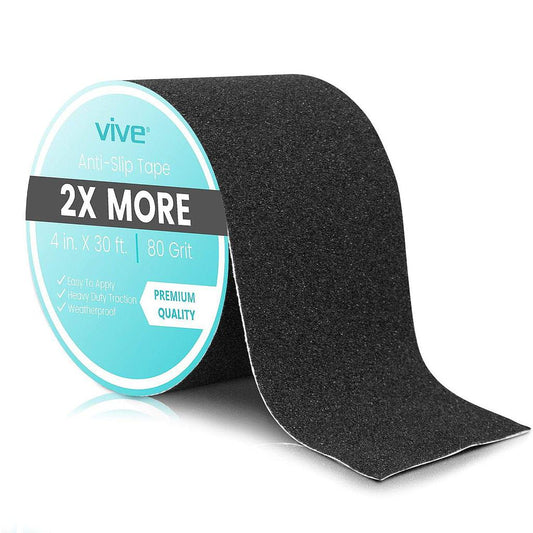
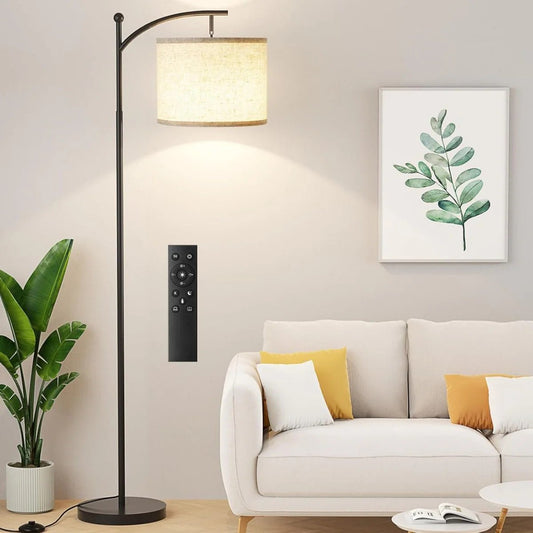
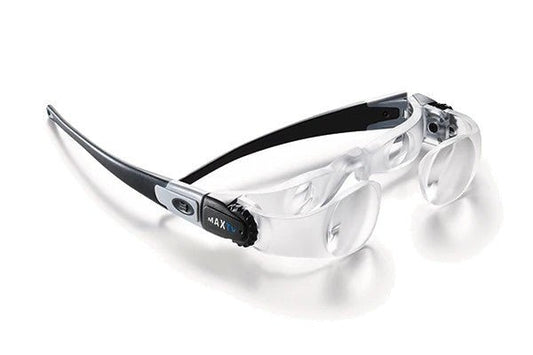
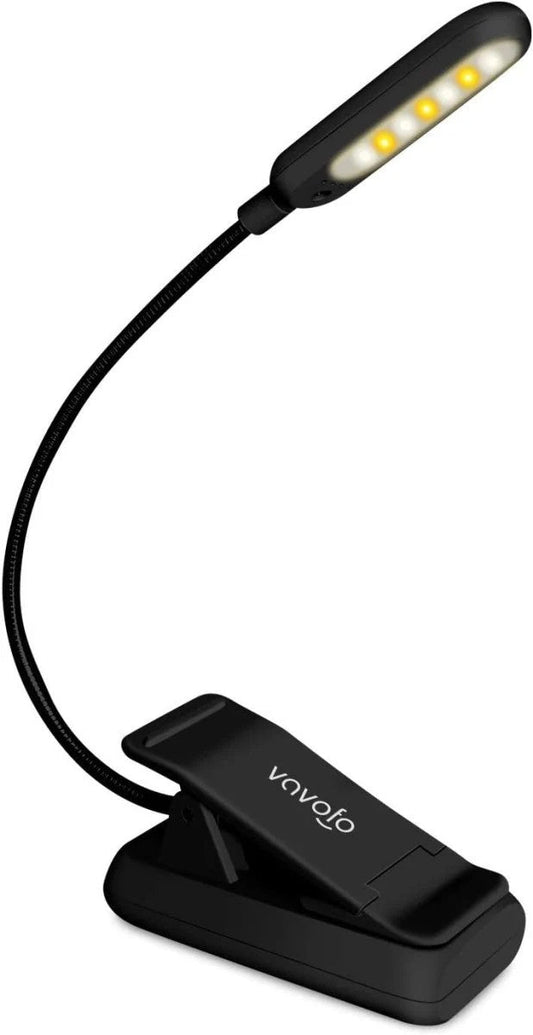
What are low vision aids and who can benefit from them? Low vision aids are specialized tools and devices designed to help people with visual impairments maintain independence and perform daily tasks more easily. These include magnifiers, bright lighting solutions, tactile markers, talking devices, and contrast aids. Anyone experiencing vision changes due to conditions like macular degeneration, glaucoma, diabetic retinopathy, or age-related vision loss can benefit from these assistive devices for reading, cooking, and navigating their home safely. An adaptive living article published by the American Academy of Ophthalmology (AAO) outlines that implementing strategic, non-optical changes—such as optimizing ambient light levels, using heavy high-contrast visual markers, and applying textured tactile labels—directly counteracts advanced spatial navigation errors and protects operational safety inside the home.
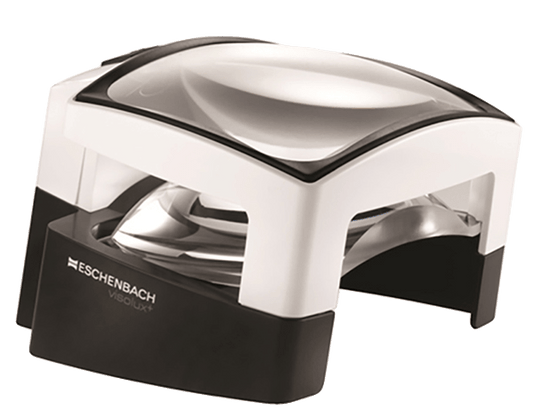
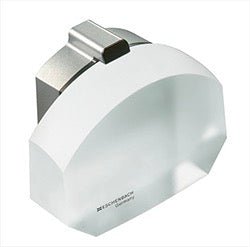
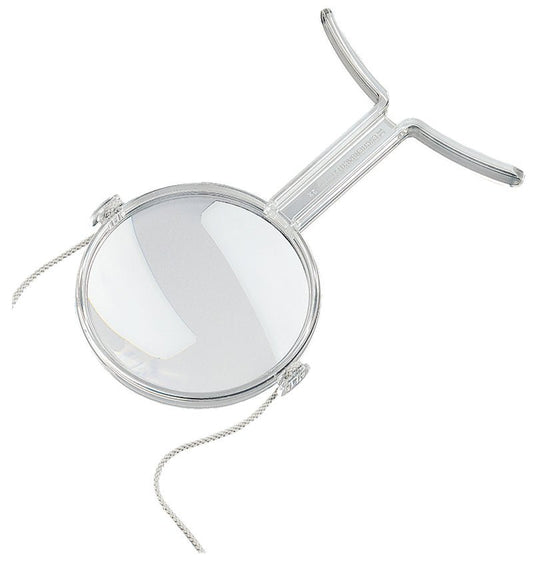
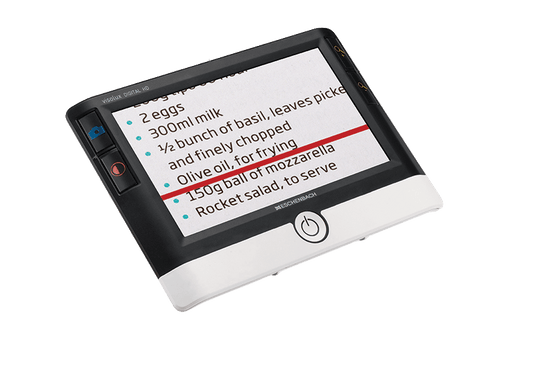
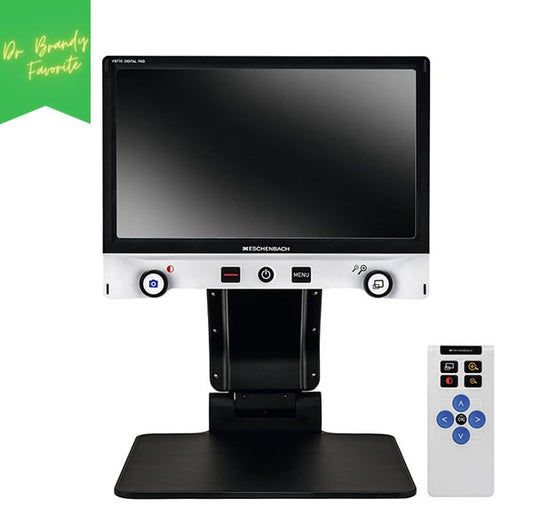
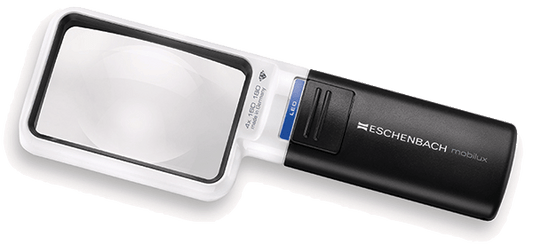
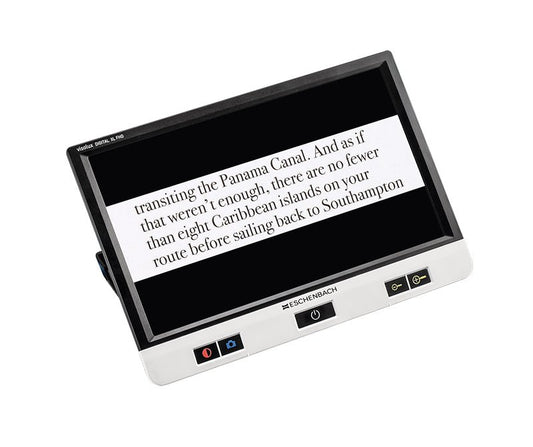
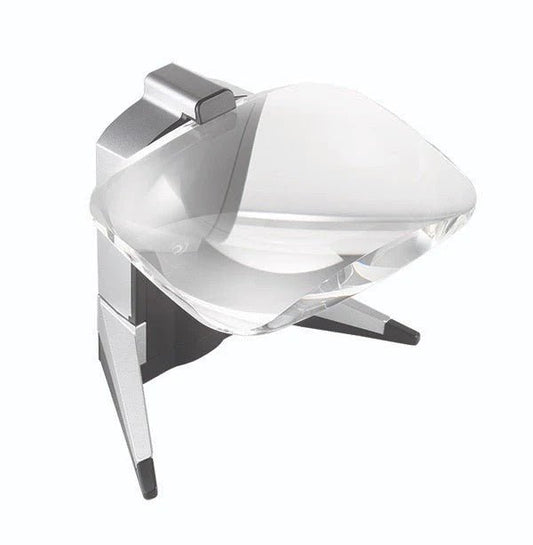
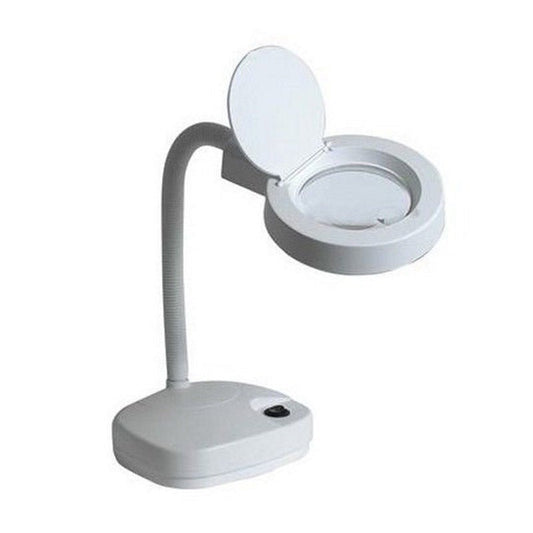
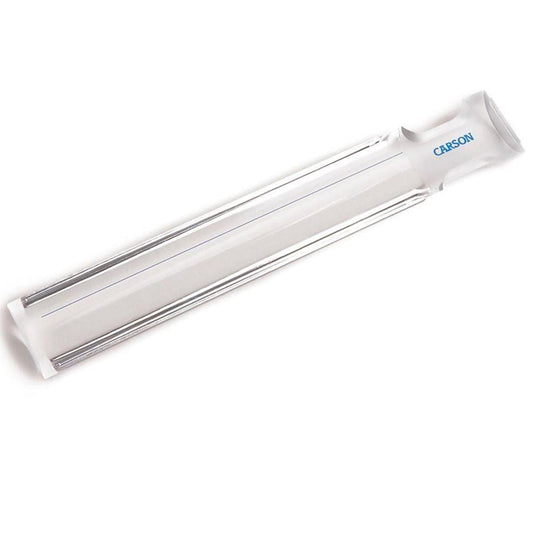
How do I choose the right magnifier for low vision? Choosing the right magnifier depends on your specific needs and activities. Handheld magnifiers (like the Macrolux Brightfield Magnifier with 2.2x-3.6x magnification) work well for quick tasks, while hands-free magnifiers worn around the neck are ideal for two-handed activities like crafts or cooking. For reading books and newspapers, stand magnifiers (like the Visolux+ with 3x magnification) or digital video magnifiers (like the Mobilux Digital Touch HD with 2x-22x zoom) provide steady, adjustable magnification with high-contrast viewing options.
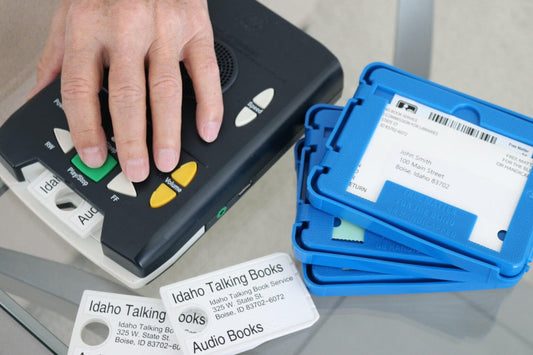
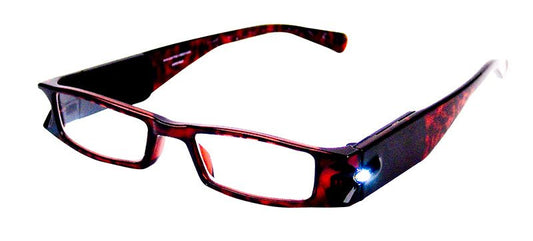
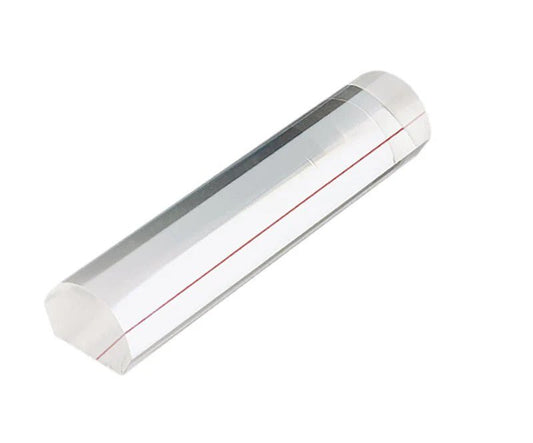
What assistive devices help with reading for the visually impaired? Several assistive devices make reading easier for people with low vision. LED-lighted magnifiers provide both magnification and enhanced illumination for printed materials. Digital video magnifiers offer adjustable magnification levels (2x-22x) with customizable contrast settings and can connect to TVs for larger viewing. For those who prefer audio, free audiobook services are available through state libraries for individuals with visual impairments, providing access to books, magazines, and newspapers at no cost.
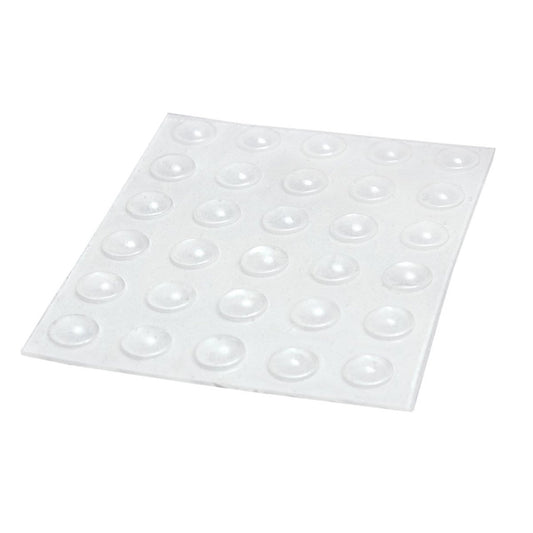
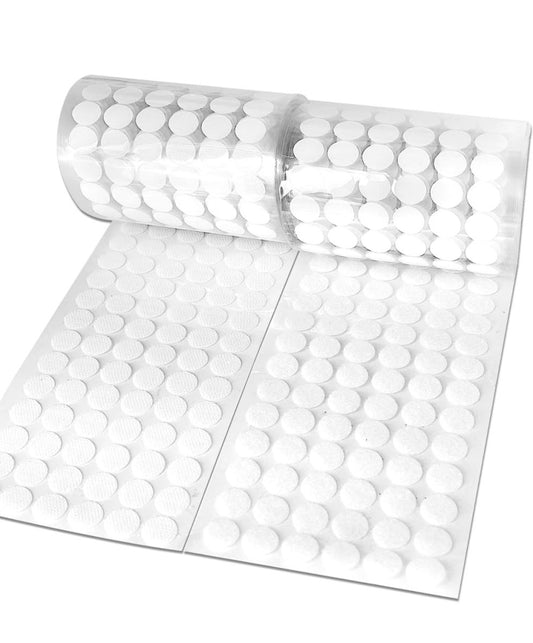
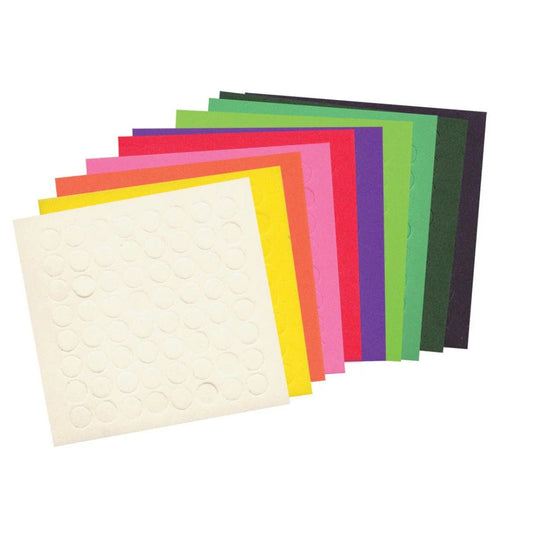
How can tactile markers help people with vision loss? Tactile markers, such as clear bump dots, are small raised indicators that can be placed on everyday items to help people with low vision identify buttons, controls, and objects through touch. They're particularly useful for marking appliances, thermostats, remote controls, medication bottles, and other frequently used items around the home, allowing individuals to maintain independence without relying solely on vision.
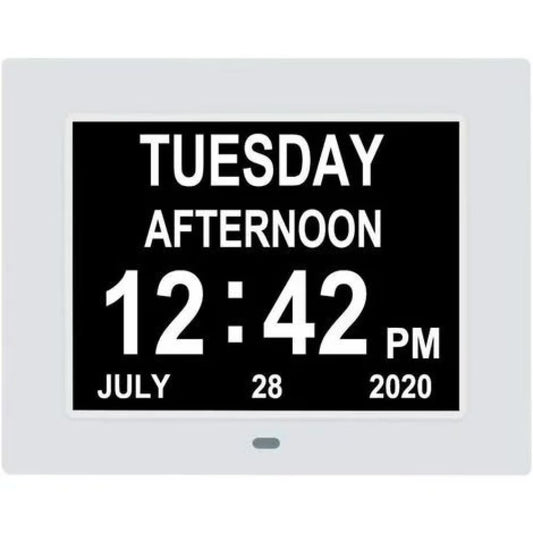
Are there talking devices available for people with visual impairments? Yes, talking devices are available to assist people with visual impairments. These include talking clocks that announce the time, day, and date (helpful for both low vision and dementia care), and advanced digital magnifiers with text-to-speech features (like the Optelec 10 HD Speech) that can read printed materials aloud after capturing a screenshot. These devices combine visual and auditory assistance to make daily tasks more manageable.