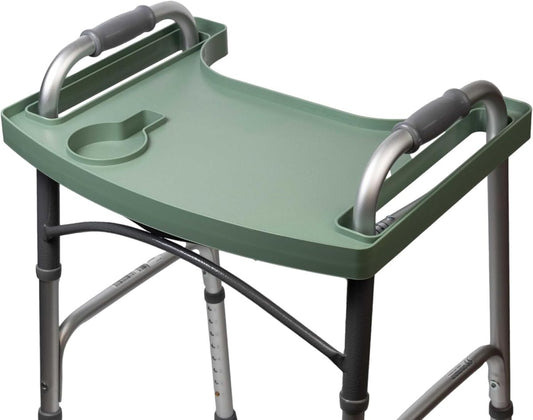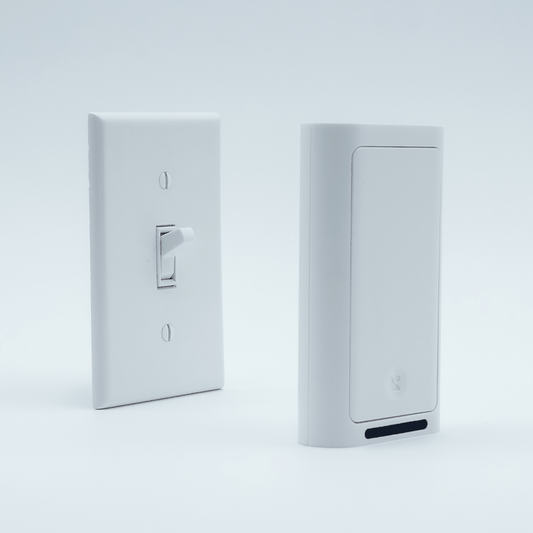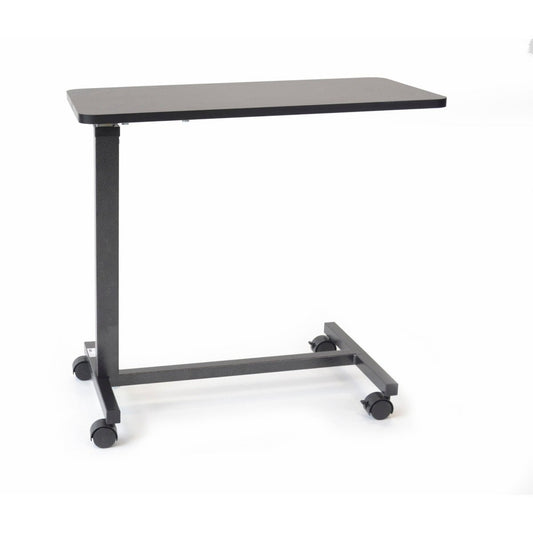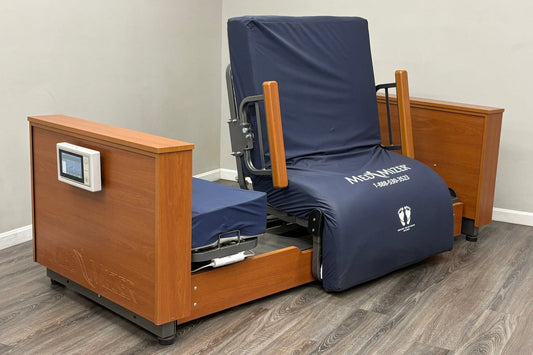
Collection: Aging in Place

Aging in place equipment includes home safety devices, adaptive tools, and assistive technology that help seniors live independently and safely at home. These occupational therapist-selected products address fall prevention, mobility support, medication management, and cognitive health—the core needs for successful aging in place.

What does this collection include?

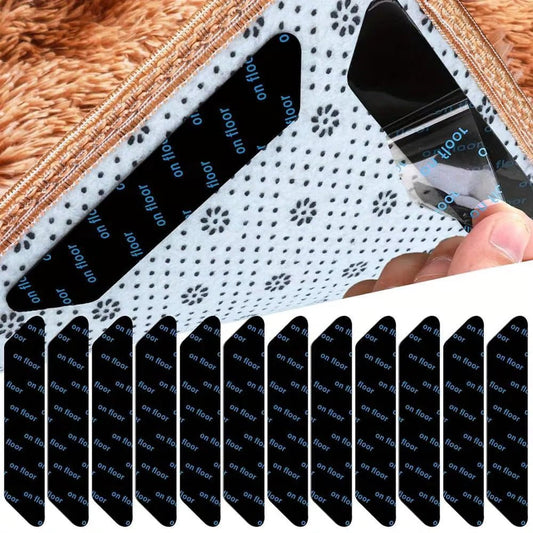
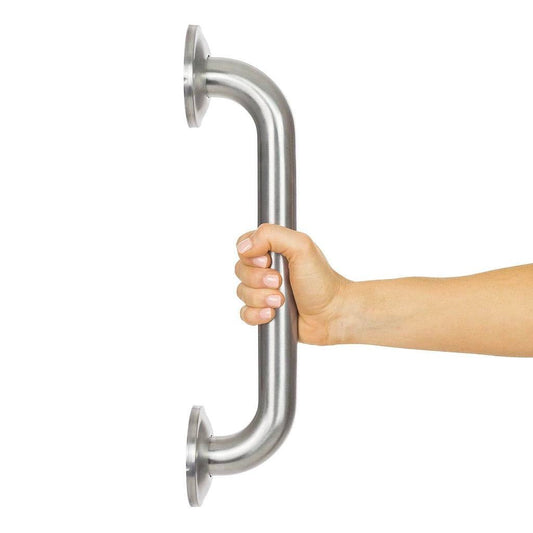
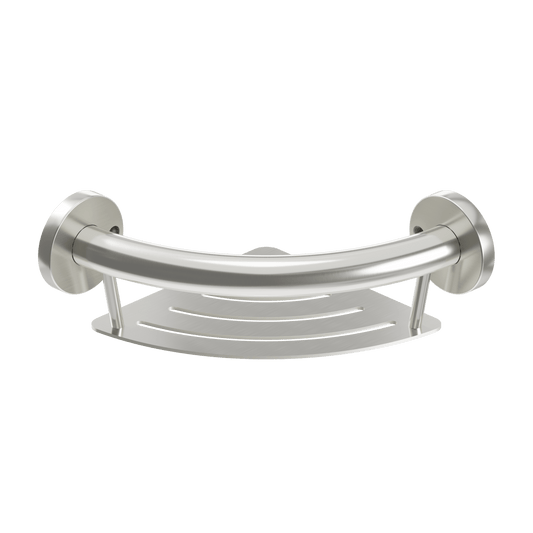
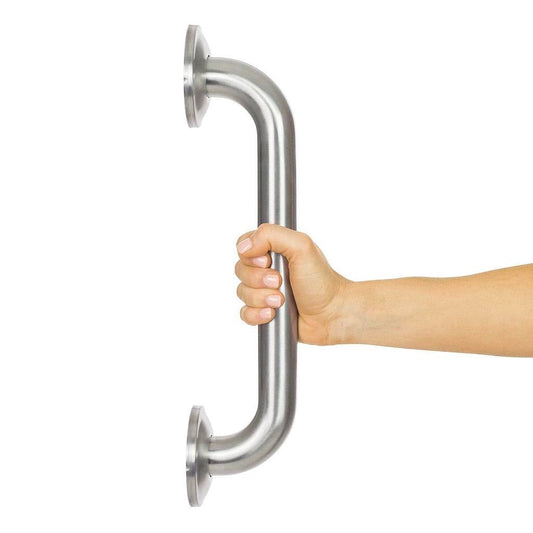
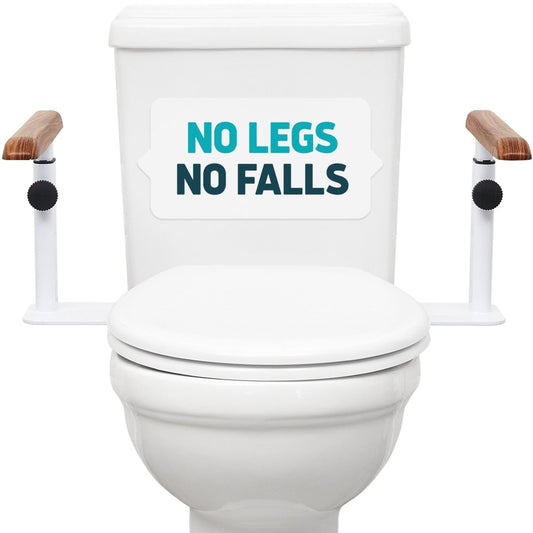
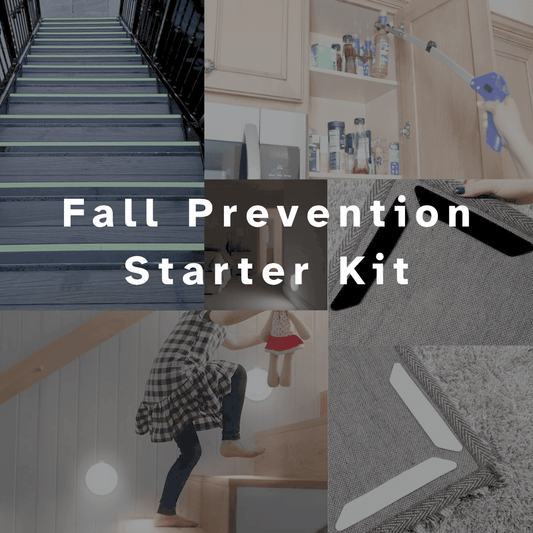
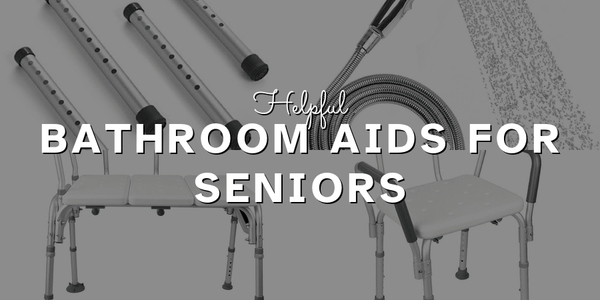
  • Fall prevention: Grab bars, non-slip mats, bed rails, and stair aids to reduce fall risk
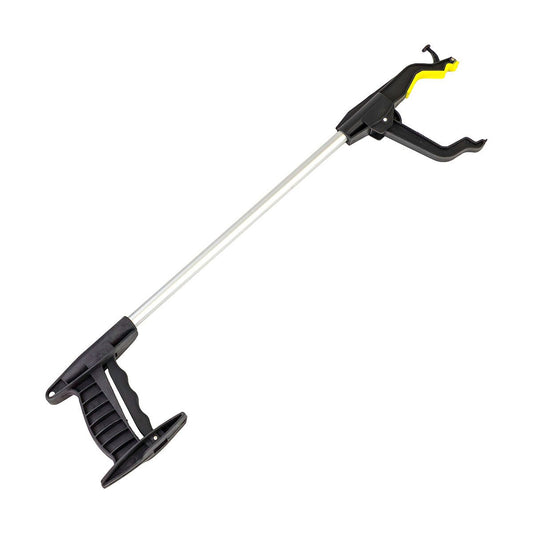
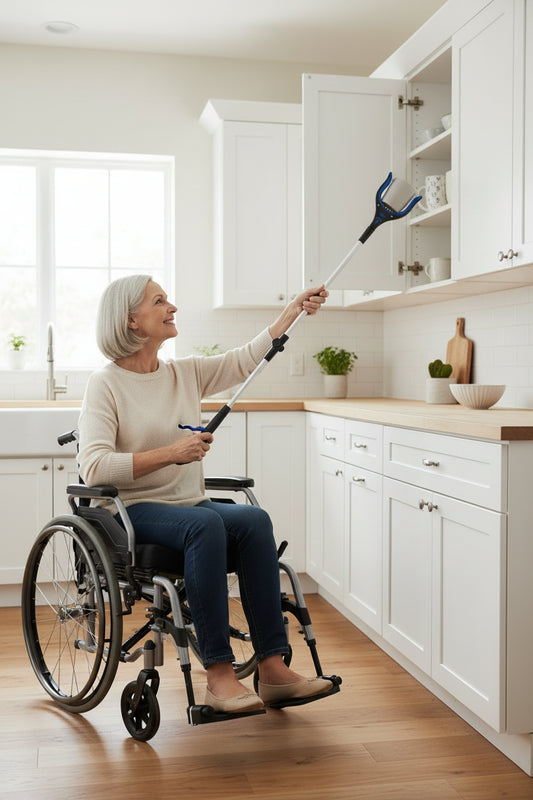
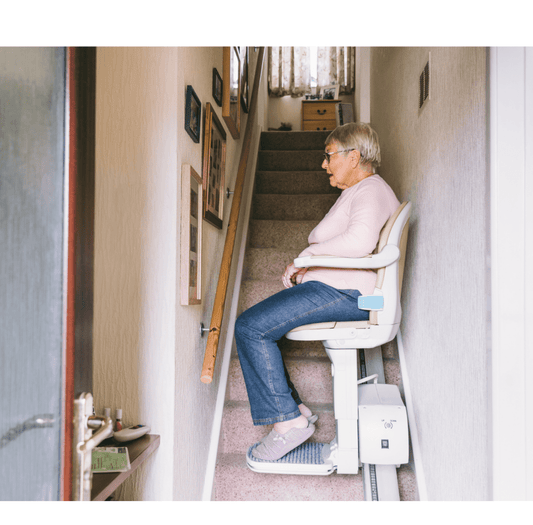
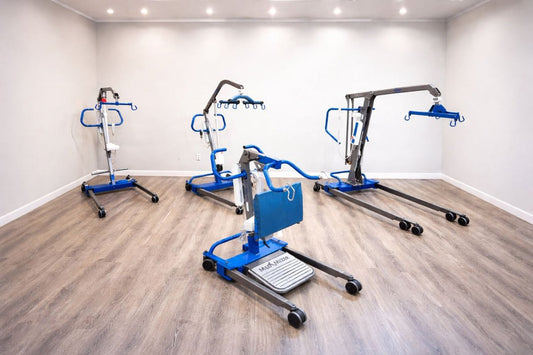
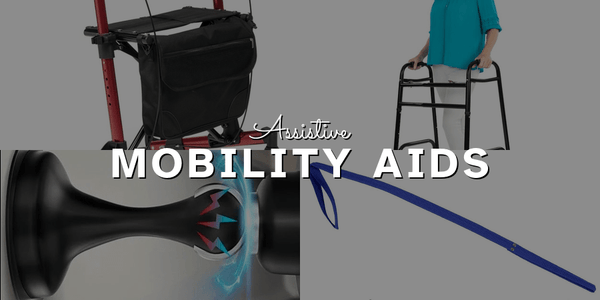
  • Mobility support: Lift chairs, reacher tools, and transfer aids for safe movement

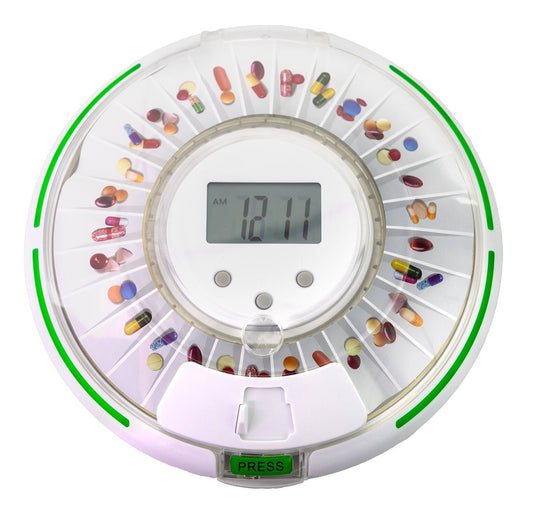
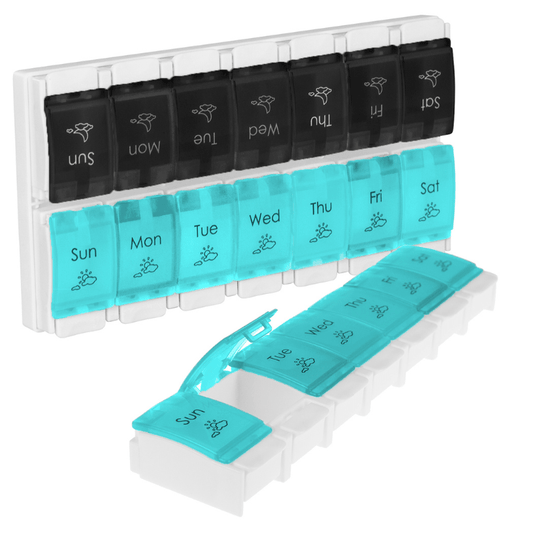
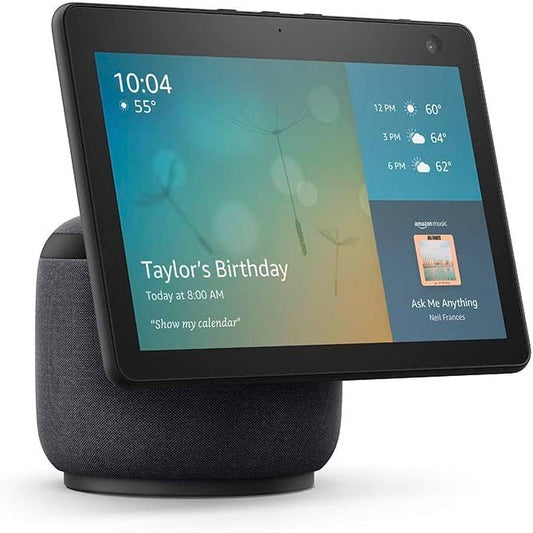
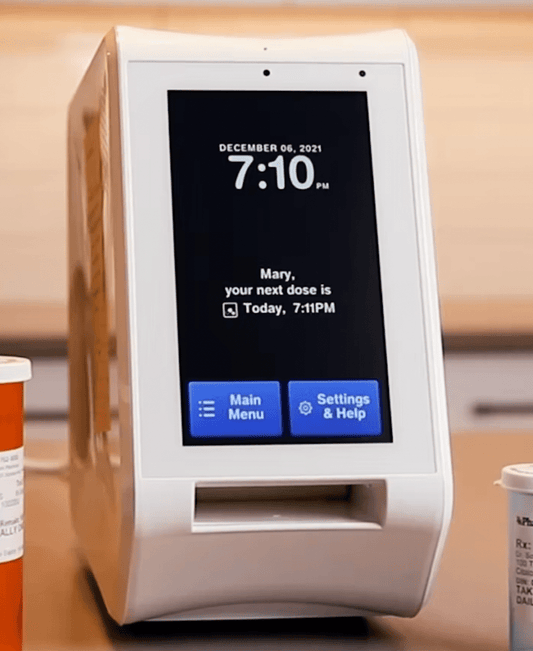
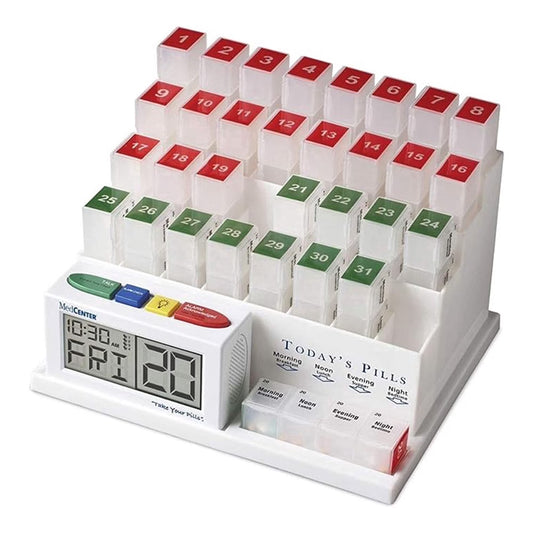
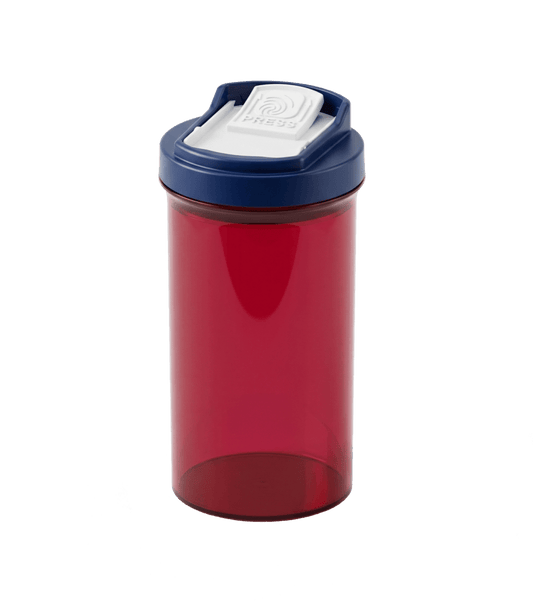
  • Medication management: Pill organizers with alarms, automated dispensers, and reminder systems
  • Cognitive support: Memory aids, simplified remotes, and daily routine tools
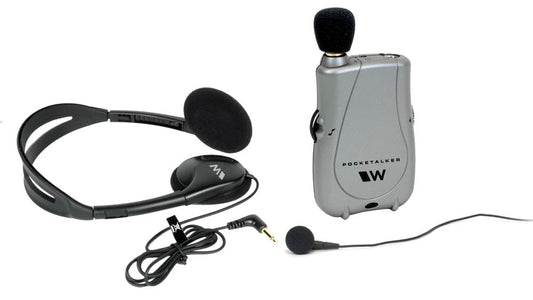
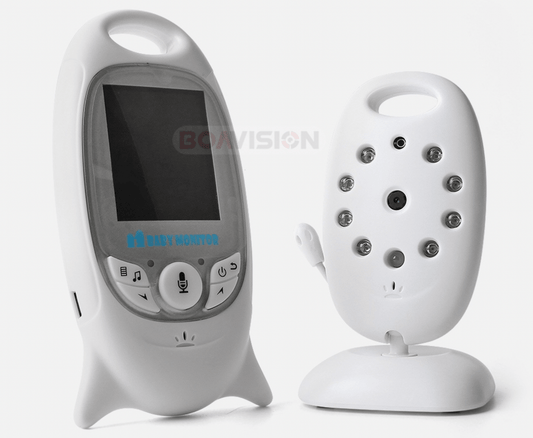
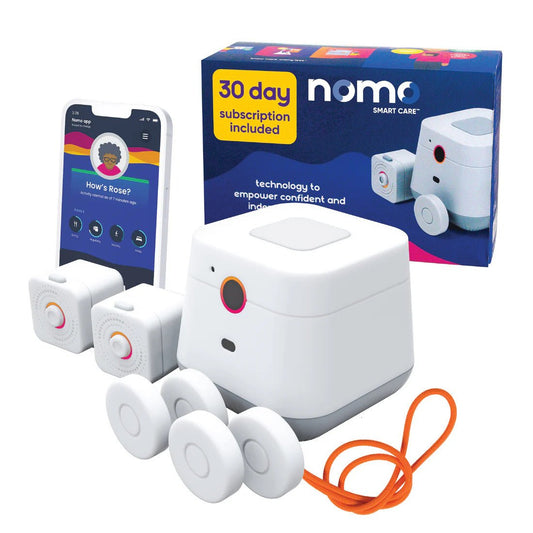
  • Home safety monitoring: Medical alert systems and fall detection devices

Every product is OT-curated and selected by occupational therapists to support independence, comfort, and dignity at home—trusted by families managing fall prevention and used by caregivers across the country. According to the Mayo Clinic, simple assistive devices like bathroom grab bars, raised toilet seats, and non-slip mats are clinically proven to significantly reduce fall risks for older adults. MedlinePlus further confirms that home modifications and adaptive equipment are among the most effective interventions for supporting safe independent living.

This OT-curated selection is designed for caregivers, families, and older adults who want evidence-based tools—not guesswork—when it comes to aging safely at home.

Learn More About Staying Safe At Home

FAQ About What You See!

What equipment do I need to age in place safely?
Essential aging-in-place equipment includes grab bars for bathrooms, medication management systems with alarms, fall alert devices, reacher tools to avoid bending, lift chairs for safe sitting and standing, and monitoring systems for peace of mind. Occupational therapists recommend starting with fall prevention tools like grab bars and non-slip mats, then adding mobility aids and medication organizers based on individual needs.

How can I prevent falls when aging in place at home?
Fall prevention starts with home modifications like installing grab bars in bathrooms, removing tripping hazards, improving lighting, and using medical alert systems. According to the Mayo Clinic's fall prevention overview, keeping active routines and clear walkways are simple but effective primary steps. Additional safety measures include using reacher tools to avoid bending, wearing proper footwear, adding bed rails for nighttime safety, and considering lift chairs that reduce strain when sitting or standing.

What is the best medication reminder system for seniors living alone?
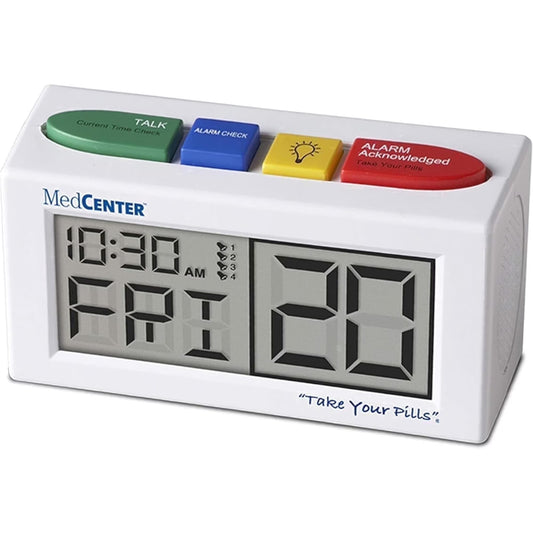
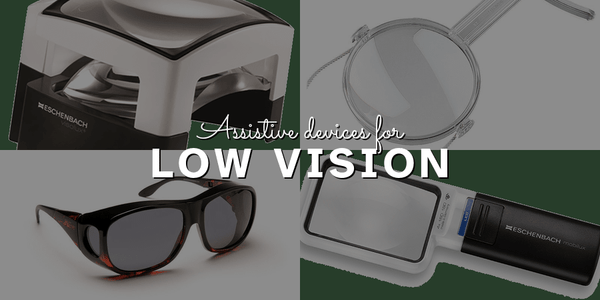
The best medication reminder system depends on cognitive ability and routine complexity. Options range from simple weekly pill organizers with AM/PM compartments to advanced automated dispensers with alarms and preloaded doses. Talking alarm clocks work well for those with vision challenges, while smart dispensers can alert caregivers if doses are missed. Choose based on the number of medications, dosing schedule complexity, and whether remote monitoring is needed.

Do I need a medical alert system if I live alone?
Medical alert systems provide critical safety for seniors living alone, especially those at risk for falls, with chronic conditions, or who spend time alone regularly. Modern systems offer 24/7 monitoring, two-way communication, automatic fall detection, and GPS tracking for both home and away. They provide peace of mind for family members and ensure help arrives quickly in emergencies when every minute counts.

What home modifications help seniors stay independent longer?

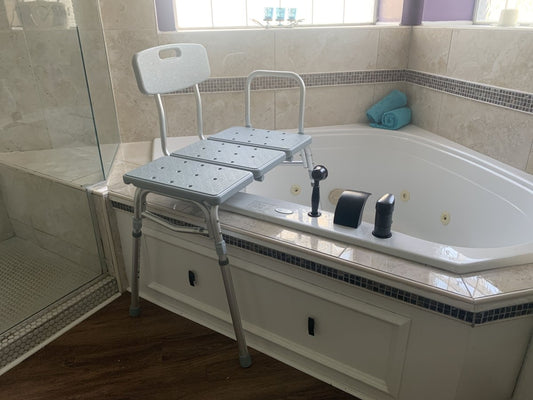
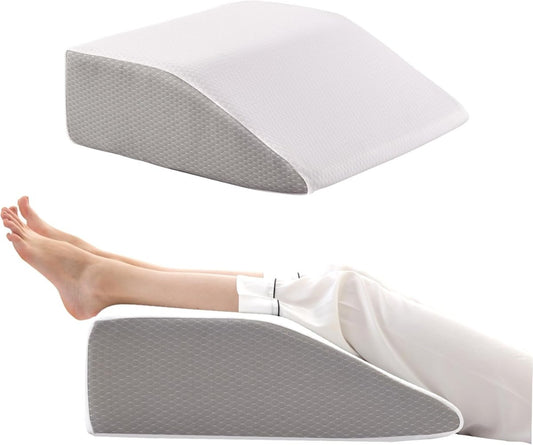
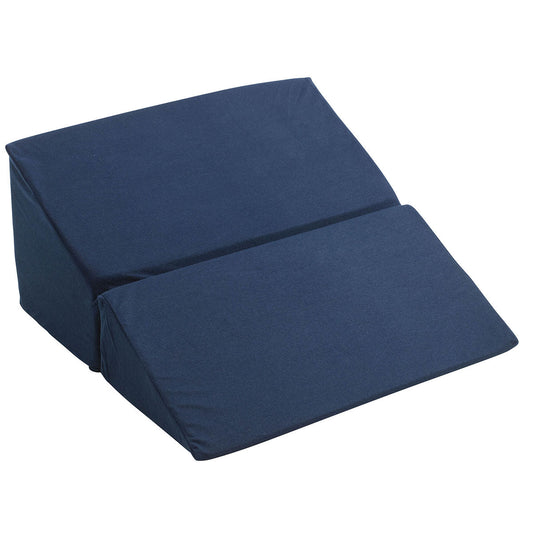
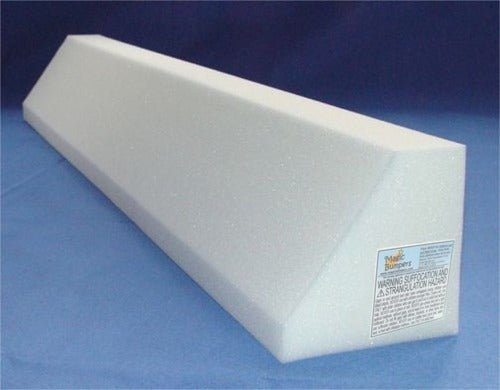
Key home modifications include bathroom safety upgrades like grab bars and raised toilet seats, bedroom aids such as bed wedges and visual monitors, kitchen tools like automated pill dispensers and easy-grip utensils, and mobility solutions including lift chairs and reacher tools. For instance, MedlinePlus's adult bathroom safety guidelines explicitly advise using non-slip suction mats inside the tub and secured safety bars near the toilet to safely manage daily routines. These OT-recommended modifications reduce physical strain, prevent falls, and allow seniors to complete daily tasks safely without assistance, supporting dignity and independence at home.

Payment Resources

Found some things to help but don't have the funds? We've got options for you!

  • We take HSA/FSA cards right in the checkout.
  • Sign up for a no-interest payment plan with Shop Pay at checkout.
  • In the Kansas City Metro? Apply for AccessKC for up to $1800 in funding & use it for equipment here!
  • Enter your ZIP code here to find programs in your area that you may qualify for in order to get help!

Why You Need an OT!

An Occupational Therapist (OT) is your superhero! A skilled professional whose expertise can significantly enhance your quality of life by helping you maintain independence, manage chronic conditions, and ensure your home environment supports your needs.

When you're ready to dive into what occupational therapy is, why you might need it, and the myriad of ways an OT can be invaluable in your life click below!

Read Why You Need an OT!