What are the best incontinence products for seniors?
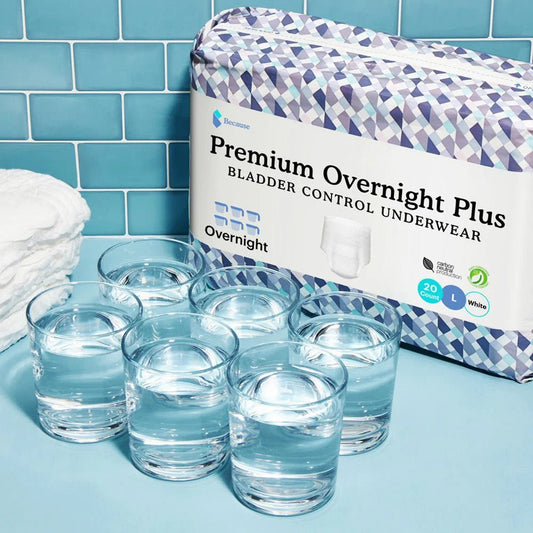
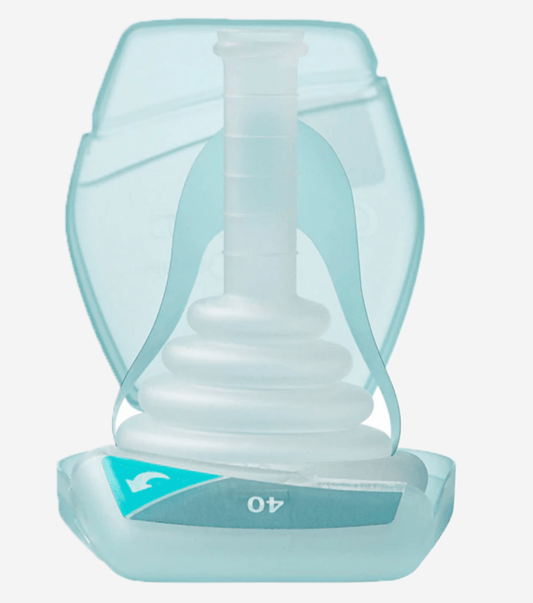
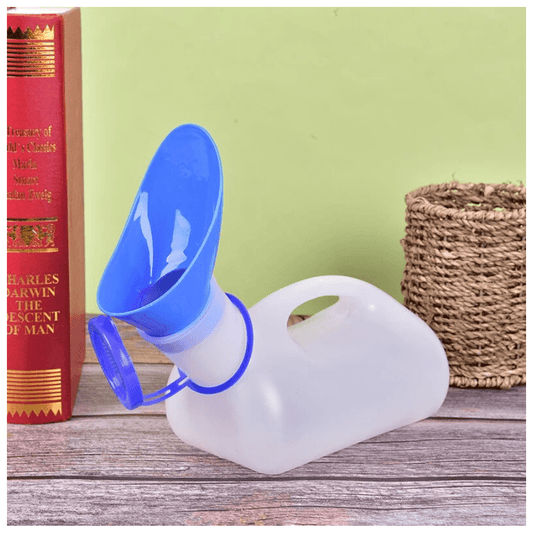
The best incontinence products depend on the level of incontinence and lifestyle needs. For light to moderate incontinence, washable underwear provides discreet, comfortable protection that looks and feels like regular underwear. For heavy incontinence, absorbent undergarments with multiple layers offer maximum protection. Additional essentials include reusable underpads (chucks) to protect bedding, bidets for improved hygiene, waterproof mattress covers, and bedside commodes for nighttime accessibility. Occupational therapists recommend starting with washable products for cost-effectiveness and comfort.
Are washable incontinence underwear better than disposables?
Washable incontinence underwear offers several advantages over disposables including significant cost savings over time, better comfort against skin, more environmentally friendly, and a more dignified appearance that looks like regular underwear. Modern washable options feature multiple absorbent layers, moisture-wicking fabrics, and leak-proof barriers that perform as well as disposables. They can be machine washed hundreds of times while maintaining effectiveness, making them ideal for daily use and overnight protection.
How does a bidet help with incontinence management?
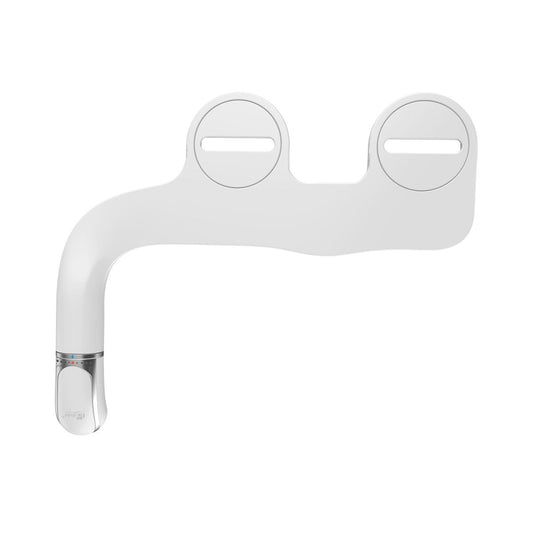
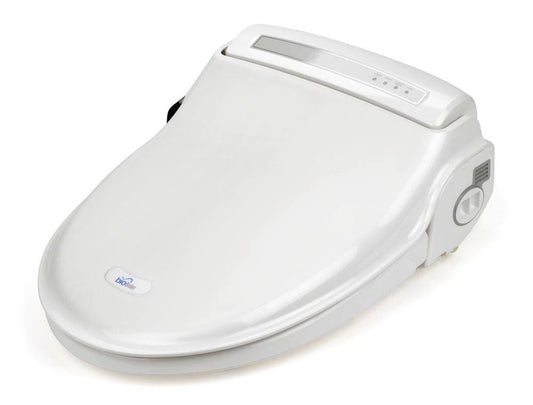
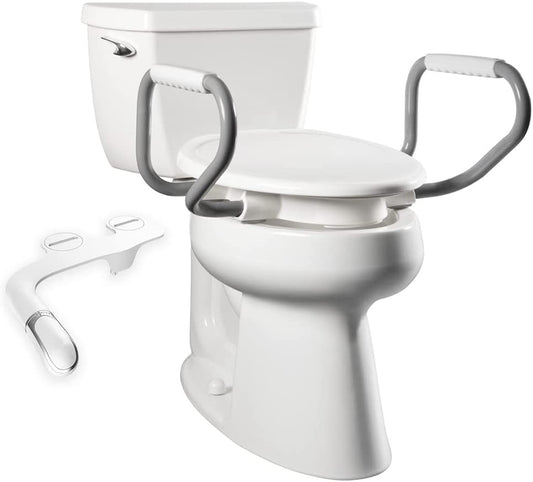
Bidets significantly improve hygiene and comfort for people with incontinence by providing gentle water cleansing that's more thorough and less irritating than toilet paper. This reduces skin irritation, prevents infections, eliminates the need for difficult wiping motions (especially helpful for those with limited mobility or hand strength), and promotes dignity and independence. Bidet attachments and bidet toilet seats are affordable solutions that install on existing toilets and are particularly beneficial for seniors with arthritis, limited reach, or cognitive challenges.
When should I use a bedside commode instead of a regular toilet?
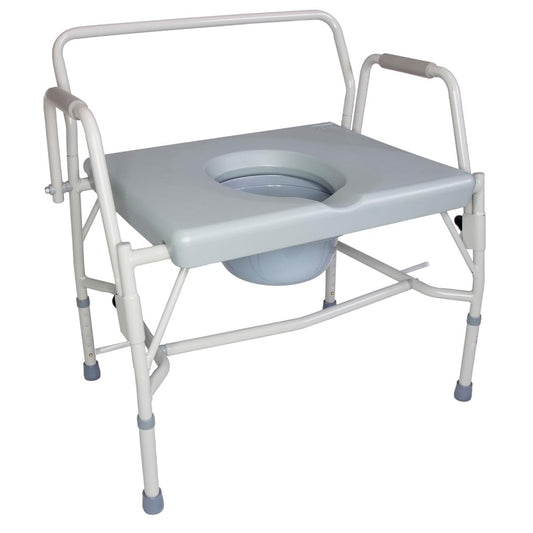
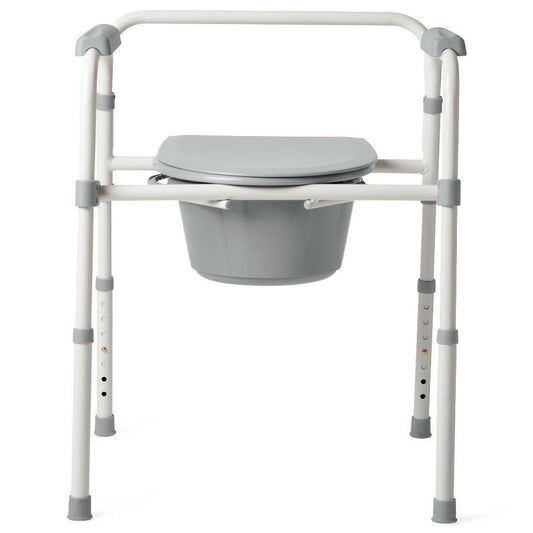
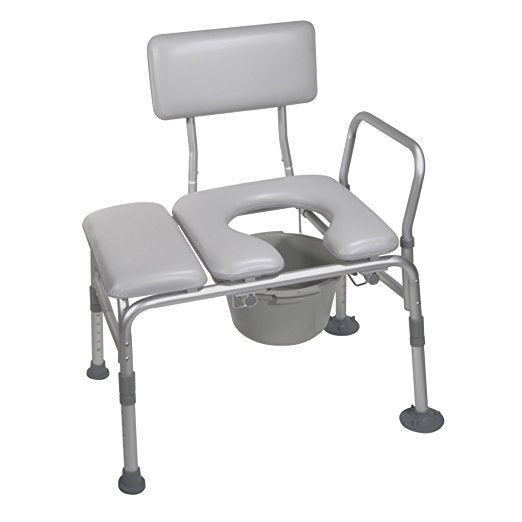
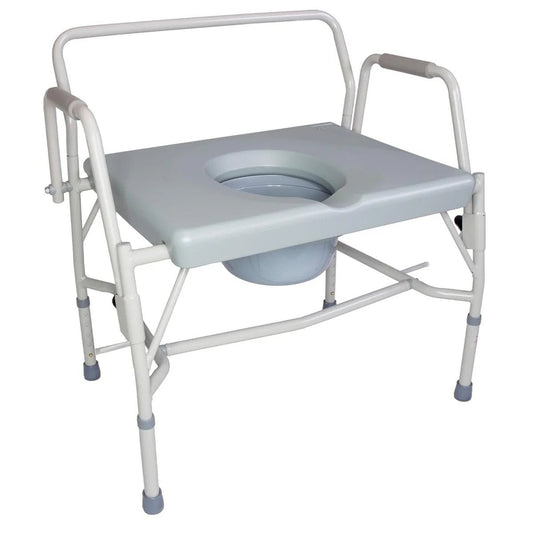
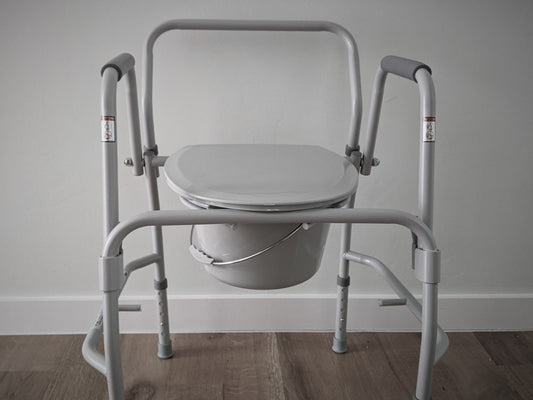
Bedside commodes are essential when mobility limitations, fall risk, or nighttime urgency make it unsafe or difficult to reach the bathroom in time. They're ideal for people recovering from surgery, those with severe arthritis or weakness, individuals at high fall risk, anyone who experiences frequent nighttime urination, or when the bathroom is upstairs or far from the bedroom. Drop-arm commodes make transfers easier from wheelchairs or beds, while bariatric models support higher weight capacities for larger individuals.
What are reusable underpads and how do they protect bedding?
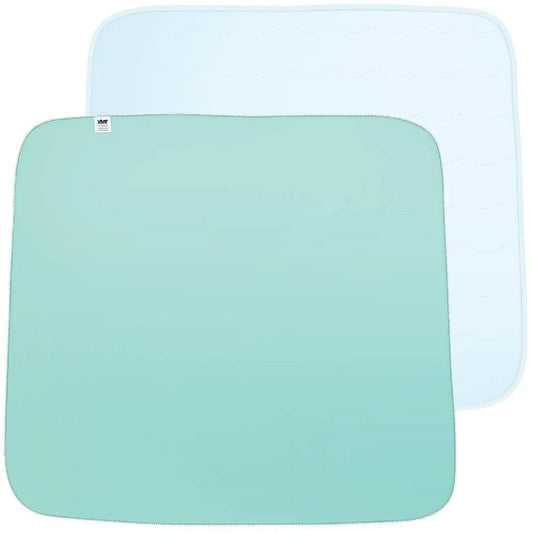
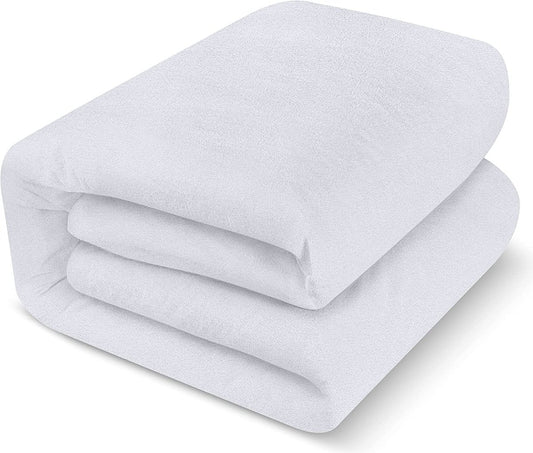
Reusable underpads, also called chucks, are washable bed pads with multiple absorbent layers and a waterproof backing that protect mattresses, chairs, and furniture from incontinence accidents. They're placed on top of sheets to absorb moisture and prevent leaks from reaching the mattress. Unlike disposable pads, reusable underpads are soft, comfortable, machine washable, cost-effective for daily use, and environmentally friendly. They're essential for overnight protection, wheelchair cushions, and protecting furniture while maintaining comfort and dignity.