


Drop Arm Bedside Commode
Drop Arm Bedside Commode
Couldn't load pickup availability
♡ 10 % of this purchase funds home‑safety grants for older adults + enjoy our easy 30 day return policy!
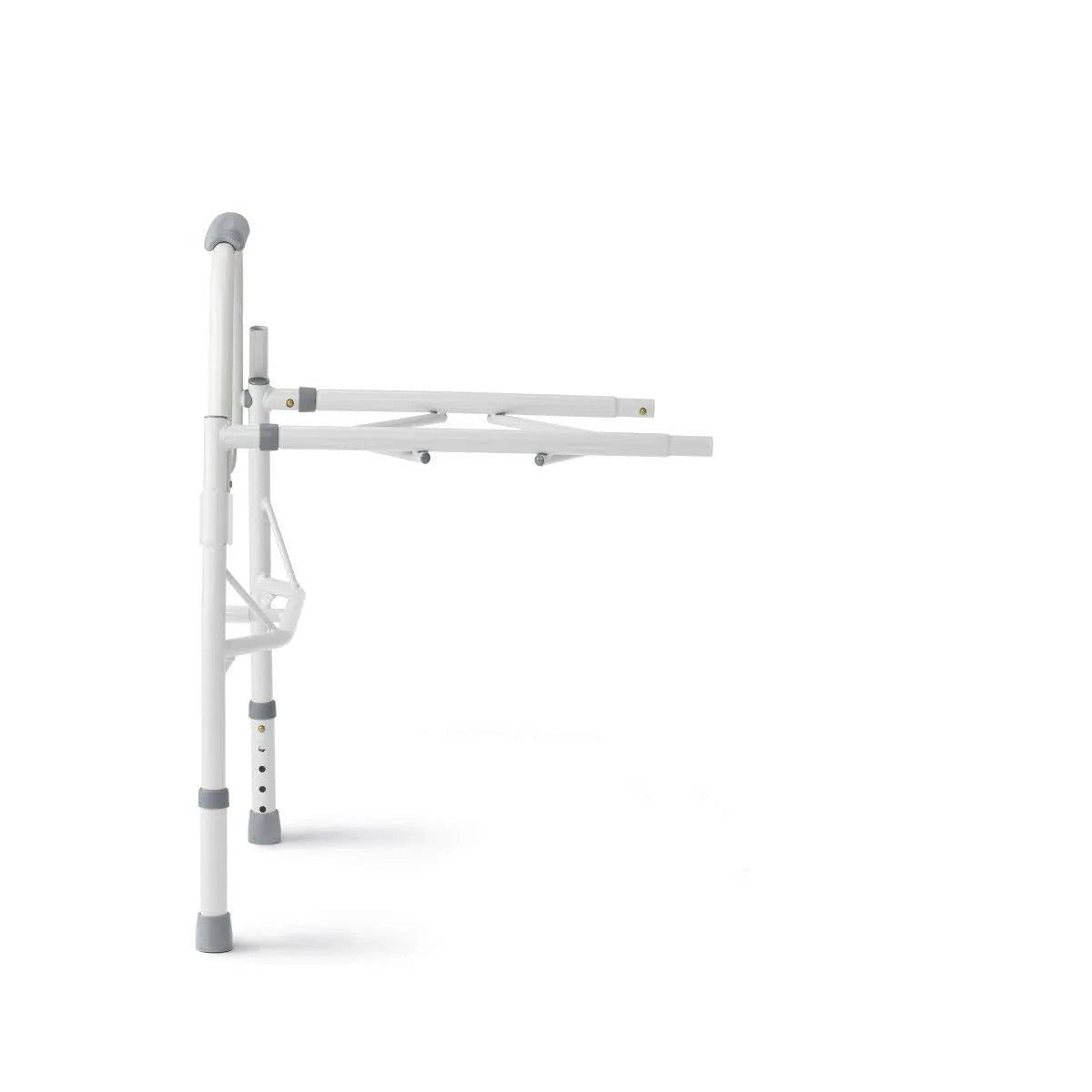
The Drop Arm Bedside Commode is a versatile and comfortable solution for individuals who need assistance with toileting. Designed with a 350 lb weight capacity, it features a sturdy frame and backrest for added comfort. The drop-arm design allows for easy lateral transfers, making it ideal for patients with limited mobility or those recovering from surgery. Its adjustable height accommodates different users, and the removable bucket with a splash guard makes cleaning simple. This commode can be used bedside, over the toilet, or in any convenient location to support independence and dignity in personal care.
For more info on using or considering the type of bedside commode sign up for this deep dive training video!
And if you're concerned about how to clean or care for a commode we've got you covered in this article here!
Discover five innovative strategies to effectively manage incontinence and maintain your dignity and comfort here.
Specifications
Specifications
Frequently Asked Questions
Frequently Asked Questions
P65 Warning for Plastics
P65 Warning for Plastics
⚠ WARNING:This product can expose you to chemicals including ethylene, which is known to the State of California to cause cancer and/or reproductive harm. For more information go to www.P65Warnings.ca.gov



Why we know this works!
Why we know this works!
Get Help from an Occupational Therapist!
Need help deciding? Want to solve ALL the problems your person is having? Schedule a visit with one of these specialists!
-
Dr. Brandy Archie OTD, OTR/L, CLIPP
Specialties
Home Modifications Aging in Place Low Vision Chronic Care ManagementRegular priceRegular priceUnit price per -
Dr. Ryan Salmon OTD, OTR/L, ECHM
Specialties
Aging/Living in Place ConsultationRegular priceRegular priceUnit price per -
Dr. Lyndi Hinkle OTD, MOT, OTR/L
Specialties
Home Modifications Aging in Place Low Vision Care Management +Regular priceRegular priceUnit price per


Not sure what you need?
An occupational therapist can assess your situation and recommend exactly what will help. Tell us what you're dealing with and we'll connect you with the right OT.
Related Products
-
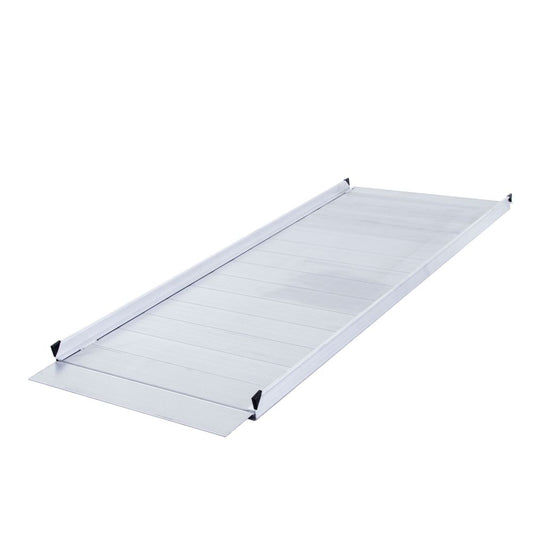
10' Wheelchair Access Ramp
Regular price $1,199.00Regular priceUnit price per -
Quad Cane Replacement Tips
Regular price See price in cartRegular priceUnit price per -
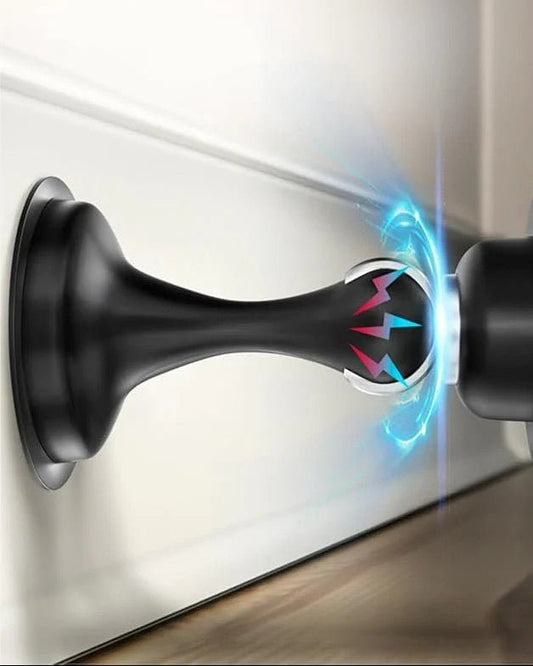
Magnetic Door Stopper
Regular price $14.98Regular priceUnit price per -
Leg Lifter
Regular price $18.00Regular priceUnit price per -
Cane Replacement Tips 2pk | Grey
Regular price See price in cartRegular priceUnit price per$3.00Sale price See price in cart



Solve the whole puzzle! Get education, resources and services right here.
-

Caregiver Training Courses
Go to website for the full training library We've partnered with Higher...
-

Free Resources
Access free educational resources, guides, and materials from AskSAMIE to learn about...


Dive Deeper: a knowledge base of solutions for real caregiving questions
View all-

The Real Reason You're Waking Up Hot at Night (...
Waking up hot at night disrupts sleep for caregivers and the people they care for. Learn the science of thermal regulation, why "cooling" mattresses fail, and OT-approved solutions to sleep...
The Real Reason You're Waking Up Hot at Night (...
Waking up hot at night disrupts sleep for caregivers and the people they care for. Learn the science of thermal regulation, why "cooling" mattresses fail, and OT-approved solutions to sleep...
-

What to Do With Someone With Dementia: A Rules-...
OT-approved Hodeeay cards turn awkward dementia visits into joyful moments. No rules, no memory needed — just connection. See how to use them today.
What to Do With Someone With Dementia: A Rules-...
OT-approved Hodeeay cards turn awkward dementia visits into joyful moments. No rules, no memory needed — just connection. See how to use them today.
-

Why Typical TV Doesn't Work for a Brain with De...
Every dementia caregiver I work with eventually asks me some version of the same question. "What am I supposed to do with her for the next four hours?" The TV...
Why Typical TV Doesn't Work for a Brain with De...
Every dementia caregiver I work with eventually asks me some version of the same question. "What am I supposed to do with her for the next four hours?" The TV...


