






Collection: Mobility Aids & Assistive Devices for Seniors | AskSAMIE
Safe movement is essential for staying active at home. This collection includes reliable
walkers, canes, transfer tools, and supports chosen by occupational therapists to improve balance, reduce fall risk, and help you move with confidence.
-
Expert-Selected Products
-
User-Friendly Designs
-
Comprehensive Range
Setting up the bedroom? See our bedroom safety products for bed rails, bed alarms, bed steps, and nighttime fall prevention.
-
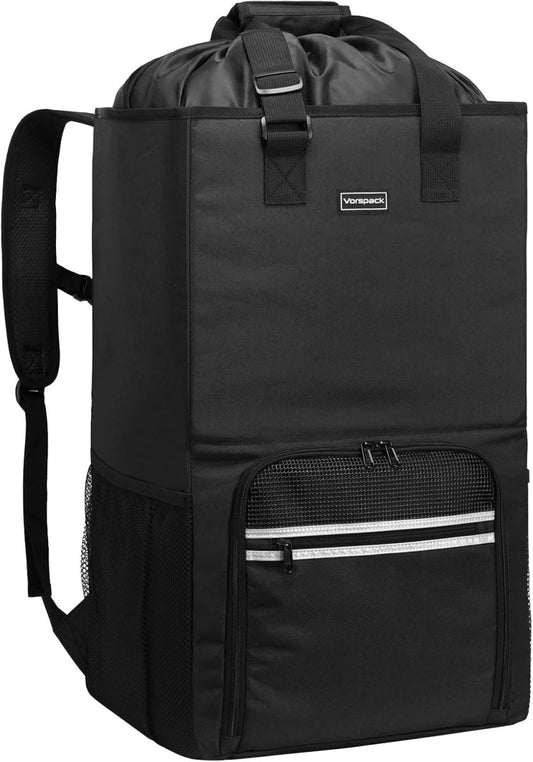
Hands-Free Laundry Backpack for Stairs | Stands Up as a Hamper
Regular price $39.00Regular priceUnit price per -
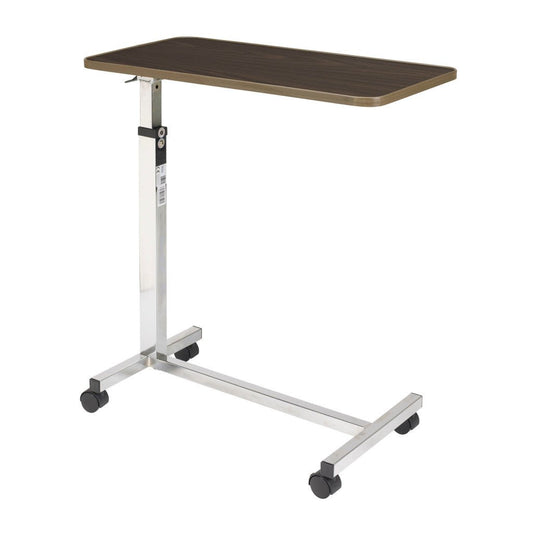
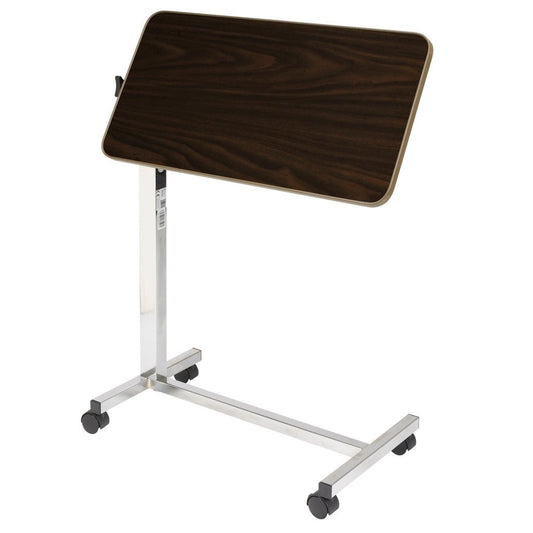
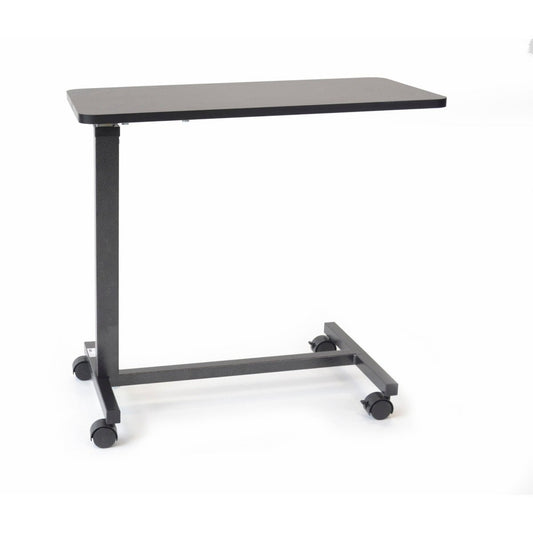
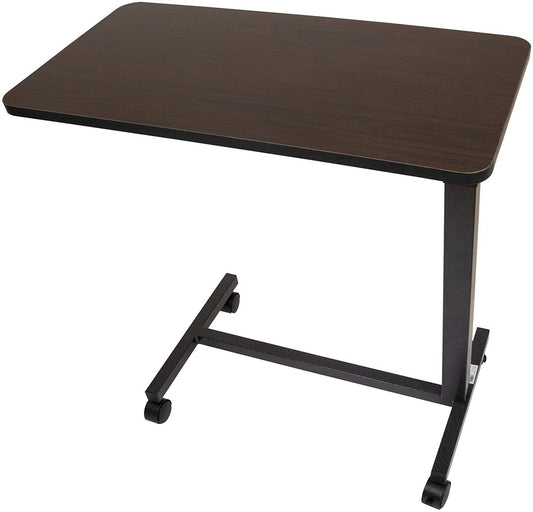
Tilt-Top Overbed Table | Hospital Bed Table for Home
Regular price $140.00Regular priceUnit price per -
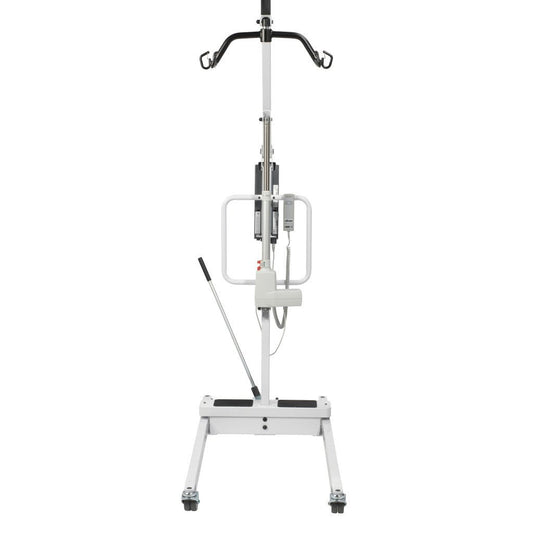
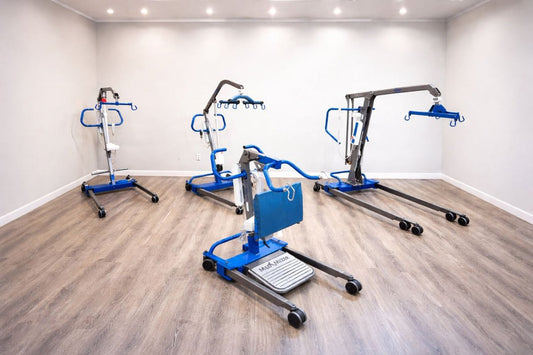
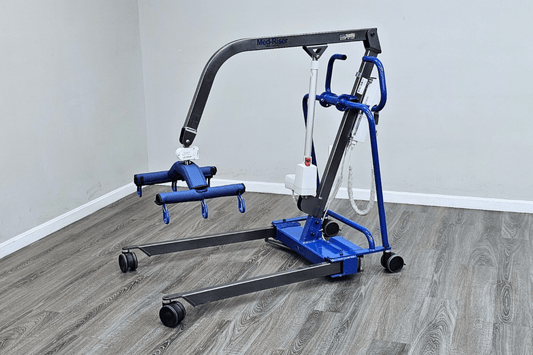
Battery-Powered Patient Lift | Electric Hoyer Lift with Sling Included
Regular price $2,768.71Regular priceUnit price per -
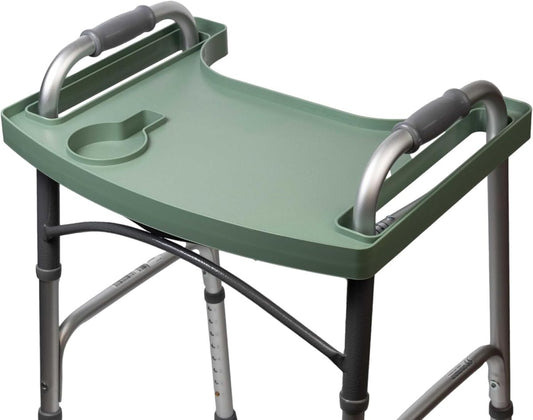
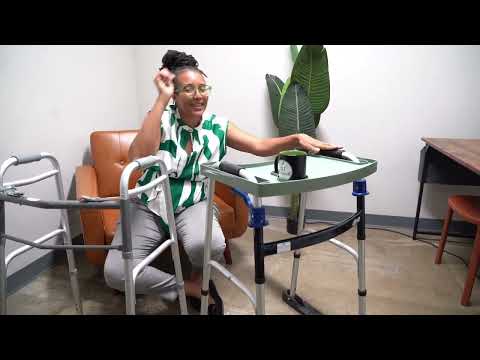
Walker Tray with Cup Holder | OT-Designed Tray for Folding Walkers
Regular price $39.99Regular priceUnit price per -
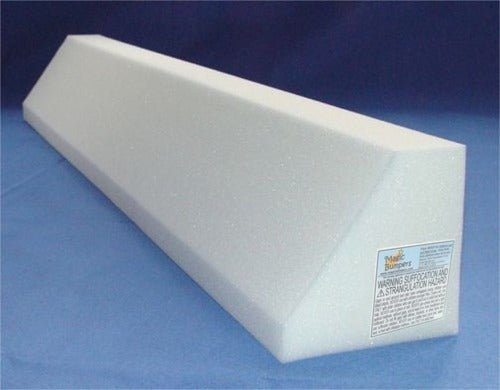
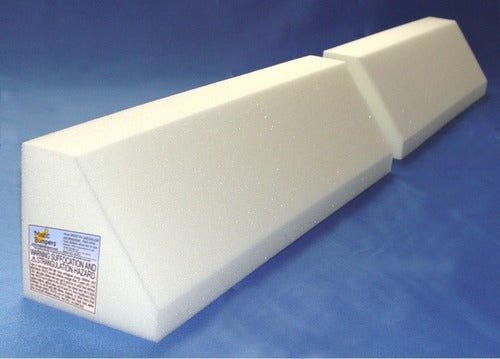
Bed Bumper | Under the Sheet | Foam Bed Rail Alternative
Regular price $29.99Regular priceUnit price per -
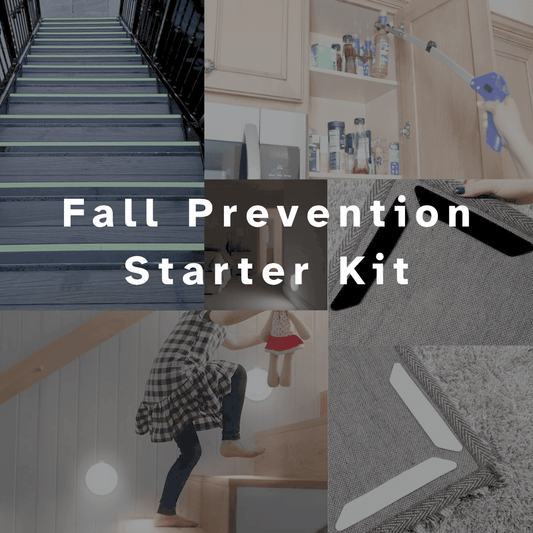
Fall Prevention Starter Kit
Regular price $57.99Regular priceUnit price per$68.92Sale price $57.99Sale -
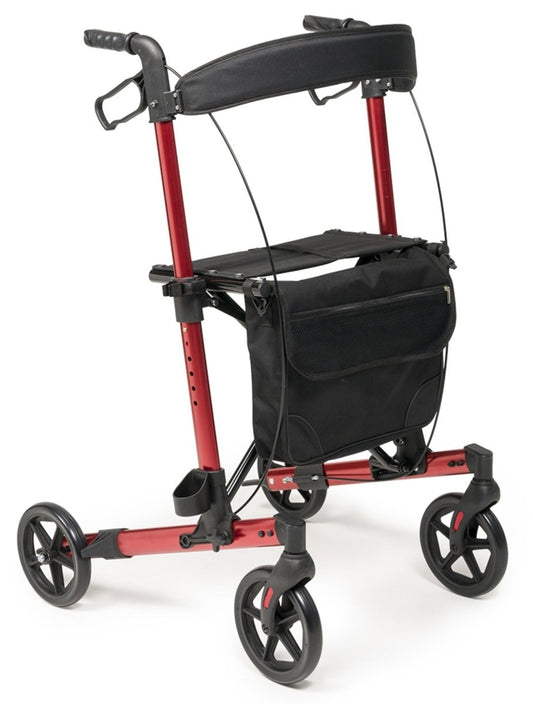
Tall Walker Rollator with Seat | For Adults Over 6 Feet
Regular price $268.00Regular priceUnit price per -
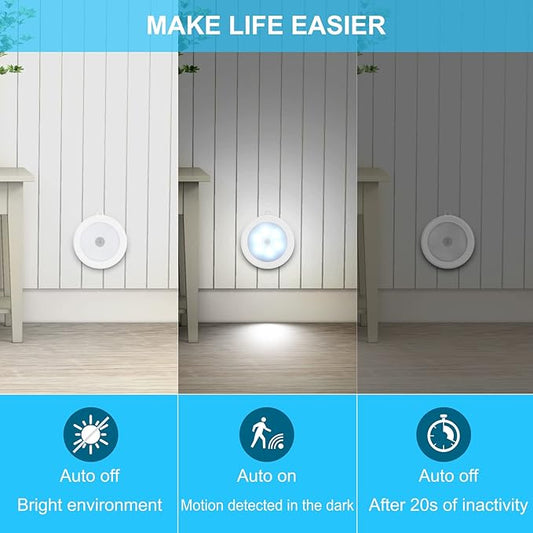
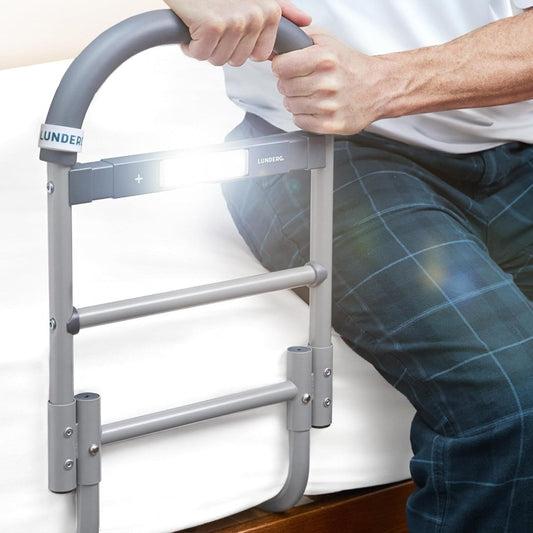
Bed Rail with Motion-Sensor Night Light | Safety Rail for Seniors
Regular price From $59.95Regular priceUnit price per -
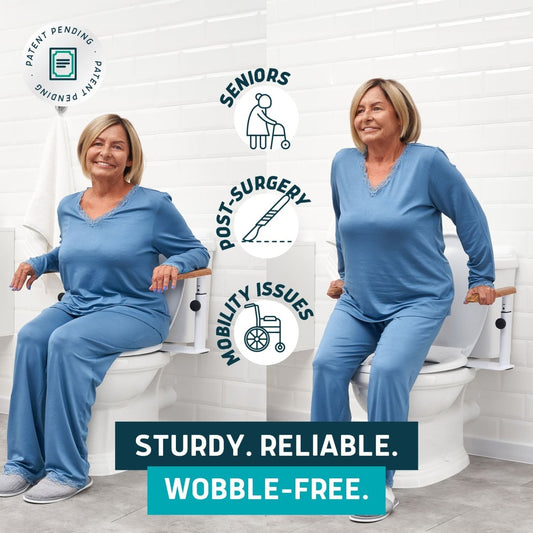
Raised Toilet Seat with Handles – Soft-Close, 3-Inch Riser for Seniors
Regular price $149.95Regular priceUnit price per$199.95Sale price $149.95Sale -
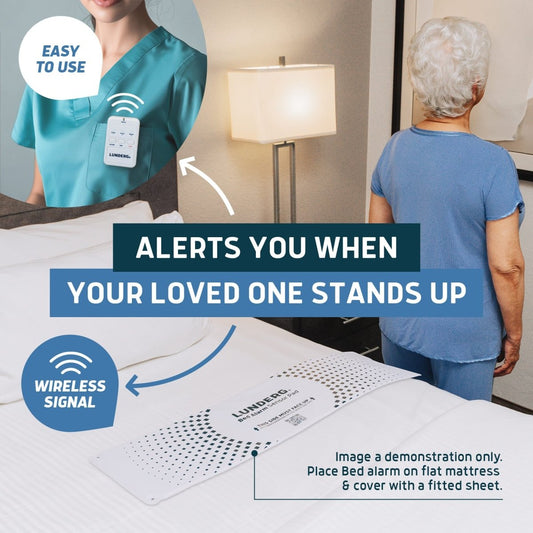
Wireless Bed Alarm for Older Adults – Fall Prevention Bed Exit Sensor
Regular price From $109.20Regular priceUnit price per -
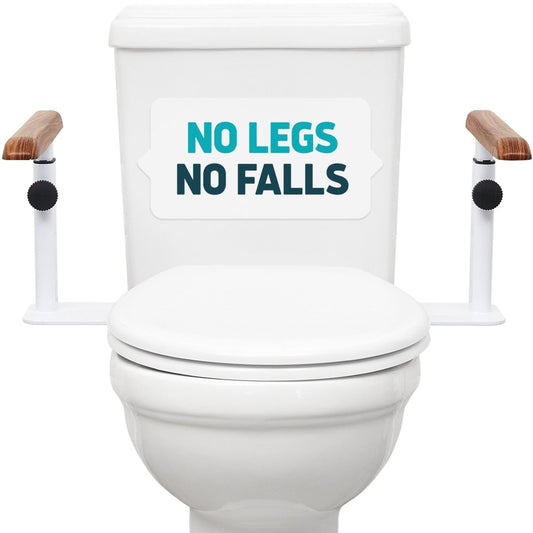
Toilet Safety Rails with Adjustable Height – No-Leg Design for Seniors
Regular price $104.95Regular priceUnit price per -
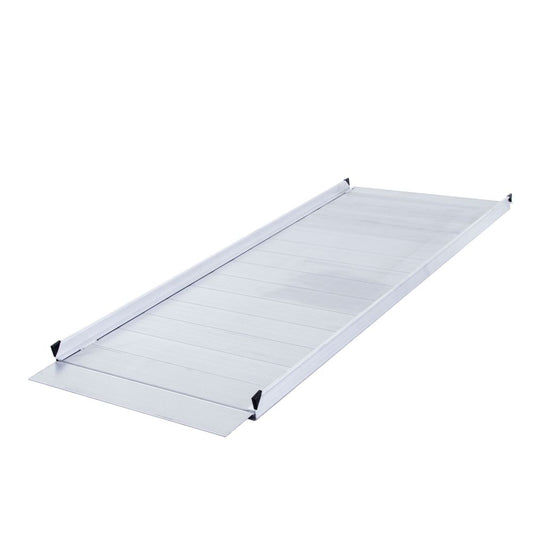
10' Wheelchair Access Ramp
Regular price $1,199.00Regular priceUnit price per -
Hospital Bedside Table on Wheels | Adjustable Height Overbed Table
Regular price $79.39Regular priceUnit price per

Learn More About Staying Safe At Home
FAQ About This Collection!
Payment Resources
Found some things to help but don't have the funds? We've got options for you!
- We take HSA/FSA cards right in the checkout.
- Sign up for a no-interest payment plan with Shop Pay at checkout.
- In the Kansas City Metro? Apply for AccessKC for up to $1800 in funding & use it for equipment here!
- Enter your ZIP code here to find programs in your area that you may qualify for in order to get help!
Related Collections


Why You Need an OT!
An Occupational Therapist (OT) is your superhero! A skilled professional whose expertise can significantly enhance your quality of life by helping you maintain independence, manage chronic conditions, and ensure your home environment supports your needs.
When you're ready to dive into what occupational therapy is, why you might need it, and the myriad of ways an OT can be invaluable in your life click below!
Looking for hands-on help?
Find an occupational therapist who works with mobility — someone who can evaluate your movement, recommend adaptive equipment, and help you stay safely independent at home.
Find a Mobility OT Near YouDive Deeper with These Articles