
Parkinson's Disease
Living with Parkinson's changes how you move through your home. Here's what helps.
Parkinson's disease is a progressive neurological condition that affects movement, balance, and coordination over time. Unlike a surgery or acute injury, Parkinson's doesn't have a single recovery moment — it requires an evolving home environment that adapts as the condition progresses. The right equipment at the right stage can mean the difference between staying home safely and an unexpected fall that changes everything.
Parkinson's makes daily life difficult in ways that are often invisible to others:
- Tremors and rigidity make gripping, buttoning, eating, and writing increasingly difficult without adaptive tools
- Shuffling gait and freezing episodes make every threshold, rug, and uneven surface a fall risk
- Reduced balance and slower reflexes make getting in and out of the shower, on and off the toilet, and up from a chair genuinely dangerous without support
- Fatigue and reduced coordination make dressing, bathing, and meal preparation exhausting and time-consuming
- Soft voice and reduced facial expression can mask how much physical difficulty a person is actually experiencing
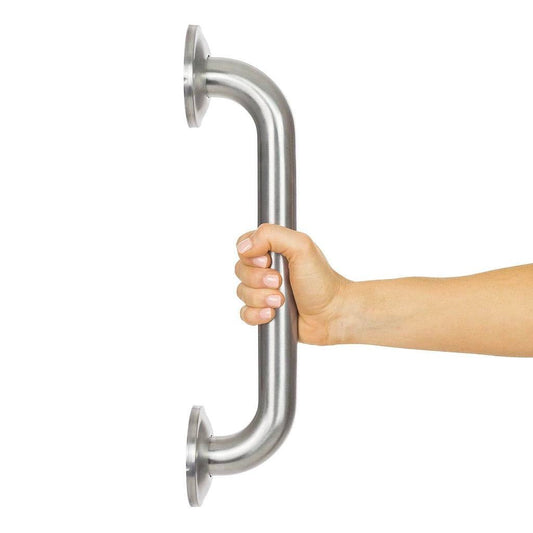
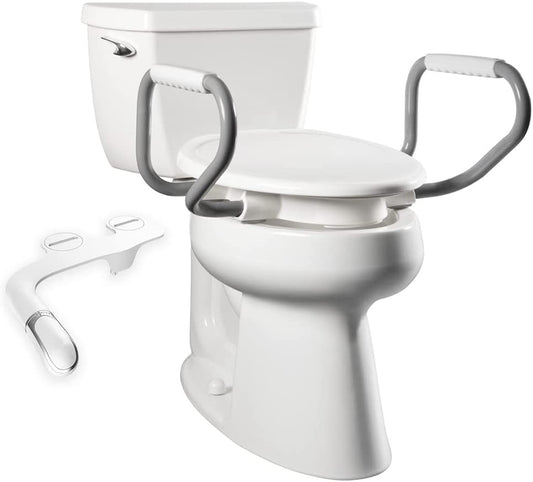
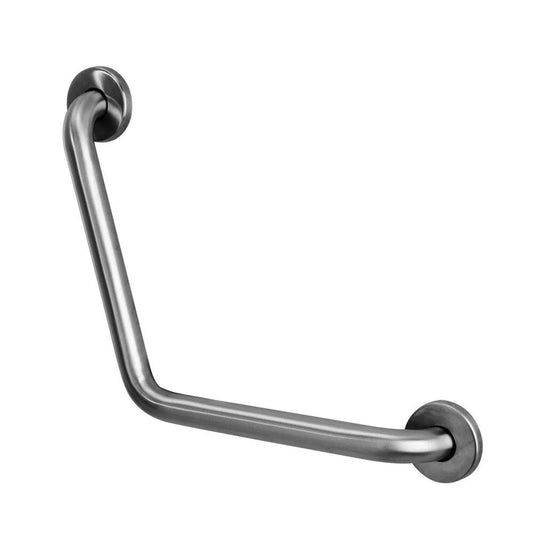
Parkinson's carries one of the highest fall risks of any progressive condition — and falls are the leading cause of injury-related hospitalization for people living with Parkinson's. Grab bars, shower chairs, raised toilet seats, rollators, and adaptive utensils are not just convenience items. They are what preserve independence, dignity, and safety at every stage.
The most recommended products for living safely with Parkinson's have each been hand-selected by home safety Occupational Therapy Practitioners to support independence and reduce fall risk at home. The best time to set up a safer home environment is before a fall happens — not after.
All products
58 products



Show all 58Show fewer












Found what helps but need funding?
We've got options to make this affordable.
Related collections

Why you need an OT
An occupational therapist helps you stay independent, manage conditions, and set up a home that supports you. Find out how they can help, virtually or in person.
Read why you need an OT →