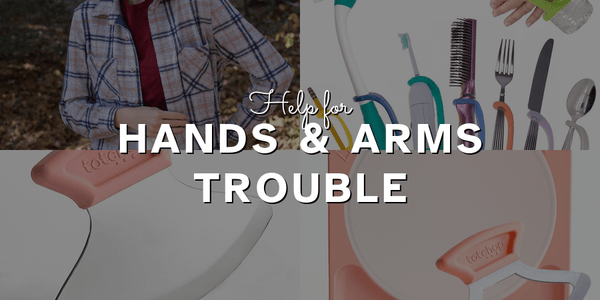
What are adaptive eating utensils and who are they for?
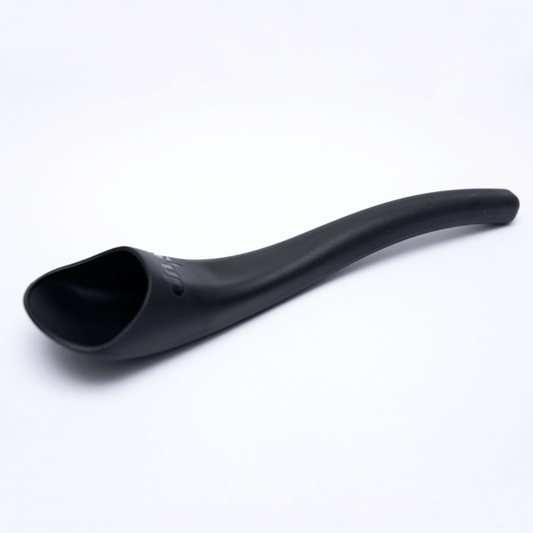
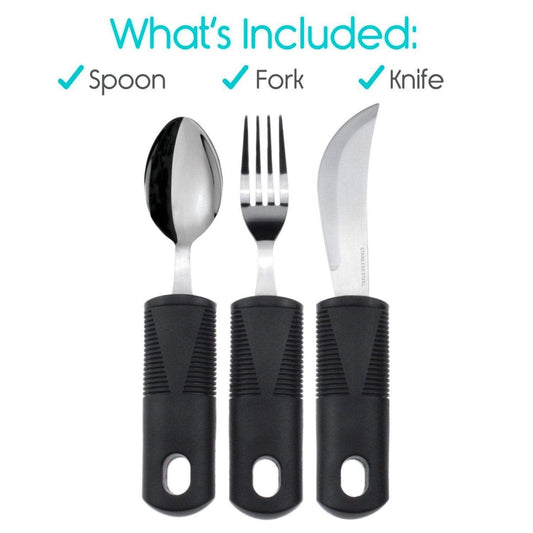
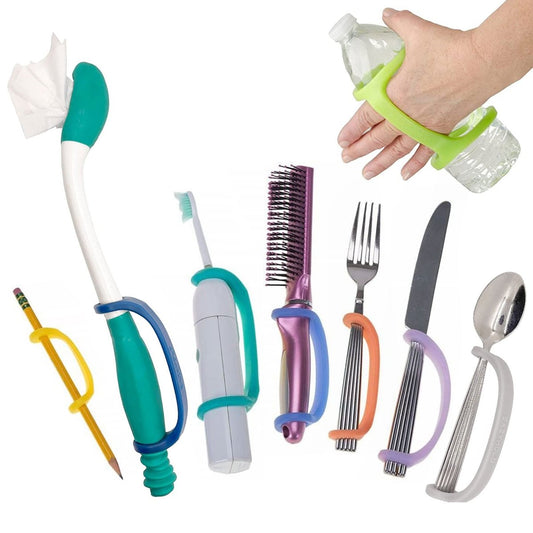
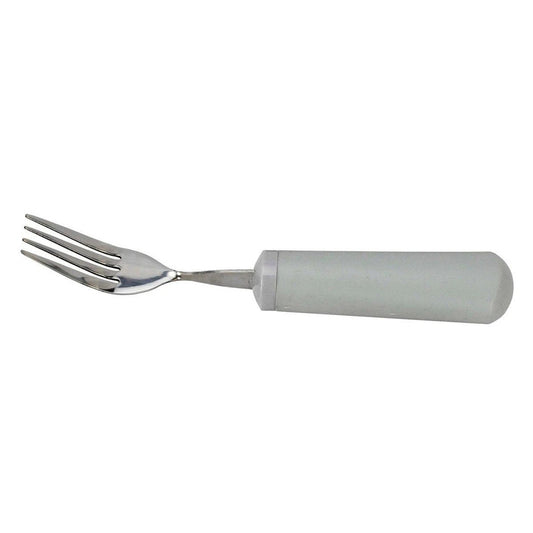
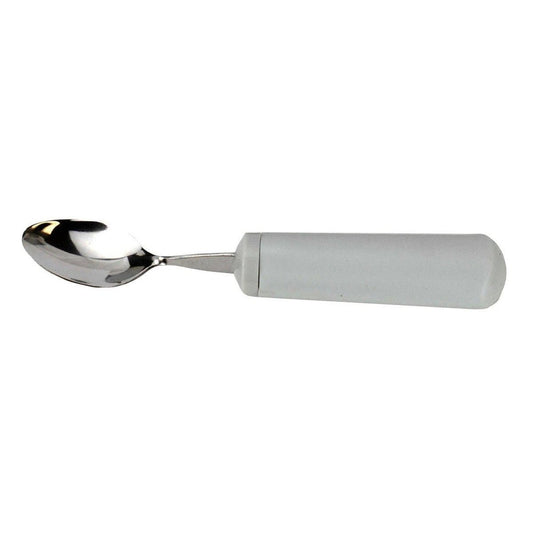
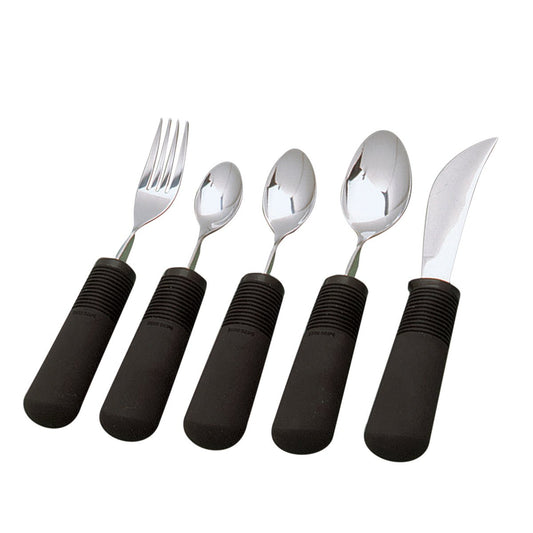
Adaptive eating utensils are specially designed tools that help people with tremors, Parkinson's disease, arthritis, stroke, dementia, or limited hand strength eat independently. They include weighted silverware, stabilizing spoons, swivel utensils, and built-up grip handles — all designed to reduce spilling, improve control, and preserve dignity at mealtimes. An assistive technology article published by the National Institutes of Health (NIH) indicates that implementing modified, larger-diameter utensils significantly reduces overall task time and improves comfort while preventing food spillage caused by restricted joint range of motion.
What is the best utensil for someone with hand tremors?
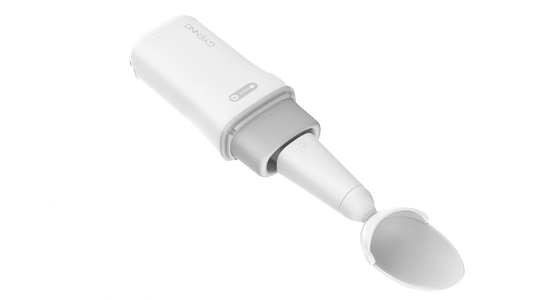
Weighted silverware and gyroscopic stabilizing spoons are the most effective utensils for hand tremors. Weighted utensils add resistance that dampens involuntary movement, while electronic stabilizing spoons (such as Gyenno or Liftware) use active stabilization technology to counteract tremors in real time, keeping food level during the journey from plate to mouth.
What adaptive tableware helps people with Parkinson's disease?
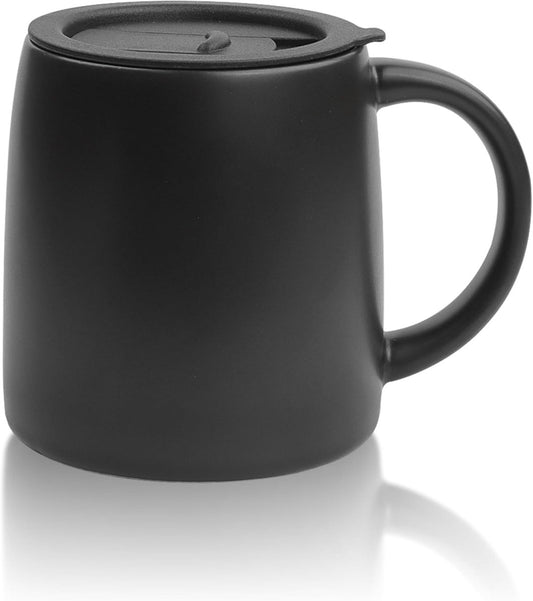
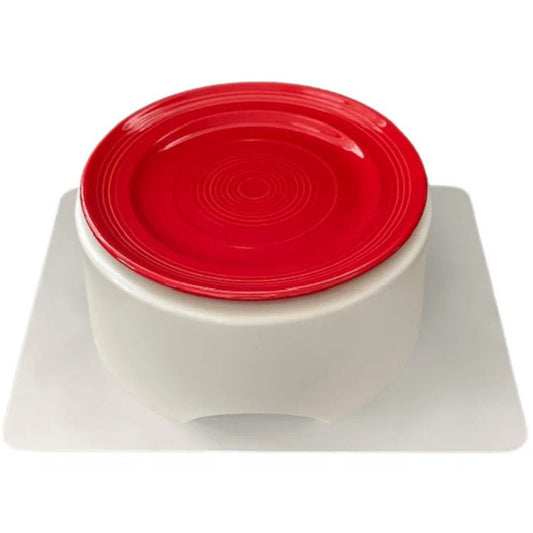
People with Parkinson's benefit most from weighted silverware to reduce tremor impact, stabilizing spoons with gyroscopic technology, plate guards and scoop plates to prevent food from sliding off, non-slip placemats to keep dishes in place, and lidded cups or nosey cutout cups to reduce spilling. These tools work together to support safe, independent eating.
How do adaptive utensils help people with arthritis?
Adaptive utensils for arthritis feature built-up, large-diameter handles that require less grip strength and reduce joint strain. Swivel utensils allow the wrist to stay in a neutral position while eating, eliminating the need to rotate the forearm. These modifications significantly reduce pain and task time for people with rheumatoid or osteoarthritis.
What tableware is recommended for someone with dementia?
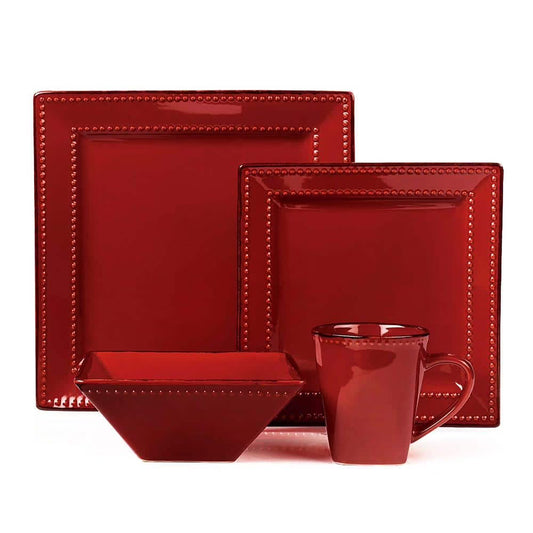
High-contrast tableware — particularly red and blue plates — is clinically recommended for people with dementia because it improves food visibility and increases food intake. Divided plates reduce confusion between food items, while weighted cups and non-slip placemats minimize accidents. Simple, uncluttered tableware with bold color contrast supports independence and reduces caregiver assistance needed at mealtimes.
Can adaptive eating aids help after a stroke?
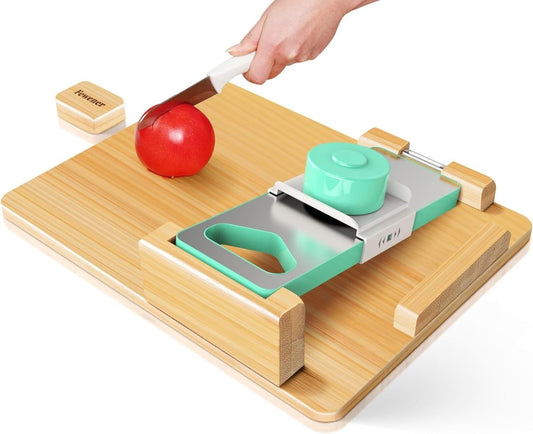
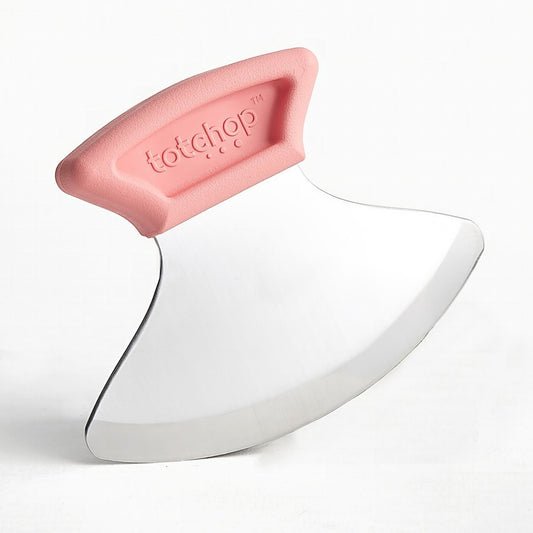
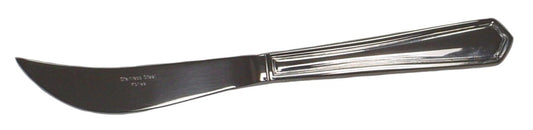
Yes. After a stroke, one-handed eating aids such as rocker knives, plate guards, and suction-base plates allow people with hemiplegia or limited arm function to eat independently. Built-up handle utensils and universal cuff holders support weak grip. Occupational therapists routinely recommend adaptive tableware as part of post-stroke rehabilitation to restore mealtime independence.
What is a swivel utensil and how does it work?
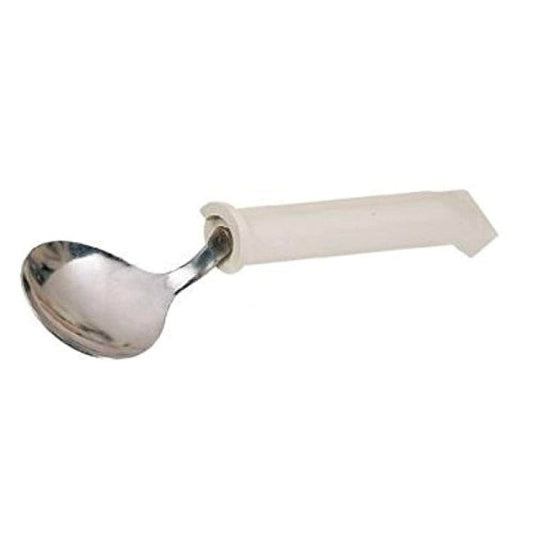
A swivel utensil has a pivoting head that automatically levels itself as the wrist moves, keeping food on the spoon or fork regardless of hand angle. This is especially helpful for people with limited forearm rotation due to arthritis, stroke, or neurological conditions. The user can eat naturally without needing to consciously compensate for wrist position.
How do I choose the right adaptive eating aid for my needs?
The right adaptive eating aid depends on your specific challenge.
- Tremors or Parkinson's: choose weighted silverware or a stabilizing spoon.
- Arthritis or weak grip: choose built-up handle utensils or swivel spoons.
- Dementia: choose high-contrast plates and simple tableware.
- Stroke or one-handed eating: choose plate guards, suction plates, and rocker knives.
An Occupational Therapist can provide a personalized recommendation based on your functional abilities.