What are the best sensory tools for children with autism at home?
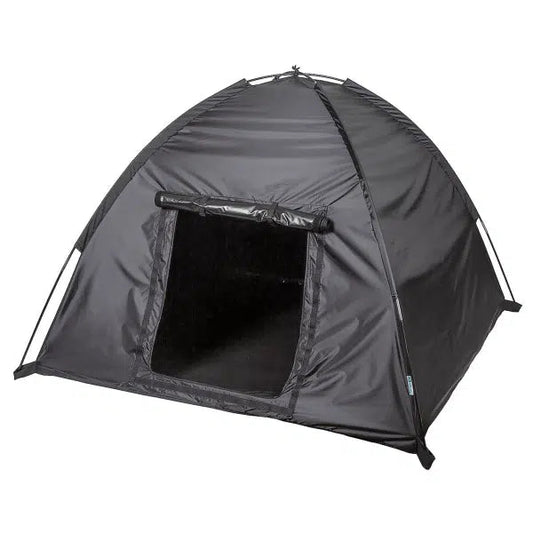
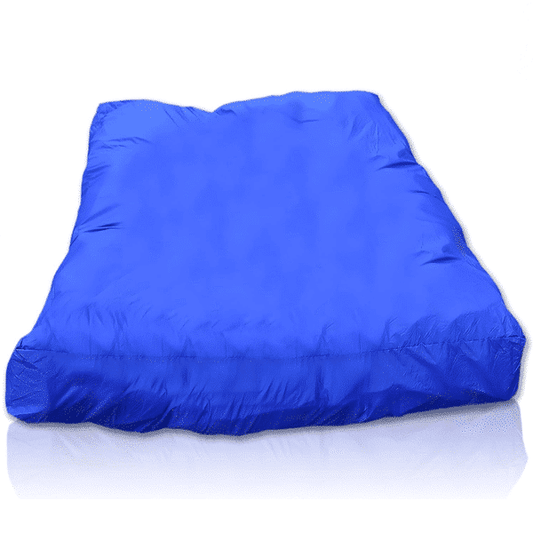
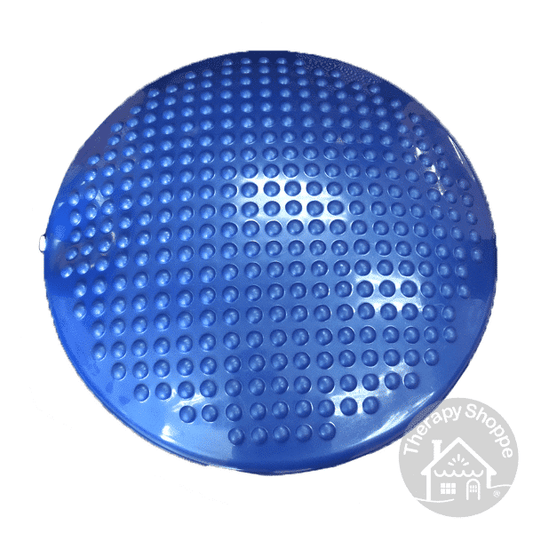
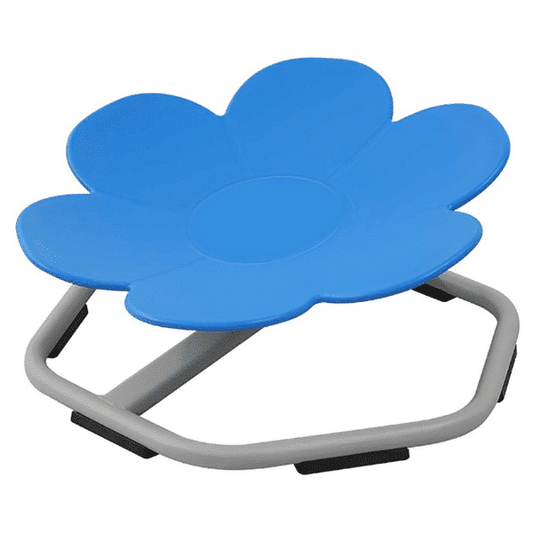
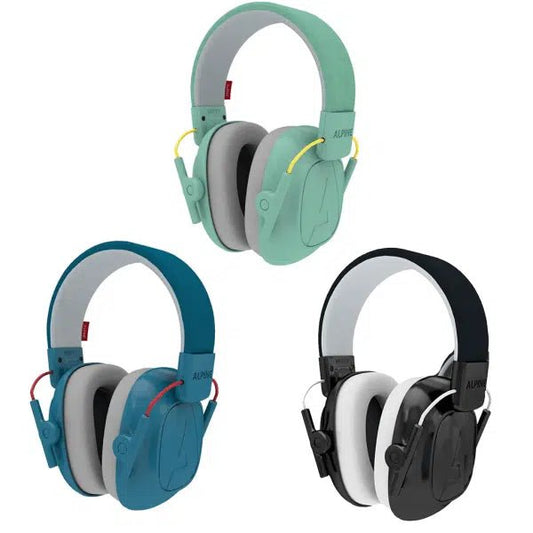
The most effective at-home sensory tools for autistic children address both sensory-seeking and sensory-avoiding needs. For sensory seekers, a crash pad, sensory swing, portable trampoline, and weighted vest provide the deep pressure and vestibular input the nervous system craves. For sensory avoiders, noise-reducing earmuffs, tinted sunglasses, and a blackout sensory tent reduce overwhelming input. A wiggle cushion and weighted lap pad work well in both profiles during seated tasks. All products are most effective when selected with input from an occupational therapist who knows your child’s specific sensory profile.
Do weighted blankets help kids with ADHD or autism sleep better?
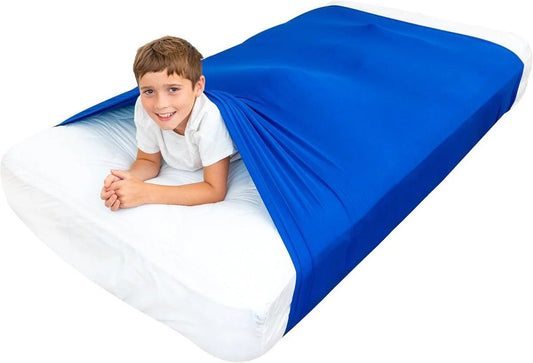
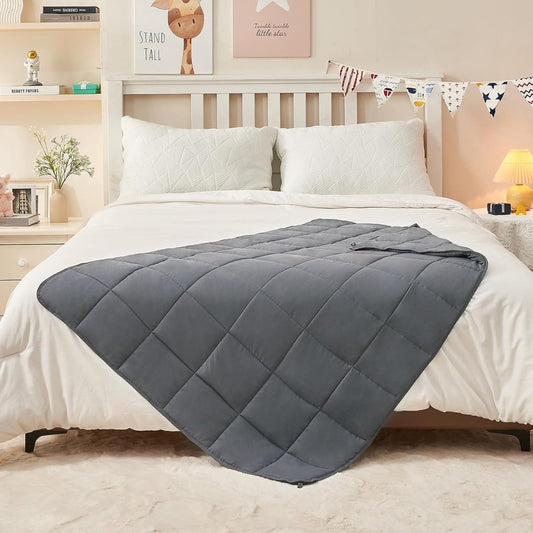
Yes — weighted blankets provide deep pressure stimulation that activates the parasympathetic nervous system, promoting calm and reducing the time it takes to fall asleep. Research supports their use for children with ADHD, autism, and anxiety-related sleep difficulties. For children, the general guideline is to choose a blanket that is approximately 10% of the child’s body weight. A sensory compression bed sheet is an alternative that provides similar deep pressure input without the added weight, which some children find more comfortable.
What is a sensory swing and how does it help children with autism or SPD?
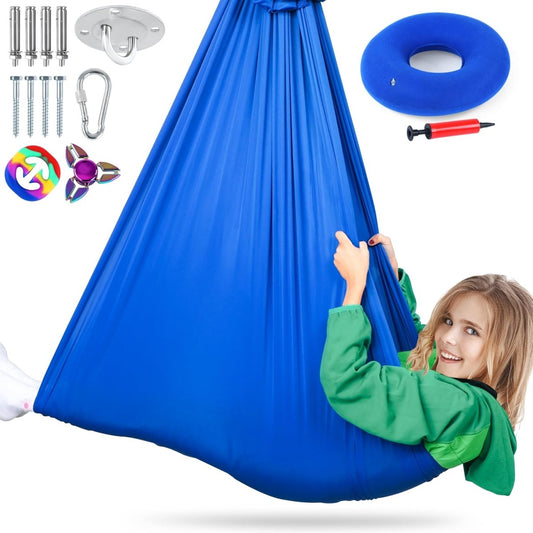
A sensory swing provides vestibular (movement and balance) input, which is one of the most regulating sensory experiences for children with autism, sensory processing disorder, and ADHD. Swinging activates the vestibular system in a controlled, rhythmic way that can reduce anxiety, improve focus, and support emotional regulation. Sensory swings are commonly used in OT clinics and can be installed at home with appropriate ceiling hardware. They are particularly effective as part of a sensory break routine before demanding tasks like homework or transitions.
What fine motor tools do occupational therapists recommend for kids?
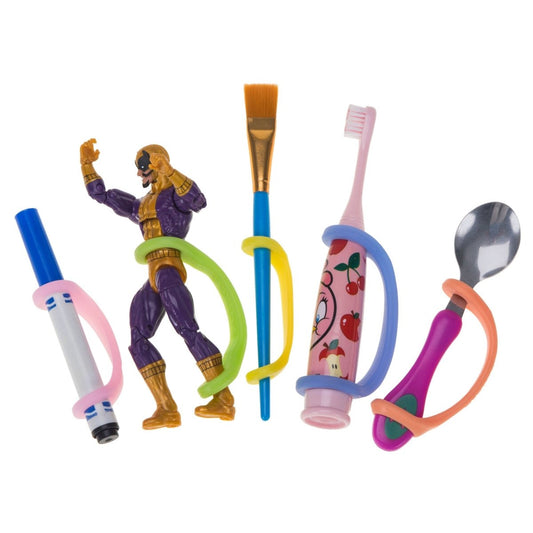
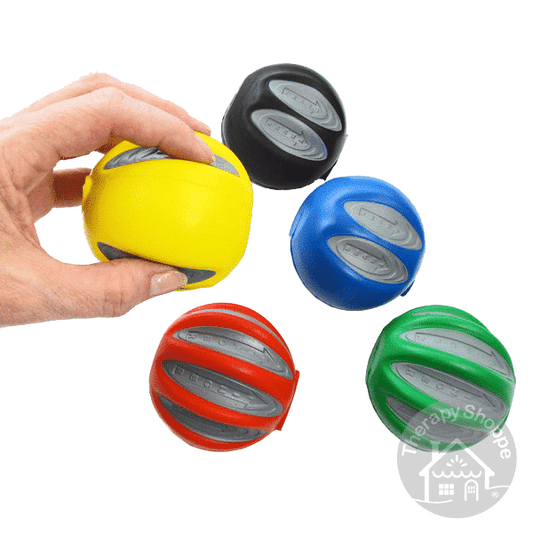
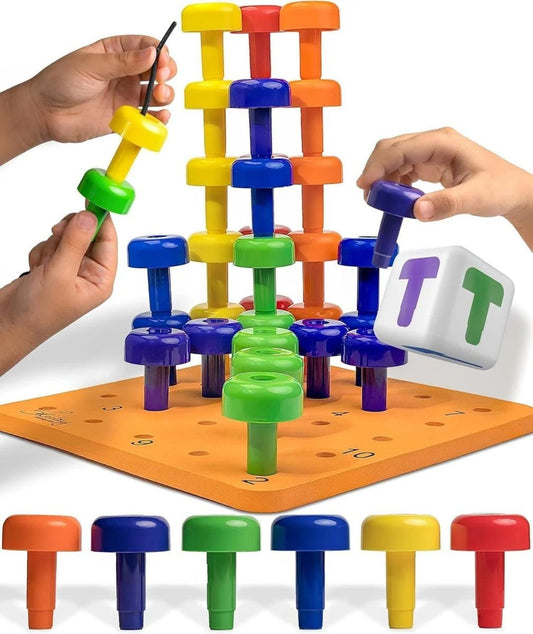
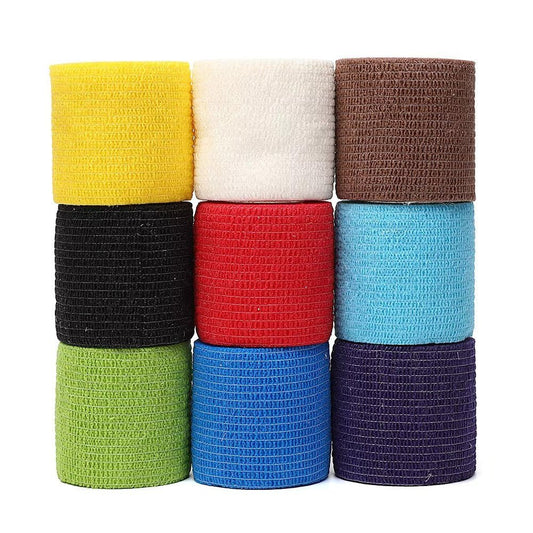
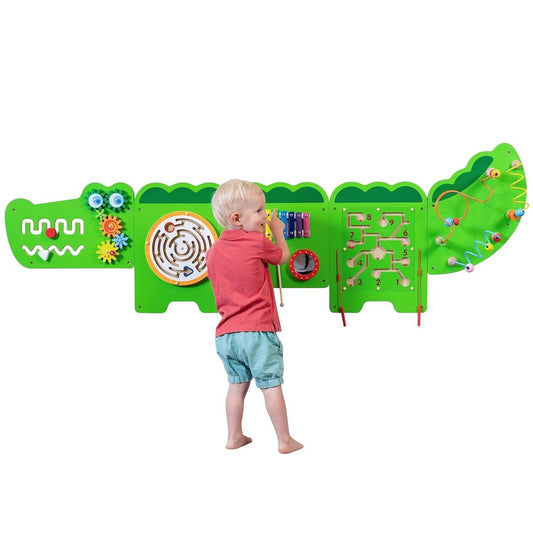
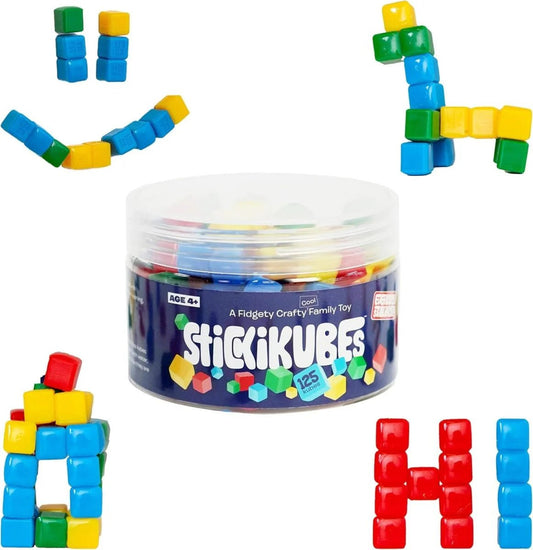
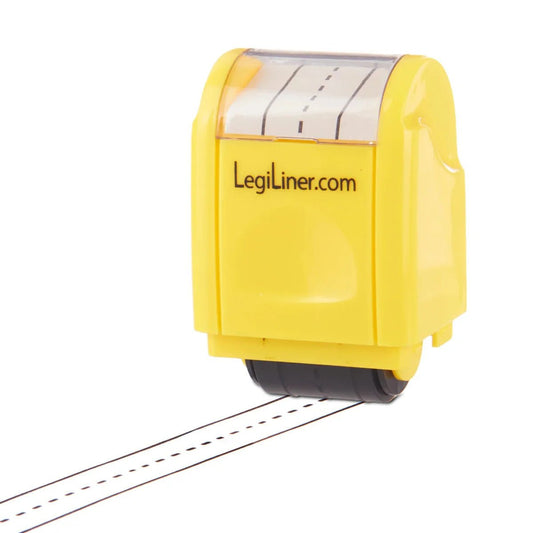
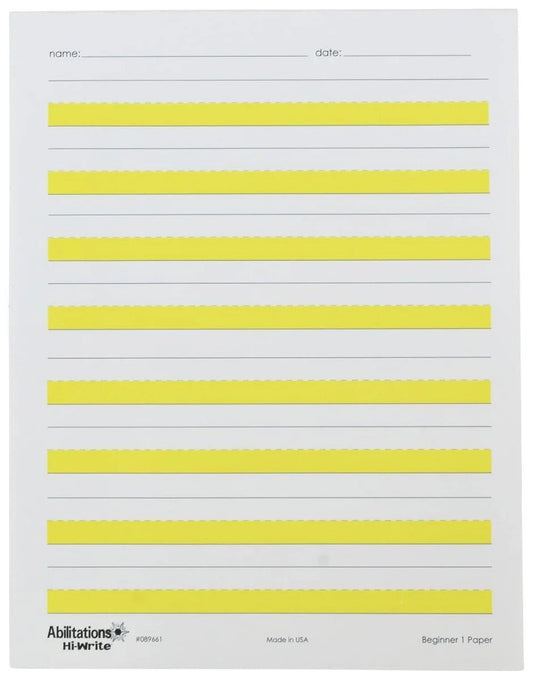
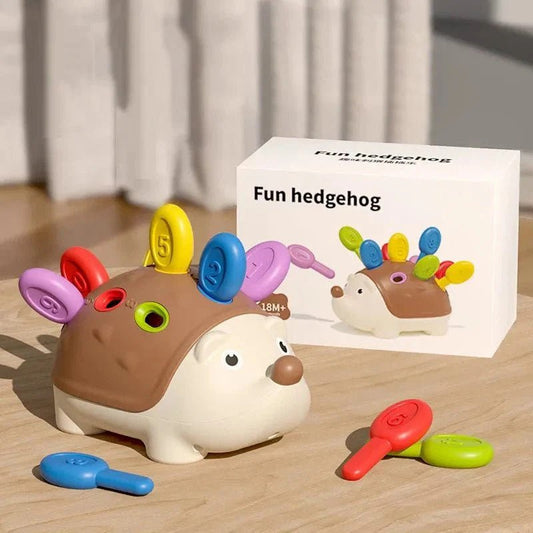
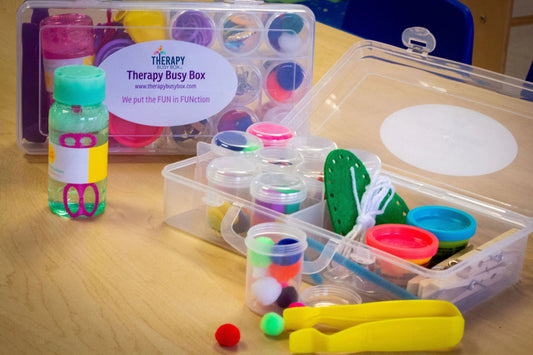
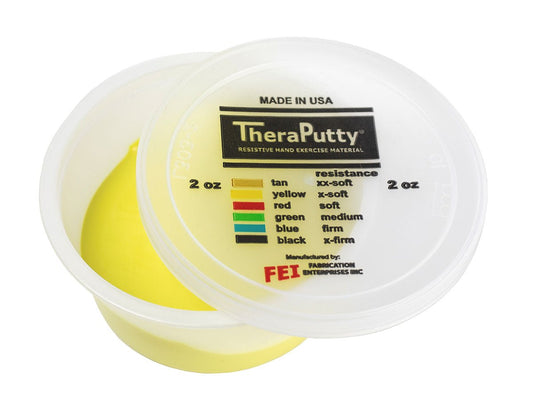
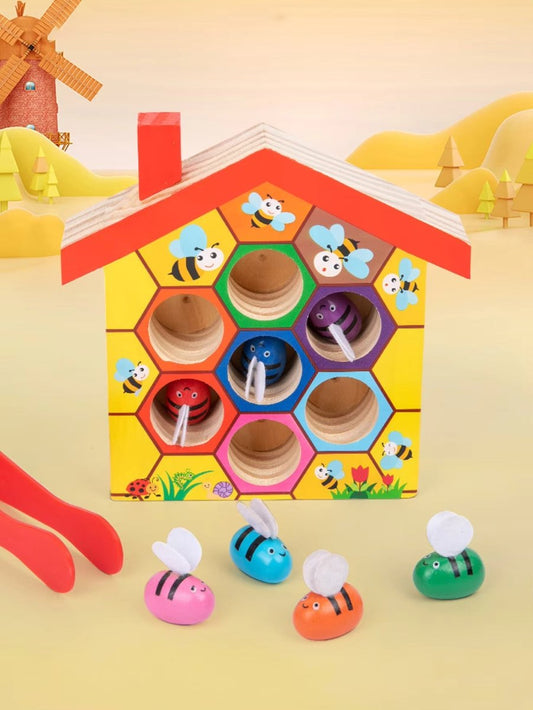
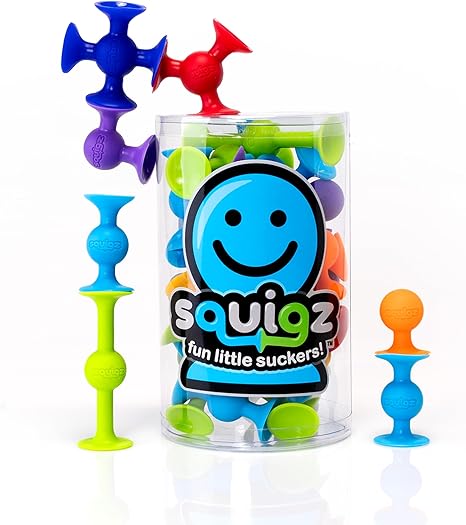
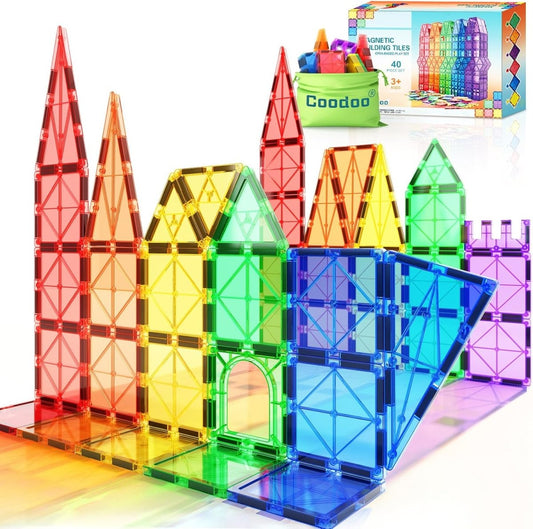
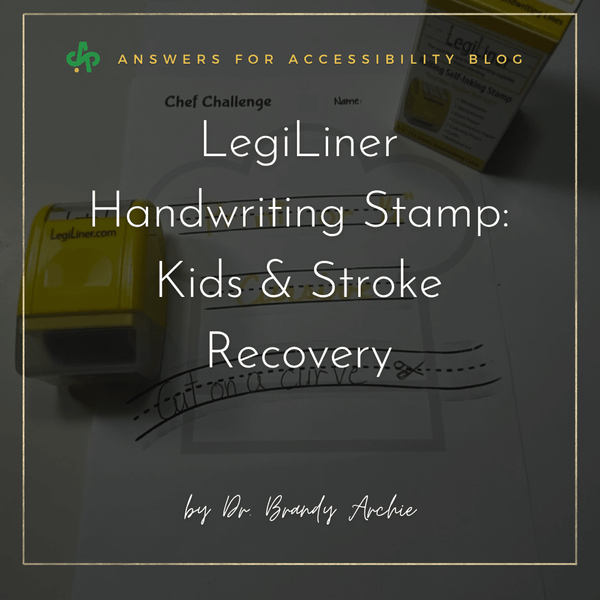
OT-recommended fine motor tools depend on the specific skill being targeted. For grip strength and hand strengthening, theraputty, resistance balls, and squigz suction toys are commonly used. For handwriting readiness, hi-write paper, LegiLiner teacher stamps, and pencil grips support proper letter formation and line awareness. For bilateral coordination and manipulation, stacking pegboards, magnetic tiles, fine motor hedgehogs, and busy boards build the foundational skills needed for writing, dressing, and self-care tasks.
What is a sensory table and what age is it appropriate for?
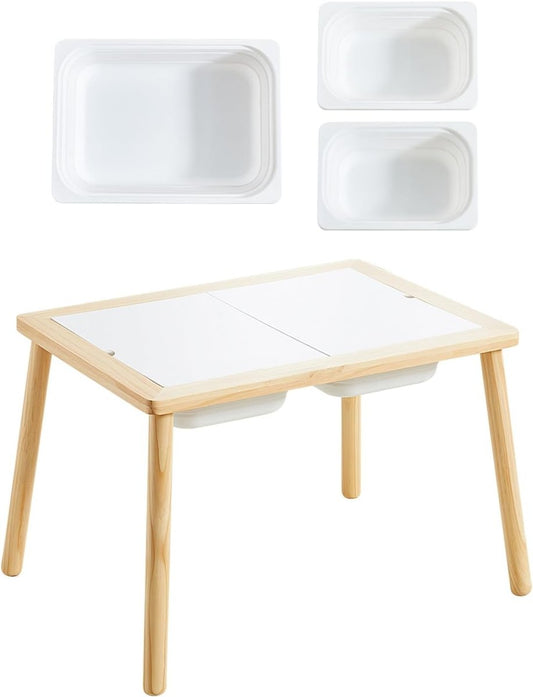
A sensory table is a shallow bin or table-height container filled with tactile materials — sand, water, rice, kinetic sand, or sensory beads — that children explore with their hands. It provides tactile and proprioceptive input that supports sensory processing, fine motor development, language, and imaginative play. Sensory tables are appropriate from toddler age (18 months+) through early elementary, and are widely used in OT, preschool, and home settings. They are particularly beneficial for children who are tactile-seeking or who need structured sensory play to support regulation.
Can a mini trampoline help a child with autism or sensory processing disorder?
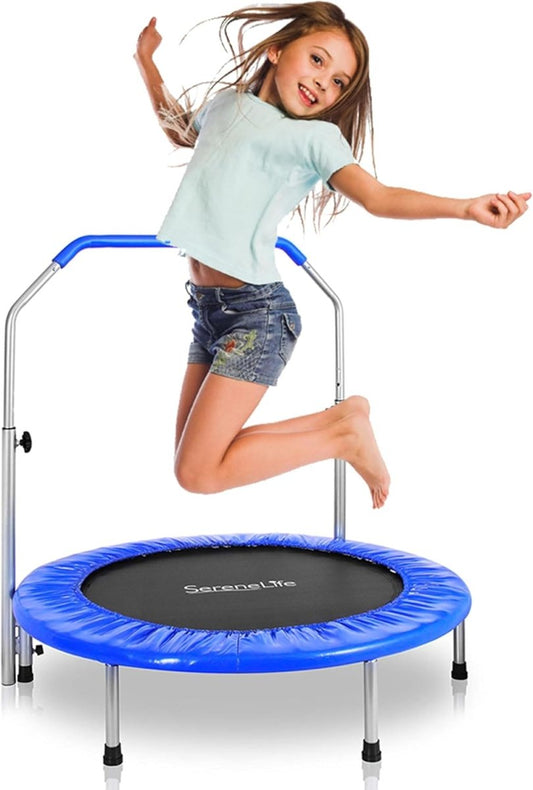
Yes — a portable or foldable trampoline is one of the most effective tools for providing proprioceptive and vestibular input for sensory-seeking children. Jumping activates the joints and muscles in a way that is deeply organizing for the nervous system, making it a go-to “heavy work” activity in sensory diets. Many OTs recommend 5–10 minutes of jumping before demanding tasks (homework, transitions, meals) to help children with autism or ADHD regulate and focus. A foldable trampoline is practical for home use and can be stored easily between sessions.
What handwriting tools help children with dysgraphia or developmental delays?
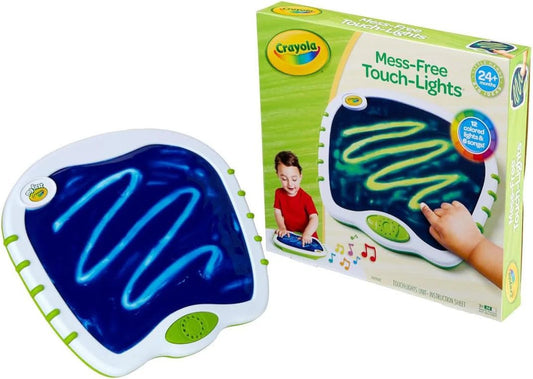
Children with dysgraphia, developmental coordination disorder, or fine motor delays often benefit from structured handwriting supports. OT-recommended tools include hi-write paper (with raised lines that provide tactile feedback for letter sizing), LegiLiner self-inking stamps (that create consistent, customizable handwriting lines on any paper), and light-up drawing tools that make the writing process more engaging. These tools reduce the cognitive and motor load of handwriting by providing clear visual and tactile boundaries, allowing children to focus on letter formation rather than line placement.
What is a visual timer and why do OTs recommend it for kids with autism or ADHD?
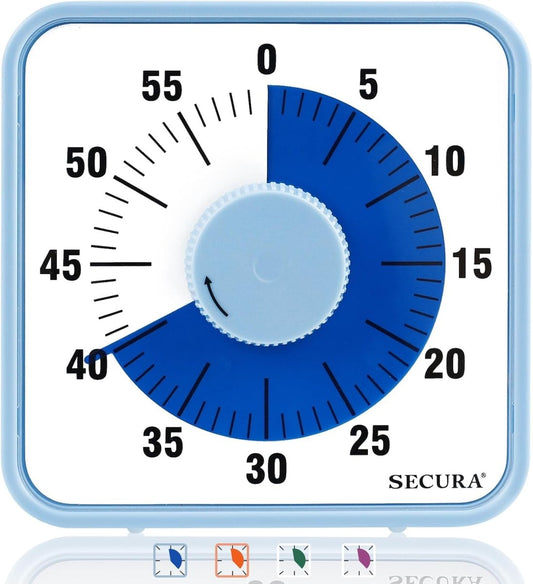
A visual timer — like the Time Timer — shows the passage of time as a disappearing color disk rather than numbers, making abstract time concepts concrete and visible. For children with autism, ADHD, or anxiety, transitions and time limits are a major source of dysregulation. A visual timer reduces meltdowns during transitions by giving children a clear, non-verbal signal of how much time remains. OTs recommend visual timers for homework sessions, screen time limits, sensory breaks, and any routine where time awareness is a challenge.
What sensory tools help with self-regulation in the classroom?
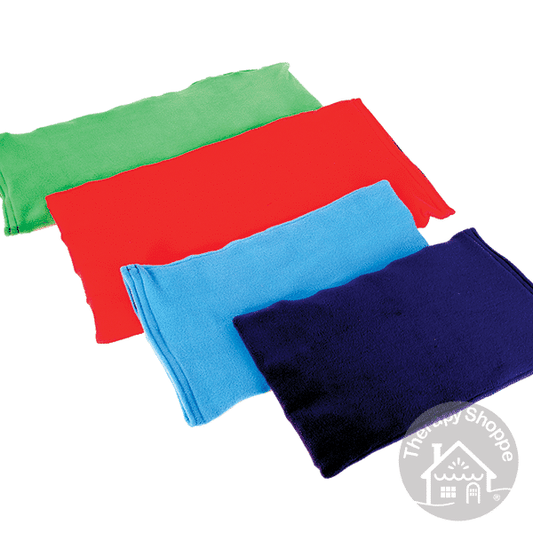
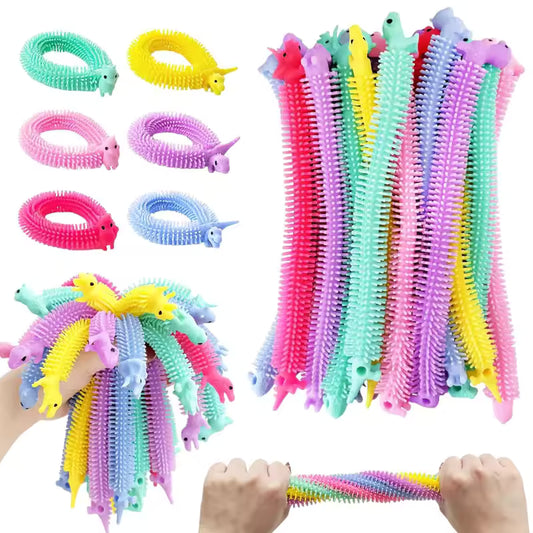
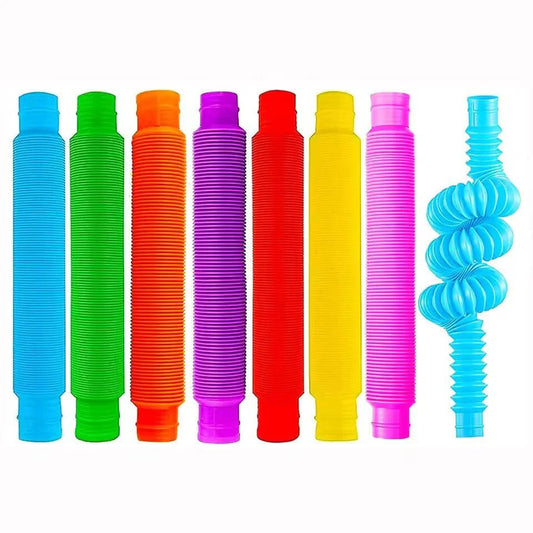
Classroom-friendly sensory tools are discreet, quiet, and non-disruptive. Top OT recommendations include: a wiggle cushion (provides movement input while seated without leaving the chair), a weighted lap pad (calming deep pressure during desk work), fidget stretchy strings or pop tubes (tactile input for hands), noise-reducing earmuffs (for auditory sensitivity during tests or independent work), and a visual timer (for task and transition management). These tools are most effective when introduced with teacher awareness and ideally supported by an IEP or 504 accommodation.
How do I set up a sensory corner or calm-down space at home?
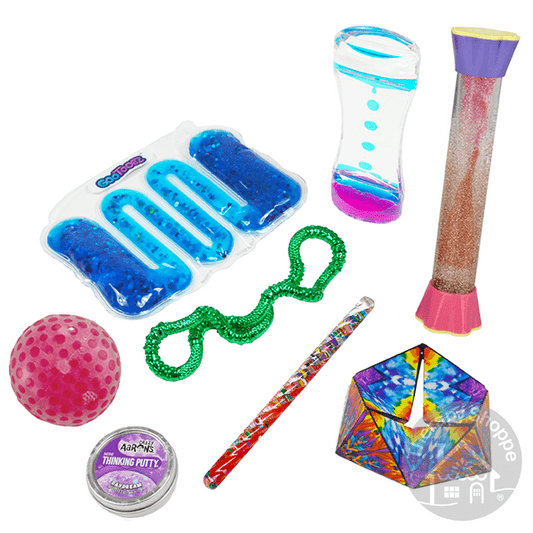
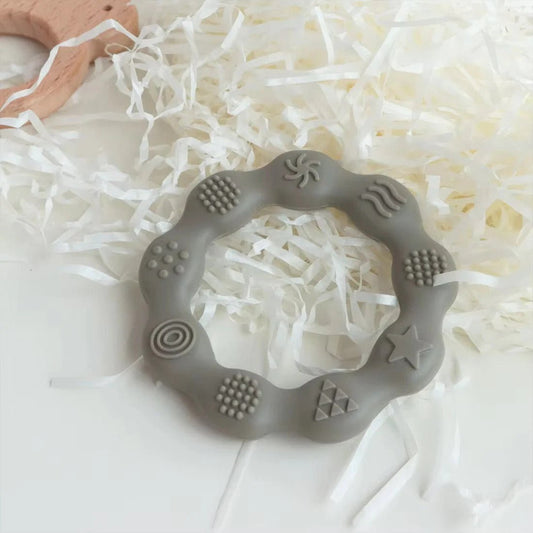
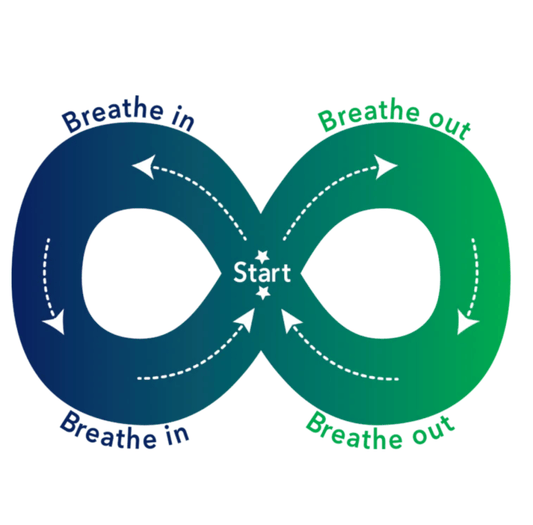
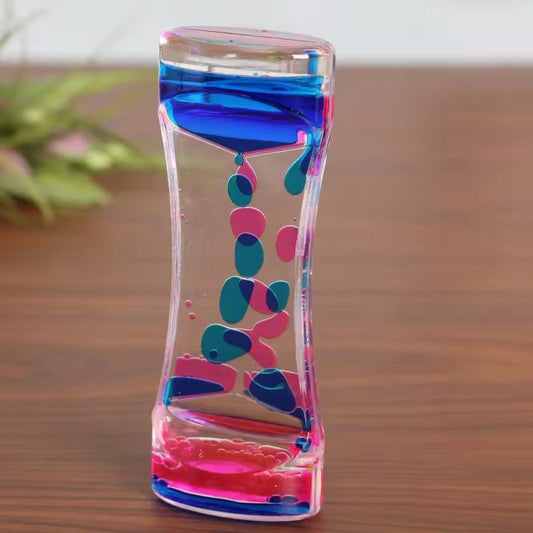
A sensory corner is a designated low-stimulation space where a child can self-regulate when overwhelmed. Key elements include: a blackout sensory tent or enclosed space (reduces visual and auditory input), a crash pad or weighted blanket (deep pressure for calming), a liquid motion bubbler or calming infinity wall graphic (visual stimming tools that promote focus and calm), a sensory swing if space allows, and a small selection of preferred fidgets or chew toys. The goal is a predictable, child-controlled space the child associates with safety and calm — not a punishment space. OTs can help design a sensory corner tailored to your child’s specific regulatory needs.