Spinal Fusion & Back Surgery Recovery — Equipment & Home Safety Products
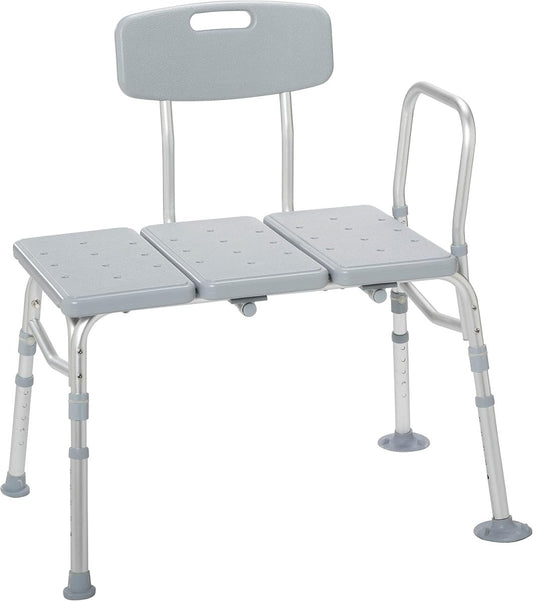
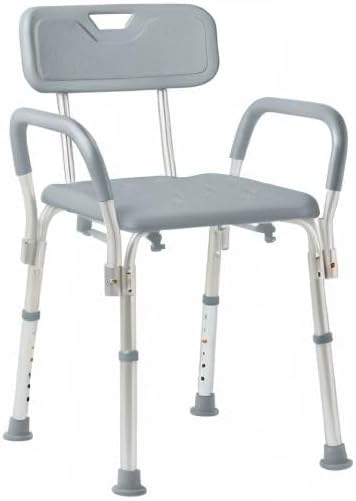
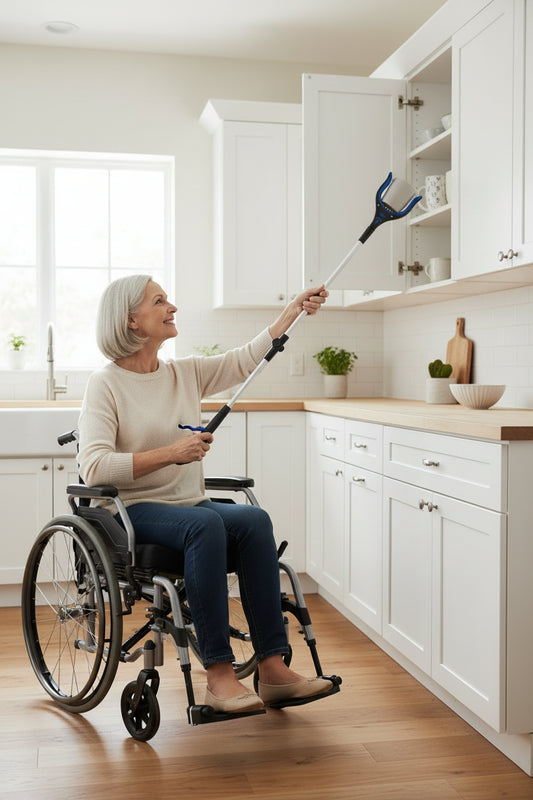
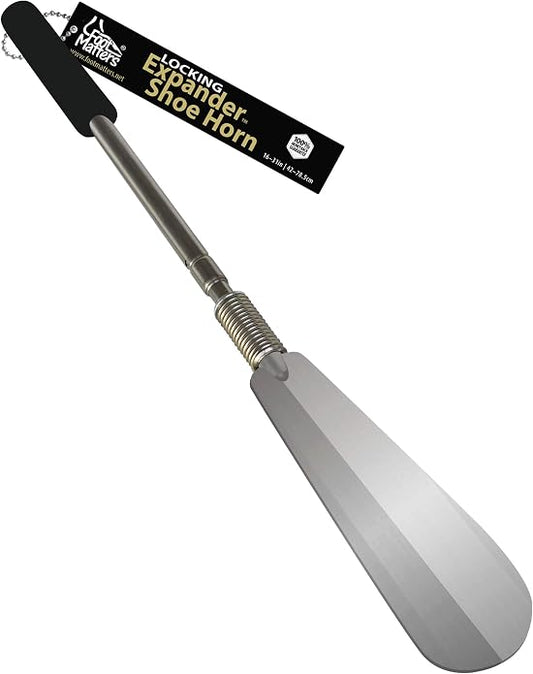
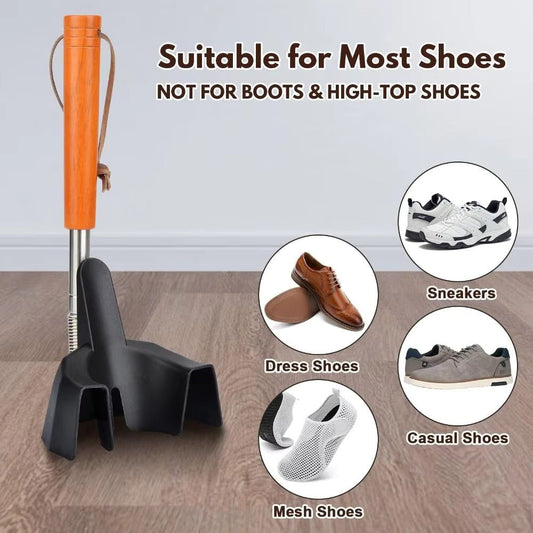
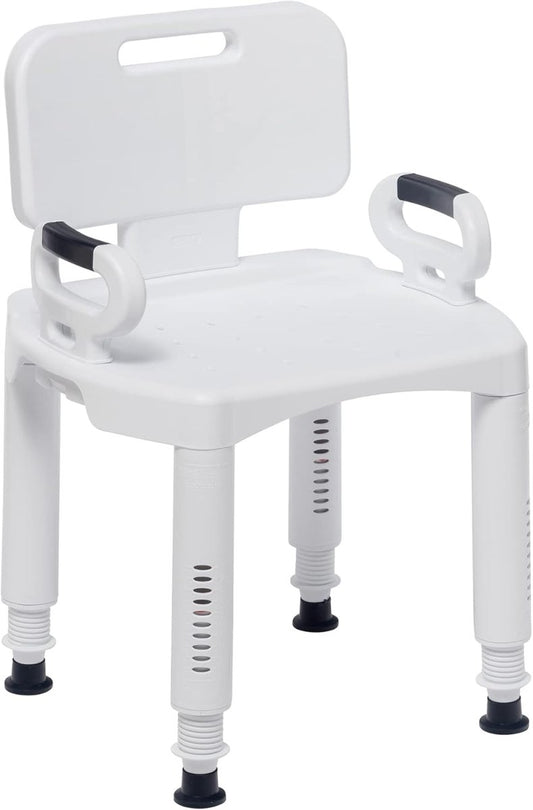
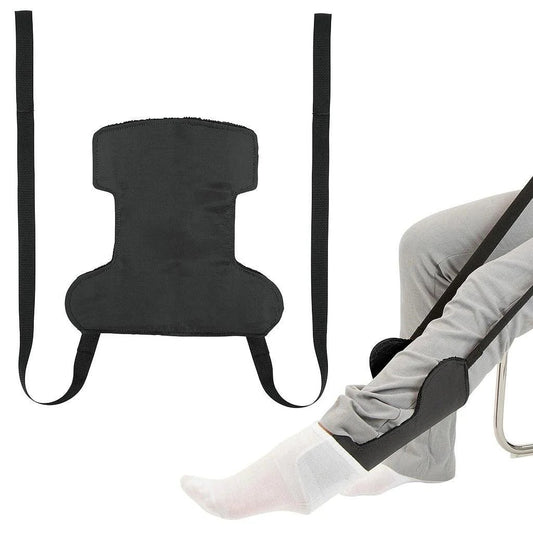
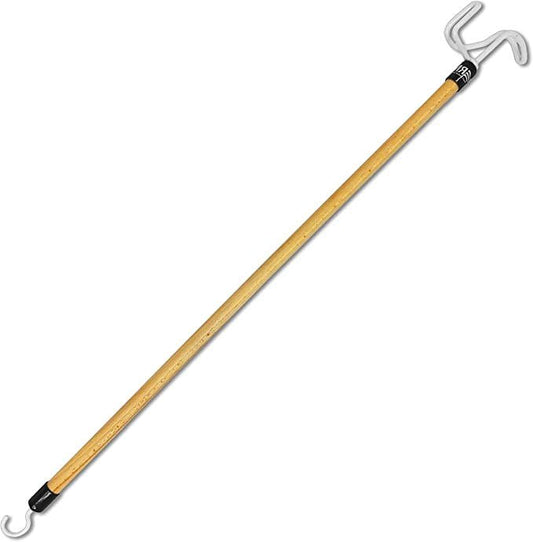
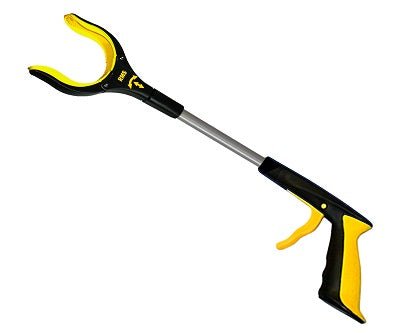
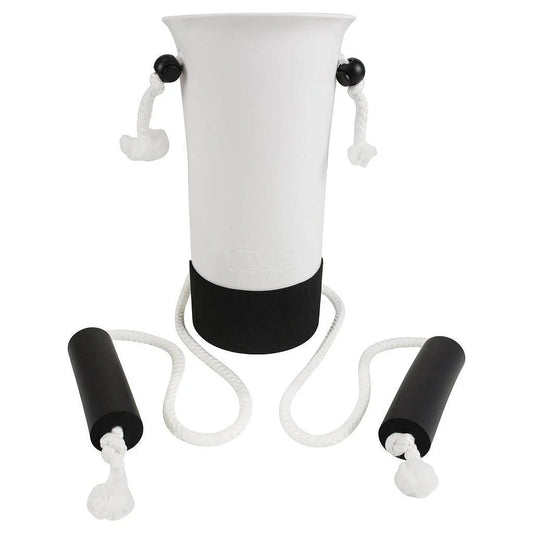
What do I need at home after spinal fusion or back surgery? A raised toilet seat, a shower chair or tub transfer bench, a reacher and dressing stick for anything below the waist, and a bed setup you can get out of without twisting. Spinal precautions restrict bending, twisting, and lifting, so the tools have to do the reaching for you. For the full room-by-room checklist, the first 48 hours at home, and what insurance will and will not cover, see our guide to coming home from the hospital.
Spinal fusion and back surgery patients are typically discharged within 1–4 days and arrive home with strict spinal precautions that affect nearly every movement in daily life. Unlike hip or knee surgery, spinal precautions impact the entire body — how you get out of bed, how you sit, how you reach, how you bathe, and how you get dressed. Your home needs to be ready before you arrive.
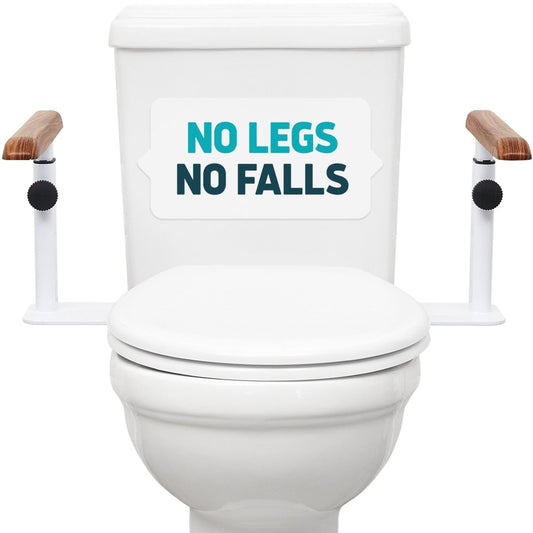
A post-operative rehabilitation guide published by the American Academy of Orthopaedic Surgeons (AAOS) highlights that setting up structural modifications — elevated seating, reachers, and bathroom safety grab bars — is essential to maintain spinal alignment and prevent accidental bending or twisting that can damage the surgical site.
What Spinal Precautions Restrict After Surgery
Spinal precautions restrict movements you do dozens of times a day without thinking:
- No bending forward at the waist — reaching the floor, putting on socks and shoes, and picking up objects all require adaptive tools
- No twisting the spine — rolling over in bed, getting in and out of a car, and reaching across the body all require technique and equipment
- No lifting beyond prescribed weight limits — carrying laundry, groceries, or even a full coffee pot may be prohibited in early recovery
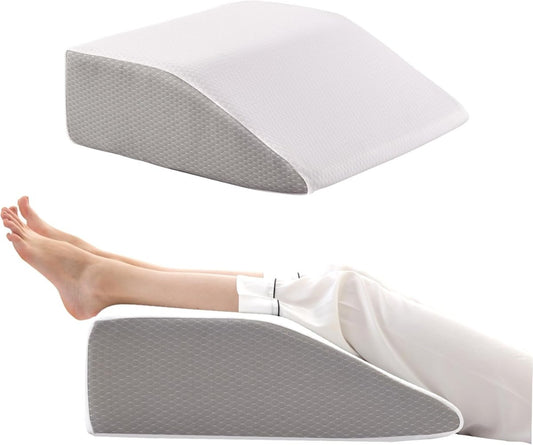
- Prolonged sitting is restricted — getting on and off standard-height chairs and toilets safely requires support and proper seat height
Why Fall Prevention Is Critical After Spinal Fusion
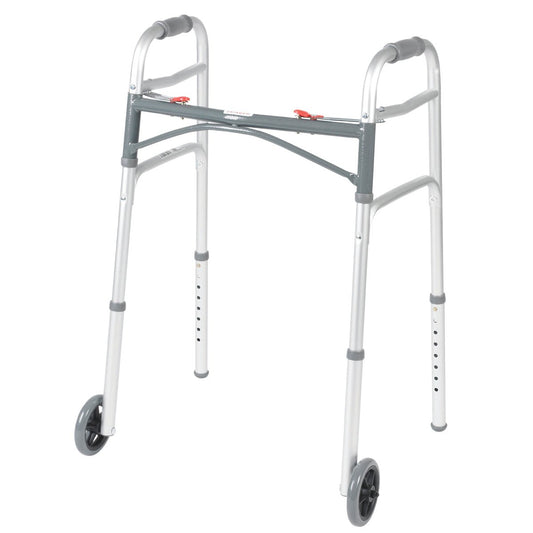
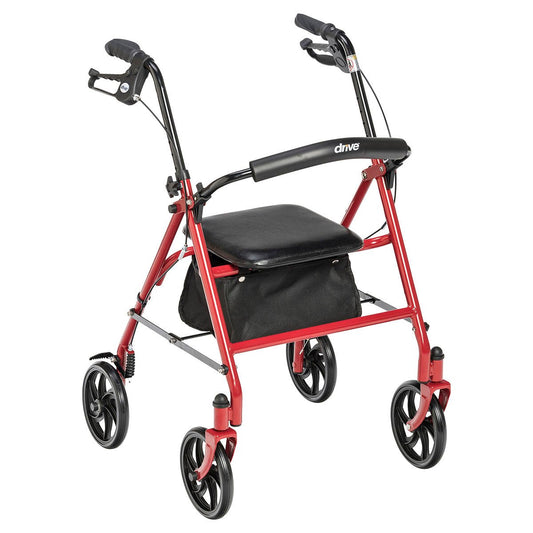
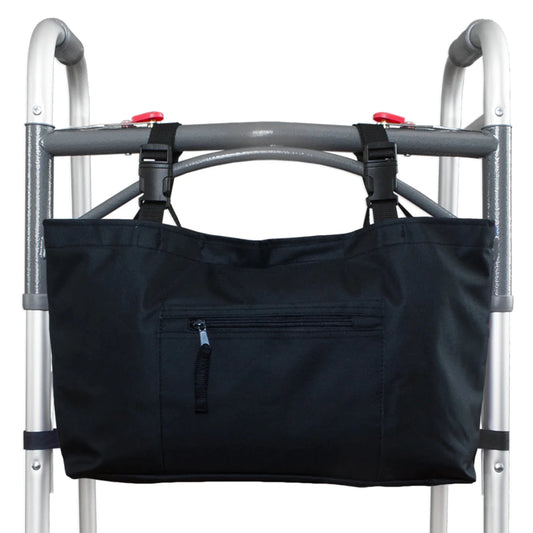
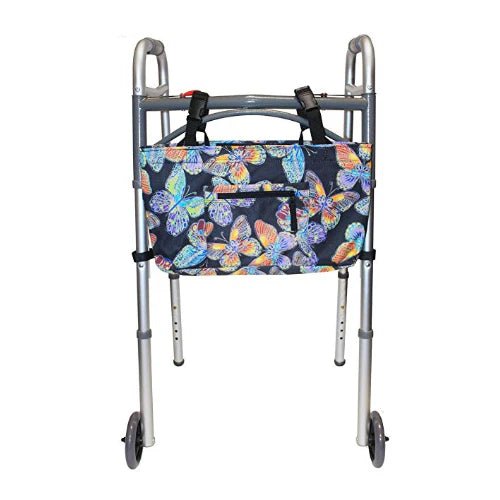
Spinal fusion temporarily compromises core strength and balance, significantly increasing fall risk during early recovery. A fall can damage the surgical site and require revision surgery. Grab bars, a shower chair, a bed rail, and a walker or cane provide the stability needed to move safely through your home until strength returns.
OT-Recommended Recovery Equipment, Curated for You
Every product in this collection has been hand-selected by home safety Occupational Therapy Practitioners (OTPs) to support safe, confident recovery from day one. Order at least 2 weeks before your surgery date so everything is installed and ready when you arrive home.
All products
29 products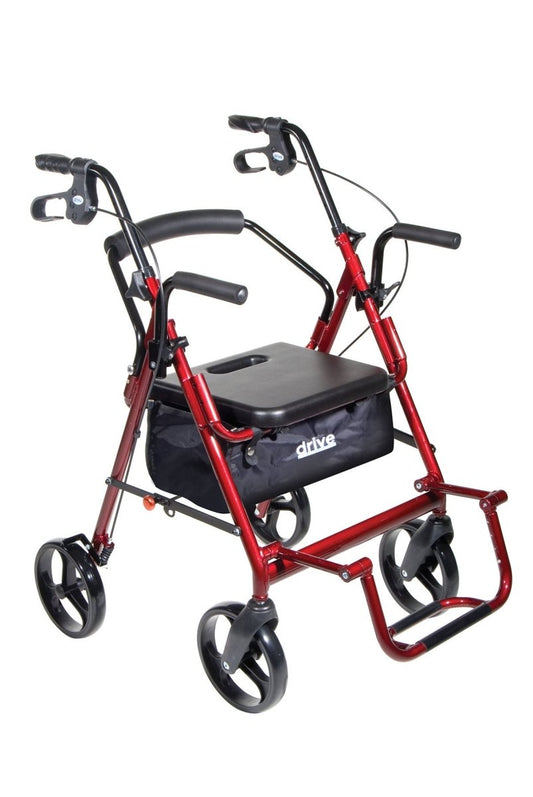

Show all 29Show fewer



Found what helps but need funding?
We've got options to make this affordable.
Related collections


Why you need an OT
An occupational therapist helps you stay independent, manage conditions, and set up a home that supports you. Find out how they can help, virtually or in person.
Read why you need an OT →