Bedroom Safety Products for Seniors
OT-recommended tools that make getting in and out of bed safer, alert caregivers before a fall, and light the way at night, grouped by need so you can find what you need fast.
More falls happen getting into and out of bed than almost anywhere else in the home. According to the National Council on Aging (NCOA), falls are the leading cause of injury among adults 65 and older, and the bedroom carries a specific set of risks: a mattress that sits too high or too low, no stable handhold at the edge of the bed, a dark path to the bathroom, and a caregiver who has no way of knowing someone got up until it is too late.
The Most Dangerous Moments in the Bedroom for Older Adults
- Sitting up and swinging the legs over the edge: blood pressure drops on rising, and dizziness in those first few seconds is a common cause of falls
- Standing up from the edge of the bed: without a rail or a firm handhold, most people pull on a nightstand or a headboard that was never built to hold weight
- Getting into a bed that sits too high: a high mattress turns going to bed into a climb, and a household step stool is not a safe answer
- Walking to the bathroom at night: low light, grogginess, and an unlit path account for a large share of nighttime falls
- Getting up without help: for someone with dementia or a post-surgical weight-bearing restriction, the fall often happens before anyone knows they are up
- Reaching for something on the nightstand: twisting and leaning from a seated position on a soft mattress puts people off balance
Bed Alarm vs Bed Rail: Which Do You Need?
These two products solve different problems, and the most common mistake is buying one when the situation calls for the other.
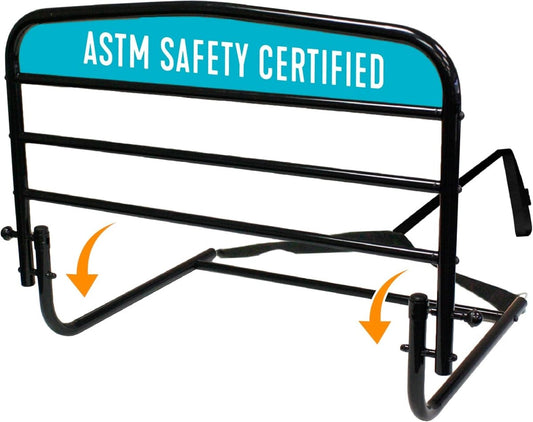
- Choose a bed rail when the person needs a stable handhold for transfers, repositioning, or confidence getting in and out of bed. A rail is physical support.
- Choose a bed alarm when the person gets up without help, has dementia, forgets the care plan, or needs caregiver monitoring overnight. An alarm is supervision and response time.
- Choose both when the person needs physical support at the bedside and the caregiver also needs to know the moment they are getting up.
- Do not use bed rails as restraints. For someone who may climb over a rail or become confused by it, a pressure mat, a bed exit sensor, or an under-the-sheet foam bumper is the safer choice.
Most Effective Bedroom Safety Products for Older Adults
Occupational therapists approach the bedroom as a sequence rather than a single hazard, addressing the transfer, the path, and the caregiver alert together instead of one at a time. The bedroom safety products OTs recommend most include:
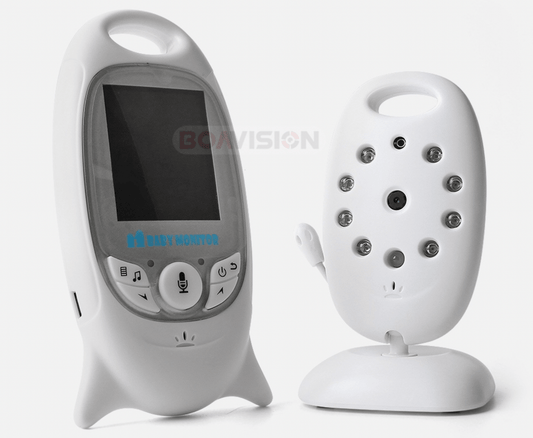
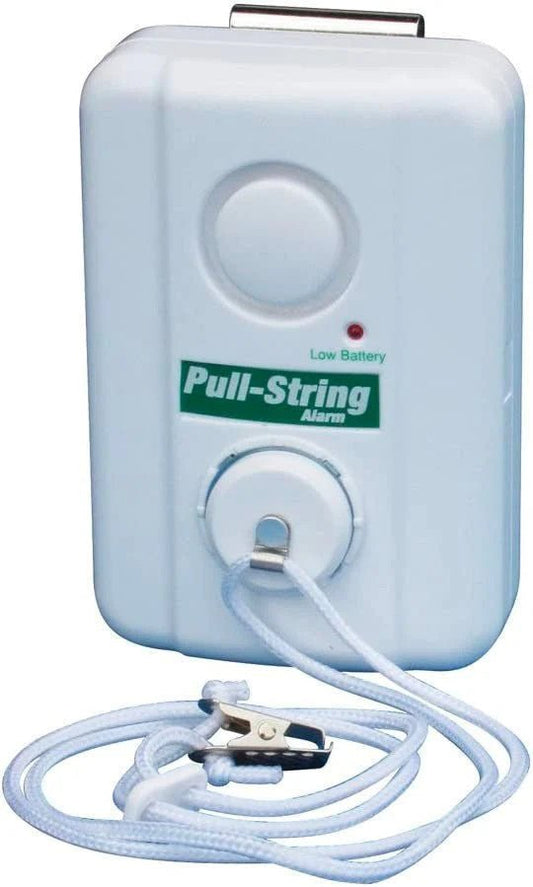
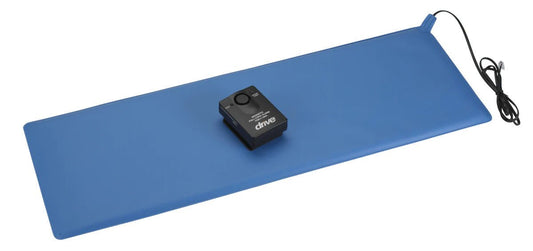
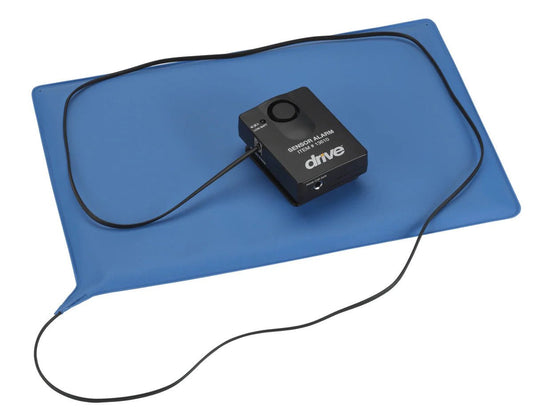
- Bed exit alarms and pre-exit sensors: alert a caregiver when someone starts to get out of bed, with early-alert models signaling before the person is already standing
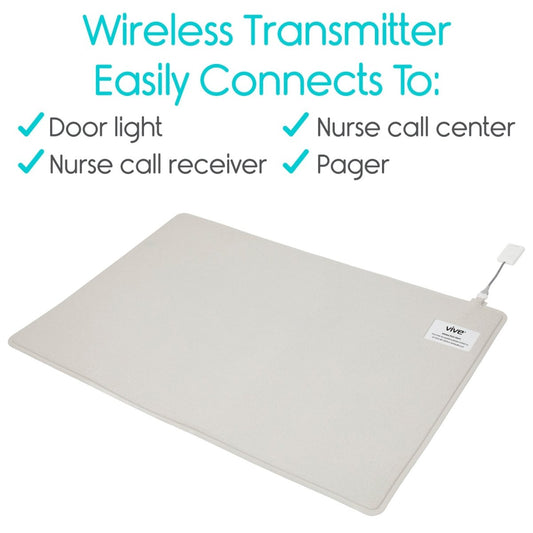
- Pressure mats with chimes: an unobtrusive floor-level alert for people who would pull off a clipped sensor
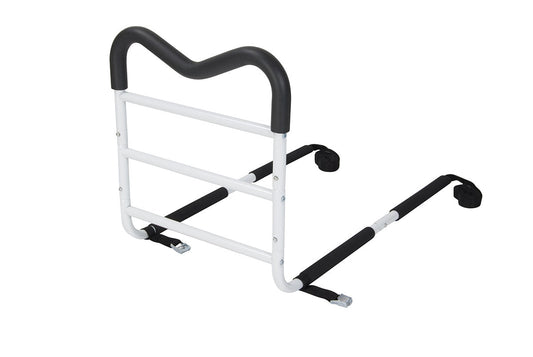
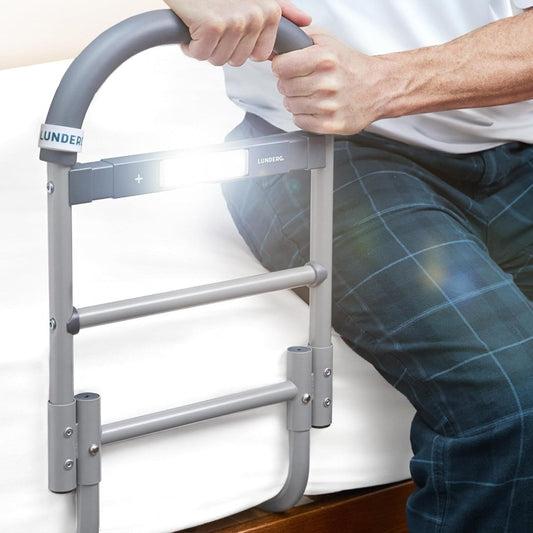
- Bed assist rails: a firm handhold at the edge of the mattress for sitting up, standing, and repositioning
- Under-the-sheet bed bumpers: a soft edge cue for people who roll toward the side of the bed, without the entrapment risk of a rigid rail
- Bed steps: a wide, stable platform that shortens the climb into a high bed
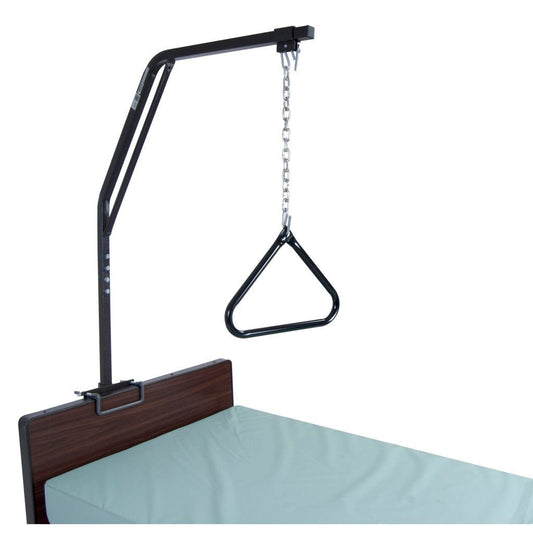
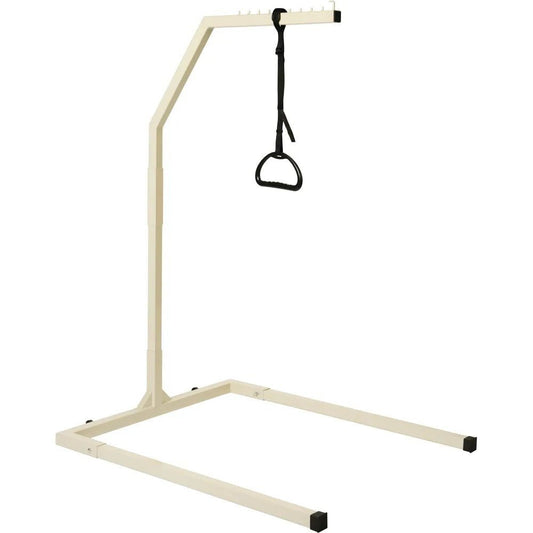
- Trapeze bars: overhead support for repositioning in bed when arm strength is better than leg strength
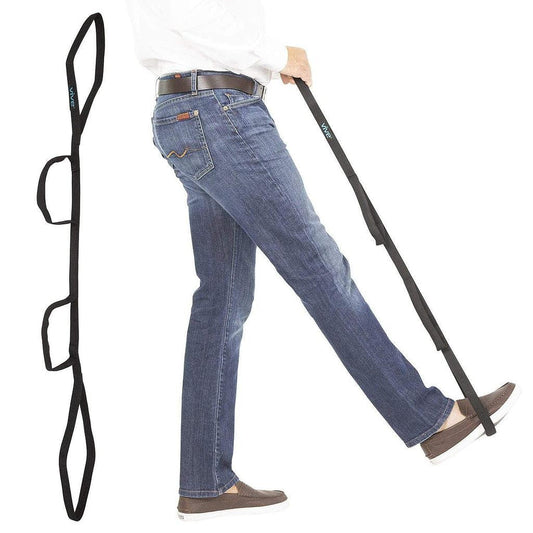
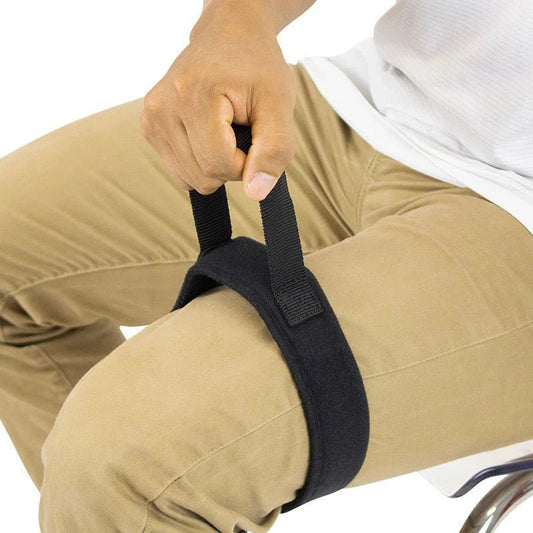
- Leg lifters: a strap that helps move a weak or painful leg onto the mattress without twisting
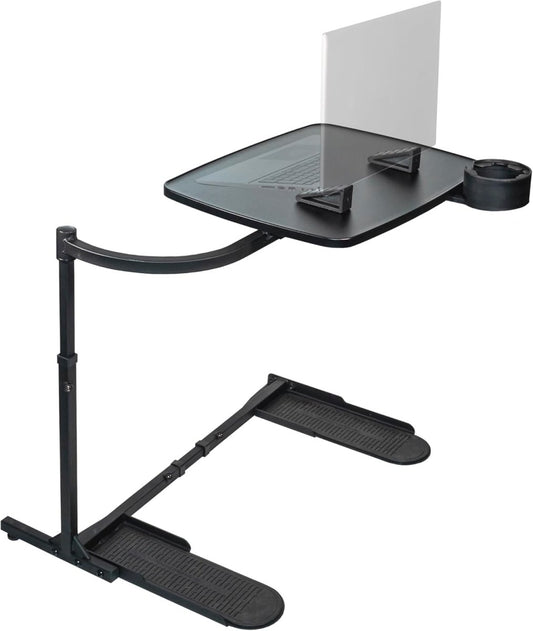
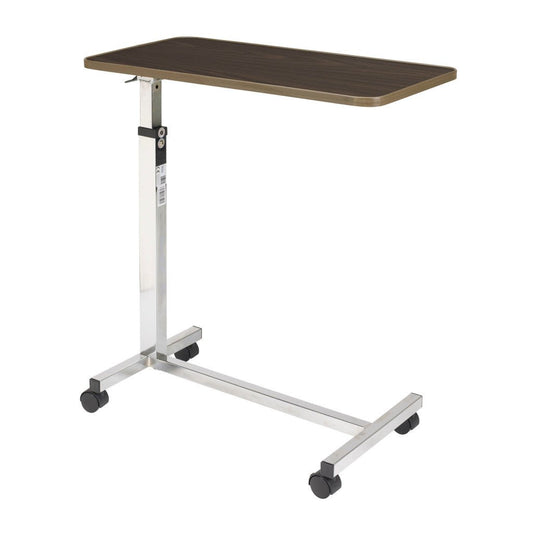
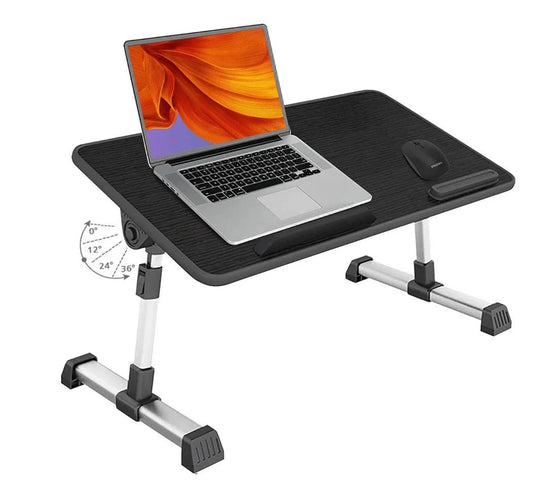
- Overbed and bedside tables: keep water, medication, glasses, and a phone within reach so nobody has to get up or lean
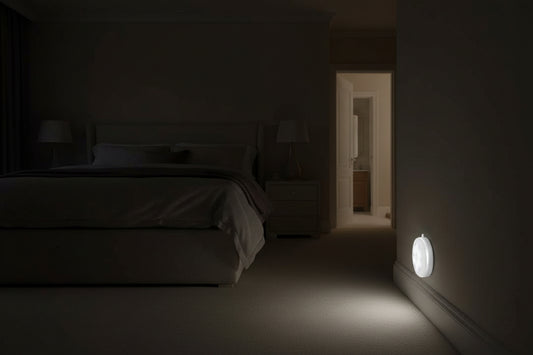
- Motion sensor night lights: light the path to the bathroom automatically, without fumbling for a lamp switch
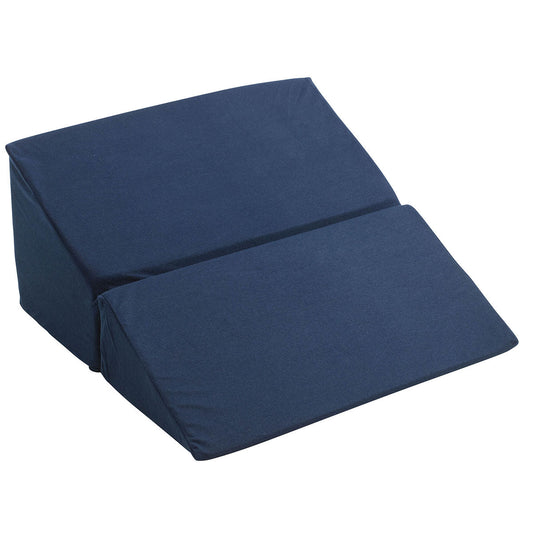
- Bed wedges: elevate the head for easier breathing or the legs to reduce swelling, more safely than a stack of pillows
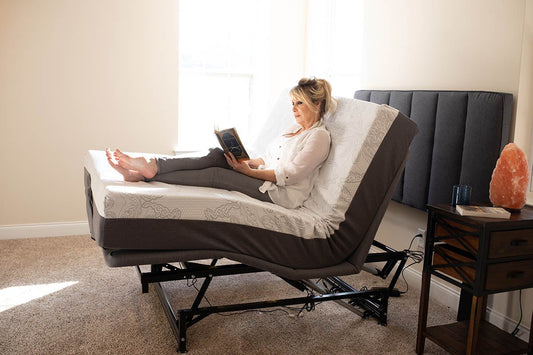
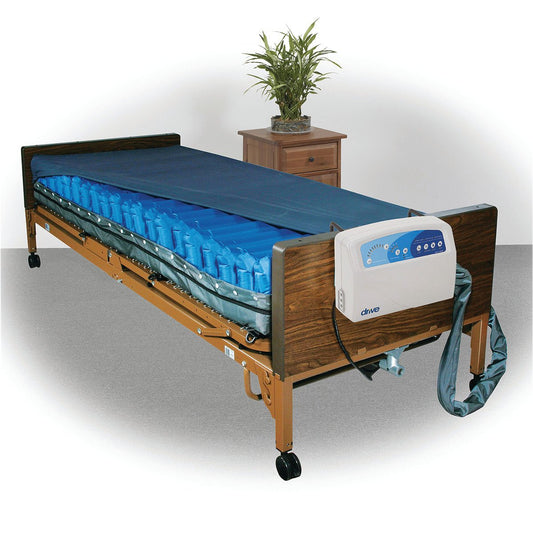
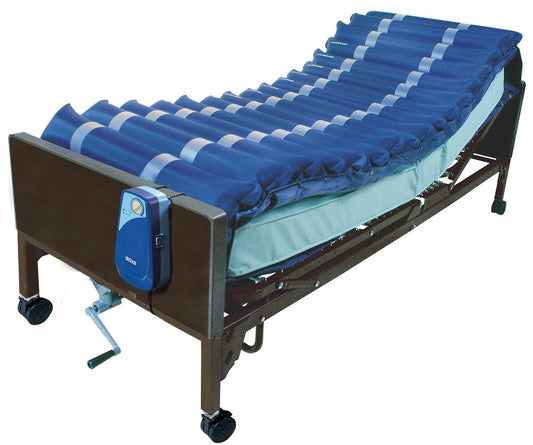
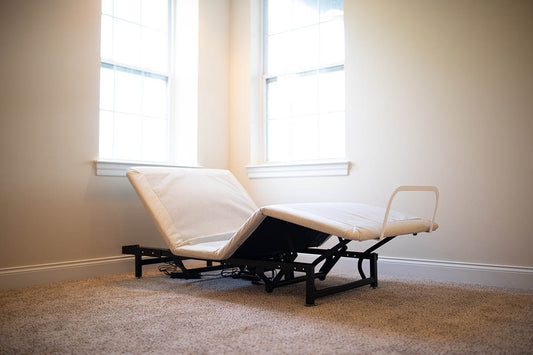
- Adjustable and hi-lo beds: raise and lower the sleep surface so transfers happen at the right height for the person and the caregiver
How Occupational Therapists Think About Bedroom Safety
An OT walks through the actual sequence of getting up rather than looking at the room as a whole. Run this checklist on the person you care for and the gaps become obvious:
- Can they sit up on the edge of the bed without dizziness?
- Can they stand without pulling on furniture that could tip?
- Is the bed too high to sit down onto, or too low to rise from?
- Is there a clear, lit path to the bathroom?
- Are water, medication, glasses, and a phone within reach from the bed?
- Does the caregiver need an alert when the person gets up?
- Are bed rails being used as transfer support, not as a restraint?
OT-Curated Bedroom Safety Products
Every product in this collection has been curated by licensed Occupational Therapy Practitioners to support safer transfers, better nighttime visibility, and independence at the bedside. These are the tools OTs recommend most for aging in place, dementia care, and recovery after surgery or a stroke, chosen for clinical effectiveness, durability, and ease of use at home.
Bed Alarms & Caregiver Alerts
8 products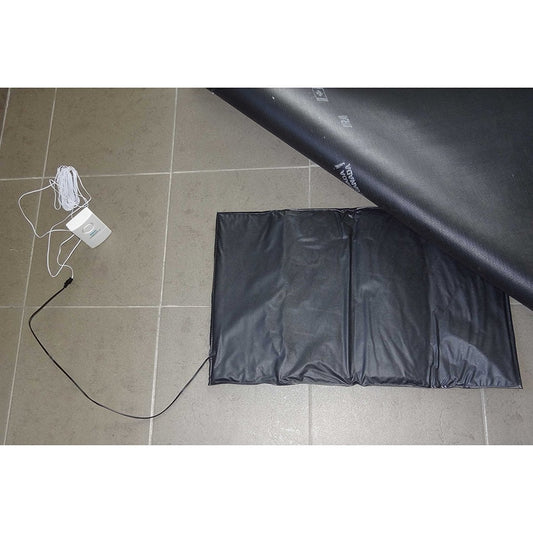

Show all 8 in Bed Alarms & Caregiver AlertsShow fewer
Bed Rails & Transfer Support
6 products
Show all 6 in Bed Rails & Transfer SupportShow fewer
Getting In & Out of Bed
5 products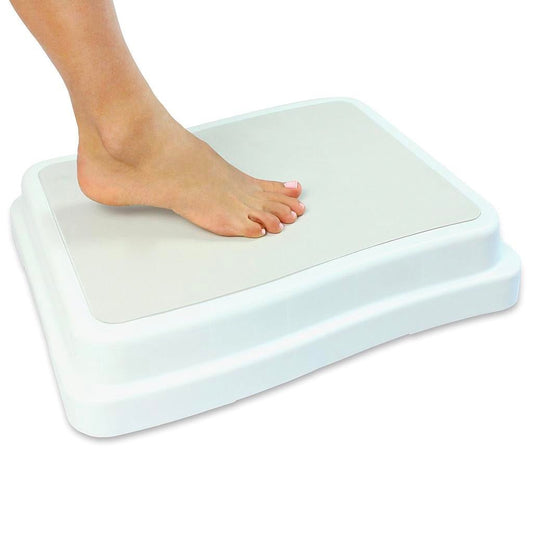

Show all 5 in Getting In & Out of BedShow fewer
Bedside Independence
6 products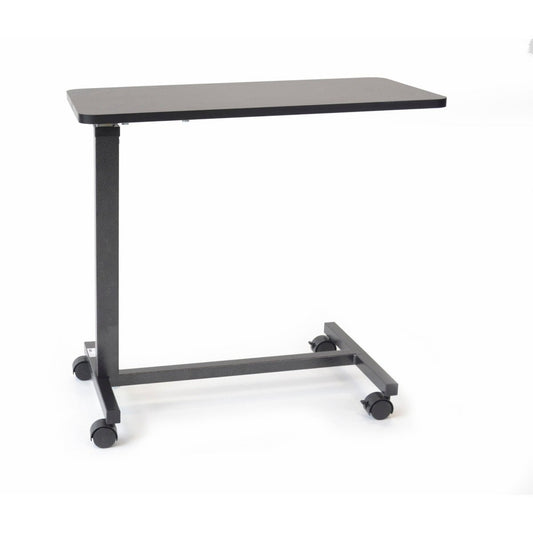
Show all 6 in Bedside IndependenceShow fewer
Adjustable Beds & Mattresses
6 products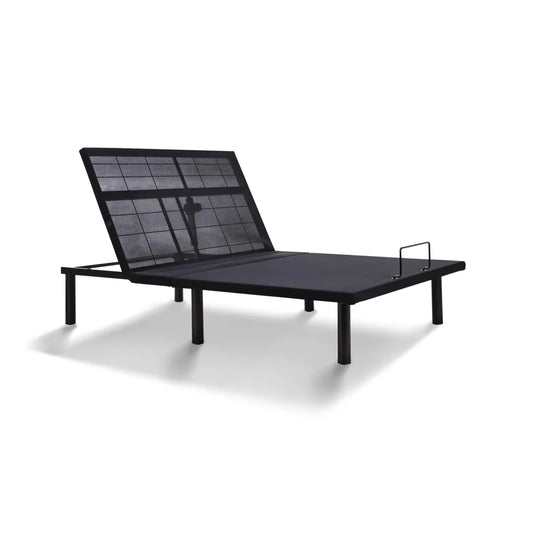
Show all 6 in Adjustable Beds & MattressesShow fewer
Comfort & Positioning
3 products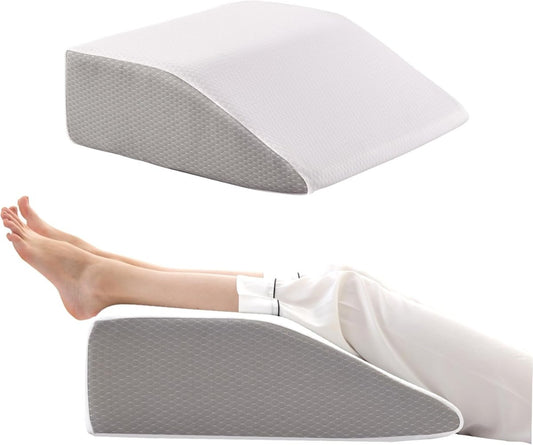
Nighttime Lighting
3 products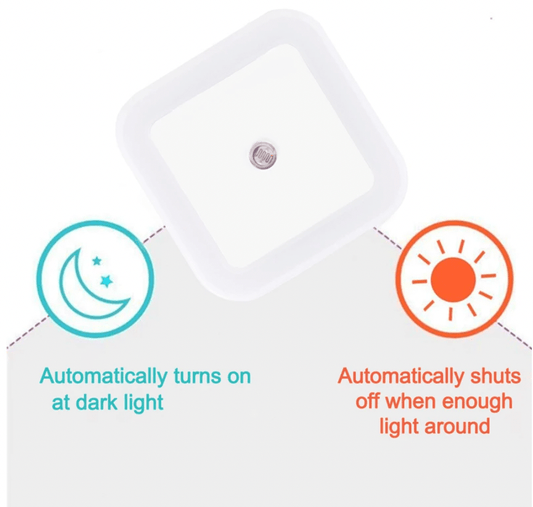
Found what helps but need funding?
We've got options to make this affordable.
Related collections



Why you need an OT
An occupational therapist helps you stay independent, manage conditions, and set up a home that supports you. Find out how they can help, virtually or in person.
Read why you need an OT →Dive deeper with these articles