What home safety products are most important for someone with dementia?
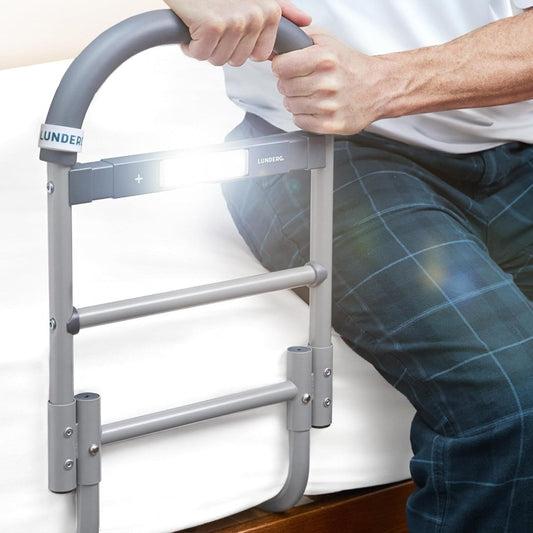
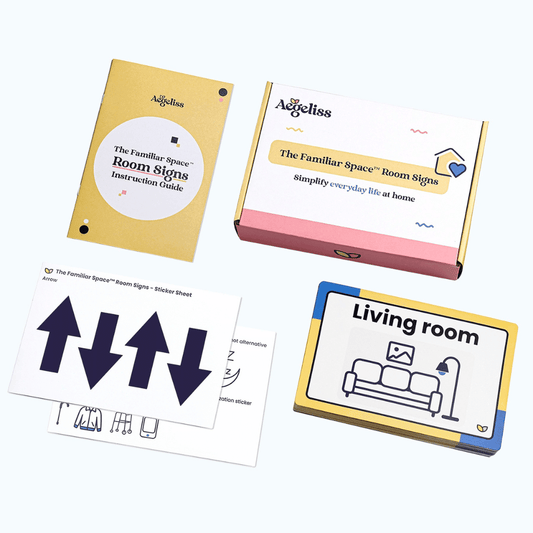
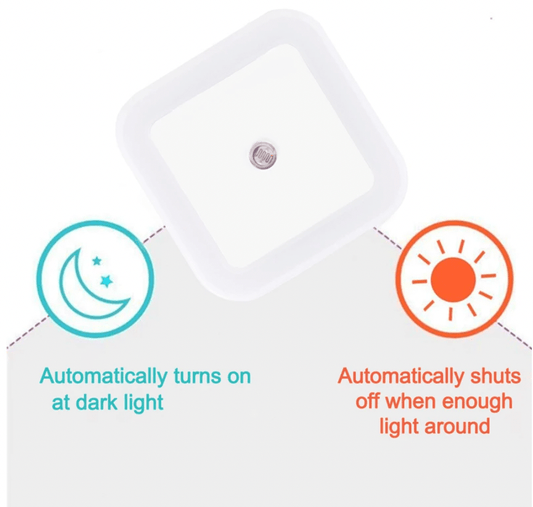
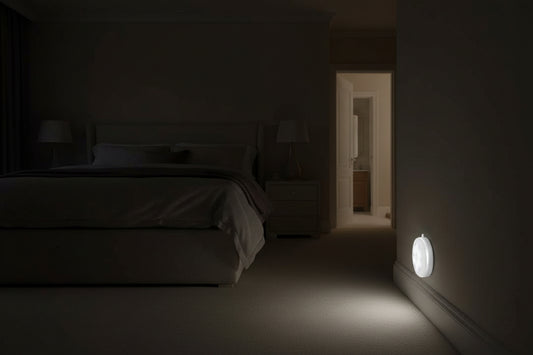
The highest-priority home safety products for dementia care are those that address the most common causes of injury and hospitalization: fall prevention and wandering. Essential items include motion-sensor night lights (for safe nighttime navigation), door alarms and door guardian locks (to prevent unsupervised exits), grab bars and shower chairs (for bathroom safety), bed alarms, and stove auto-shutoff devices (to prevent kitchen accidents). Occupational therapists recommend a home safety assessment to identify which risks are most urgent for your specific situation. An adaptive living article published by the National Institute on Aging (NIA) details that setting up customized safety checkpoints—such as automatic lighting sensors, appliance safety switches, and clear behavioral labels—works room-by-room to isolate hazards and prevent severe household accidents.
How do I prevent someone with dementia from wandering?
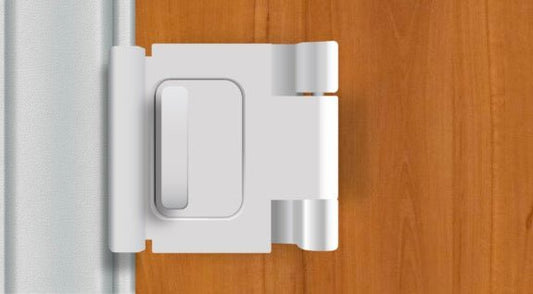
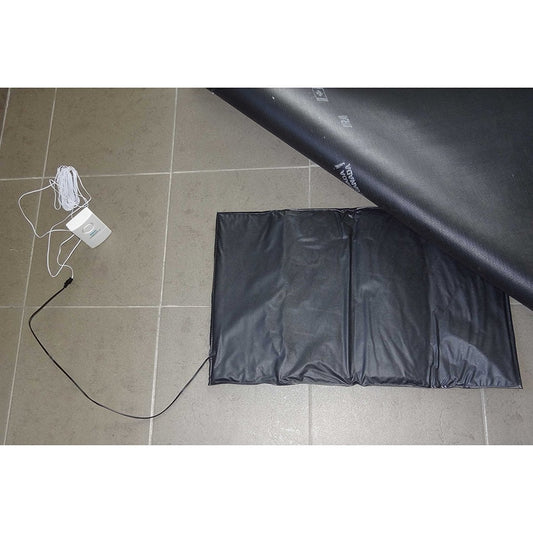
Wandering is one of the most dangerous and common behaviors in mid-to-late stage dementia. Effective prevention strategies include: installing door guardian locks or high-mounted deadbolts that are out of the person's visual field, using door alarms that alert caregivers when exits are opened, placing visual barriers (like dark mats or “STOP” signs) near doors, and using bed exit alarms to detect nighttime movement before it becomes a wandering incident. A retractable safety gate can also restrict access to stairs or specific rooms.
What are the best products for dementia caregivers?
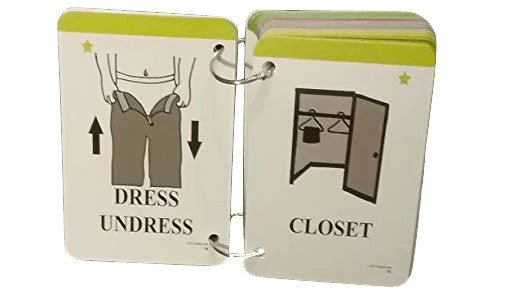
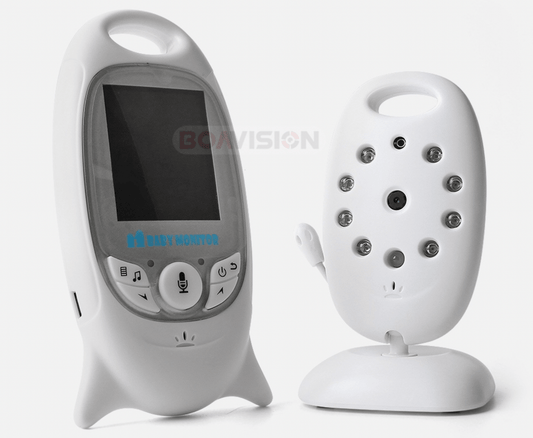
The most impactful products for dementia caregivers reduce supervision burden and physical strain. Top recommendations include: an automatic pill dispenser (eliminates medication management stress), a day clock (reduces repeated questions about the time and date), a visual monitor with two-way audio (allows remote supervision), a door guardian lock (prevents unsupervised exits), caregiver communication cards (supports interaction when verbal communication becomes difficult), and adaptive tableware in high-contrast colors (supports independent eating with less assistance needed).
Why is bathroom safety so important for people with dementia?
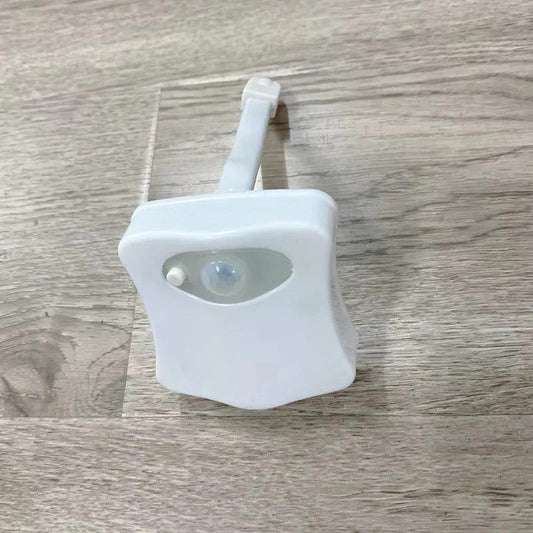
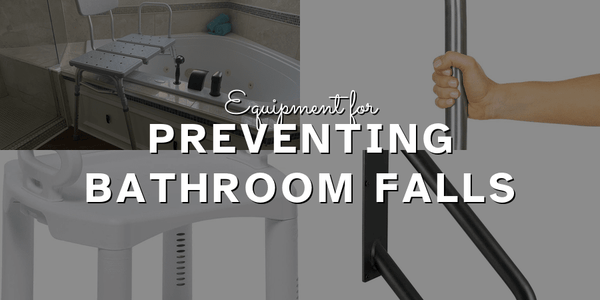
The bathroom is the highest-risk room in the home for people with dementia. Wet surfaces, depth perception changes, and disorientation combine to make falls extremely likely — and dementia is one of the leading risk factors for fall-related hospitalization. Essential bathroom safety measures include a shower chair or tub transfer bench, grab bars near the toilet and in the shower, non-slip mats, and a toilet bowl motion light for nighttime use. These modifications reduce both fall risk and the physical demands on caregivers during bathing and toileting assistance.
What color tableware is best for people with dementia?
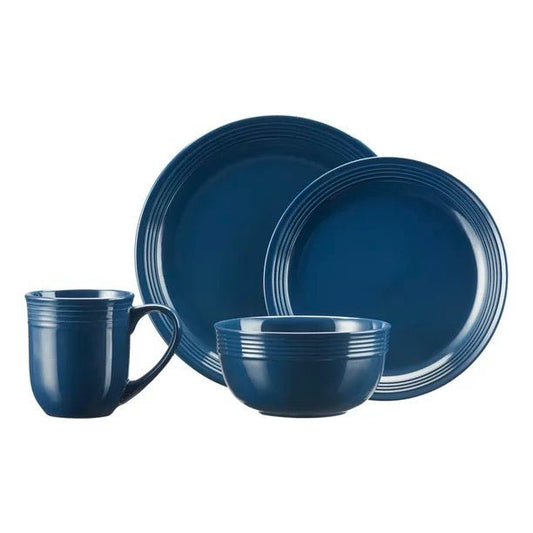
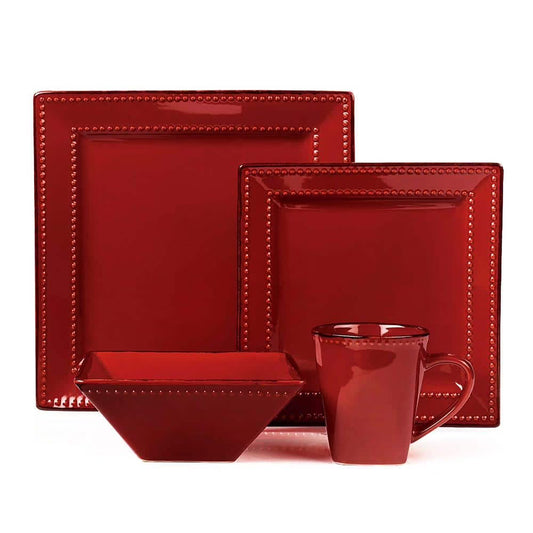
High-contrast tableware — particularly red and blue — significantly improves food and fluid intake in people with dementia. Research published in Clinical Nutrition found that patients with Alzheimer’s ate 25% more food and drank 84% more fluids when served on high-contrast red plates compared to white. This is because dementia affects visual processing and depth perception, making it difficult to distinguish food from a same-colored plate. Red and blue adaptive tableware is a simple, evidence-based intervention that supports nutrition and independence.
How do I manage medications for someone with dementia?
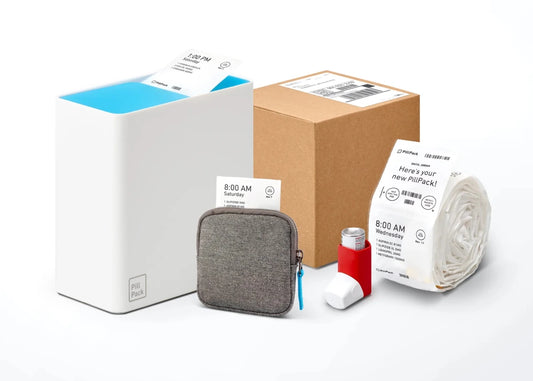
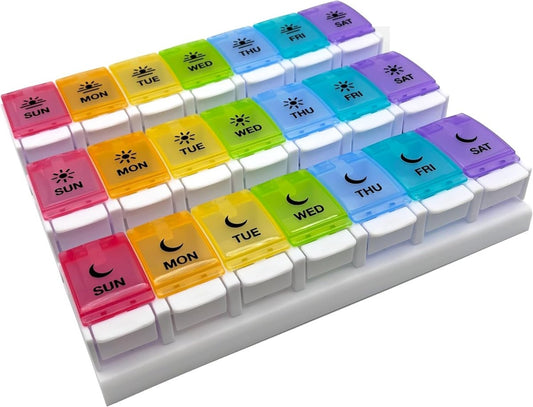
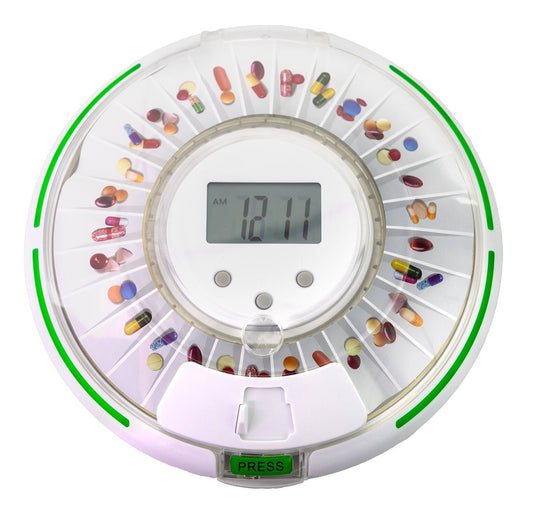
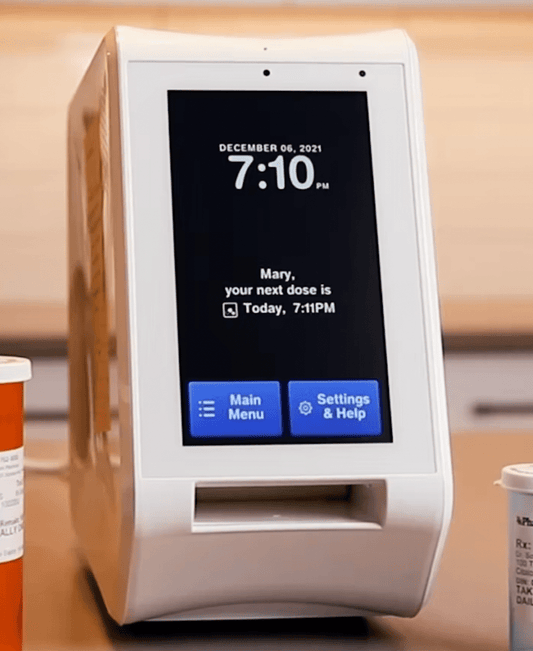
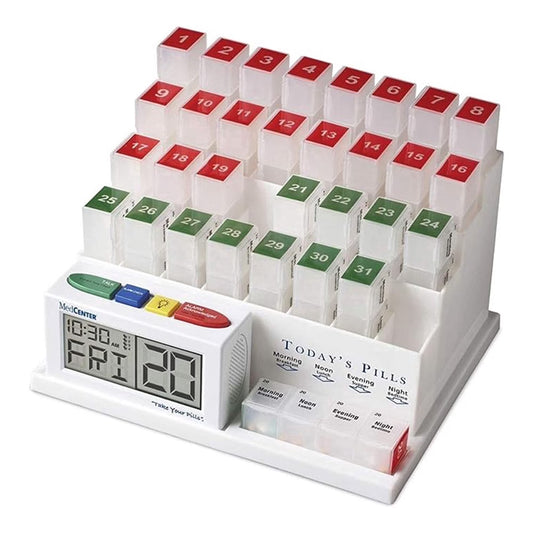
Medication management is one of the most critical and error-prone aspects of dementia care. Options range from a simple weekly pill organizer (for early-stage, supervised use) to an automatic pill dispenser that locks compartments and dispenses doses at programmed times, to a smart preloaded dispenser (like Spencer) that delivers pre-sorted medication pouches and alerts caregivers if a dose is missed. For complex medication regimens, medication strip packaging — where doses are pre-sorted into labeled pouches — eliminates the risk of missed or double doses entirely.
What is a day clock and why do people with dementia need one?
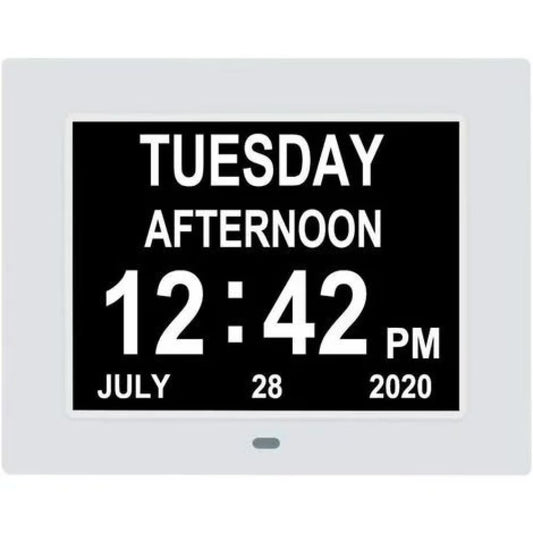
A day clock is a large-display clock that shows not just the time, but the day of the week, date, and time of day (morning, afternoon, evening, night) in plain language — eliminating the need to interpret a standard clock face. For people with dementia, disorientation to time and day is one of the earliest and most distressing symptoms. A day clock reduces repeated questions, supports daily routine orientation, and helps caregivers redirect confusion. It is one of the most consistently recommended low-tech tools in dementia home care.
How can I make the kitchen safer for someone with dementia?
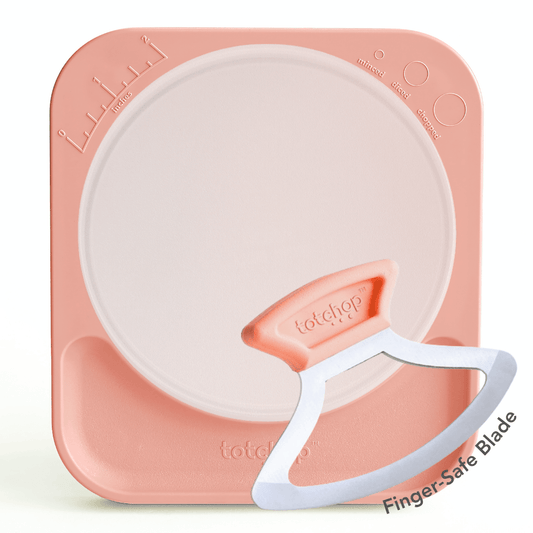
Kitchen safety for dementia focuses primarily on preventing stove and oven accidents, which are a leading cause of home fires among people with cognitive impairment. An automatic stove shutoff device (gas or electric) cuts power to the burner after a set time or when no motion is detected nearby. Additional measures include locking away sharp utensils, using adaptive one-handed cutting tools for supervised cooking participation, and removing or disabling appliances that pose burn or injury risk. Occupational therapists can assess which kitchen activities remain safe and which require modification or supervision.
What adaptive clothing options help with dementia care?
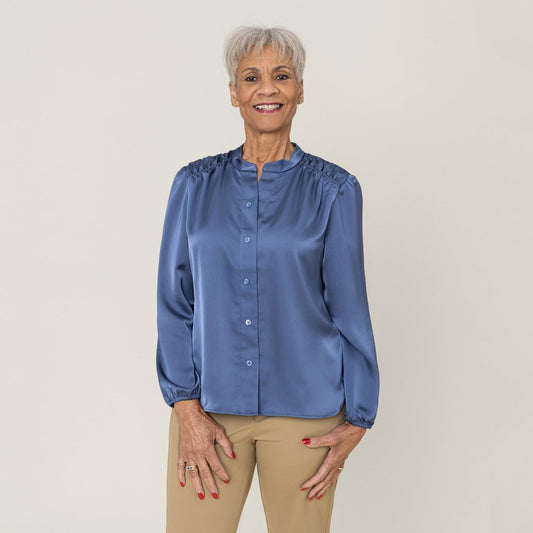
Adaptive clothing reduces the time, effort, and frustration involved in dressing — for both the person with dementia and their caregiver. Magnetic button closures replace traditional buttons that become impossible to manage as fine motor skills and cognitive sequencing decline. Easy-open, pull-on styles eliminate the need to navigate zippers or laces. Choosing familiar, comfortable clothing styles also reduces resistance during dressing routines, which is a common behavioral challenge in mid-stage dementia.
When should I start making home safety modifications for a family member with dementia?
The best time to make home safety modifications is early — before a fall, wandering incident, or medication error occurs. Many families wait until after a crisis, which often results in hospitalization or accelerated care transitions. An Occupational Therapist can conduct a home safety assessment at any stage of dementia to identify current and emerging risks and recommend modifications matched to your loved one’s current abilities. Starting with high-impact, low-cost changes (night lights, door alarms, pill organizers) and building from there is a practical approach for most families.