















-
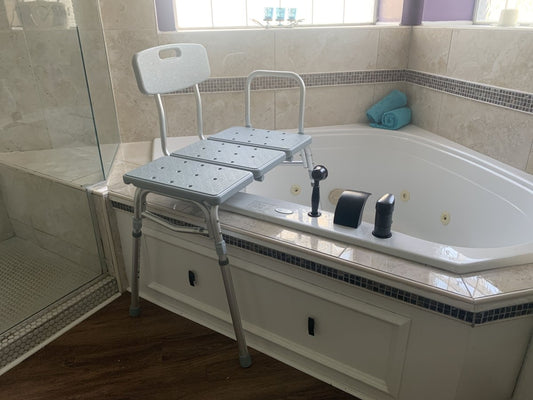
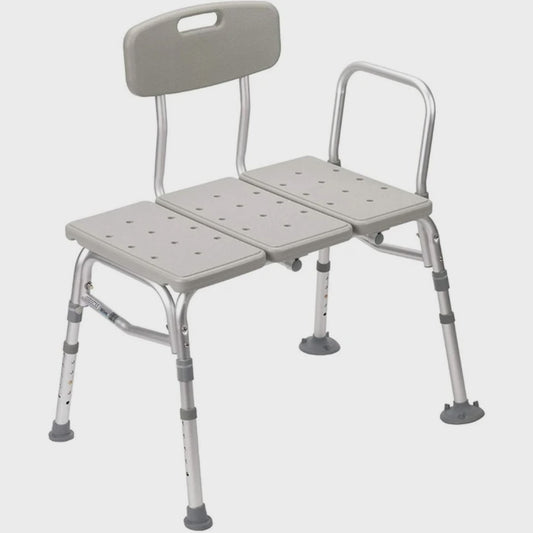
Extra Tall Tub Transfer Bench | For Deep Tubs
Regular price $147.99Regular priceUnit price per -
Tub Transfer Bench Leg Extensions | Makes tub bench taller
Regular price $42.68Regular priceUnit price per -
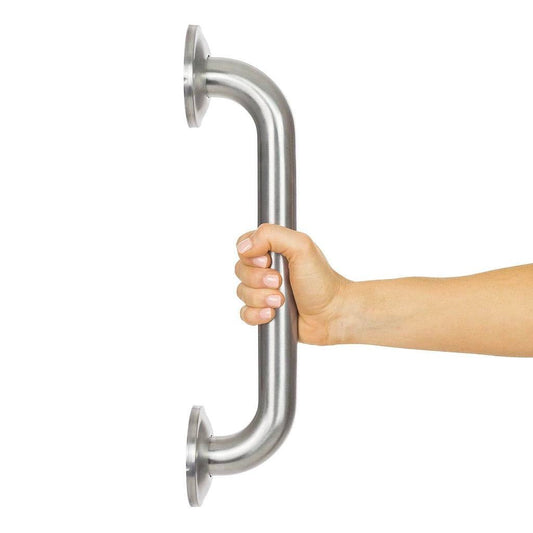
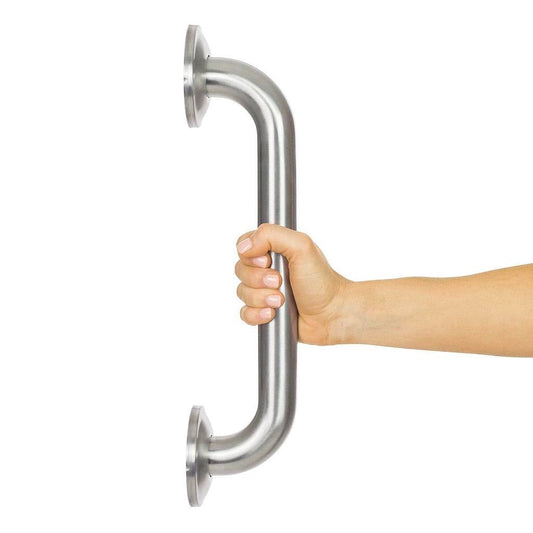
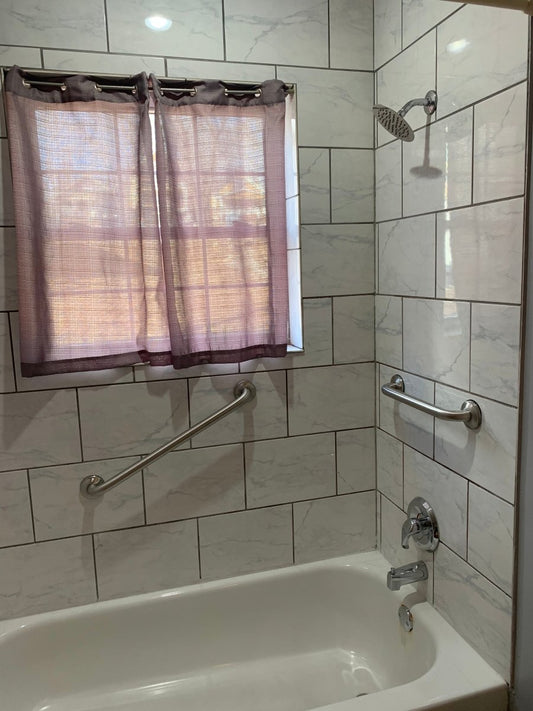
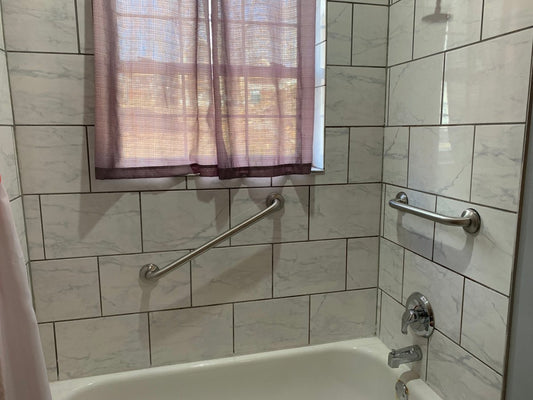
24" Grab Bar
Regular price See price in cartRegular priceUnit price per -
 Sold out
Non Slip Grab Bar Tape
Regular price $14.99Regular priceUnit price per -
Handheld Shower Head
Regular price See price in cartRegular priceUnit price per -
Handheld Shower Holder
Regular price $9.99Regular priceUnit price per -
16" Grab Bar
Regular price See price in cartRegular priceUnit price per -
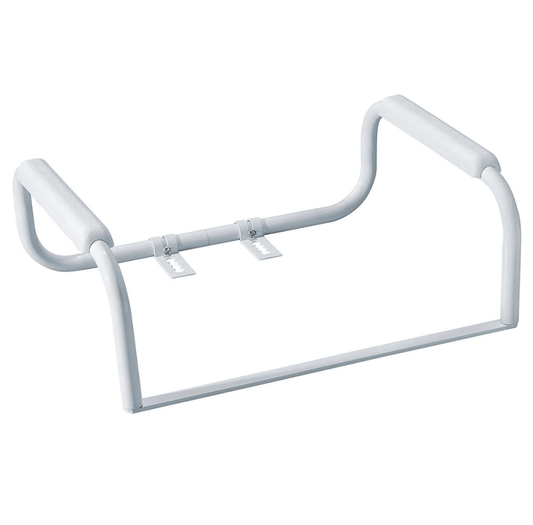
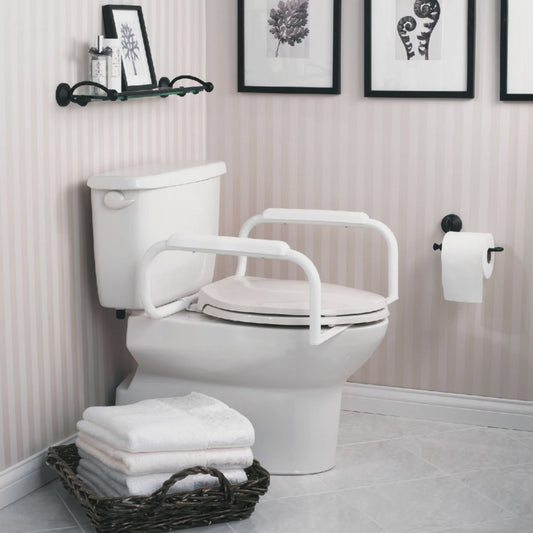
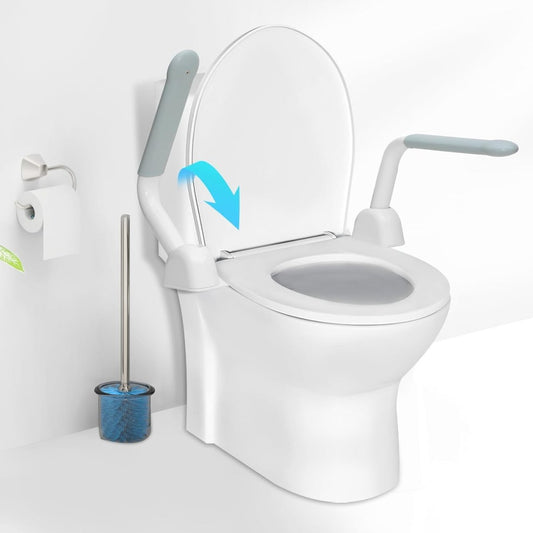
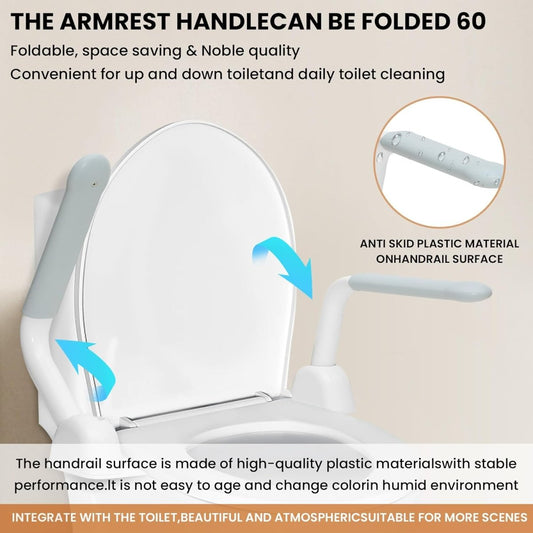
Toilet Handrails | Toilet Rails for Safe Transfers
Regular price $52.99Regular priceUnit price per -
Toothpaste Squeezer 4 Pack
Regular price $6.85Regular priceUnit price per -
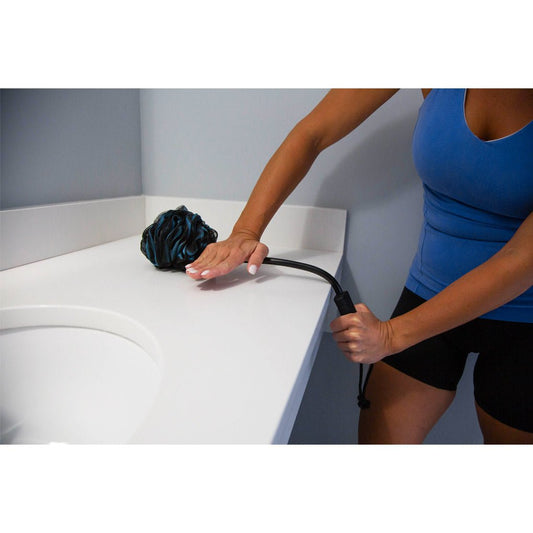
Bendable Handle Loofah
Regular price See price in cartRegular priceUnit price per -
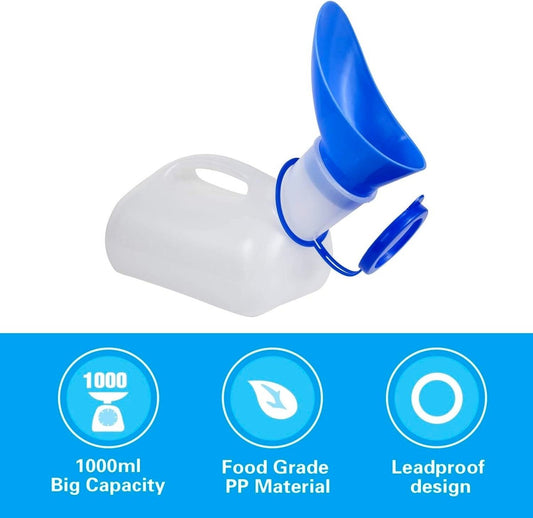
Unisex Leak Proof Urinal
Regular price $9.29Regular priceUnit price per -
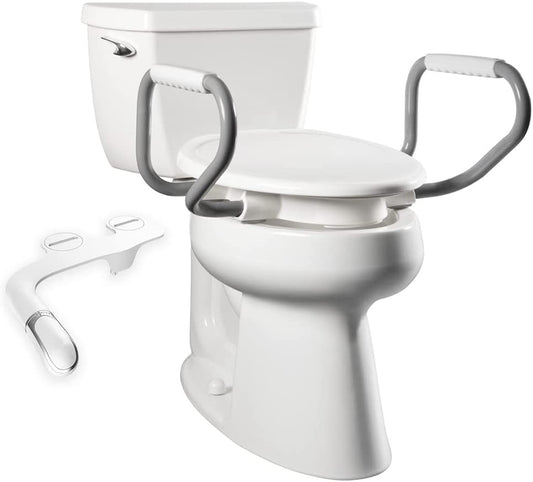
Raised Toilet Seat With Bidet & Handles
Regular price $249.99Regular priceUnit price per -
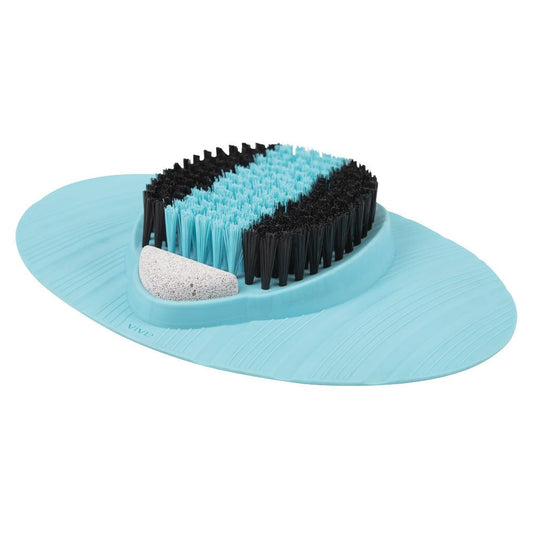
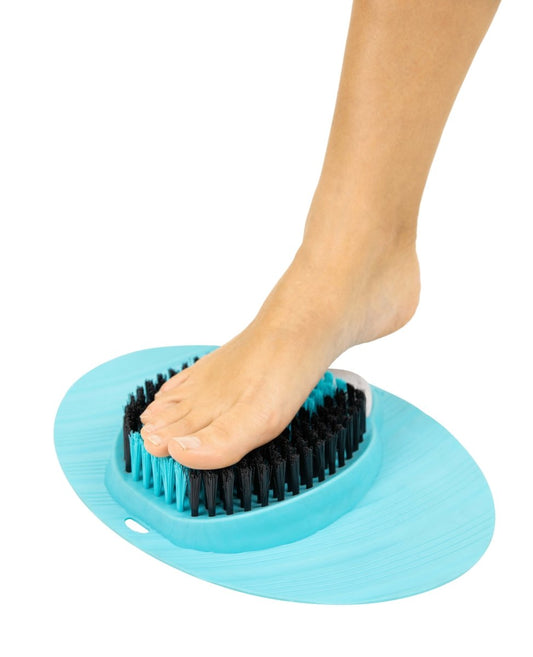
Foot Scrubber
Regular price See price in cartRegular priceUnit price per -
How to Position Your Grab Bars | Grab Bar Placement
Regular priceRegular priceUnit price per -
Toilet Safety Rails | Get up from the toilet easier
Regular price $128.00Regular priceUnit price per -
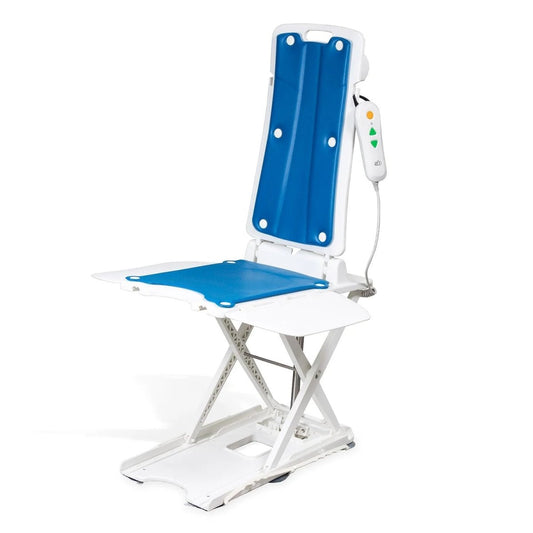
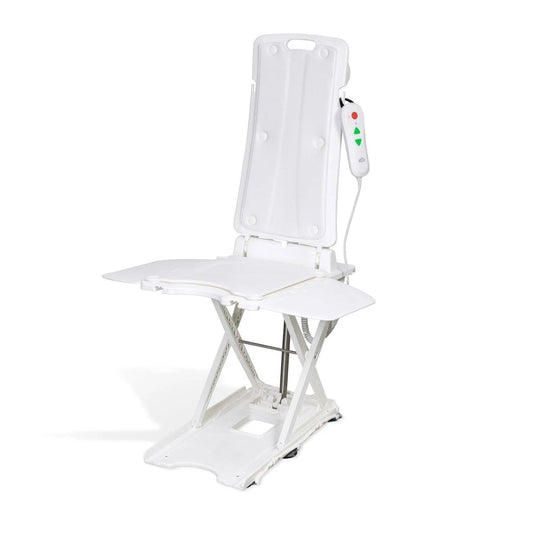
Automatic Bath Lift
Regular price $785.00Regular priceUnit price per
Learn More About Staying Safe At Home
FAQ About What You See!
Payment Resources
Found some things to help but don't have the funds? We've got options for you!
- We take HSA/FSA cards right in the checkout.
- Sign up for a no-interest payment plan with Shop Pay at checkout.
- In the Kansas City Metro? Apply for AccessKC for up to $1800 in funding & use it for equipment here!
- Enter your ZIP code here to find programs in your area that you may qualify for in order to get help!
Related Collections



Why You Need an OT!
An Occupational Therapist (OT) is your superhero! A skilled professional whose expertise can significantly enhance your quality of life by helping you maintain independence, manage chronic conditions, and ensure your home environment supports your needs.
When you're ready to dive into what occupational therapy is, why you might need it, and the myriad of ways an OT can be invaluable in your life click below!
Dive Deeper with These Articles