Collection: Total Hip Replacement Recovery — Equipment & Home Safety Products

Most hip replacement patients are discharged within 1–2 days of surgery and arrive home needing a safe, accessible environment immediately. Whether you are having an anterior or posterior approach, standard hip replacement precautions begin the moment you leave the hospital — and your home needs to be ready before you get there.


If you are having a posterior hip replacement, bending past 90 degrees, crossing your legs, rotating your hip inward, and reaching toward the floor are all prohibited — making the most basic daily tasks difficult without the right equipment. A standard toilet seat puts your hip below 90 degrees the moment you sit down. A low chair, or leaning forward to put on a sock breaks these precautions. These are not minor inconveniences — they are real medical risks that the right equipment directly prevents.


If you are having an anterior hip replacement, bending and crossing restrictions are typically lifted sooner — but pivoting, twisting, and hyperextending the hip remain restricted during early recovery. Getting in and out of the shower safely, navigating stairs, and moving in and out of bed without twisting still require the right tools and setup from day one.


What hip replacement precautions make difficult — regardless of approach:

  • Getting in and out of bed safely without twisting or rotating the hip
  • Stepping into the shower or tub without pivoting on the operated leg
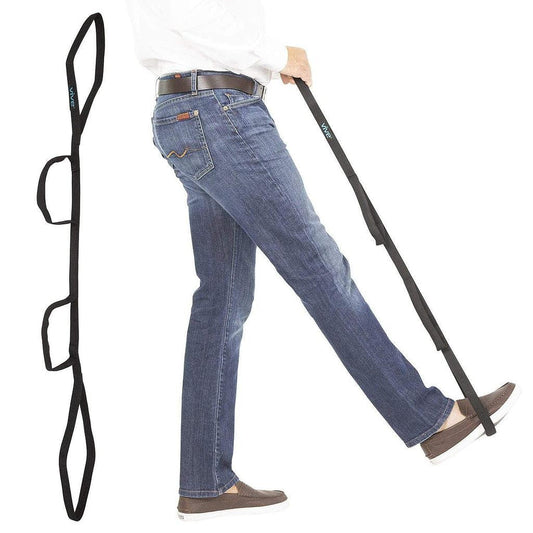
  • Walking without compensating posture during gait retraining
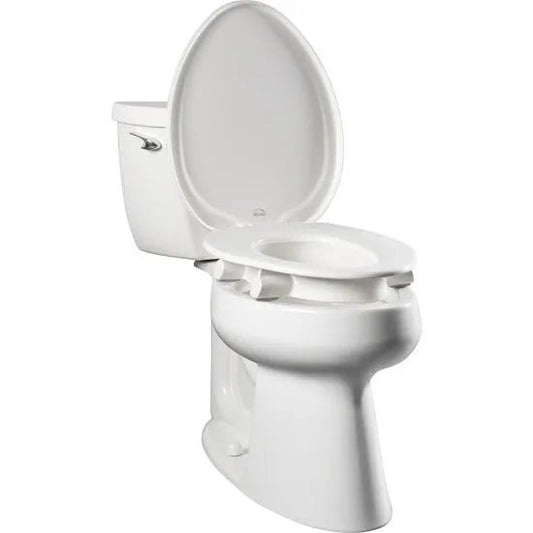
  • Getting on and off a standard height toilet (hip drops below 90 degrees without a raised seat)
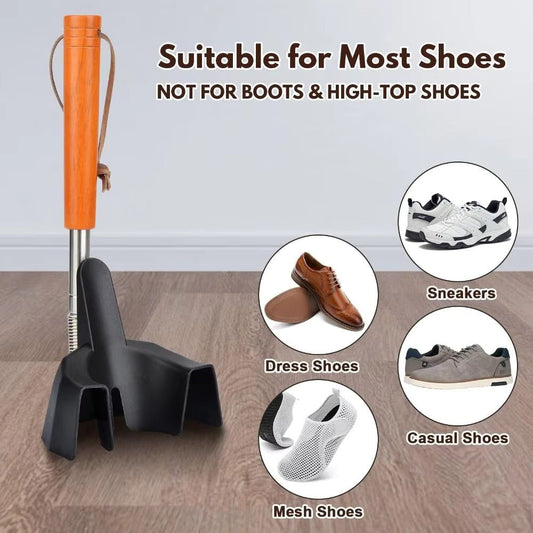
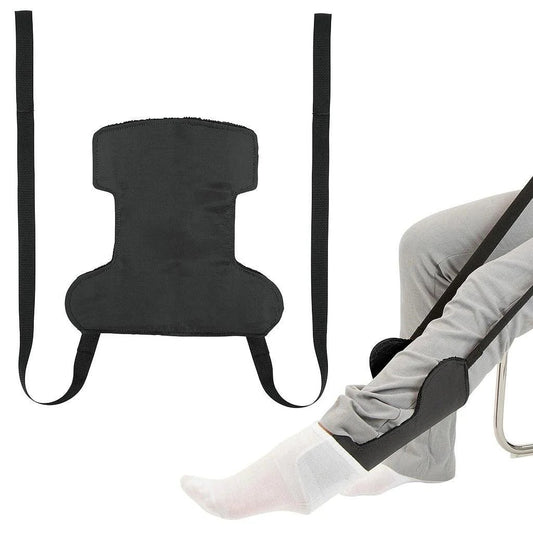
  • Putting on and taking off socks, shoes, and pants without bending forward past 90 degrees
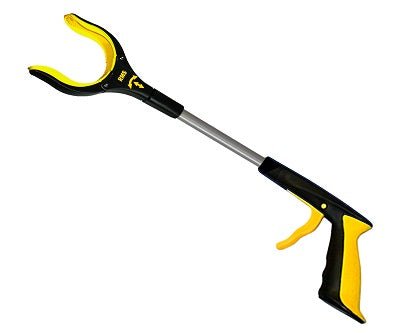
  • Picking objects up off the floor without bending or rotating

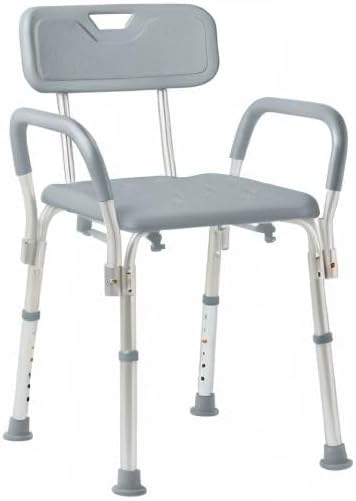
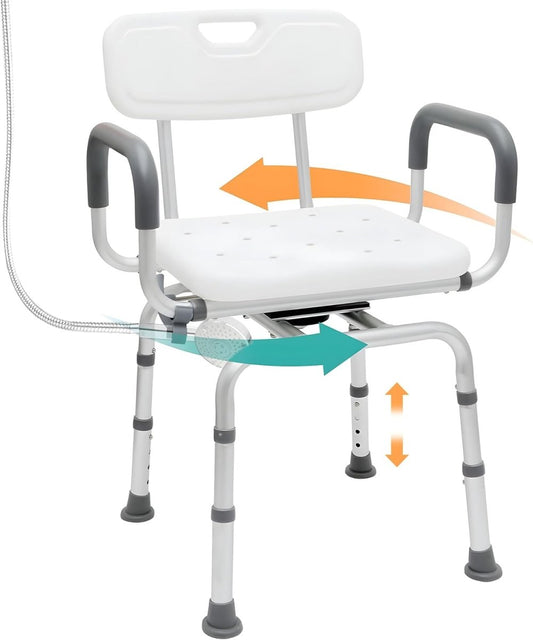
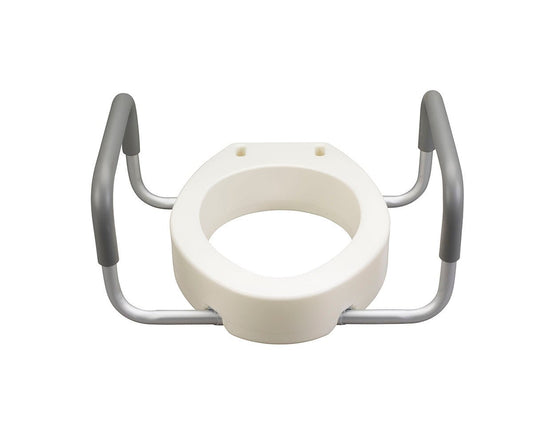
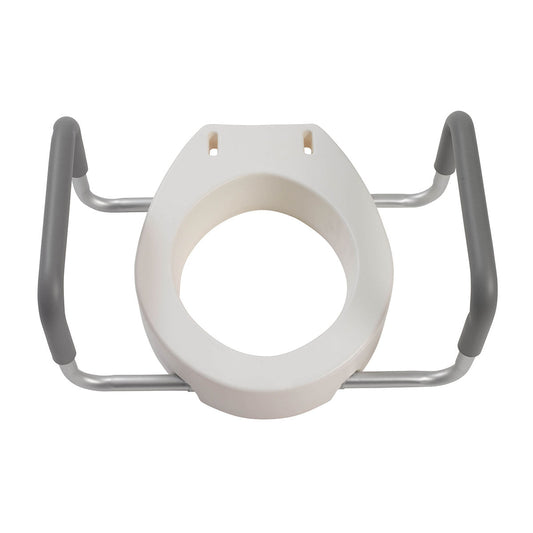
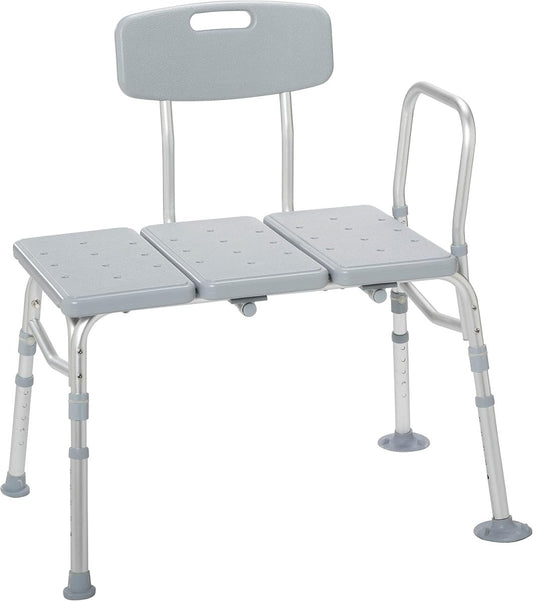
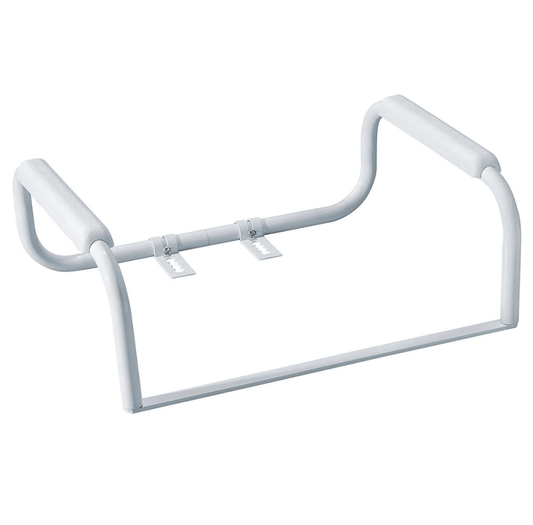
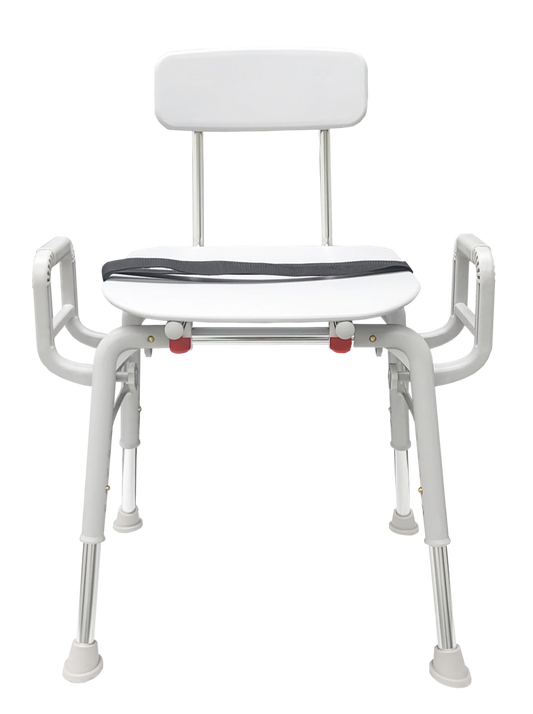
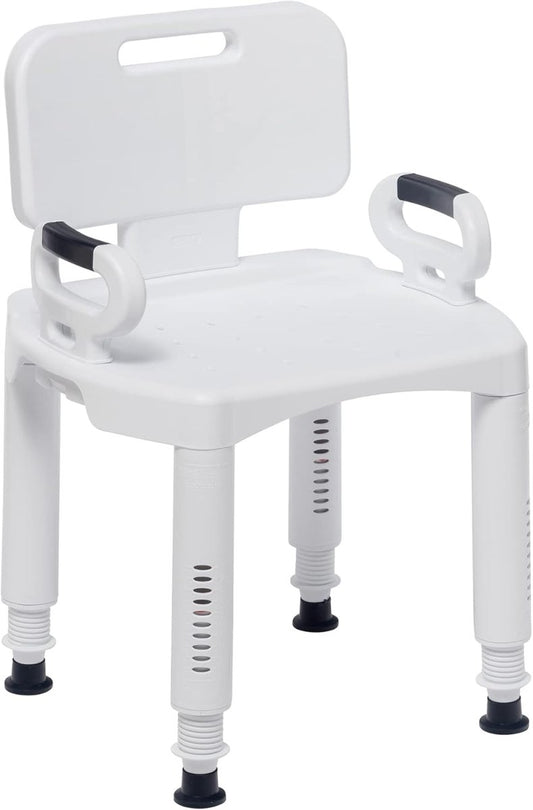
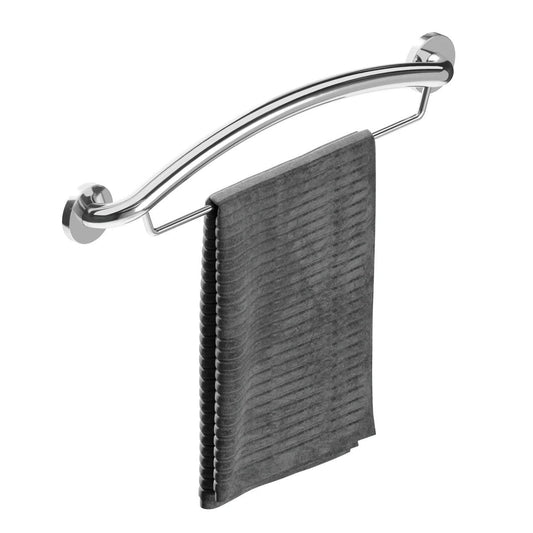
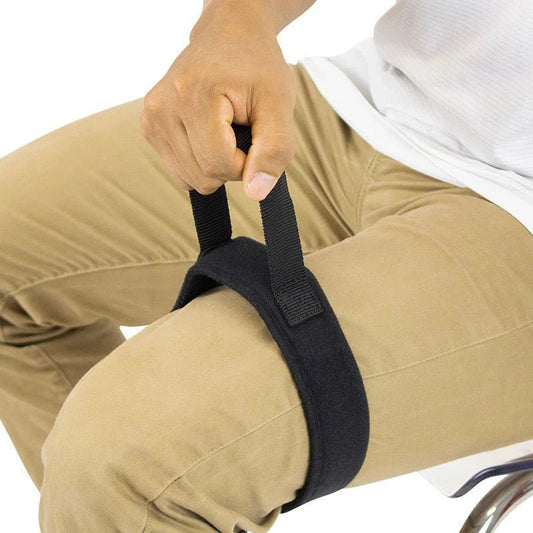
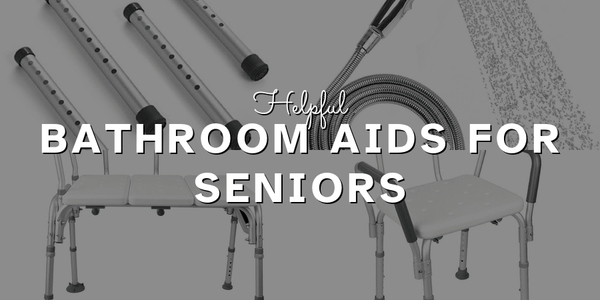
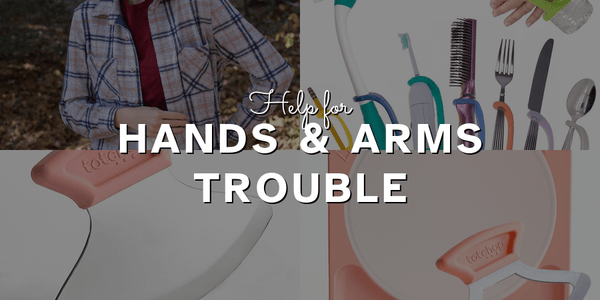
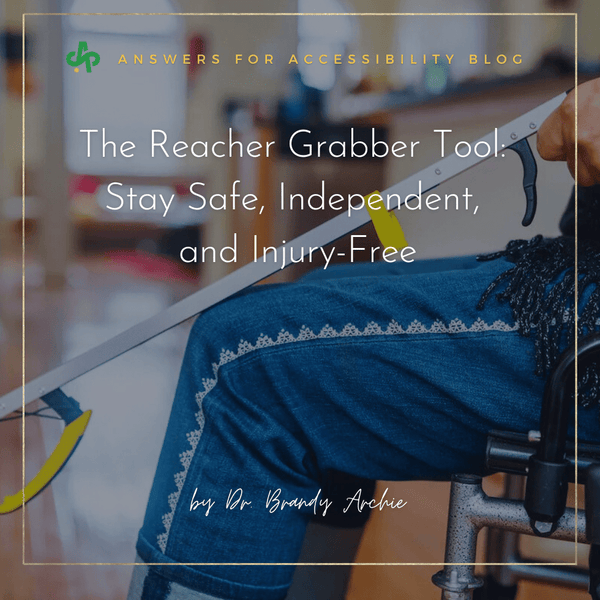
The most recommended products for total hip replacement recovery — including a raised toilet seat with arms, tub transfer bench, long-handled shoe horn, sock aid, reacher grabber, hip kit, bed rail, and shower chair — have each been hand-selected by Occupational Therapy Practitioners who specialize in safety at home. Order at least 2 weeks before your surgery date so everything is installed and ready when you arrive home.

Whether virtual or in person, you can find an independent OT to help you discover the best solutions for being better at everyday activities. From home safety assessments to low vision training to care management, there's an occupational therapist to help.

Click on a helpful face below and get connected!

Learn More About Staying Safe At Home

FAQ About What You See!

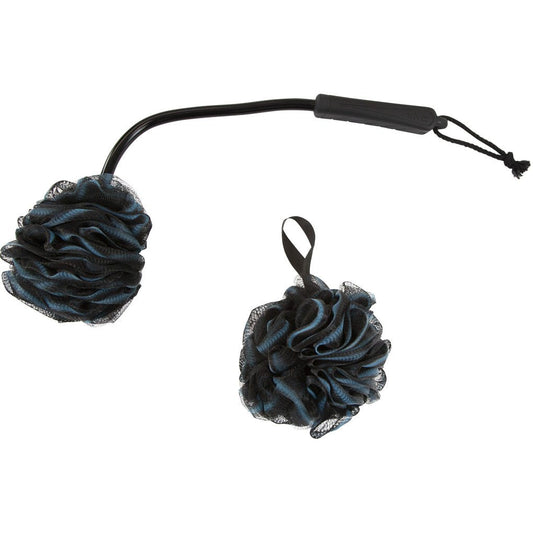
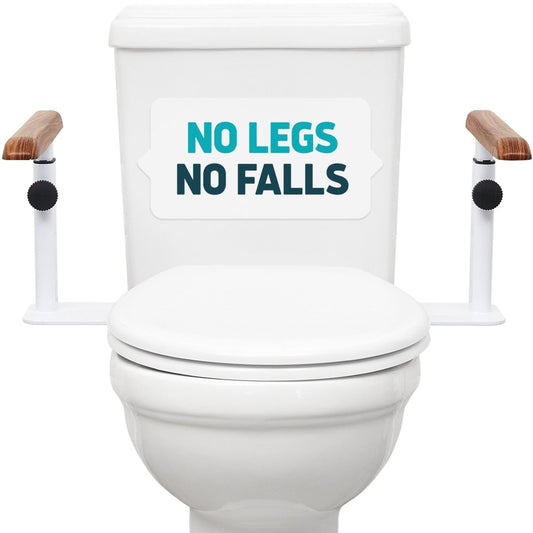
What equipment do I need after hip replacement surgery? After hip replacement surgery, essential recovery equipment includes bathroom safety tools, reaching aids, and mobility supports chosen by occupational therapists. Key items include a raised toilet seat with arms (adding 3.5" height for easier sitting and standing), a tub transfer bench for safe bathing, toilet handrails that bolt securely to your toilet, a shower chair with back and arms, and a bed side rail for getting in and out of bed safely. You'll also need adaptive tools like a bendable handle loofah and handheld shower head to avoid bending or twisting your new hip. These tools help you maintain independence while following hip precautions during the critical 6-12 week recovery period.

Why do I need a raised toilet seat after hip replacement? A raised toilet seat is crucial after hip replacement because it adds 3.5" of height to your toilet, preventing you from bending your hip beyond the safe 90-degree angle. Sitting on a standard-height toilet forces your hip into excessive flexion, which can dislocate your new hip joint during the healing period. Raised toilet seats that bolt to the toilet provide a secure, stable fit and often include arms for additional support when sitting down and standing up. They're available for both round toilets (approximately 16" length) and elongated toilets (approximately 18" length), supporting up to 300 lbs with heavy-duty plastic and steel construction.

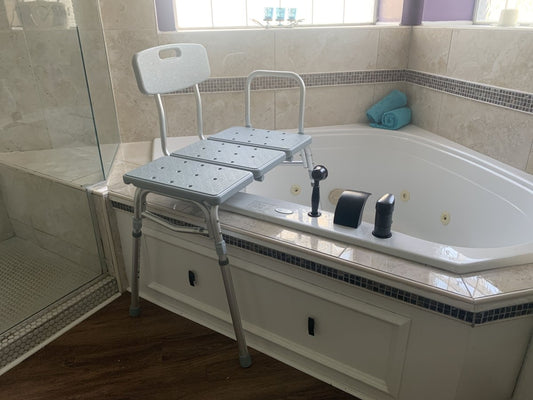
How does a tub transfer bench help after hip surgery? A tub transfer bench is essential for safe bathing after hip replacement because it eliminates the dangerous motion of stepping over the tub edge, which violates hip precautions. The bench sits partially outside and partially inside the tub, allowing you to sit down outside the tub, swing your legs over the edge while seated, and then scoot across into the bathing area—all without excessive hip bending or twisting. The bench is height-adjustable to accommodate different tub heights, and for deep or sunken tubs, extra-tall models offer seat heights up to 26" (compared to standard 19"-23"). This keeps your hip safe while allowing you to shower independently.

What are hip precautions and how does equipment help me follow them? Hip precautions are movement restrictions designed to prevent hip dislocation while your new joint heals, typically lasting 6-12 weeks post-surgery. The main precautions include: don't bend your hip past 90 degrees, don't cross your legs, and don't twist or pivot on your operated leg. Recovery equipment helps you follow these rules by bringing items within reach (bendable handle loofah, handheld shower head), raising surfaces to safe heights (raised toilet seats, bed rails), and eliminating risky movements (tub transfer benches, shower chairs). These tools allow you to perform daily activities safely and independently without violating your surgeon's restrictions.

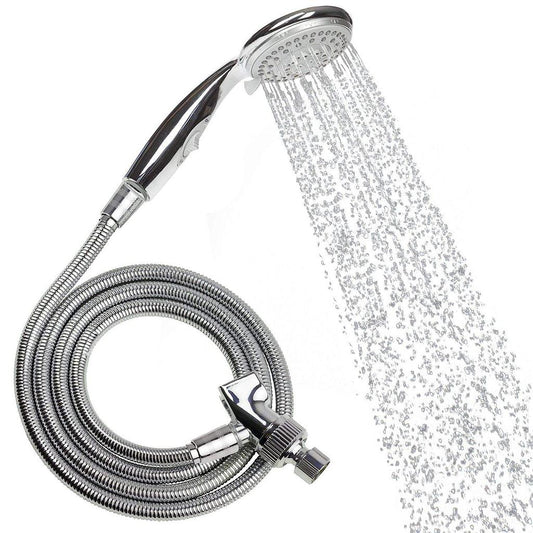
Can I use a regular shower chair or do I need special equipment for hip replacement recovery? While a shower chair with back and arms provides seated support for showering, a tub transfer bench is specifically designed for hip replacement recovery and offers safer entry into tub/shower combinations. If you have a walk-in shower, a standard shower chair works well. However, for bathtubs, a transfer bench is essential because it allows you to sit first and scoot across rather than stepping over the high tub wall, which would violate hip precautions. Pair your seating with a handheld shower head (with a 6.5-foot flexible hose) so you can control water flow while seated, and use a bendable handle loofah to wash your back and feet without excessive bending or twisting your new hip.

Payment Resources

Found some things to help but don't have the funds? We've got options for you!

  • We take HSA/FSA cards right in the checkout.
  • Sign up for a no-interest payment plan with Shop Pay at checkout.
  • In the Kansas City Metro? Apply for AccessKC for up to $1800 in funding & use it for equipment here!
  • Enter your ZIP code here to find programs in your area that you may qualify for in order to get help!

Why You Need an OT!

An Occupational Therapist (OT) is your superhero! A skilled professional whose expertise can significantly enhance your quality of life by helping you maintain independence, manage chronic conditions, and ensure your home environment supports your needs.

When you're ready to dive into what occupational therapy is, why you might need it, and the myriad of ways an OT can be invaluable in your life click below!

Read Why You Need an OT!