







Collection: The Essential Memory, Cognition & Forms of Dementia Collection

Creating a supportive environment can make daily routines easier for people living with
dementia. This collection features simple, effective tools that reduce confusion, improve
safety, and promote comfort for both families and caregivers.

This curated collection by Monika Lukasiewicz, Dementia Care Specialist, Occupational-therapy trained coach, and Founder of MollyLu P-LLC, offers evidence-inspired tools designed to improve safety, joy, and everyday ease for people living with dementia and their care partners. Shaped by 15 years of clinical experience, a unique coaching approach and leadership in the evidence-based COPE program, these products make quality living at home with dementia more accessible and practical. Whether you’re looking for trusted support or personalized guidance, you’re invited to shop the collection or connect with MollyLu to create meaningful, supportive care and living.

Learn More About Staying Safe At Home

FAQ About This Collection!

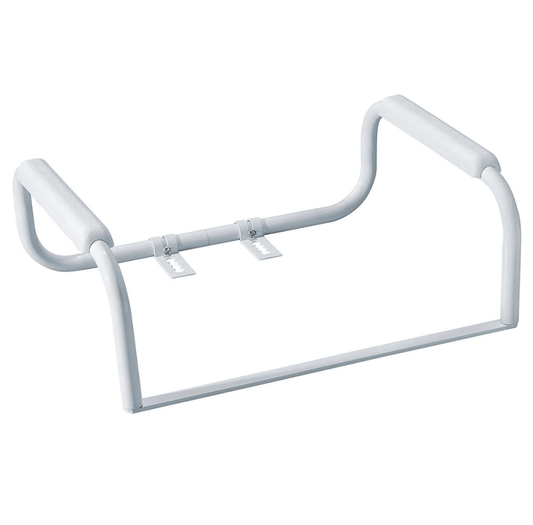
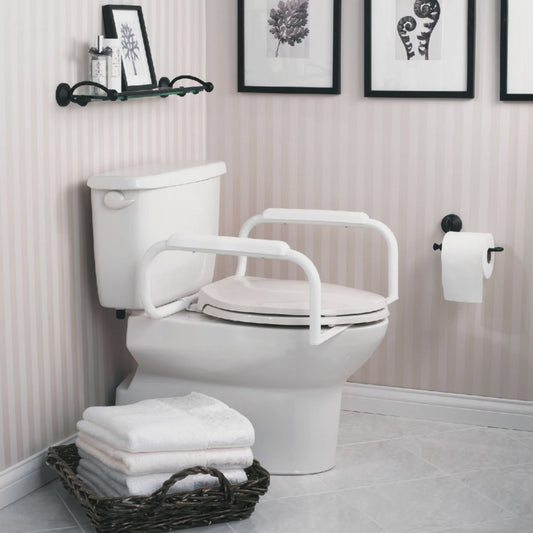
What are the most important safety tools for dementia care at home? The most essential safety tools for dementia care include motion sensor lights, toilet safety rails, shower chairs with back and arms, and reusable underpads. Motion sensor lights automatically illuminate pathways at night, reducing confusion and fall risk when individuals with dementia wake up disoriented. Toilet rails and shower chairs provide crucial stability during bathroom activities, which are high-risk times for falls. Reusable underpads (34" x 36" or larger) help manage incontinence with dignity while also serving as transfer sheets for repositioning in bed. These evidence-based tools reduce confusion, improve safety, and promote comfort for both individuals living with dementia and their caregivers.

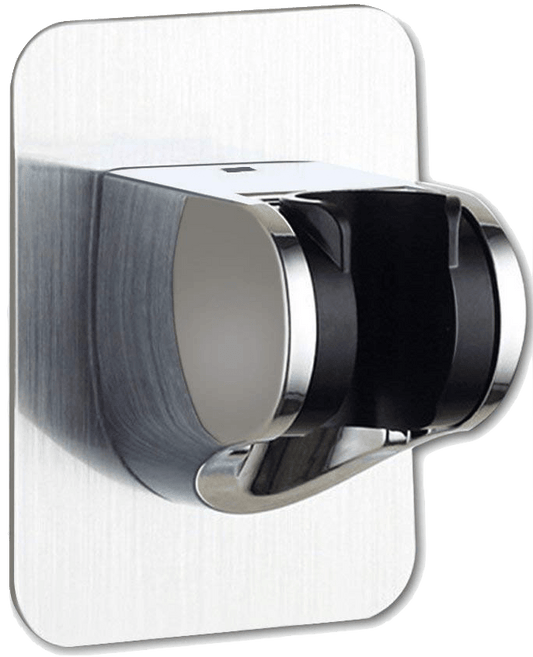
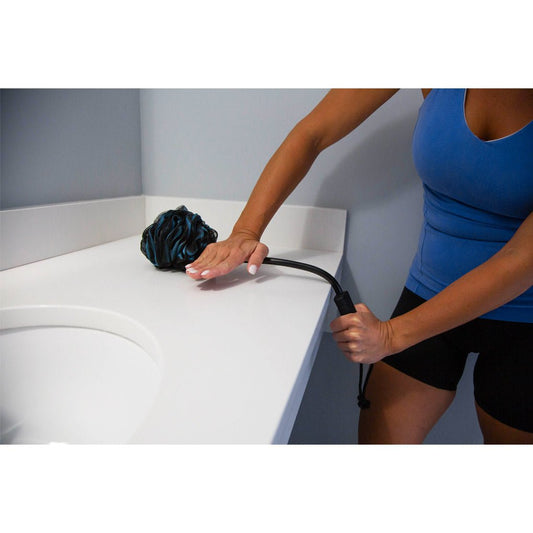
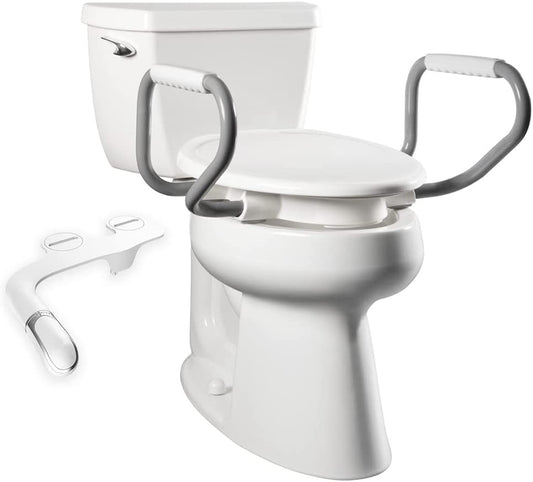
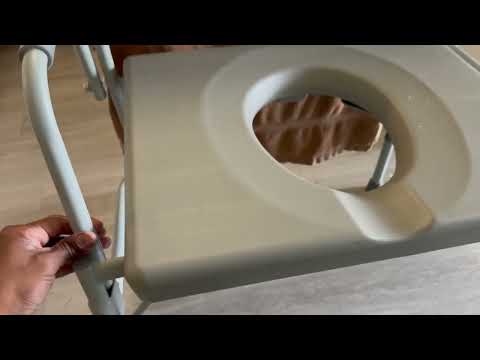
How can I make the bathroom safer for someone with dementia? Creating a dementia-friendly bathroom involves installing multiple safety features that provide support and reduce confusion. Start with toilet handrails that bolt securely to the toilet, turning it into a chair with arms for easier transfers. Add a shower chair with back and arms for safe seated showering, paired with a handheld shower holder positioned within easy reach. Consider a raised toilet seat with integrated bidet and handles, which addresses both mobility challenges and personal hygiene needs in one solution. A tub transfer bench allows safer entry into the tub by sitting first and scooting over, eliminating the dangerous step-over motion. These modifications work together to create a supportive environment that reduces anxiety and promotes independence.

What is a tub transfer bench and how does it help with dementia care? A tub transfer bench is an adjustable-height seat that extends partially outside the bathtub, allowing someone to sit down outside the tub and then safely scoot across into the bathing area. This is especially helpful for individuals with dementia who may have difficulty understanding or executing the complex sequence of stepping over the tub edge while maintaining balance. The bench breaks down the transfer into simpler, safer steps and provides continuous seating support throughout the process. It reduces caregiver strain by making assisted bathing safer and less physically demanding, while helping the person with dementia feel more secure and less anxious during bathing routines.

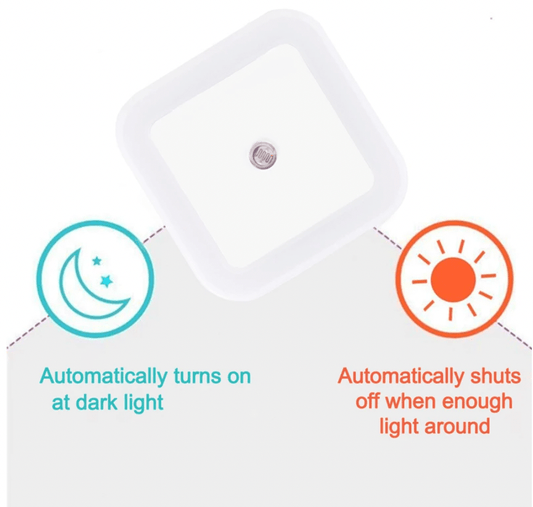
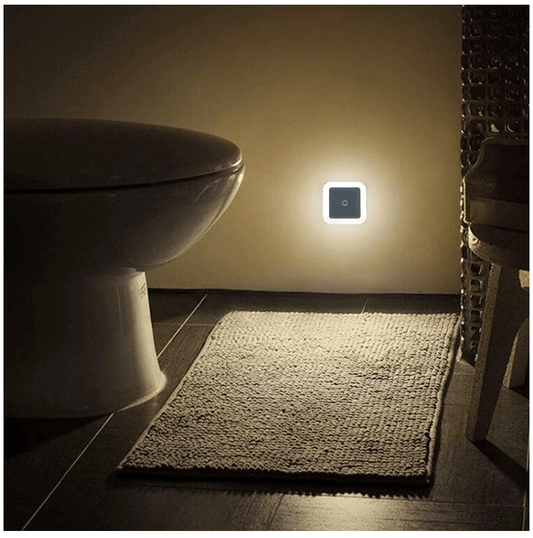
How do motion sensor lights help people living with dementia? Motion sensor lights are crucial safety tools for dementia care because they automatically illuminate when someone moves, eliminating the need to remember where light switches are located or how to operate them. This is particularly important at night when individuals with dementia may wake up confused or disoriented and attempt to navigate to the bathroom in the dark. The lights activate automatically along pathways, stairs, hallways, and in bathrooms, reducing fall risk and providing visual cues that help with orientation. They're light-activated, meaning they only turn on when it's dark, and they plug in easily without requiring complex installation or memory of how to use them.

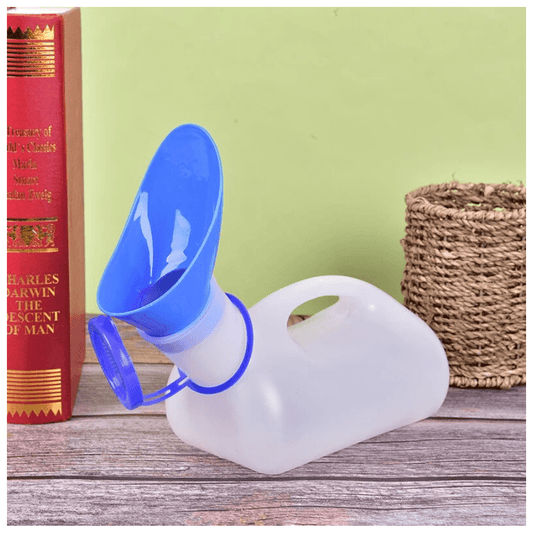
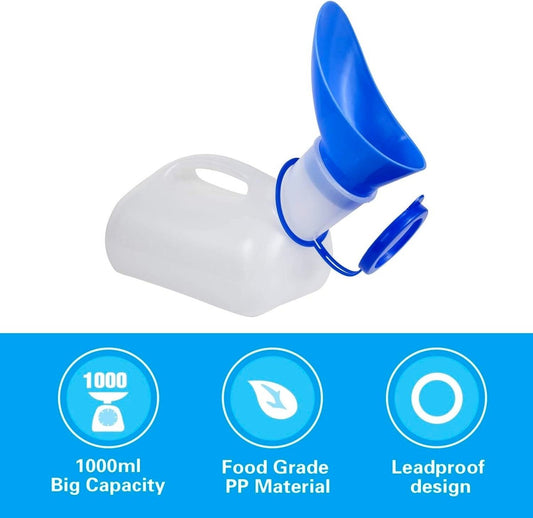
What products help manage incontinence with dignity in dementia care? Several products support dignified incontinence management for individuals with dementia. Reusable underpads (measuring 34" x 36" or 34" x 52") are antimicrobial, breathable, and hold up to 6 oz of liquid—much larger and more effective than disposable options. Raised toilet seats with integrated bidets and handles combine easier sitting/standing with gentle water cleansing, reducing the need for extensive wiping that may be difficult or confusing. Unisex leak-proof urinals provide a bedside toileting option when getting out of bed is challenging but bathroom needs are frequent. Flushable wet wipes enriched with aloe and vitamin E offer gentle, effective cleansing for sensitive skin. These tools preserve dignity while making caregiving more manageable and less intrusive.

Payment Resources

Found some things to help but don't have the funds? We've got options for you!

  • We take HSA/FSA cards right in the checkout.
  • Sign up for a no-interest payment plan with Shop Pay at checkout.
  • In the Kansas City Metro? Apply for AccessKC for up to $1800 in funding & use it for equipment here!
  • Enter your ZIP code here to find programs in your area that you may qualify for in order to get help!

Why You Need an OT!

An Occupational Therapist (OT) is your superhero! A skilled professional whose expertise can significantly enhance your quality of life by helping you maintain independence, manage chronic conditions, and ensure your home environment supports your needs.

When you're ready to dive into what occupational therapy is, why you might need it, and the myriad of ways an OT can be invaluable in your life click below!

Read Why You Need an OT!