
Summary
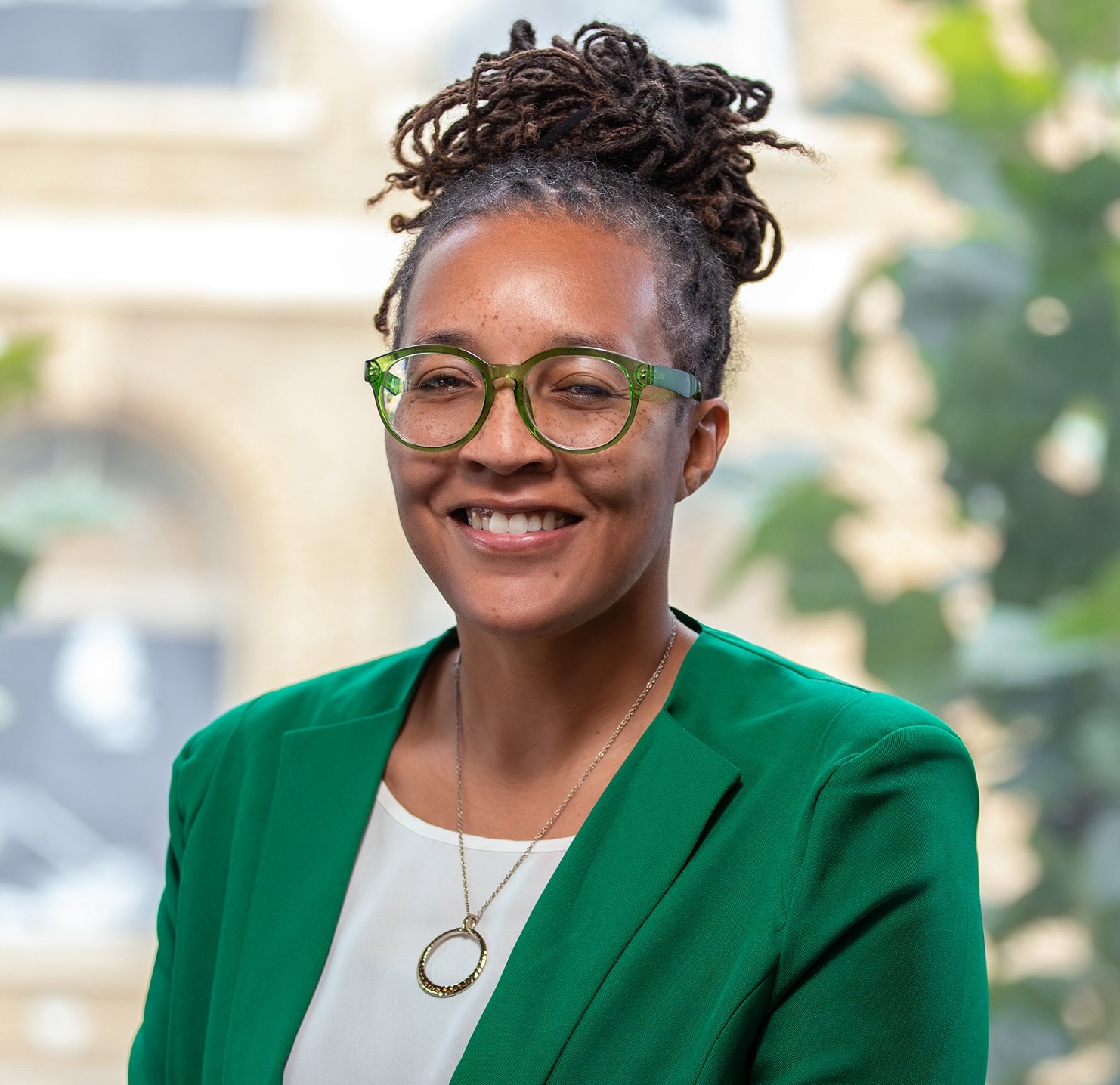
In this episode of CareLab, hosts Emilia Bourland and Brandy Archie speak with occupational therapist and innovator Monika Lukasiewicz about the power of evidence-based practices in dementia care. They discuss how structured approaches like Skills2Care and COPE improve quality of life for both individuals with dementia and their care partners. Monika shares practical examples showing how small environmental and communication changes can make major differences in everyday tasks—reducing stress, supporting caregivers, and fostering connection.
Key Questions Answered
-
What does “evidence-based care” mean in dementia support?
It refers to interventions proven through research to improve outcomes—helping clinicians and caregivers make informed, effective decisions rather than relying on trial and error. -
How do programs like Skills2Care and COPE help caregivers?
They offer structured, tailored tools and frameworks to assess the person, environment, and caregiver relationship—simplifying goals and problem-solving. -
What’s an example of applying these methods?
Adjusting which bathroom a person with Alzheimer’s uses, along with communication and environmental changes, can turn bathing from a stressful task into a smoother routine. -
Why is recognizing the role of “care partner” important?
Accepting this role helps people access community resources and emotional support instead of trying to manage caregiving in isolation. -
Where can caregivers find immediate help?
Start with the Alzheimer’s Association 24/7 Helpline (1-800-272-3900), local memory cafés, caregiver support groups, and occupational therapists trained in dementia-focused care.
Transcript
Emilia Bourland, OTR, CFPS
Okay, ready?
Emilia Bourland, OTR, CFPS
Every person living with dementia experiences the world differently, and yet caregivers often rely on trial and error to figure out what helps and what hurts. But it doesn't have to be that way. Today, we're exploring evidence-based strategies. These are proven approaches to reduce stress, prevent behavioral challenges, and bring more calm and connection into daily life with dementia care.
Brandy Archie
And we are going to do that today with Monica Lukasiewicz, who is a creative innovator and new business owner at the company called Molly Lu. She brings up background as an occupational therapist. So we've got an all OT episode for you today with experience in evidence-based trainings that include skills to care.
and the COPE program from Jackson University and turning that into digestible educational bites. So she is inspired to increase access to evidence-based dementia care and is doing that by starting in Arizona. So Monica, welcome. Thanks for being on.
Monika Lukasiewicz
Thank you so much. do feel like Brandy and Amelia, I have to do the like quick announcement of I'm a Vermont hiker today for Halloween. I would not normally show up like this, but we're, leaning into it, the holidays. So thank you for having me.
Emilia Bourland, OTR, CFPS
Brandy Archie
lean into it.
Emilia Bourland, OTR, CFPS
Love it, love it. Yeah, we are so, we're so happy to have you today. I think maybe a good place to start off might be actually to define what it means to be evidence-based for folks.
Monika Lukasiewicz
Yeah. So in trying to break down what it means to be evidence-based and why it's valuable, you know, I recently actually went back and did some research to try to be outside of my own thought process about what that means. Understanding that I see the value of being evidence-based with so many people, even over time have told me, you don't need to tell people it's evidence-based. Like they're not necessarily going to care. True or false? You know, like everybody's at
Emilia Bourland, OTR, CFPS
Mm.
Monika Lukasiewicz
We have different things that attract us to why we work with people. get that. So evidence-based being it's something that has been based off of something that has been studied and it has been effective. If I were to kind of do a long story short, some of the other things that have come up in regards to me also just looking not just at the things themselves like skills to care and cope for my particular experiences, but also these other elements of
being effective, having an impact on job satisfaction, actually, for the people who are doing it, and then also the outcomes that it can produce. One of the other things that was mentioned is I was just kind of doing some loose research on evidence-based practice that I thought was interesting and that I'll call out as being not yet happening.
in the world of access and evidence-based practice in dementia care, which is being cost effective. And I both hate to say that, but it's like, well, then let's talk about it because this is part of the problem. More people need cost effective evidence-based dementia care. Practitioners need to be paid appropriately for showing up to do this really difficult work. And we need better models to do it. So thank you for doing what you guys do and
being willing to have conversations to try to also be like, how do we do this better?
Brandy Archie
Yeah, because it's important to do it better because one, the rates of dementia and Alzheimer's is rising. And so that means probably everybody you know, everybody knows somebody who's impacted by this, either because they're caring for somebody or their parent or their loved one has it or grandparent had it at some point. And so like it's frequent enough that we need to have like real strong opinions about how to do things. And the way I think about it is like,
breast cancer, example. We've had a ton of education around it and now we have rules about recommendations, I guess, about getting your mammogram after you turn 40 and like this is like the thing that you're supposed to do and then that way we can catch it because it's so prevalent and we need to find ways to do that and yet we don't have the same kind of momentum behind dealing with dementia and Alzheimer's but these evidence-based programs show that there are ways to deal with it. We just need to find ways to have people
people access it. So if you could talk to us a little bit more about like, or what's so important about the, what are the themes, I guess, through these evidence based practice types of procedures that people might not understand. So like, if I'm a caregiver for someone who has dementia, and I'm just doing my best to survive every day, and taking as many tips as I can, what would I gain from
going through one of these programs or working with a therapist that specializes in this.
Monika Lukasiewicz
I love these questions. So I'll answer your question by telling a story, including my experience pre and post having access as a clinician to evidence-based practices. So before I discovered my first evidence-based program, which was skills to care, I was practicing very traditionally inside home health.
doing my best to come up with goals directly for the person living with dementia, but understanding that I'm working in a medical model that needs to typically see progress. And I'm working with somebody who has a chronic progressive condition that is going to get worse. We don't have a cure for it. So that being said, my experience in delivering and encountering the family when I was doing it,
pre-evidence-based care was I was really focused on the person living with dementia within the system, the medical system itself. And I was trying to come up with goals that would match the medical systems goals, not necessarily what really, is this person? Who is the net? Who and what is the net around this person? But also having a way to really
understand more appropriately all the different layers behind the environment, behind the care partner, and the different levels of the person living with dementia. So there were different theories that became really important in my practice, like the Allen cognitive disabilities model. Motivational interviewing and readiness to change became a model, really important. Having some very specific things to look at in the environment became more important. And so these
These evidence-based practices in skills to care and they're born from each other. Actually, COPE is more or less a program called skills to care plus another program called TAP or Tailored Activity Program that got together, had a baby and called COPE. That's kind of my way to describe these programs. So that's one element of it is just like it gave people can expect.
Monika Lukasiewicz
So from kind of flipping it, that was my experience. So what families can expect to experience in these evidence-based programs is a level of tailoring that you will not find in a book. So like, find that, you know, dementia, all the forms of dementia are so complicated and they're complicated by that experience itself, where the brain it is, it can be complicated by other health conditions that were pre-existing.
They can be complicated by the care partner's own experience of living or their own conditions, the environment. And so these programs allow those care partners, somebody who's looking at all of that with very specific tools to look at all those things, but then also a framework that lets people put together those tools and work through them one by one. the other thing I'll say is that these programs really helped me have a way of simplifying and prioritizing.
family's goals rather than being like, my gosh, like there's so many things, you know? And it really gave me a framework to be like, Brandy, Amelia, you know, what of these are the most important to you? What are the top five most important? Okay, of these five, which one do you want to start with? And then it also gave me a framework, not just for the assessment, but for the intervention. There's a really specific problem solving approach in both of these. And so,
know, folks can expect that like this is a process that's been tried with this particular audience. And even some of the handouts have been customized based off of the most common areas where people struggle. So there's like, yeah, it gets me excited, but yes, stop.
Emilia Bourland, OTR, CFPS
So I'm gonna, I wanna kind of dig down a little bit deeper into this, but in a way that is definitely gonna feel accessible for maybe our caregivers who are listening, who are not clinicians, who may not be thinking about this technically. So can you give an example of like a really common...
challenge of dementia care. So, you know, when I'm thinking about things like struggling with agitation, struggling with getting someone to bathe, like these really like day-to-day foundational things that are top challenges of people and just kind of picking one of them, challenges of people who are caring for someone with dementia and
applying, just kind of telling a story about how an approach might be applied in that situation that can make a real difference that's actually going to show improvement.
Monika Lukasiewicz
Sure, yes. So I'll tell a story. There was a husband and wife. She was the one living with Alzheimer's. And I remember in this particular instance, because I had gone into the house and done an environmental assessment, because I knew that bathing was a challenge, and because I was able to understand and kind of ask some more questions about, because they had two different bathrooms, right?
He had one, it was the walk-in shower. He was getting into the walk-in shower. It was easier for him. It was the walk-in shower. So like that was always the shower he was trying to get her to bathe in. However, historically she was most used to getting into a tub shower. That was the other, you know, that was the other bathroom. He wasn't using it. It's a tub shower. It doesn't seem like it would be the safer or like preferred option.
Emilia Bourland, OTR, CFPS
Hmm.
Monika Lukasiewicz
But by taking that into consideration and being like, okay, I'm hearing him out that he's saying she really doesn't like coming, she doesn't seem to like, or she's at least very apprehensive to coming into the step-in shower, taking his feedback around that, but also being like, what was the shower like that she used to get in all the time? And then also facilitating the use of durable medical equipment. So getting a shower chair in that shower.
but then also being able to layer on with him and do role playing with him around what it could sound like to communicate with her, to set up that environment, to sequence her through those things and helping him have a realistic understanding. Because so many times without a good assessment for me as an OT, I wasn't able to really help people to the part of the forest where they were really in. It's kind of like, well, we're in the forest.
of dementia, but it's like, well, are we on the north side or the south side, the east or the west? So being able to also really help him be able to understand that when you give her more than one instruction at a time, she can't follow. let's talk, like you talk to me as if I'm her, or, you know, like let's role play this out so you can hear what it sounds like. Does that help a little?
Emilia Bourland, OTR, CFPS
Yeah, I think that's really great. Sorry, Brandy, I know you got questions.
Brandy Archie
I always got questions. So, no, I think that makes total sense and like to highlight what you were talking about earlier, it's like...
from a clinician perspective, it's a different way of thinking because from the medical model, you treat the person with the problem. But from this story that you just told, not a whole lot was done to or for her. And mostly it was about impacting her environment and helping him understand, one, how to give her cues to get the thing done, and two, literally change which bathroom they use so she could go back to something more familiar and let's make that safe for her.
do what she's been doing for 80 whatever years without learning a new thing. And so like, but he needed to he needed to learn the new thing because this is his wife he had been with her for a long time. He knows her before she has lost some of these capacities. And so it can be so frustrating to like, talk to people in a way that you're used to being able to talk about something that seems so simple, but their their way of taking that information in is actually very different than it used to be. And so we
need to learn the skills in order to help them better as opposed to them learning or doing a new or different thing.
Monika Lukasiewicz
Yes, and it makes me think of, or more recently, I've come to have a lot of humility and respect for these roles, right? Because I'm like, oh man, I can come in, I don't know Nancy or Joe, right? And so I can come in and role play because I have no preconceived ideas of how these conversations have gone in the past, right? Like, oh my gosh, they have like 45 years of habits of these roles of like,
Brandy Archie
Mm-hmm.
Monika Lukasiewicz
If I say this, she's going to say that or vice versa. But the other thing that hearing you say that makes me think of is this, I want to say it was by Claudia Allen, who was an occupational therapist. She's no longer with us, but really helped to develop this Allen cognitive disabilities model. And one of the things that struck me is she was trying to explain how when people have cognitive impairment,
They need typically that care partner to be more or less the adaptive support. like the comparison that came to mind for me was when someone has an amputation, if they've lost a part of their leg, it's possible to get a prosthesis, you know, so that they can actually keep functioning. For people who have had brain change or cognitive changes, oftentimes that like prosthesis is a care partner.
that it's like, no, we can do the right type of support around you. You can keep doing what you need to do, but we got to find and train the right support for you. And so these programs have been great, really great in doing that and just need more reach. But I guess we have to start somewhere.
Brandy Archie
Mm-hmm.
Emilia Bourland, OTR, CFPS
I think that there is such a drive now to find better ways to manage dementia care more so than there have been in the past because there's growing awareness with the, unfortunately, the fact is we do have growing numbers of diagnoses just as we have a larger portion of the population that is aging. And so that is really driving this deeper need and want for understanding in
in evidence-based care for folks with dementia. I feel like I'm interested in hearing your opinion on this. You know, I feel like one of the things that has made it harder to apply this type of thinking to something like dementia care traditionally has been that, you know, versus like a physical condition that we can see physically, because brain changes are a physical condition, but we don't see it. Instead it
comes out in terms of the way that a person is able to interact with their world, right? And so I think we have trouble just as maybe as a species even looking at that and not wanting the person to just get better and fix their behavior, right? But it's not necessarily a like behavior. you, actually, so I'm putting that in quotes for people who are listening right now.
Behavior is one of my least favorite terms when talking about folks with dementia because it's often so, it's like a negative thing instead of just talking about, you know, like objectively. But anyway, sorry, now I'm rambling. My point being that I think what makes this evidence-based approach so, so life-changing for people when we do apply it in dementia.
is because it takes into account an understanding of what is actually going on with that person with dementia and meets them instead of trying to use some kind of modification strategy to make them change who they are at that point, which is just not possible.
Monika Lukasiewicz
Yes.
Monika Lukasiewicz
100%. And it's been really interesting because I'd never had really worked with a framework for motivational interviewing or like readiness to change that was matched so beautifully with a specific model. Like there's even a page inside, I think it's inside both SkillSecure and COPE, but I know for sure in COPE, where it literally gives me some very specific kind of bullet points of what's the level of readiness that I'm working for.
with in regards to a care partner. And something that you said, Amelia, that makes me think of that is that at a certain level of being ready to change, and it's certainly not pre-contemplation, right? Like most folks, I think as a therapist, I made the mistake so many times of being like, I'm here, so that must mean you're ready. So let's go. You know?
Emilia Bourland, OTR, CFPS
You
Monika Lukasiewicz
instead of right. And so then it's like, okay, you know, if you've been a therapist for a minute, you're like, that is not how that works. And I as a therapist, I'm assuming things that are not true about my clients. So therefore, I'm not meeting my client where they're actually at in regards to changing. So where I'm going with this is that in the levels of readiness to change, especially in the world of dementia, so many times care partners don't
Brandy Archie
This is a knowing laugh.
Emilia Bourland, OTR, CFPS
Yes. Yeah.
Monika Lukasiewicz
may not actually recognize or even have a diagnosis of like what form of dementia are we working with? I've had so many families that are like, look, we know it's here. It's just going to be too much trouble for whatever reason, right? Like people have their reasons. That being said, that can complicate helping a care partner get ready. But one of the things that I've really watched and that I've really seen occupational therapy be
profound at being able to bridge is that gap between being like, you know what, Amelia, if you're the care partner, you know, like, Amelia, let me help you understand the realistic capacity of your care partner because so many times the expectations are too high. And so to be able to come in as like a neutral party and to say, I did these assessments, here's what I'm seeing. And I can recognize and validate that this is going to be hard to swallow, you know.
Emilia Bourland, OTR, CFPS
Mm-hmm.
Monika Lukasiewicz
that what you're expecting to see, you may in part see socially, but not cognitively. they're not actually grasping on an executive, on a problem solving level, what you're saying, but they're going to verbally respond to you. bringing in, I think what I'm trying to say is that I really feel like you've hit on that part of being able to help care partners see the real capacity.
Emilia Bourland, OTR, CFPS
Mm-hmm.
Monika Lukasiewicz
of someone and just like how valuable that is if they're in a place to really like accept it or see it, receive it.
Emilia Bourland, OTR, CFPS
Mm-hmm.
Brandy Archie
The other thing that strikes me, think, is that while...
It wasn't a, it's a story in which I wasn't working with somebody who had dementia, but it was similar in the fact that they said, I've already had OT and it didn't do anything for us. And I was like, well, the problems that you're describing are all things that can help you figure out ways to solve for. And it's not necessarily cut and dry of like, we're going to do these exercises because you have this shoulder problem and we're going to do this. But because this is a brain problem,
we can let us meet you where you are at and figure out solutions for you. And so I think the thing that I want to impress on people is that even if you have tried therapy and even if and maybe you had good success in the past but now things have progressed and we're at a different stage, it's super important to be able to continue to have support and why not have support from somebody who specializes here because that specialization then helps you find real
solutions to your problems specific to you and not just blanket statements about what can be passed along when you're at the neurologist office for 15 minutes talking to whoever's there, right? Like you need that in-depth, like somebody is inside of your life understands what's happening there to get you like these kinds of details. And so I wonder if you could give us another example of how that has played out in your practice in which you able to come in contact with somebody and like what are some
like things that y'all ended up doing to make change that actually made improvements in their quality of life even though the person's brain didn't necessarily improve.
Emilia Bourland, OTR, CFPS
Mm-hmm.
Monika Lukasiewicz
Yeah, yeah, these are really great questions. So another story that comes to mind was actually working with a son who had his father living with him. so, you know, roles going on with the son are also, you know, husband, father, very involved in his community, full time, working full time. You know, and one of the things that really began to
impact their quality of life was that growing understanding of, hey, expectations are too high. So let's come and be more realistic about what your dad can and cannot do, as well as setting up the environment and routines. So sometimes what a lot of times what I found is that what many care partners don't quite realize
And again, everybody's at different phases, but is that the setup of the environment itself can really impact performance. so the distract ability in the environment and the ability so that in their particular example, it was how things were set up in the bathroom and even how there was excess mirrors. So it like you would, you would, it was, mean, to a person who doesn't have
brain change, was kind of caught you off guard to just like the way that the mirrors created a perception of the space. So by changing where one of the mirrors was and adjusting where some of the supplies were set up in the bathroom, including the medications, that alone tremendously impacted the quality of life of the care partner, which then gives him actually more capacity to respond to these like other deeper
ongoing things that are happening. So that's one example. But another one is also just on a really basic level. And I'll say this, too, for any of the care partners listening. Excuse me. On a really basic level, there are some things that care partner can do to help me in a stress that we know that care partners are prone to experience in a chronic
Brandy Archie
Mm-hmm.
Monika Lukasiewicz
capacity rather than an acute capacity. so chronic stress being the type of stress that's going to be occurring over and over again versus like a slammed door, you know. But one of the two, I guess, of my favorite things that people can do for free and right away is take a deep breath. You know, like one. I'm not saying sit down and it needs to be a meditation. I'm literally talking about one deep breath.
not help us all. The second one is use music. We have music, we're so lucky to have music in so many different forms, but put on music that brings you sanity, whether you're getting ready in the morning, making dinner, but like put on music that feeds your soul, because that too is free and can genuinely impact like your own ability to relax.
And there's something else that you brought up, Brandy, too, that, I think it's also just helping people realize that they are care partners. Because so many people, it's like, I've had a number of people who are like, I don't relate to that term. I'm not a caregiver. I'm his wife. And it's like, I forget, that that's, I get that. My mom has had cancer, and I've been one of her primary care partners.
Brandy Archie
Mm.
Monika Lukasiewicz
And it's like, I'm her daughter. So I think also helping people be like, I know you may not like the name of what this is called, but I want you to know that you are a care partner or caregiver. So if there are resources in your community and they're talking about caregivers or care partners, that's you now.
Emilia Bourland, OTR, CFPS
Why do you think it is so important to have that mindset shift? Because one of the things that we think about, obviously as occupational therapists, is we think about people's roles in their lives and how that impacts their quality of life and their occupations and how they kind of move through these different interactions that they have. And one of the things that happens when people become a care partner is that role can change really significantly. Why is it so important for people to...
Monika Lukasiewicz
Mm-hmm.
Emilia Bourland, OTR, CFPS
even if not embrace, but to understand that that role has changed.
Monika Lukasiewicz
Yeah. So one of the things that is the main thing that comes to mind, even in my advocacy in bringing it up, is because so many times resources go unused in communities. Because it's like, well, I'm not, you know, that's good for the person who has that situation, but that's not us. When it's like, ooh, but care partner is so different. And if it's saying care partner, like you actually may indeed
benefit from those services, but first you need to recognize that like that's a connection now that actually fits. So the biggest thing that inspires me to even bring it up and that I would want care partners to at least consider is, you know, if you're feeling alone, my hope is that care partners don't feel alone and that like you don't have to do this alone. And in order to not do it alone, beginning to open yourself up to these different
resources in your community could be profound, but it won't happen if you're not like, I guess that means I have a seat in that room. Even if maybe I don't want that seat, I have a seat.
Brandy Archie
Yeah, it's like taking an active...
It's like taking an active approach to like proactive approach to understand the situation that you're in and its capacity. Cause you're saying that in multiple ways. One about them understanding what the true capacity of the person with dementia is. And then two, like understanding that like, because of that I'm needed in order to be the prosthesis essentially to allow us to function. And I'm going to need support in order to do that. Like that's like, that's a three step process.
first thing first to get to, I'm going to need some additional support because we do that in so many other situations, but I don't think we necessarily do it here because we're not often planning on it. You know, like if I think about becoming pregnant and having a baby, like we have baby showers because we know that parents need support and the way that we can support is by providing some stuff, you know, and celebrating this change in this role, right? And you accept that as the new mother.
and you have it and everybody's congratulating you about it and then you're switching into this new role but everybody knows it and everybody's talking about it and we don't hardly have that same kind of
thought process about the things that are happening later in life, think. Probably because we're in denial because we don't want to be changing. We don't want to die. And even though that's a thing that we're all going to experience, and not talking about it makes it feel like it's not going to happen. But then it also means that you don't get connected to the things that you need in order to be successful. So I guess I just wonder if you have a favorite. I know everything is different for every individual. But if you have a key resource that has worked for many people,
Monika Lukasiewicz
Yeah.
Brandy Archie
who have made that connection. I'm a care partner and I might need support. Like what would be one that you might share?
Monika Lukasiewicz
Hmm. I mean, the free one that comes to mind that's also accessible 24 seven, especially for this audience is the one 800 Alzheimer's hotline. Um, so that truly, no matter where you are, you can pick up the phone 1 800, um, 272 3,900. I want to say is double check me on that. Um, but it's, it's a literally 24 seven so that folks
Brandy Archie
Hmm.
Monika Lukasiewicz
And you don't have to face someone if you don't want to see them. You can remain as anonymous as you want to remain. But I think that's been one of the easiest reaches or low-hanging fruit that I try to tell people about. Because it's also like 2 AM. I've got plenty of care partners where it's like I'm up in the middle of the night again to help someone go to the bathroom. So that's.
Brandy Archie
Mm-hmm.
Monika Lukasiewicz
that probably would be one of the biggest ones. And I can't help but put a plug out for memory cafes, caregiver support groups, adult day clubs. These have been huge for families and for people who also not underestimate the power that they bring by showing up. By you guys being here, I get support by being in the middle of you both. And so I think sometimes care partners also don't realize by them having a presence in the room.
and their story, they're really contributing probably more than they even realize. And also to put a plug out there for, or I guess to share the part of my story that's also humbling but real, which is that I stumbled upon these evidence-based practices because of people I knew in my community who happened to know about them coming into the community. both, I believe both of the programs came in through different
bigger communities connected to Alzheimer's initiatives in Arizona. So these weren't like the OT schools were promoting them or it was like, are coming in because of grants that we need more people to know about it. So if you're hearing this and you want an OT in your area to get trained, please don't hesitate to like put the word out because that's how we got it into Arizona too.
Emilia Bourland, OTR, CFPS
That I think kind of segues into my question really well, is, again, I think that if you're a caregiver and you're listening to this, you're like, okay, this is great. I'm understanding here that this is about one, understanding the disease process and how someone is experiencing the world, understanding how they interact with their environment, understanding how their own history plays into that. But then also,
understanding all of the caregiver's history and their relationship and how we have to like tie these things together. That's actually pretty hard to do though. So you might be listening to this and be and be like, okay, I hear you, but I don't know how to do this. This is totally overwhelming. So what what steps would you tell someone who's thinking about like, that sounds great. I would love to have someone help me figure out how to get my spouse to shower.
to stop wandering, you know, X, Y, Z, like to make these quality improvements in our lives. How do I do that? Where do I go?
Monika Lukasiewicz
Yeah, so my dream answer is to be like, there is an OT near you trained in these programs. So find the one closest near you because there's one in every city. So my dream is to be able to say that. That's not the reality right now. But if I were to have to say where to start and to try to make it something that folks could walk away from this call with something or a couple of things that they could immediately be implementing.
it would be to first just really recognize, and I tell this first with a story because it was introduced to me via story and I was trying to solve a problem and a mentor said, Manika, I want you to draw a line down the page so you have two columns. On one side of the page, things you can control and on the other side of the page, the things you cannot control. And so I think for care partners to also recognize that
In those columns of the kind of framework that I work with with folks, cannot control your kid. The person living with dementia is outside of our ability to control. However, the environment and ourselves are two of three, right? So if there's three things, two of the three we can control, which is the part then that we need to actually take control over. The part that I.
Brandy Archie
Okay.
Monika Lukasiewicz
I'm inspired to talk more about or that even makes me pursue conversations like this is because what I wish every care partner had was a one-on-one, especially an occupational therapist, but to be able to problem solve with, because that's a unique thing about these programs, is that you don't have to figure out for yourself as a care partner, how do I think
through, you know, how do I navigate myself through this framework? It's like the occupational therapist can ask you some really specific questions, can hold their information with what they just learned about your context to be able to kind of help you guys find matches for both the readiness as well as the situation at hand. So I have a lot of respect for that question.
because it's like, I wish there was more tailored one-on-one access to OTs who had this in communities. And until then, I guess my biggest hope is to be finding more more ways to help people either problem solve or to begin to at least take mini steps to plug themselves into more support. So it's like, if you're not,
by an occupational therapist who knows these programs, then can you plug yourself into a caregiver support group? You know, like, where's the lowest hanging fruit in your community for where you can at least not be alone in doing this? Does it mean that today you're going to problem solve bathing? No, however, or maybe, but at least it puts you in the middle of a group where you're not alone to do this. And then maybe
Maybe you do get a motif comes along who can really help tailor these things to a lot more customizable level. And that's something I'm also inspired to try to find more ways to do is how do we bring these evidence-based things to more groups in communities, not just one-on-one families, but they're both valuable. And it makes me curious, too, if you guys have also seen evidence-based
Monika Lukasiewicz
in other occupational therapists or other domains successfully integrated into mainstream. Because by all means, if you have, I would love to hear, take inspiration from it.
Emilia Bourland, OTR, CFPS
You know, I think so much, it's a really interesting conundrum because I feel like that's how I was trained in graduate school. I was trained in a very holistic, evidence-based way to approach every patient or client from that perspective, you know, of thinking about the person, the environment, you know, using all those different frameworks. And I think that sometimes what happens is when we get out of school and we get into the medical model, it,
it sort of untrains us and compresses our vision into this, into CPT codes and billable and not billable and productivity and having to fit into whatever is reasonable and necessary. so sometimes it takes this big broad vision that we are trained in and can artificially compress it. But I really feel like
if we go through the world with an awareness of the fact that like, okay, this is this is the the the medical model that I'm working in, but I'm still first and foremost, I'm an occupational therapist and and bring occupational therapy. Make the medical model fit me instead of me fitting into the medical model in my practice. Like I think that that can be done. But I think it's something that we have to actively talk about.
Brandy Archie
Yeah.
Emilia Bourland, OTR, CFPS
with each other and talk about with our new therapists as they're graduating and going out into the world and not just saying like, congratulations, you've got this. You're going to go practice in hospitals and rehabs and home health, but say like, hey, you're going to have these pressures on you. And yes, it is a world that you have to operate in, but don't forget what your scope of practice is. Don't forget.
what your licensure is. Don't forget that you are beholden to the client and your client's family to serve them in all of the ways that you possibly can. And will all of those ways always be perfectly billable? No, they might not be, but
It is our job first and foremost to do the best that we can to help people live the lives that they want to live, to do the things that they want to do, need to do, and have to do. And if we use our whole scope of practice, which is really what that evidence-based practice is that you're talking about, we will actually achieve those outcomes. But when we cut it up into little different portions and say, I'm just going to do the arms, I'm just going to do this, I'm going to do that, then we don't achieve those outcomes. And so if the goal is to
really take care of people, then we have to be advocates for ourselves and we have to never forget where we're really supposed to be coming from and what makes us special as a profession.
Brandy Archie
And as for the person who's the caregiver listening to this, I think the key thing I want them to take away is that just like in anything, there's people who are passionate and really excellent at their job and there's people that are maybe struggling or maybe just struggling in the moment that you encountered them. So while our top of the hierarchy would be find a COPE or skills to care therapist, and I bet you can do that on a website that we can put in the link in the show notes. And if you don't have somebody in your area that's trained
Emilia Bourland, OTR, CFPS
Sure.
Brandy Archie
go ask your provider for occupational therapy because we're having trouble doing these everyday tasks at home. And when you talk to whatever provider that's gonna be and you say those things and they don't seem like they connect with what you're trying to do or they don't have solutions right there on the phone, then that might not just be the therapist for you. And just like try a different organization, because there's many therapists, right? And then if you don't have access to therapy directly for whatever reason, because there are some reasons.
that you might not, then maybe we, you know, do some of the things that Monika was talking about earlier about trying to improve, like, the way you get access to information, get connected to supports, and those don't have to not happen together. But I think the biggest thing is that, like, occupational therapy is the profession that's set up to do this, and even though I'm not skills or co-trained, this is the way I practice too, and it would be better if I had it, and so I have even more tools to work from to serve your person and you.
We can still do that within occupational therapy, whether it's home health or outpatient, as long as you've got a great therapist to work with. And so I think the biggest thing is like access one, know, access an OT and get started.
Emilia Bourland, OTR, CFPS
Mm-hmm.
Monika Lukasiewicz
Yes. Yes. my gosh. And I'm like, will you please do like a series on that topic too of like saving, helping OTs live among the CPT codes. You know, like I love that topic too that you've just brought up. I feel like that's all of these so important. Thank you for holding space.
Emilia Bourland, OTR, CFPS
That's a good title for a series to living among as an OT among the CPT Cubs with their G modifiers.
Brandy Archie
Right. There you go. But Monica, can all, people can also access you too, right? Because you're an expert. are, they've already found you. They're listening to you now. So how can they get in contact with you in the future?
Emilia Bourland, OTR, CFPS
Mm-hmm.
Monika Lukasiewicz
Yes, so LinkedIn is one way that you can look me up. Brandy will have the spelling of my name in the show notes to save you that here. And then you can watch for more to come at mollyloo, which is M-O-L-L-Y-L-U dot com. So more to come there as well.
Emilia Bourland, OTR, CFPS
you
Emilia Bourland, OTR, CFPS
Well, Monica, thank you so much for being on this episode of CareLab. It was such a pleasure to talk with you today. I hope that we get to have you back again sometime to talk more about this and hear more about your journey at Molly Lou. Listener, if you made it to the end of this episode, please take a moment to like, subscribe, share. Most importantly, leave a comment, leave a review. Those are the best ways for us to continue to reach more people.
Monika Lukasiewicz
See
Emilia Bourland, OTR, CFPS
who would benefit from having the kind of information that we're trying to share. Until next time, we'll see you right back here next Friday on Care Lab. Bye.
Brandy Archie
Bye, everybody.
Monika Lukasiewicz
Bye.
Do us a favor and subscribe to the CareLab podcast on YouTube, Spotify or Apple Podcasts! It will help others find our conversations and grow the community and you’ll stay updated with the latest insights and expert advice on elder care.