Cardiac Surgery Recovery
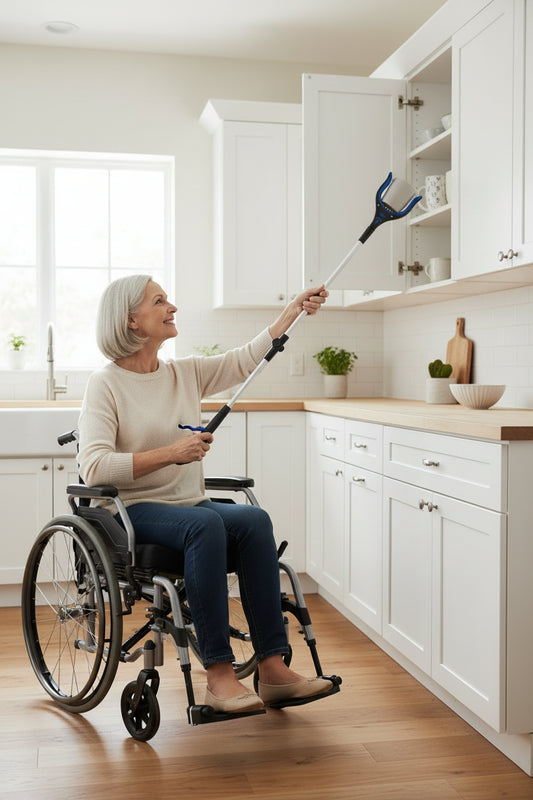
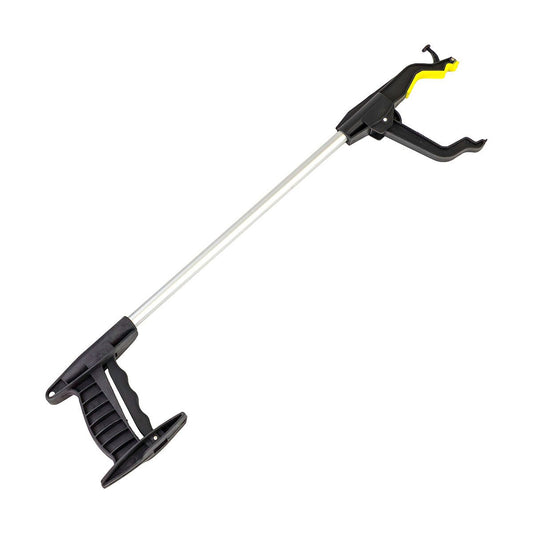
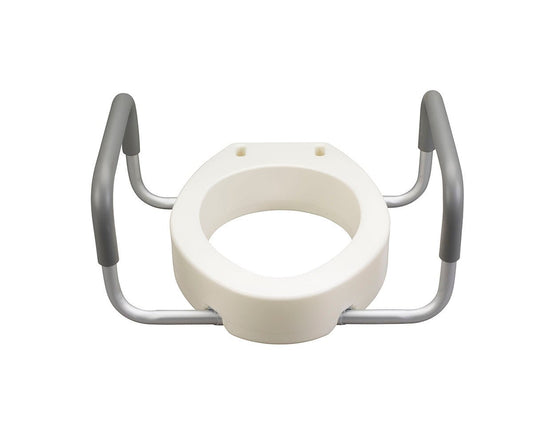
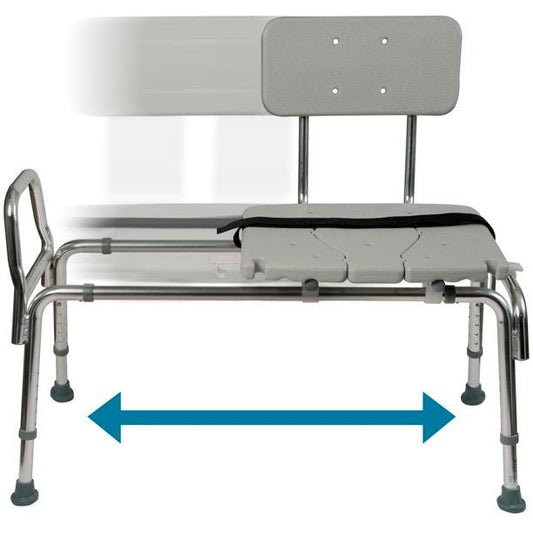
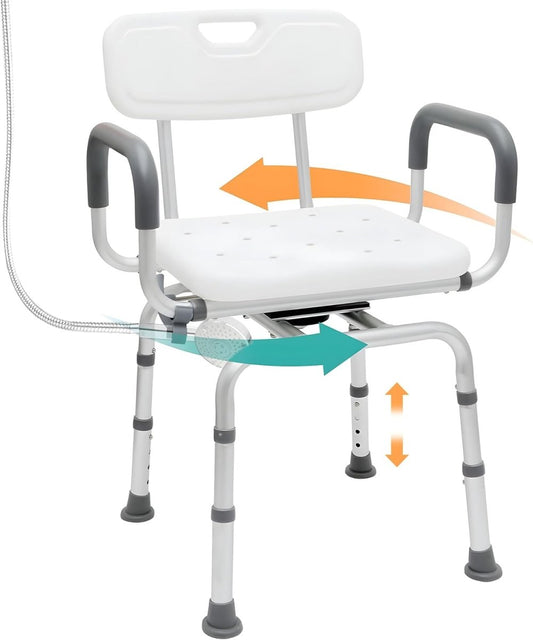
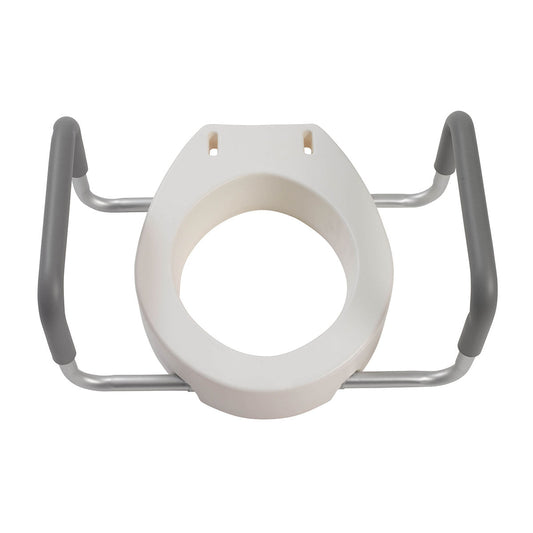
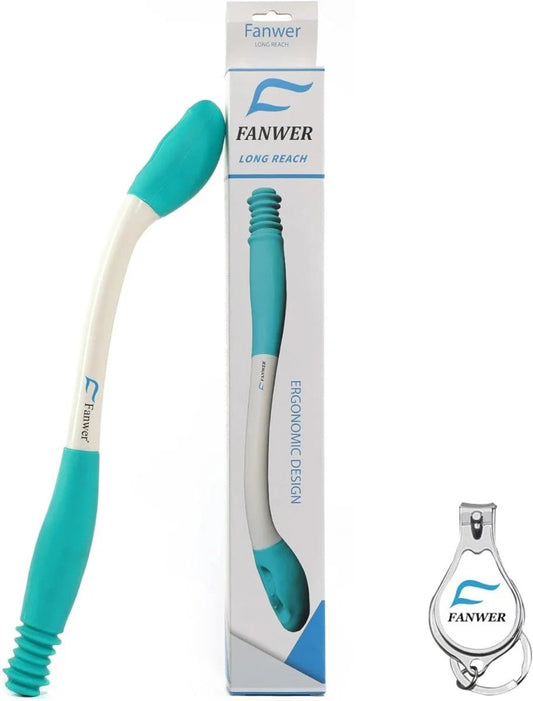
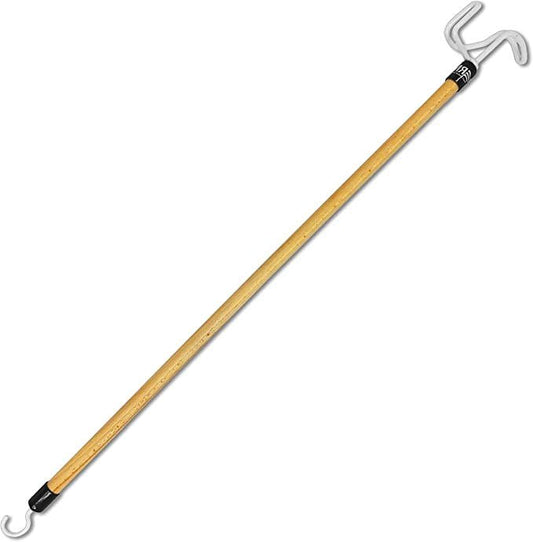
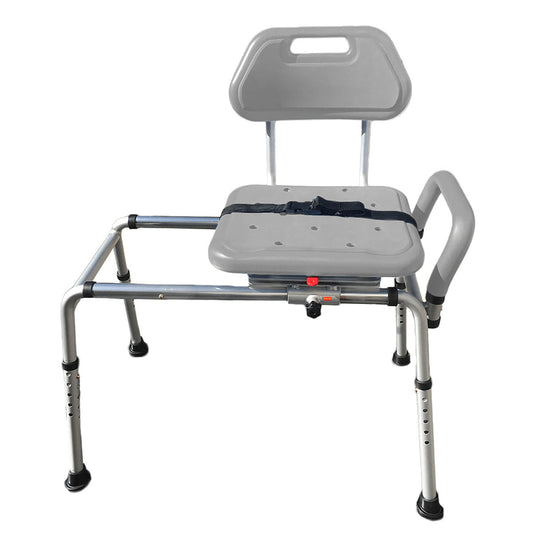
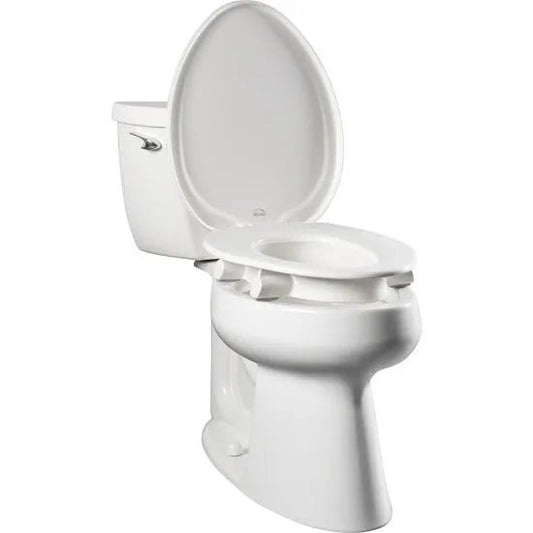
What do I need at home after open heart surgery? A raised toilet seat and shower chair so you can stand up without pushing off with your arms, a bed setup that avoids straining the chest, and reachers for anything overhead. Sternal precautions restrict pushing, pulling, and lifting for weeks. For the full room-by-room checklist, the first 48 hours at home, and what insurance will and will not cover, see our guide to coming home from the hospital.
Cardiac surgery patients — including those recovering from open heart surgery, bypass surgery (CABG), and valve replacement — are typically discharged within 4–7 days and arrive home with strict sternal precautions that affect nearly every upper body movement in daily life. Your home needs to be ready before you get there.
A post-operative recovery article published by the Cleveland Clinic explains that managing early recovery requires strict limits on upper body force — such as avoiding lifting, pushing, or pulling anything over ten pounds — to fully protect the incision site and ensure the breastbone heals safely.
What Sternal Precautions Restrict After Cardiac Surgery
Sternal precautions protect your healing sternum and restrict movements you do constantly without thinking:
- No pushing or pulling with the arms — getting up from a chair, off the toilet, or out of bed without pushing off with your hands requires equipment and technique
- No lifting beyond prescribed weight limits — carrying anything heavier than a gallon of milk may be prohibited for 6–8 weeks
- No reaching overhead or across the body — dressing, bathing, and basic grooming all require adaptive strategies
- No driving for 4–8 weeks — household independence depends entirely on what is already set up at home
What Sternal Precautions Make Difficult
- Getting on and off the toilet without pushing off with the arms
- Getting in and out of the shower safely with restricted upper body movement
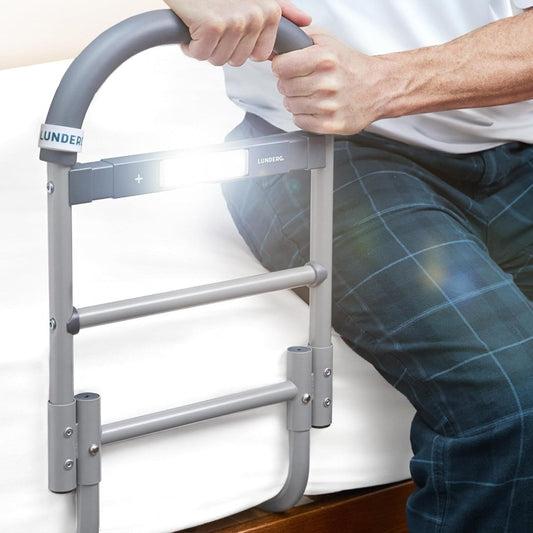
- Getting in and out of bed without straining the chest
- Dressing and bathing independently with limited arm reach and strength
- Managing fatigue — cardiac surgery recovery causes significant exhaustion that makes even short distances and simple tasks genuinely difficult
Why Fall Prevention Is Critical After Cardiac Surgery
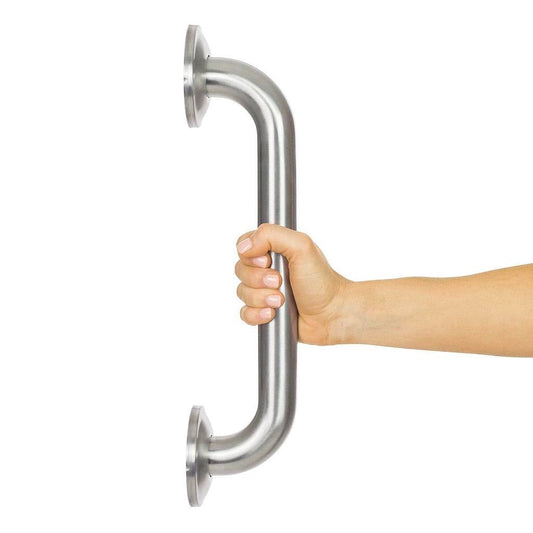
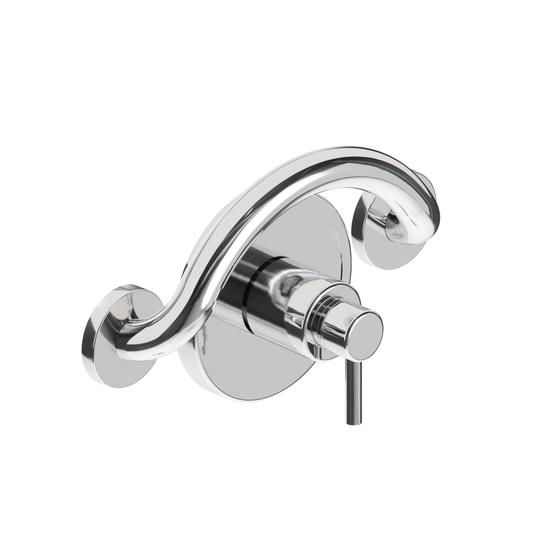
Cardiac surgery recovery causes significant fatigue, and medications such as blood thinners and beta-blockers can affect balance and blood pressure when standing. A fall during recovery is especially dangerous — a chest impact could compromise sternal healing, and blood thinners increase bleeding risk. Grab bars, shower chairs, and bed rails are essential from day one, not an afterthought.
OT-Recommended Recovery Equipment, Curated for Cardiac Surgery
Every product in this collection has been hand-selected by home safety Occupational Therapy Practitioners to support safe, confident recovery from day one. Order at least 2 weeks before your surgery date so everything is installed and ready when you arrive home.
All products
21 products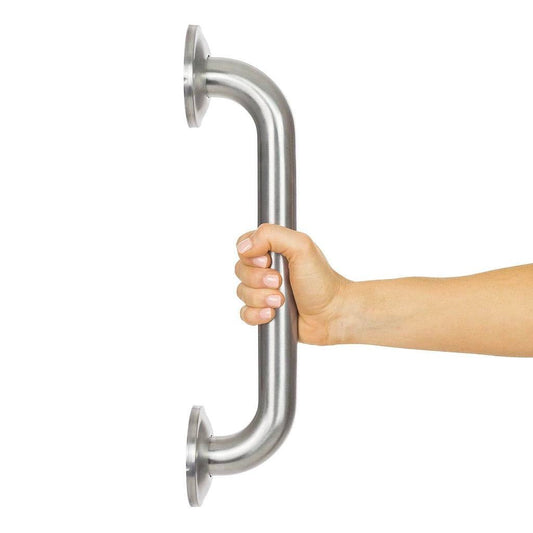
Show all 21Show fewer



Found what helps but need funding?
We've got options to make this affordable.
Related collections

Why you need an OT
An occupational therapist helps you stay independent, manage conditions, and set up a home that supports you. Find out how they can help, virtually or in person.
Read why you need an OT →