


SymplBrush Jr. Automatic Toothbrush | Adaptive Toothbrush for Kids
SymplBrush Jr. Automatic Toothbrush | Adaptive Toothbrush for Kids
Couldn't load pickup availability
♡ 10 % of this purchase funds home‑safety grants for older adults + enjoy our easy 30 day return policy!
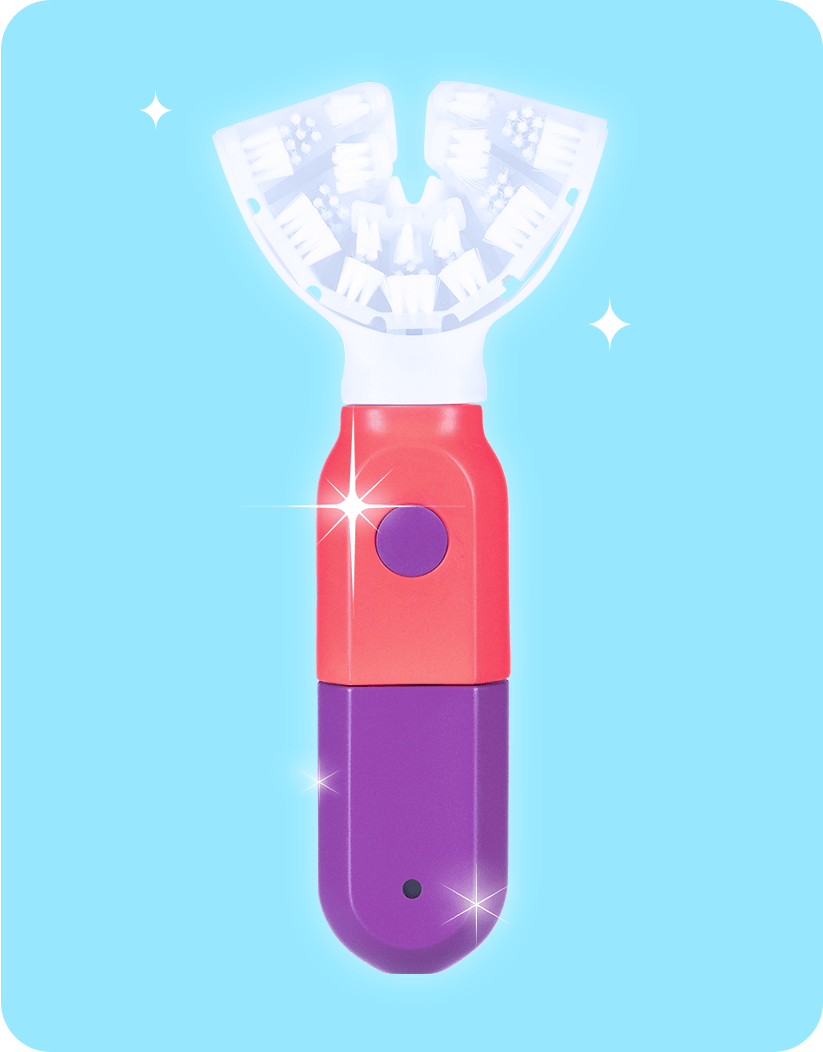
SymplBrush Jr. is an automatic toothbrush shaped like a mouthguard, sized for children ages 5 to 12. Instead of asking a child to aim a small brush head at one tooth at a time for two minutes, the flexible cradle covers a whole arch at once and the motor does the scrubbing. Guided mode makes it a single decision: press the button, hold for 15 seconds on the top teeth, wait for the pause, hold 15 seconds on the bottom, and the brush shuts itself off. Manual mode runs as long as the button is held, for kids who want to keep going.
The Starter Kit comes in Blue / Aqua or Coral / Purple and includes the handpiece, two sizes of the patented stretch fit cradle so the brush grows with your child's mouth, a charging stand, and a cord. The bristles are ultra soft nylon, and the stretch fit hinge means the cradle flexes around teeth rather than pressing a hard tray against them. For toothpaste, SymplBrush recommends a chewable tablet or a small amount of regular paste spread on the tongue first, rather than loading paste onto the bristle pads. Replace the cradle every three months with pediatric replacement bristles.
The brushing technology was tested in a six week blind study at the Forsyth Institute, where twice daily use outperformed manual brushing on gingivitis and inflammatory markers. Consistency is the whole game at this age: the National Institute of Dental and Craniofacial Research reports that tooth decay is the most common chronic disease of childhood, and that daily brushing with fluoride is the primary way families prevent it.
Ideal for children with limited hand strength, reduced coordination, or motor planning difficulty, for kids whose sensory sensitivities make a vibrating bristle head against individual teeth intolerable, and for any family where the two minute timer has become a nightly standoff. It also gives a child who cannot yet brush independently a way to do it themselves, which is the point of every adaptive tool we carry. Adults can use the full size SymplBrush.
Specifications
Specifications
Frequently Asked Questions
Frequently Asked Questions
P65 Warning for Plastics
P65 Warning for Plastics
⚠ WARNING:This product can expose you to chemicals including ethylene, which is known to the State of California to cause cancer and/or reproductive harm. For more information go to www.P65Warnings.ca.gov


Why we know this works!
Why we know this works!
Get Help from an Occupational Therapist!
Find an Occupational Therapist →

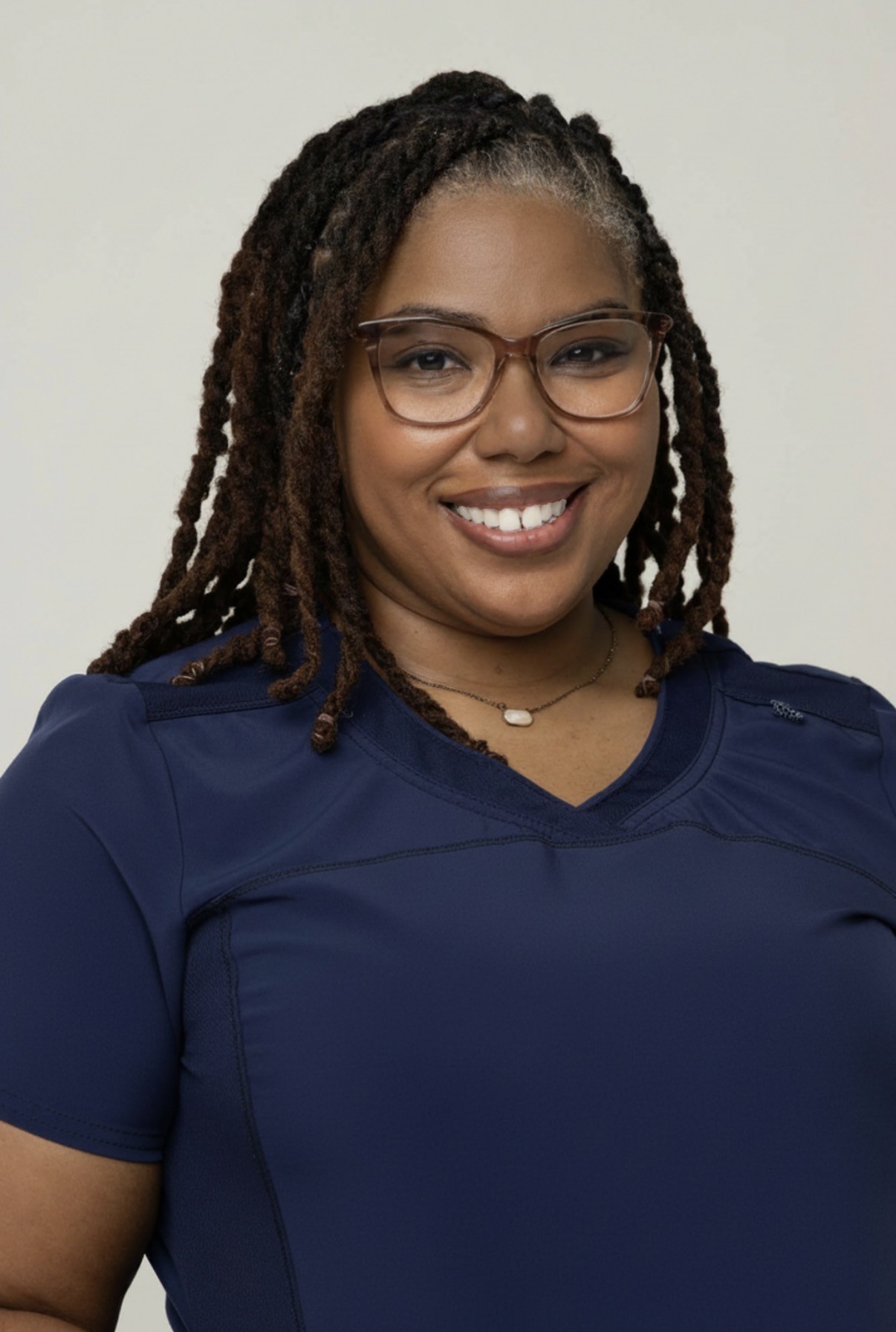



Not sure what you need?
An occupational therapist can assess your situation and recommend exactly what will help. Tell us what you're dealing with and we'll connect you with the right OT.
Related Products
-
Tilt-Top Overbed Table | Hospital Bed Table for Home
Regular price $140.00Regular priceUnit price per -
Battery-Powered Patient Lift | Electric Hoyer Lift with Sling Included
Regular price $2,768.71Regular priceUnit price per -
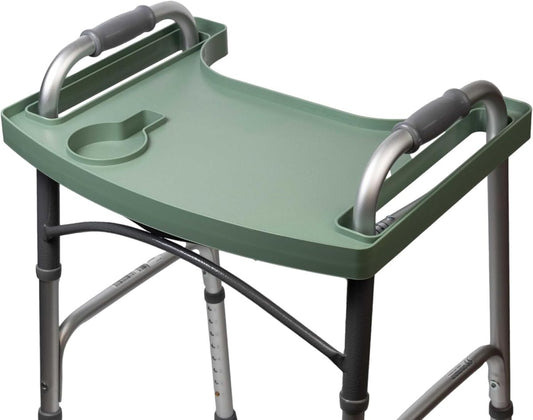
Walker Tray with Cup Holder | OT-Designed Tray for Folding Walkers
Regular price $39.99Regular priceUnit price per


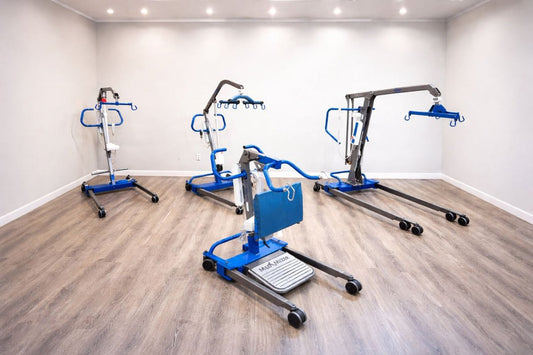
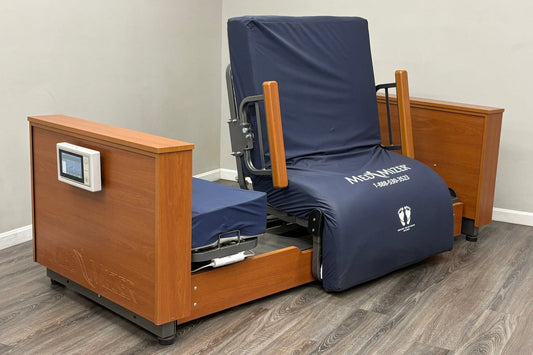
Solve the whole puzzle! Get education, resources and services right here.
-

Free Resources
Access free educational resources, guides, and materials from AskSAMIE to learn about...
-

Community Supports
Not every solution is a product. This collection points to community programs...


Dive Deeper: a knowledge base of solutions for real caregiving questions
View all-

21 Easy DIY Wheelchair Costumes for Adults
Looking for some fun and creative costume ideas that will make your wheelchair a key part of your Halloween outfit? This guide brings together 21 easy DIY wheelchair costumes for adults. From...
21 Easy DIY Wheelchair Costumes for Adults
Looking for some fun and creative costume ideas that will make your wheelchair a key part of your Halloween outfit? This guide brings together 21 easy DIY wheelchair costumes for adults. From...
-

Improve Sleep for Seniors: Aging-in-Place Tips ...
Better sleep for older adults starts with three changes: a supportive sleep position, safer nighttime lighting, and a consistent wind-down routine. Here's what occupational therapy practitioners recommend for aging in...
Improve Sleep for Seniors: Aging-in-Place Tips ...
Better sleep for older adults starts with three changes: a supportive sleep position, safer nighttime lighting, and a consistent wind-down routine. Here's what occupational therapy practitioners recommend for aging in...
-

Adaptive Cooking Equipment: What You Need for Y...
The right adaptive cooking equipment makes cooking safer and more independent for older adults and people with arthritis, tremors, stroke, or memory loss. See which kitchen tools occupational therapy practitioners...
Adaptive Cooking Equipment: What You Need for Y...
The right adaptive cooking equipment makes cooking safer and more independent for older adults and people with arthritis, tremors, stroke, or memory loss. See which kitchen tools occupational therapy practitioners...


