







Collection: Parkinson's Disease

Living with Parkinson's changes how you move through your home. Here's what helps.

Parkinson's disease is a progressive neurological condition that affects movement, balance, and coordination over time. Unlike a surgery or acute injury, Parkinson's doesn't have a single recovery moment — it requires an evolving home environment that adapts as the condition progresses. The right equipment at the right stage can mean the difference between staying home safely and an unexpected fall that changes everything.

Parkinson's makes daily life difficult in ways that are often invisible to others:

  • Tremors and rigidity make gripping, buttoning, eating, and writing increasingly difficult without adaptive tools
  • Shuffling gait and freezing episodes make every threshold, rug, and uneven surface a fall risk
  • Reduced balance and slower reflexes make getting in and out of the shower, on and off the toilet, and up from a chair genuinely dangerous without support
  • Fatigue and reduced coordination make dressing, bathing, and meal preparation exhausting and time-consuming
  • Soft voice and reduced facial expression can mask how much physical difficulty a person is actually experiencing

Parkinson's carries one of the highest fall risks of any progressive condition — and falls are the leading cause of injury-related hospitalization for people living with Parkinson's. Grab bars, shower chairs, raised toilet seats, rollators, and adaptive utensils are not just convenience items. They are what preserve independence, dignity, and safety at every stage.

The most recommended products for living safely with Parkinson's have each been hand-selected by home safety Occupational Therapy Practitioners to support independence and reduce fall risk at home. The best time to set up a safer home environment is before a fall happens — not after.

Whether virtual or in person, you can find an independent OT to help you discover the best solutions for being better at everyday activities. From home safety assessments to low vision training to care management, there's an occupational therapist to help.

Click on a helpful face below and get connected!

Learn More About Staying Safe At Home

FAQ About What You See!

What is adaptive equipment for Parkinson's disease?
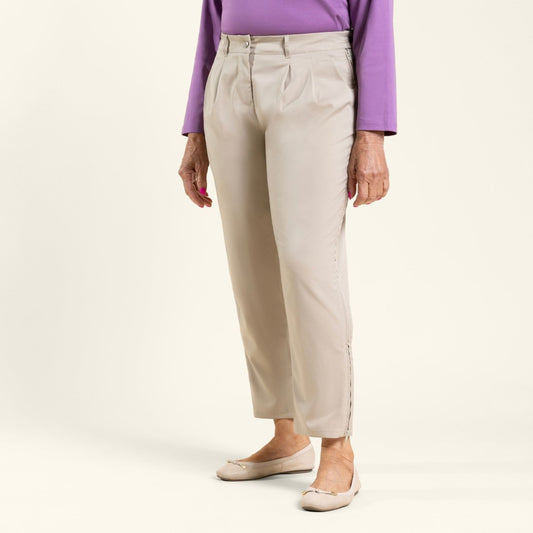
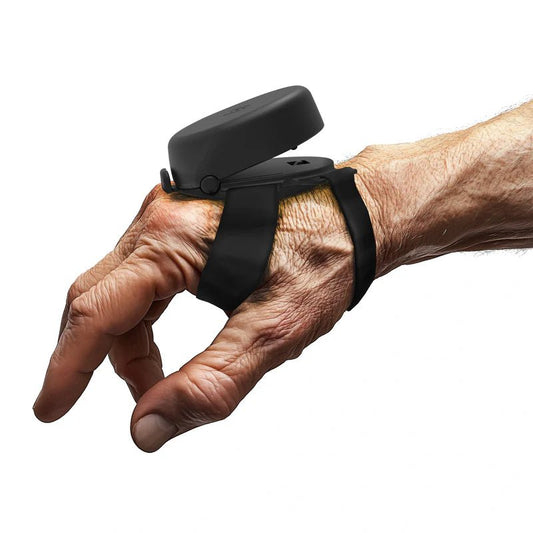
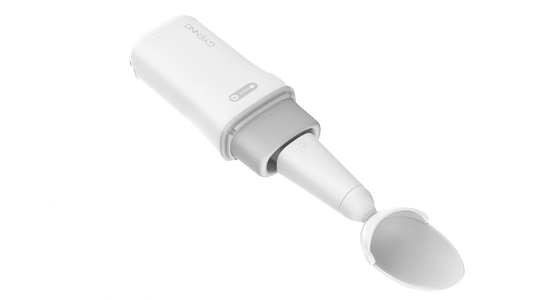
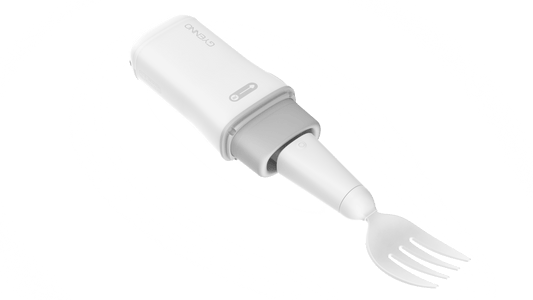
Adaptive equipment for Parkinson's includes specialized tools and devices designed to help manage symptoms like tremors, rigidity, and balance challenges. These products make daily activities easier and safer, including adaptive clothing with magnetic closures, weighted utensils, anti-tremor gloves, hands-free shoes, and mobility aids recommended by occupational therapists.

How does adaptive clothing help people with Parkinson's?
Adaptive clothing features modifications like magnetic buttons, side zippers, and elastic waistbands that eliminate the need for fine motor skills required by traditional fasteners. This helps people with Parkinson's dress independently despite tremors or rigidity, maintaining dignity and reducing caregiver burden during daily routines.

What are the best adaptive tools for Parkinson's tremors?
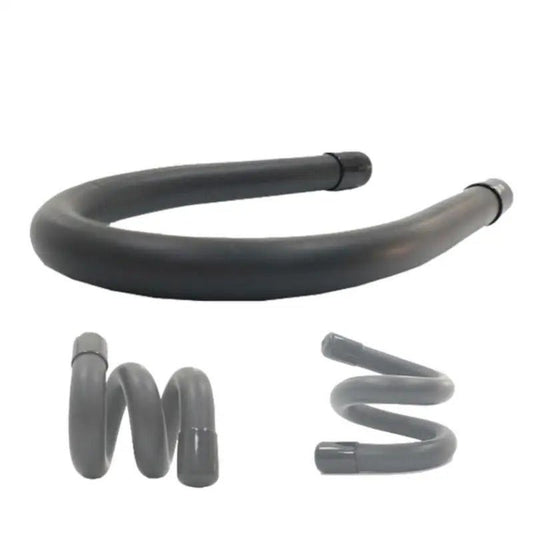
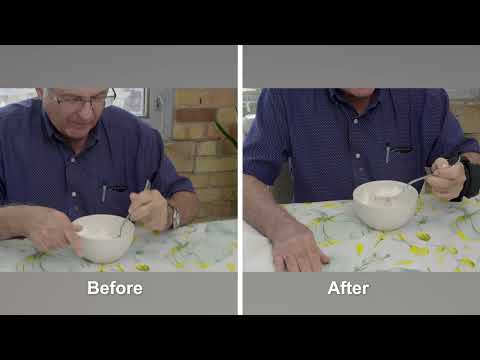
The most effective adaptive tools for tremors include weighted bracelets and utensils that add stability, anti-tremor gloves that counteract hand shaking, and adaptive clothing with easy-closure systems. Weighted items work by adding resistance that can help dampen involuntary movements during eating, writing, and other precision tasks.

Do weighted utensils really help with Parkinson's tremors?
Yes, weighted utensils and bracelets can significantly reduce the impact of tremors during meals and daily tasks. The added weight provides proprioceptive feedback and resistance that helps stabilize hand movements, making it easier to eat, drink, and perform activities that require hand control.

What should I look for when buying adaptive equipment for Parkinson's?
Look for products that address specific symptoms: magnetic or Velcro closures for tremor-related dressing challenges, weighted items for hand tremors, non-slip grips for rigidity, and stability aids for balance issues. Choose OT-recommended products with quality construction, washability, and features that match the individual's current symptom severity and progression stage.

Are hands-free shoes good for people with Parkinson's?
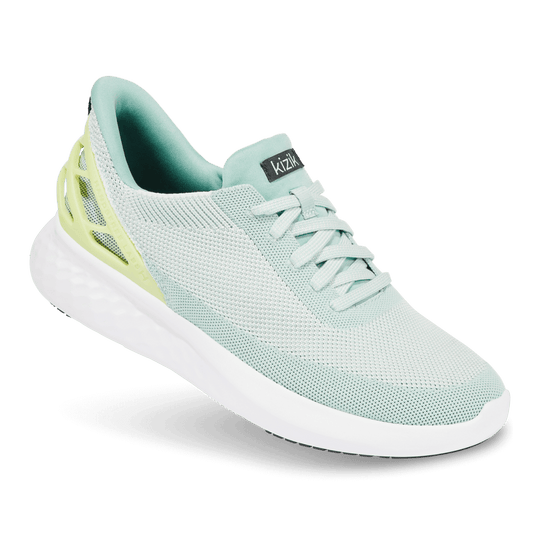
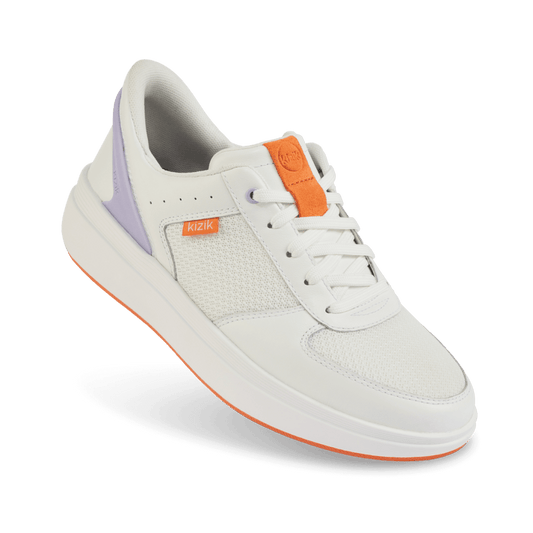
Hands-free shoes are excellent for people with Parkinson's because they eliminate the need to bend down and tie laces, which can be challenging with tremors, rigidity, or balance problems. Slip-on designs with structured support help maintain independence while reducing fall risk during the dressing process.

When should someone with Parkinson's start using adaptive equipment?
It's beneficial to introduce adaptive equipment as soon as daily tasks become challenging or frustrating, rather than waiting until they become impossible. Early adoption helps maintain independence, prevents compensatory movement patterns, and reduces caregiver stress. An occupational therapist can assess individual needs and recommend appropriate timing.

Will insurance cover adaptive equipment for Parkinson's disease?
Coverage varies by insurance plan and product type. Some adaptive equipment may be covered with a prescription from a physician or occupational therapist, particularly items classified as durable medical equipment. Contact your insurance provider and ask about coverage for adaptive aids, and keep receipts for potential HSA/FSA reimbursement.

How do anti-tremor gloves work for Parkinson's?
Anti-tremor gloves use gentle vibration, weighted materials, or stabilizing mechanisms to counteract involuntary hand movements. They provide external stability that helps reduce tremor amplitude, making it easier to perform tasks requiring hand precision like eating, writing, or using electronic devices.

What's the difference between adaptive clothing and regular clothing?
Adaptive clothing is specifically designed with modifications that accommodate physical limitations. For Parkinson's, this includes magnetic closures instead of buttons, side zippers for easier access, elastic waistbands, and open-back designs. These features eliminate the fine motor control needed for traditional fasteners while maintaining a dignified, stylish appearance.

Payment Resources

Found some things to help but don't have the funds? We've got options for you!

  • We take HSA/FSA cards right in the checkout.
  • Sign up for a no-interest payment plan with Shop Pay at checkout.
  • In the Kansas City Metro? Apply for AccessKC for up to $1800 in funding & use it for equipment here!
  • Enter your ZIP code here to find programs in your area that you may qualify for in order to get help!

Why You Need an OT!

An Occupational Therapist (OT) is your superhero! A skilled professional whose expertise can significantly enhance your quality of life by helping you maintain independence, manage chronic conditions, and ensure your home environment supports your needs.

When you're ready to dive into what occupational therapy is, why you might need it, and the myriad of ways an OT can be invaluable in your life click below!

Read Why You Need an OT!