


Bladder Support Device
Bladder Support Device
Couldn't load pickup availability
♡ 10 % of this purchase funds home‑safety grants for older adults + enjoy our easy 30 day return policy!
Non-invasive sensor uses ultrasound to track the bladder. This device helps know when it it time to go to the bathroom preventing little accidents. The monitor can also assist caregivers with knowing when a client needs to go to the bathroom. Connects via bluetooth to your phone & sends a notification when your bladder reaches the fullness level that you set, giving you time to get to the bathroom! Include setup and education time.
Discover five innovative strategies to effectively manage incontinence and maintain your dignity and comfort here.
Specifications
Specifications
Frequently Asked Questions
Frequently Asked Questions
P65 Warning for Plastics
P65 Warning for Plastics
⚠ WARNING:This product can expose you to chemicals including ethylene, which is known to the State of California to cause cancer and/or reproductive harm. For more information go to www.P65Warnings.ca.gov


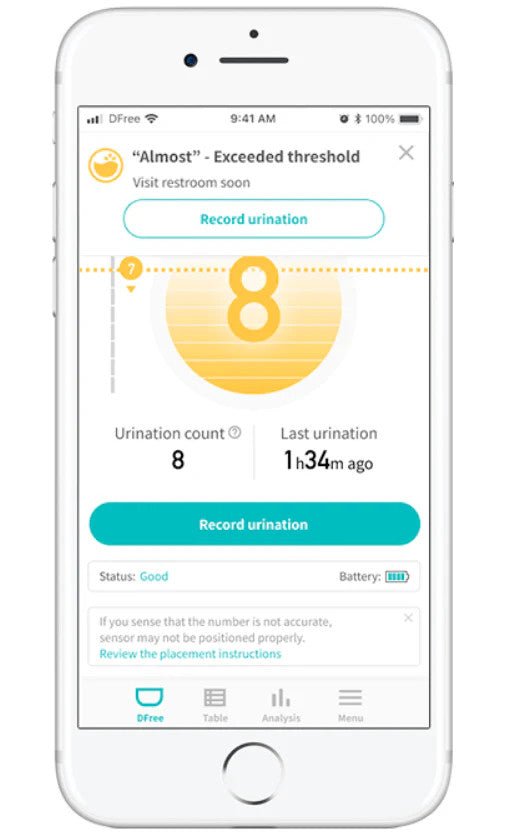
Why we know this works!
Why we know this works!
Get Help from an Occupational Therapist!
Find an Occupational Therapist →



Not sure what you need?
An occupational therapist can assess your situation and recommend exactly what will help. Tell us what you're dealing with and we'll connect you with the right OT.
Related Products
-
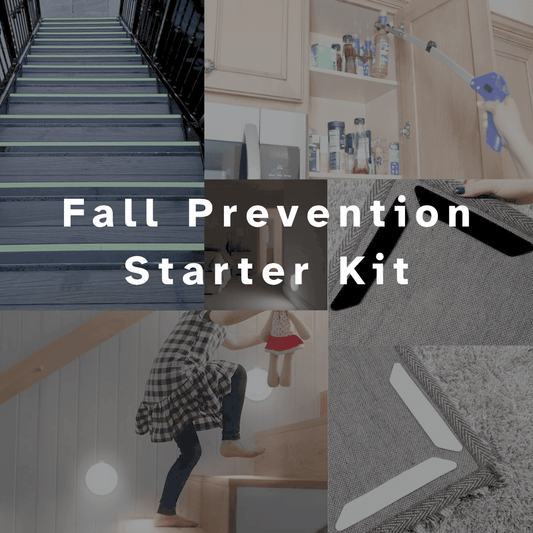
Fall Prevention Starter Kit
Regular price $57.99Regular priceUnit price per$68.92Sale price $57.99Sale -
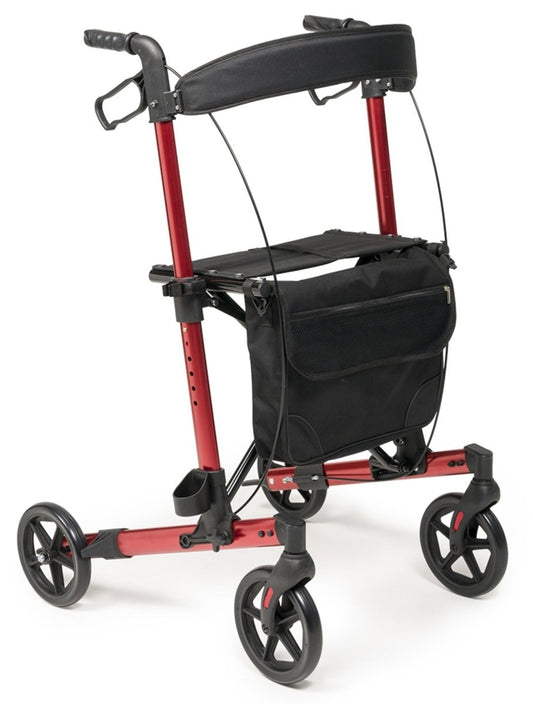
Tall Walker Rollator
Regular price $268.00Regular priceUnit price per -
Raised Toilet Seat with Handles – Soft-Close, 3-Inch Riser for Seniors
Regular price $134.95Regular priceUnit price per$168.95Sale price $134.95Sale -
Wireless Bed Alarm for Elderly – Fall Prevention Bed Exit Sensor
Regular price From $109.20Regular priceUnit price per -
Early-Alert Bed Alarm – Patented Pre-Exit Sensor for Fall Prevention
Regular price From $119.95Regular priceUnit price per$144.95Sale price From $119.95Sale


Solve the whole puzzle! Get education, resources and services right here.
-

Caregiver Training Courses
Go to website for the full training library We've partnered with Higher...
-

Free Resources
Access free educational resources, guides, and materials from AskSAMIE to learn about...


Dive Deeper: a knowledge base of solutions for real caregiving questions
View all-

How to Use AI for Medication Management: A Step...
Managing medications for an aging parent from a distance is stressful. This step-by-step guide shows family caregivers how to use AI tools to automate reminders, track refills, and get missed-dose...
How to Use AI for Medication Management: A Step...
Managing medications for an aging parent from a distance is stressful. This step-by-step guide shows family caregivers how to use AI tools to automate reminders, track refills, and get missed-dose...
-

What Tools Help You Beyond Hearing Aids if You'...
Hearing aids can't catch a smoke alarm at 2am or make phone calls easier to follow. Here's what does — CapTel phones, vibrating alarms, and other tools OTPs recommend for...
What Tools Help You Beyond Hearing Aids if You'...
Hearing aids can't catch a smoke alarm at 2am or make phone calls easier to follow. Here's what does — CapTel phones, vibrating alarms, and other tools OTPs recommend for...
-

How to Get Professional Guidance on Home Modifi...
A licensed occupational therapist evaluates your mobility, daily routines, and home layout to recommend specific modifications matched to your exact needs. Learn what a professional home modification assessment covers, who...
How to Get Professional Guidance on Home Modifi...
A licensed occupational therapist evaluates your mobility, daily routines, and home layout to recommend specific modifications matched to your exact needs. Learn what a professional home modification assessment covers, who...


