





Collection: Total Knee Replacement Recovery

Your knee surgery is scheduled. Here's what to buy now — before you need it.

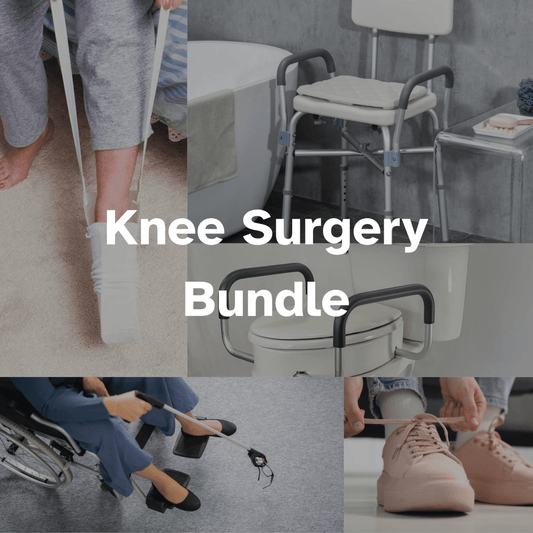
Whether you're preparing for a total knee replacement, or partial knee replacement, the days right after surgery will be your hardest — and the products waiting at home can make all the difference.

Here's the thing most people don't know until it's too late: you'll be home within 1–2 days of surgery. Standard knee precautions mean you won't be able to bend deeply and will have trouble walking due to pain. Everyday tasks — getting off the toilet, stepping into the shower, putting your shoe and sock on — become genuinely difficult tasks. Having the right equipment already in place means you (or your caregiver) won't be scrambling while you're in pain.

Order at least 2 weeks before your surgery date so everything is set up and waiting when you get home.

Explore our OT-vetted solutions below, designed in alignment with standard orthopedic recovery guidelines to minimize pain, prevent falls, and maximize early independence.

Learn More About Staying Safe At Home

FAQ About What You See!

What equipment do I need at home before total knee replacement surgery?

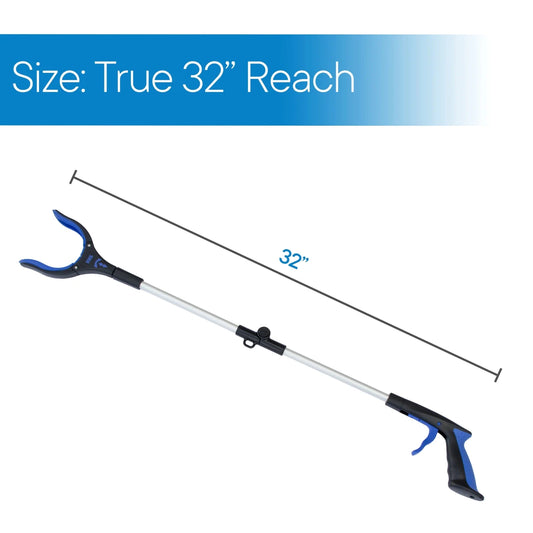
Before your total knee replacement, set up your home with a raised toilet seat with arms, a shower chair or tub transfer bench, a front-wheeled walker, a reacher/grabber tool, and a sock aid. Occupational therapists recommend having these in place before you return home — most patients are discharged within 1–2 days of surgery and won't be able to bend deeply or walk without pain. Ordering at least 2 weeks ahead ensures everything is installed and ready.

How long does it take to recover from a total knee replacement?

Most people regain functional independence within 6–12 weeks, though full recovery can take 6–12 months. The first 2 weeks are the most challenging — pain, swelling, and limited mobility make everyday tasks like using the toilet, showering, and dressing difficult without adaptive equipment. Physical therapy typically begins within 24 hours of surgery and continues for several weeks.

What are total knee replacement precautions I need to follow?

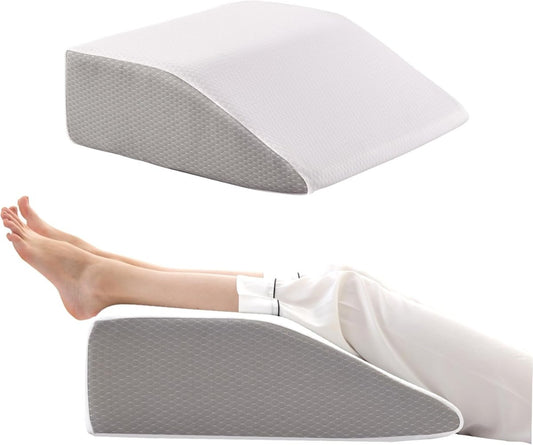
Standard knee precautions after total knee replacement include: avoiding deep knee bending (past 90°), not twisting the knee, keeping the leg elevated to reduce swelling, and using a walker or cane until cleared by your surgeon. These precautions protect the new joint while the surrounding tissue heals. Products like a raised toilet seat, bed wedge, and front-wheeled walker are specifically designed to help you stay within these precautions.

Do I need a raised toilet seat after knee replacement surgery?

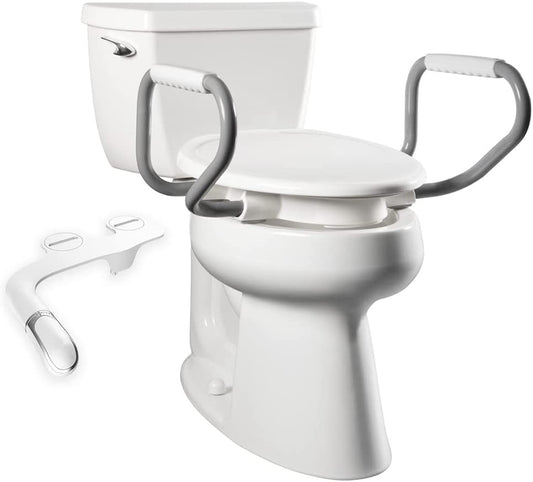
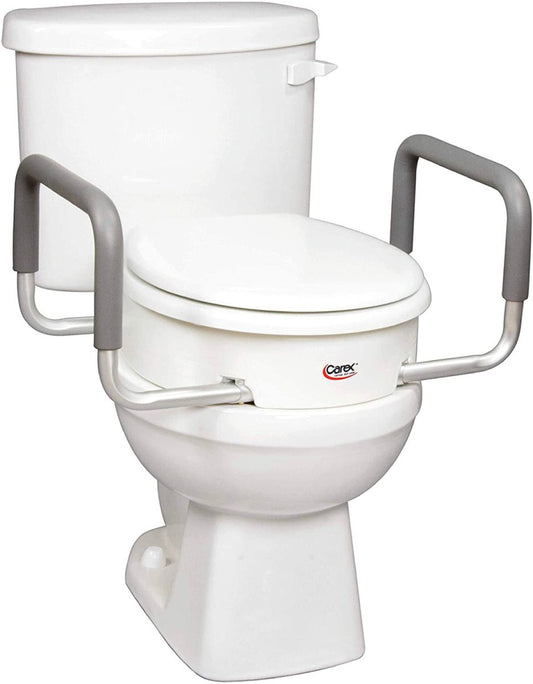
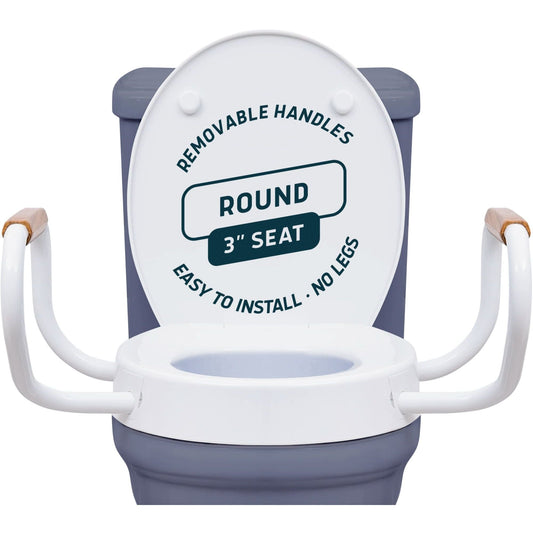
Yes — a raised toilet seat with arms is one of the most essential pieces of equipment after knee replacement. Standard toilet height requires deep knee bending that violates post-surgical precautions and is extremely painful in the first weeks of recovery. A raised seat (typically 3–5 inches) reduces the bend required and the arms provide leverage to lower and raise yourself safely without straining the knee.

What type of walker is best after knee replacement surgery?

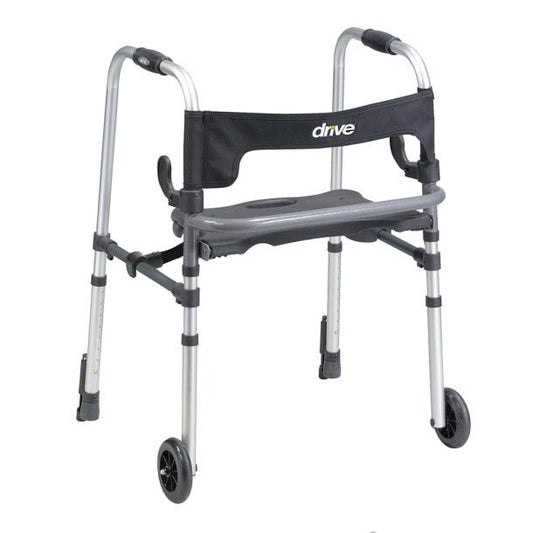
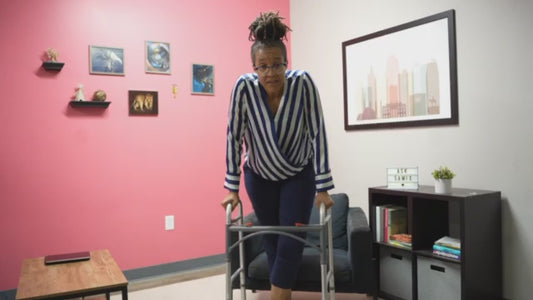
A front-wheeled walker (2-wheeled walker) is typically recommended after total knee replacement. Unlike a standard walker that requires lifting with each step, a front-wheeled walker glides forward, which is easier to manage when you're bearing partial weight on a healing knee. Your physical therapist will confirm the right type and height for your specific gait and recovery stage.

How do I put on socks and shoes after knee replacement surgery?

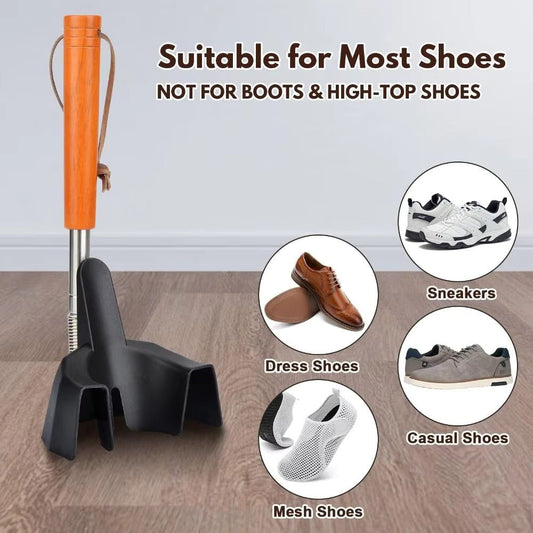
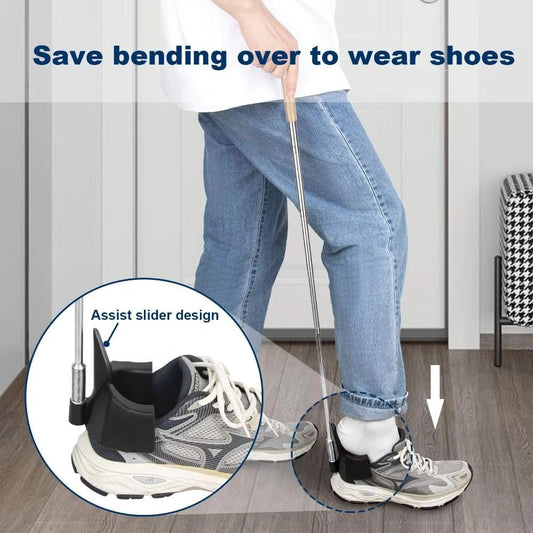
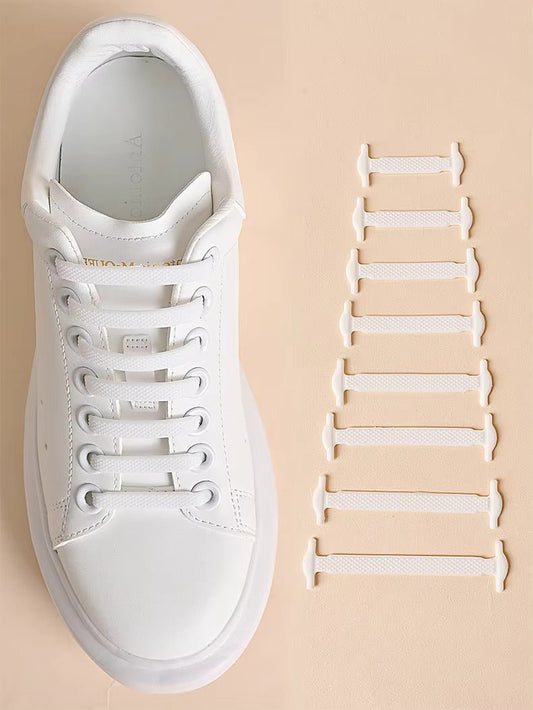
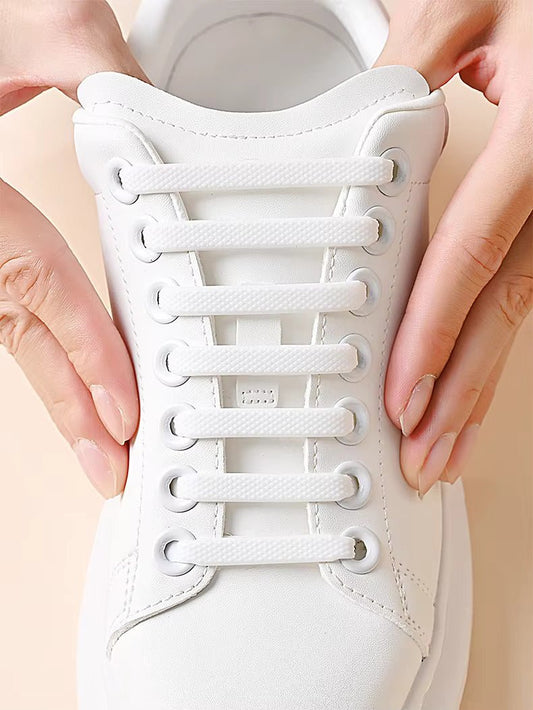
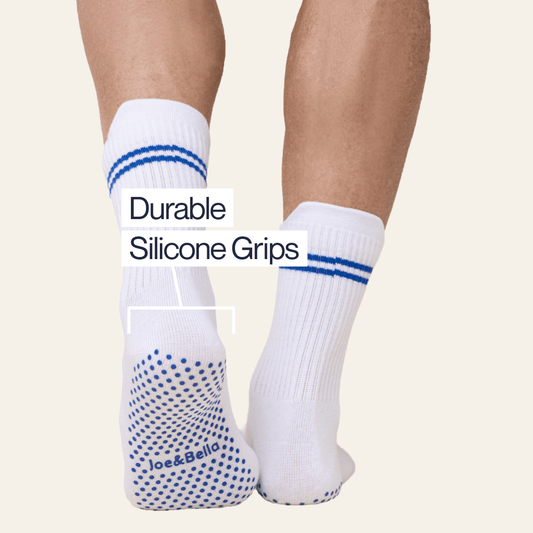
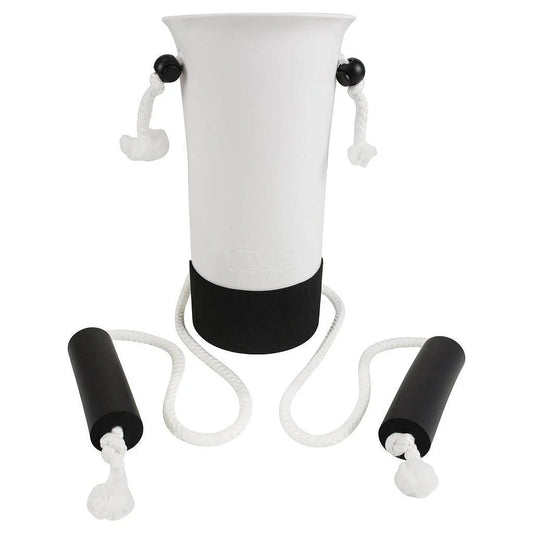
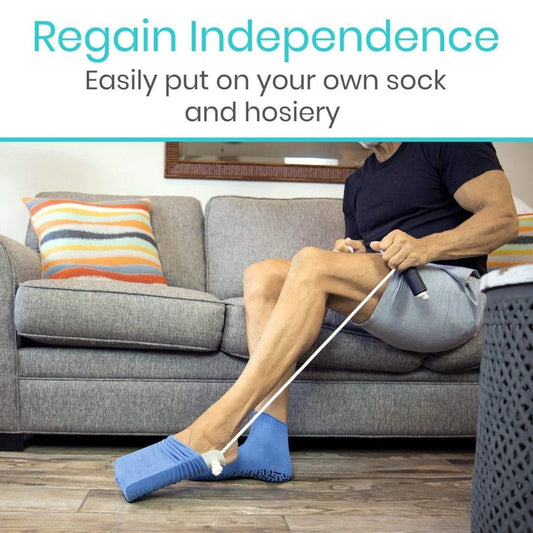
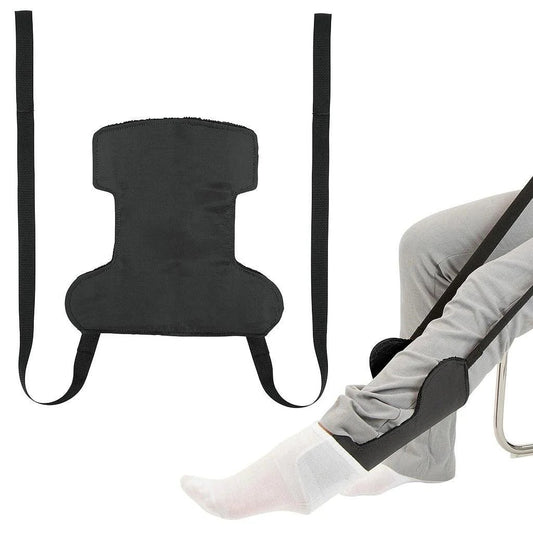
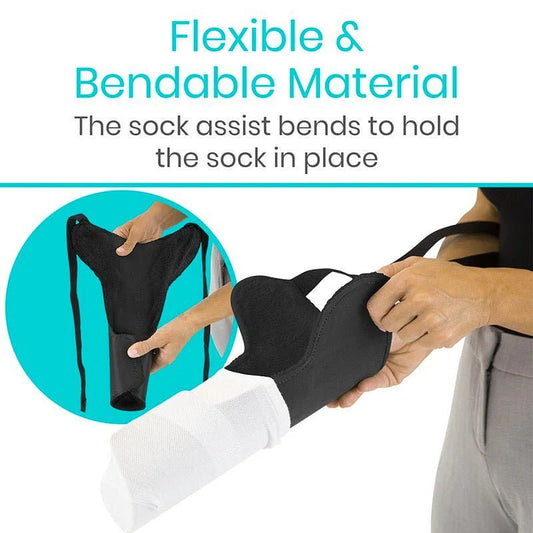
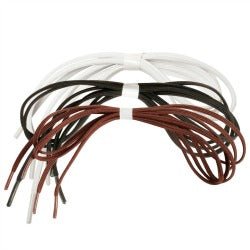
Bending to reach your feet is not possible in the early weeks of recovery due to knee precautions and swelling. A sock aid (rigid or flexible) lets you put on socks without bending — you load the sock onto the device, drop it to the floor, and slide your foot in. A foot funnel and elastic shoelaces eliminate the need to tie shoes. These tools are standard OT recommendations for post-surgical dressing independence.

Should I use ice or heat after knee replacement surgery?

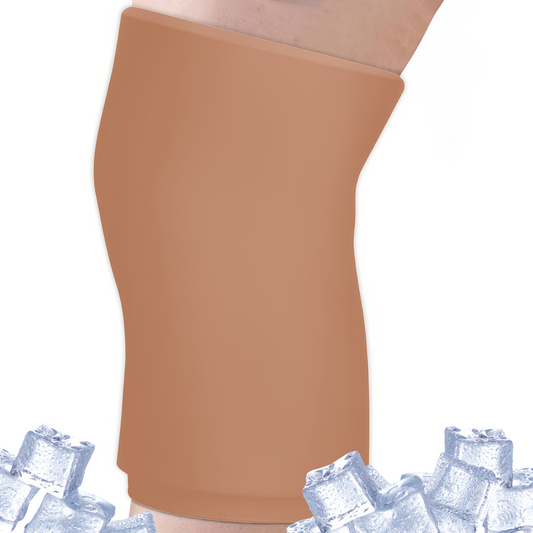
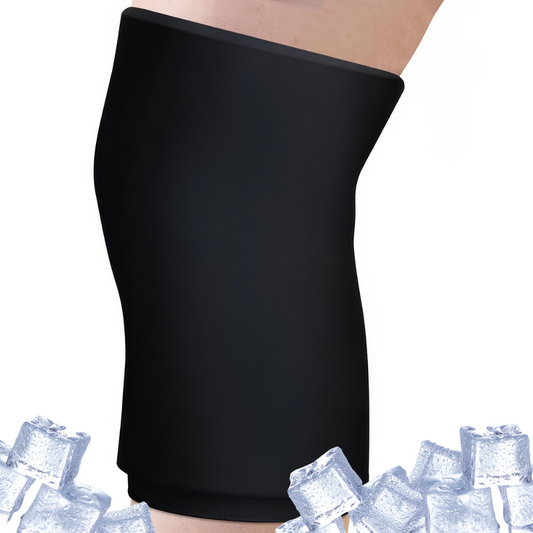
Ice (cold therapy) is recommended by the American Academy of Orthopedic Surgeons in the first days and weeks after surgery to reduce swelling and pain — heat is generally avoided early on as it can increase inflammation. A cooling compression sleeve provides consistent cold compression to the knee joint and is more practical for ongoing use than ice packs. Always follow your surgeon's specific protocol, as timing and duration vary.

How do I shower safely after knee replacement surgery?

A tub transfer bench or swivel shower chair is essential for safe bathing after knee replacement. A tub transfer bench lets you sit on the outside of the tub and slide in without stepping over the tub wall — critical when your balance and strength are compromised. A swivel shower chair allows you to sit while bathing and rotate safely. Gripper socks add traction on wet surfaces when moving between the bathroom and shower area.

What is the difference between total knee replacement and partial knee replacement recovery?

Both procedures share similar early recovery needs — adaptive equipment, walker use, and activity restrictions — but partial knee replacement (unicompartmental) typically involves a shorter hospital stay, less post-op pain, and faster return to function (often 4–6 weeks vs. 6–12 weeks for total). The same home safety equipment applies to both, though your surgeon and OT may adjust specific precautions based on which compartment was replaced.

What should a caregiver know about helping someone recover from knee replacement surgery?

Caregivers play a critical role in the first 1–2 weeks post-discharge. Key responsibilities include: helping with dressing (especially socks and shoes), ensuring the home is set up with grab bars, raised toilet seat, and walker before the patient arrives home, monitoring for signs of infection or blood clots (redness, warmth, swelling, calf pain), and assisting with icing and elevation schedules. Having a reacher/grabber and sock aid reduces how much physical assistance is needed for daily tasks, preserving the patient's dignity and reducing caregiver strain.

Payment Resources

Found some things to help but don't have the funds? We've got options for you!

  • We take HSA/FSA cards right in the checkout.
  • Sign up for a no-interest payment plan with Shop Pay at checkout.
  • In the Kansas City Metro? Apply for AccessKC for up to $1800 in funding & use it for equipment here!
  • Enter your ZIP code here to find programs in your area that you may qualify for in order to get help!

Why You Need an OT!

An Occupational Therapist (OT) is your superhero! A skilled professional whose expertise can significantly enhance your quality of life by helping you maintain independence, manage chronic conditions, and ensure your home environment supports your needs.

When you're ready to dive into what occupational therapy is, why you might need it, and the myriad of ways an OT can be invaluable in your life click below!

Read Why You Need an OT!