Bathroom Aids for Seniors
OT-recommended tools that make bathing, toileting, and grooming safer, grouped by task so you can find what you need fast.
The bathroom is statistically the highest-risk area in the home for older adults. According to the National Council on Aging (NCOA), falls are the leading cause of injury among adults 65 and older — and the bathroom is where the majority of those falls happen. Wet floors, slippery tub surfaces, low toilet heights, and the physical demands of bathing create compounding risks that the right equipment directly addresses.
The Most Dangerous Moments in the Bathroom for Seniors
- Stepping into or out of the tub or shower — requires balance, leg strength, and coordination that decline with age
- Getting on and off the toilet — standard toilet height forces a deep squat that strains knees, hips, and lower back
- Reaching for soap, shampoo, or a towel — overhead and lateral reaching while wet significantly increases fall risk
- Standing on wet tile or a slippery tub floor — without non-slip surfaces, even a momentary loss of balance can cause a serious fall
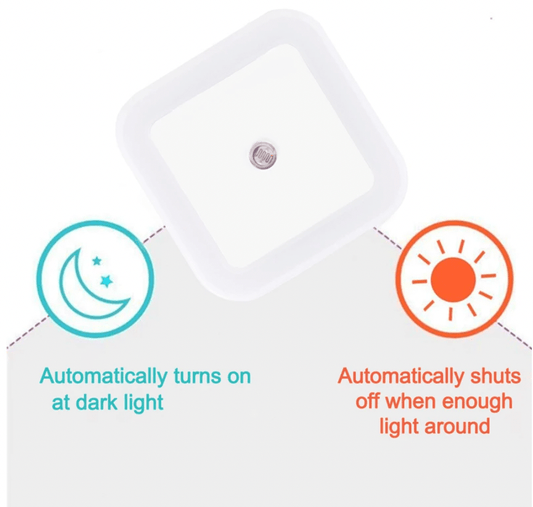
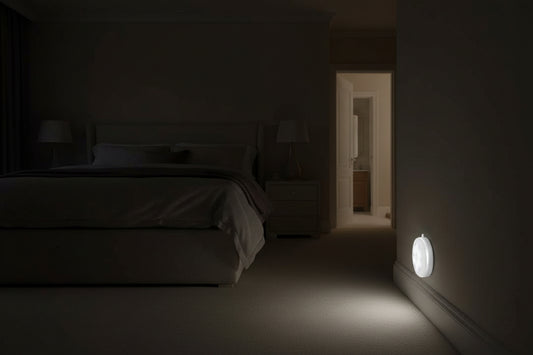
- Nighttime bathroom visits — reduced lighting and grogginess make the bathroom especially hazardous after dark
Most Effective Bathroom Aids for Older Adults
Occupational therapists recommend a layered approach to bathroom safety — addressing the shower, toilet, and floor simultaneously rather than making one modification at a time. The most clinically recommended bathroom aids for seniors include:
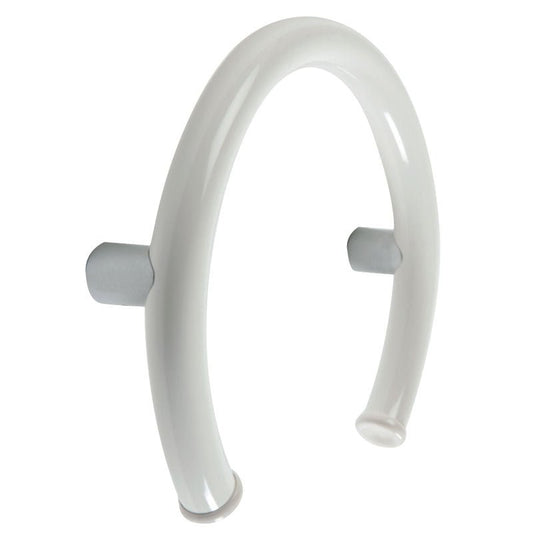
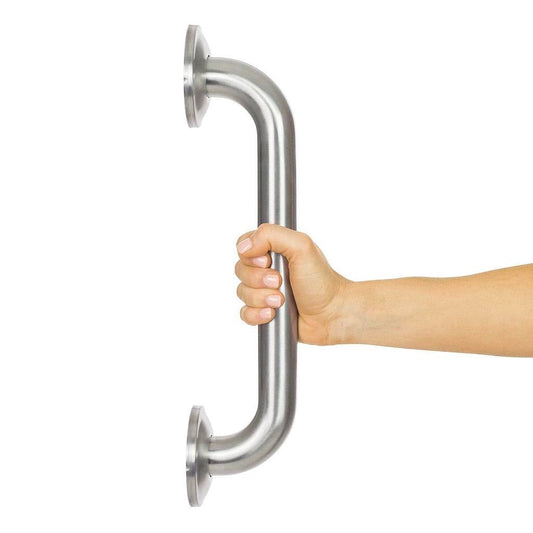
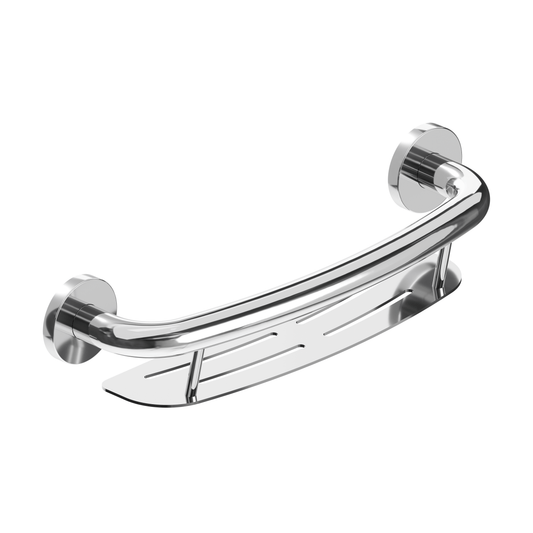
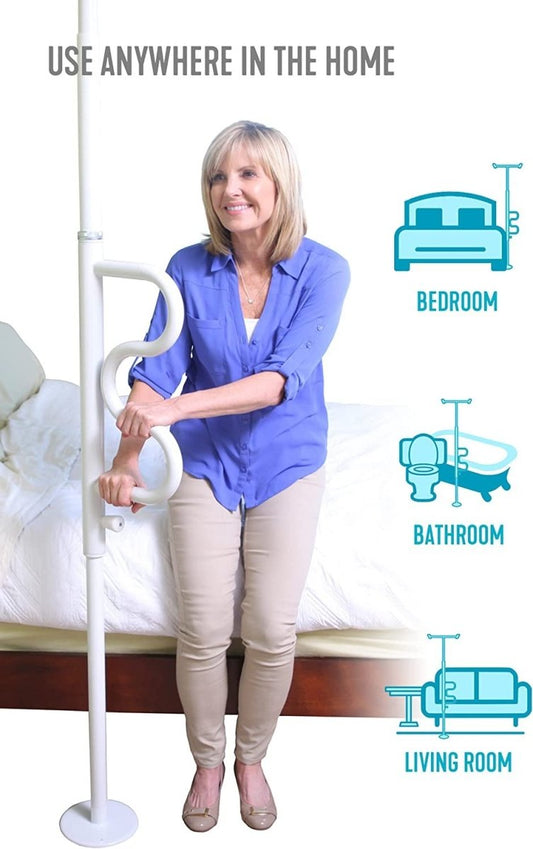
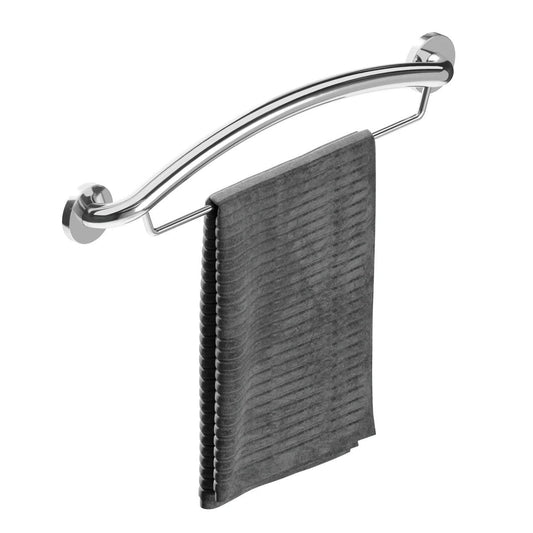
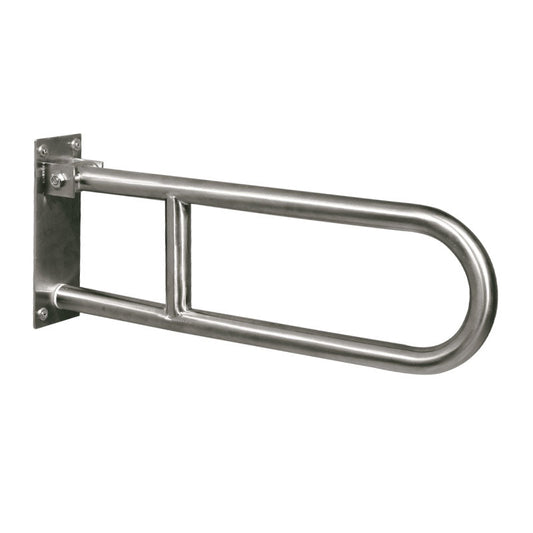
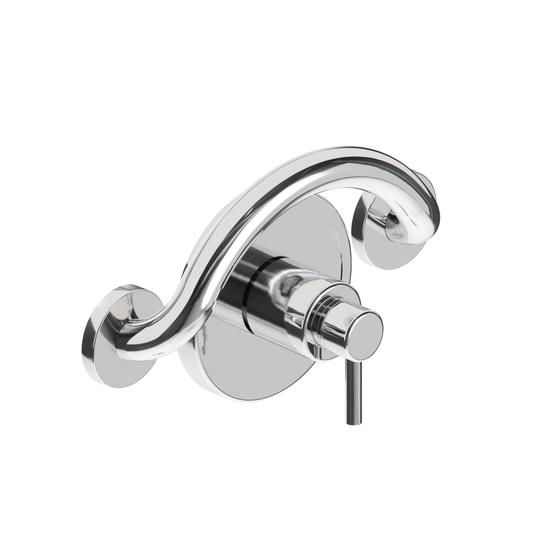
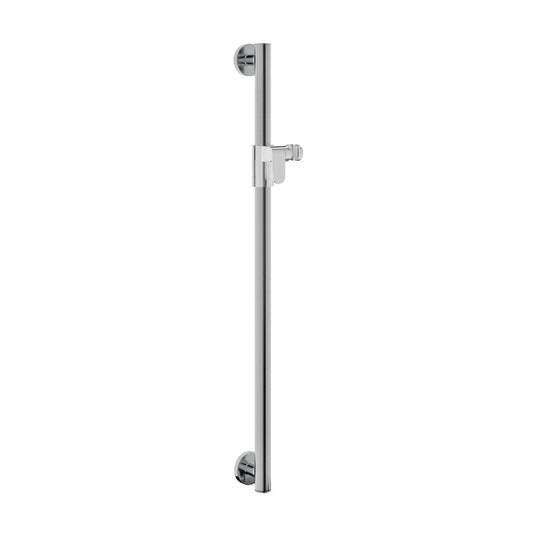
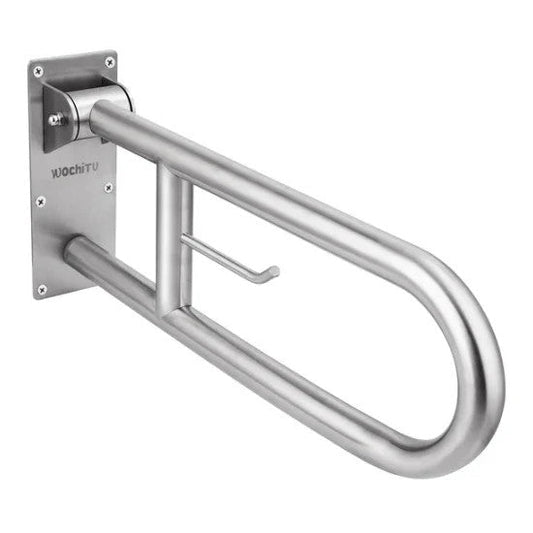
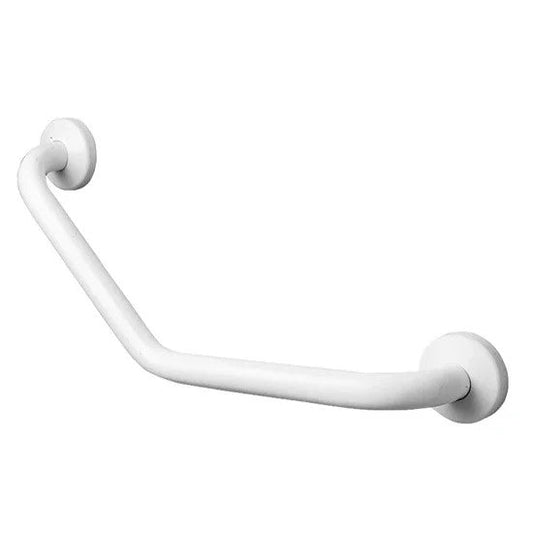
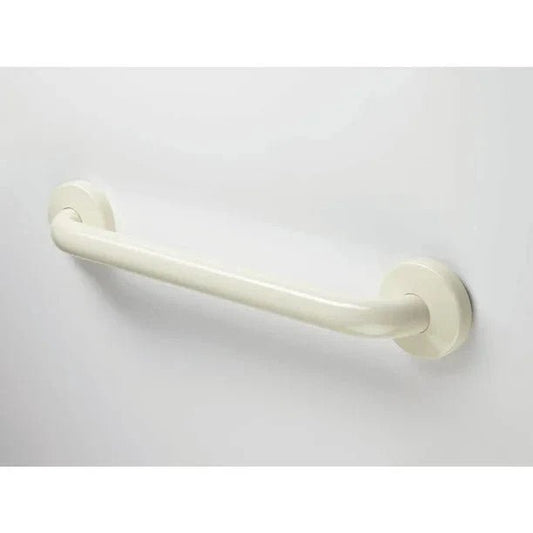
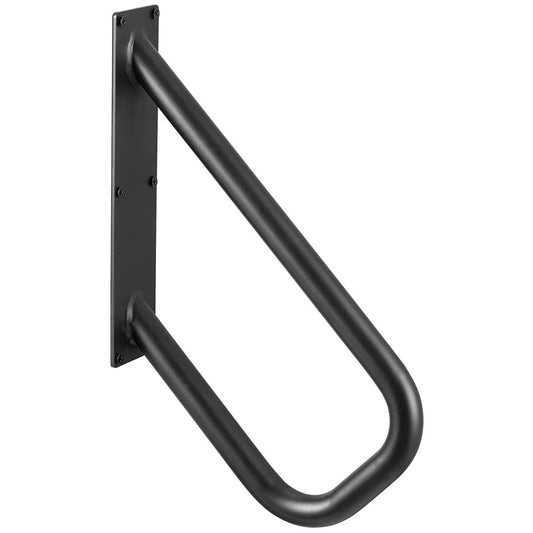
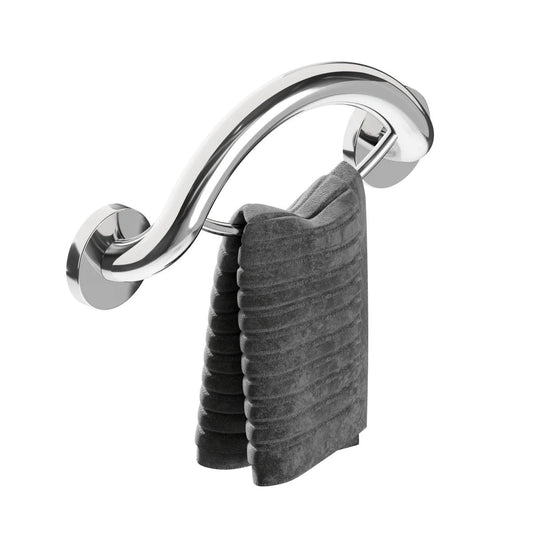
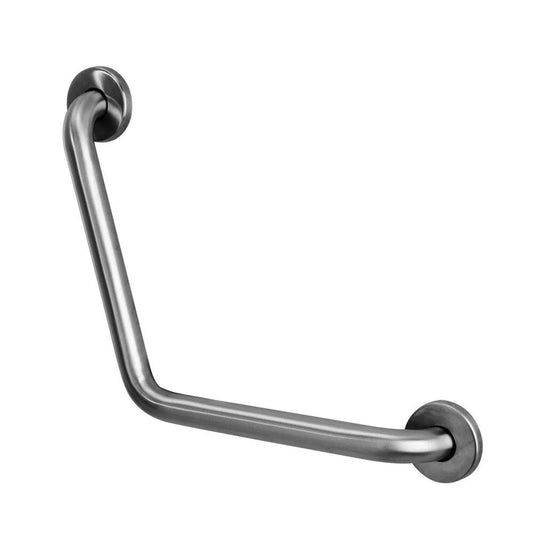
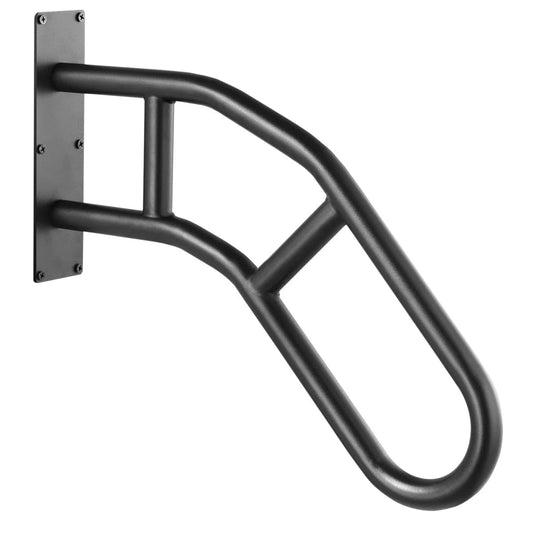
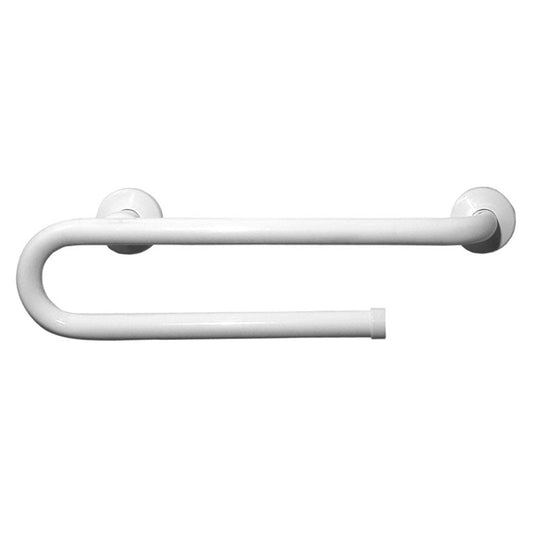
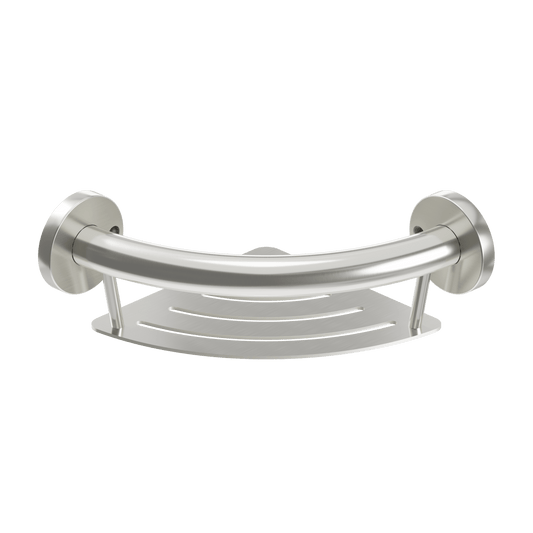
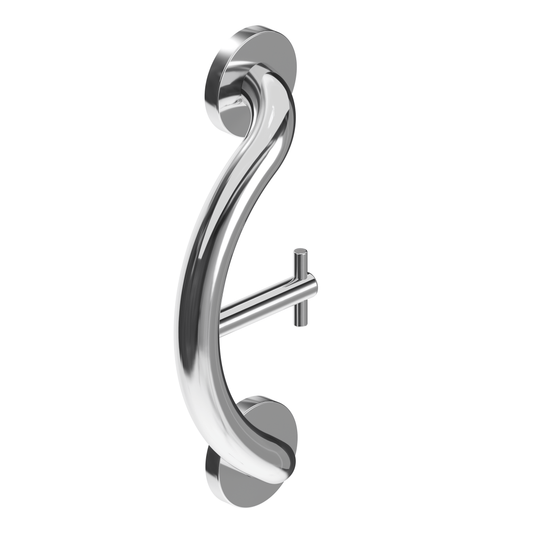
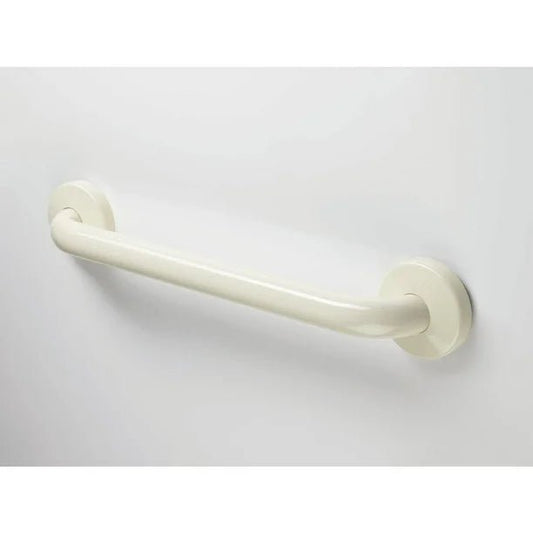
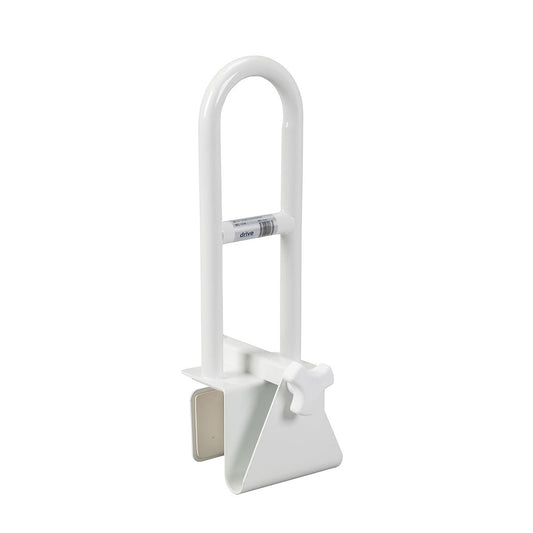
- Grab bars — wall-mounted near the toilet, inside the shower, and at the tub entry point for stable support
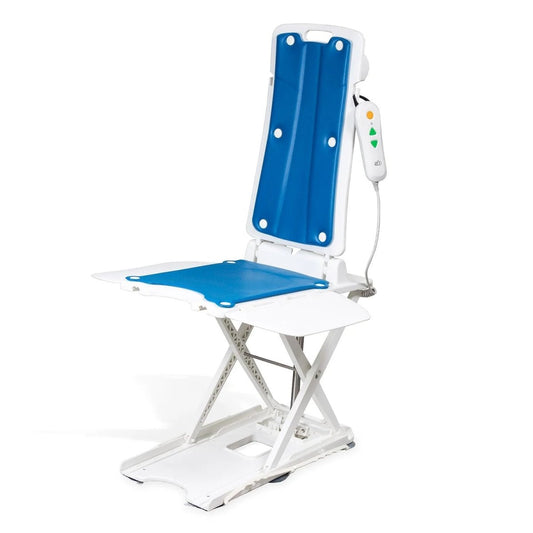
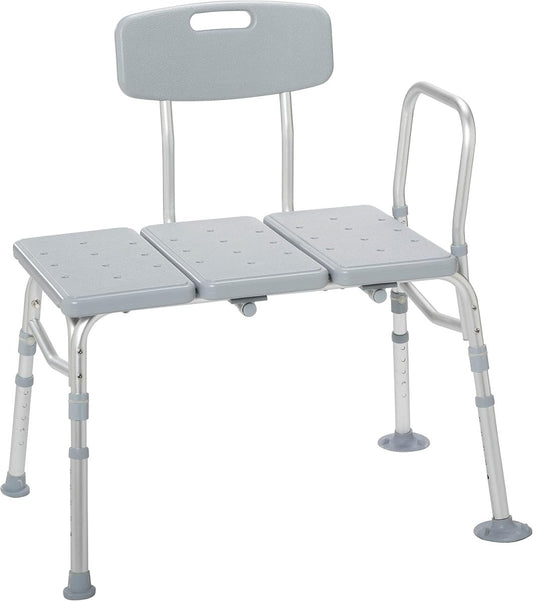
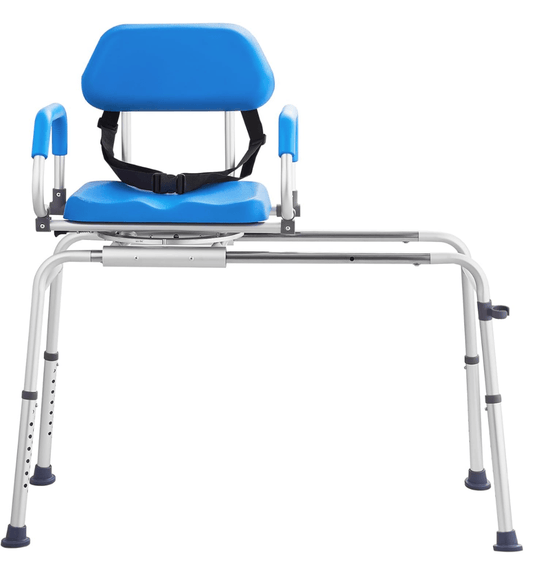
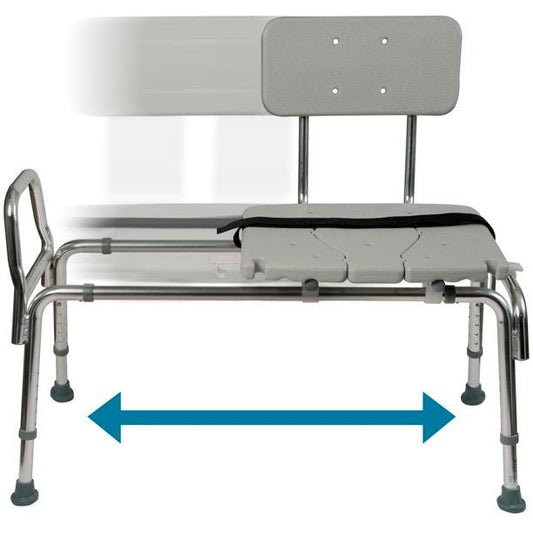
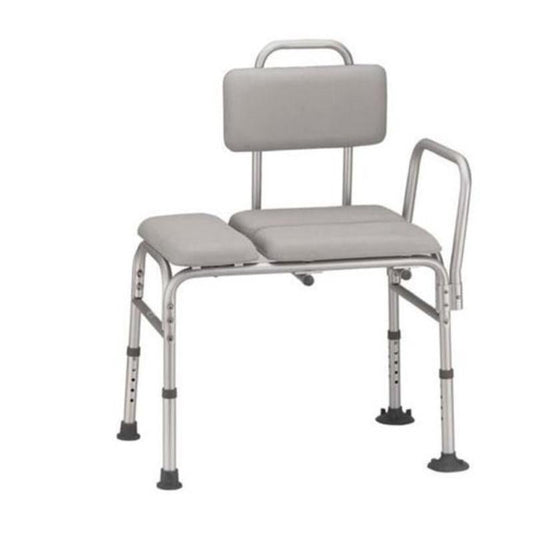
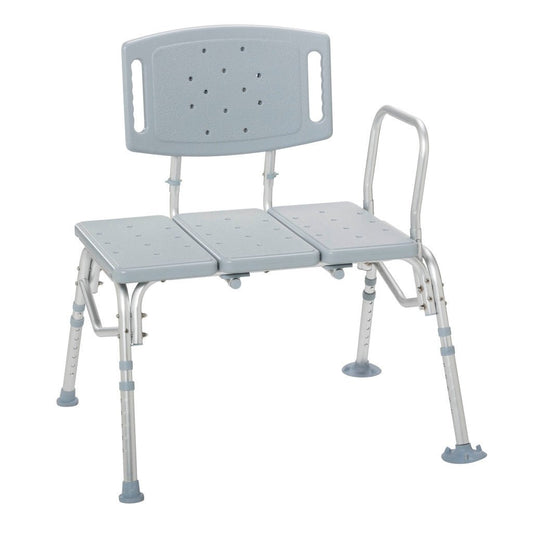
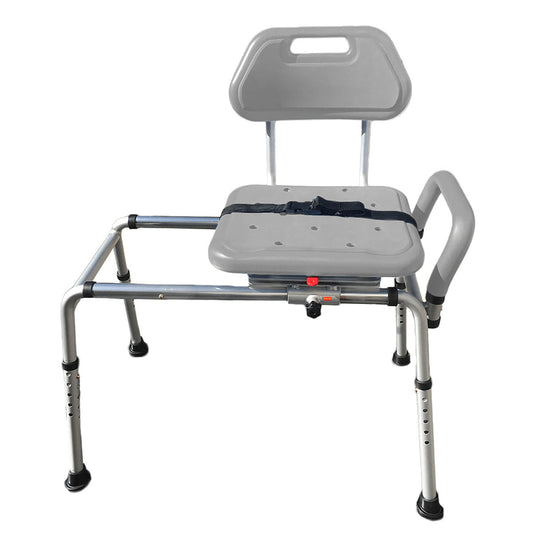
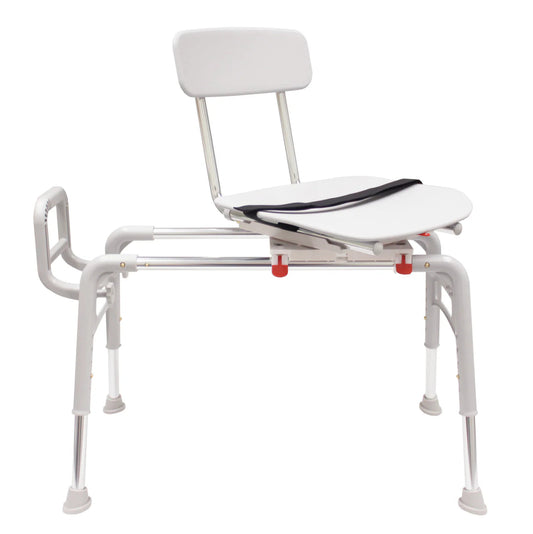
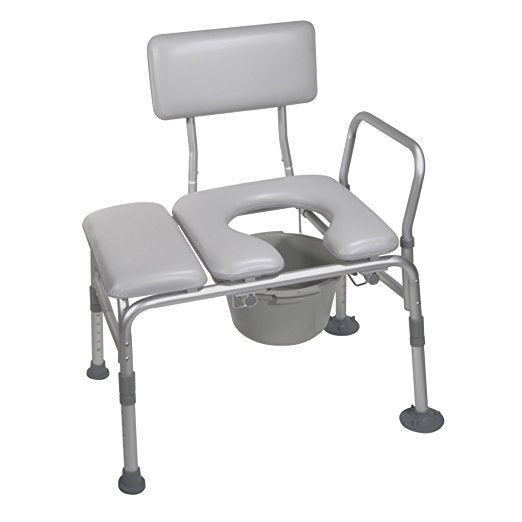
- Tub transfer benches — allow seated entry into the tub without stepping over the edge
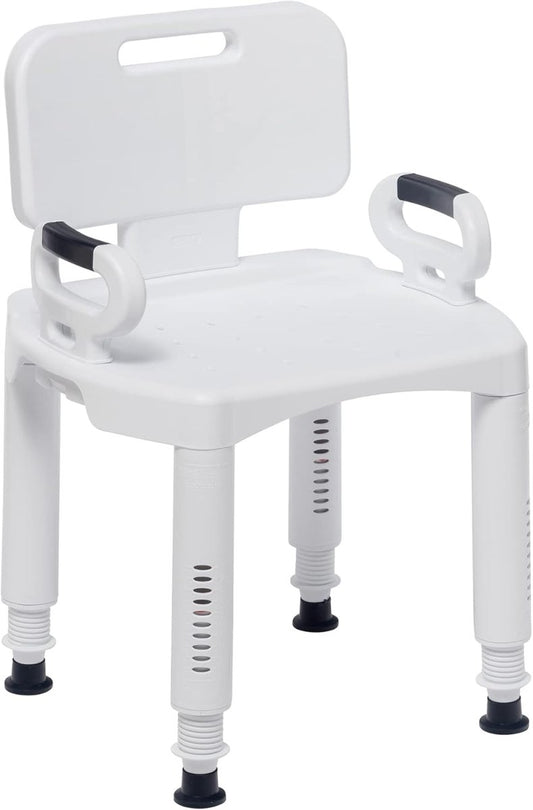
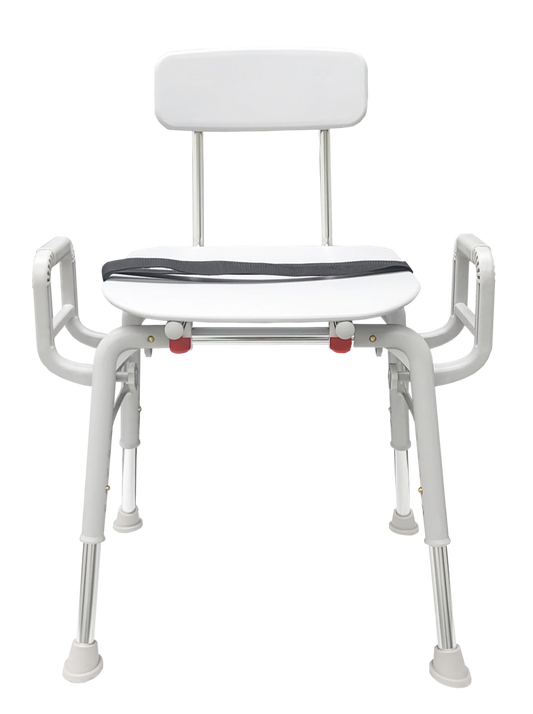
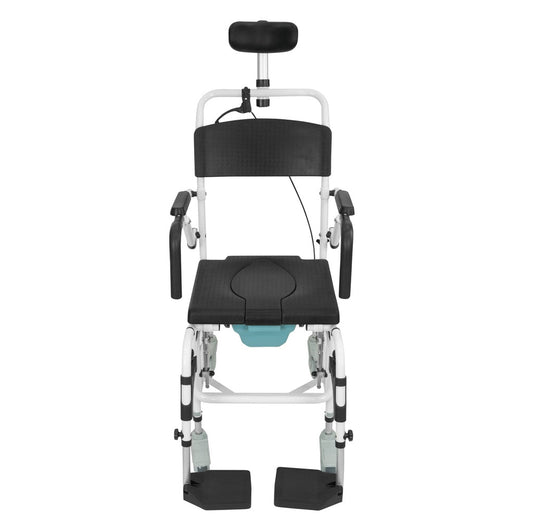
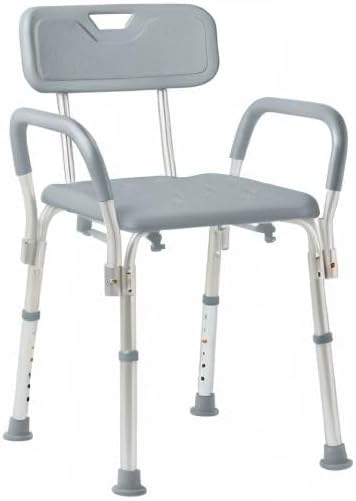
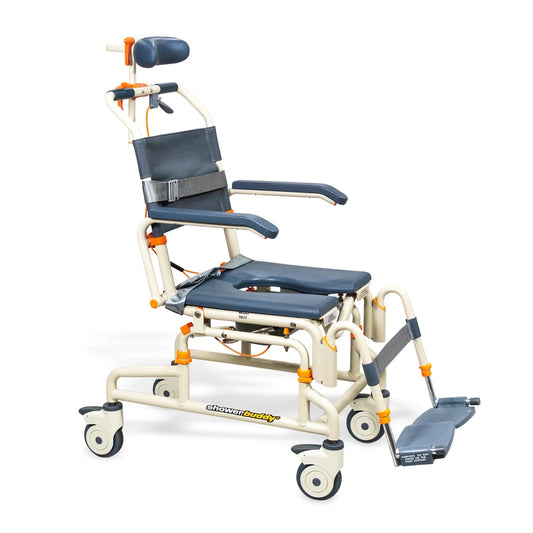
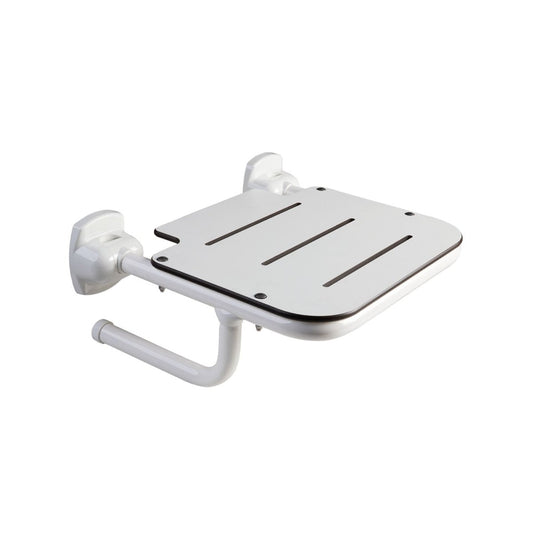
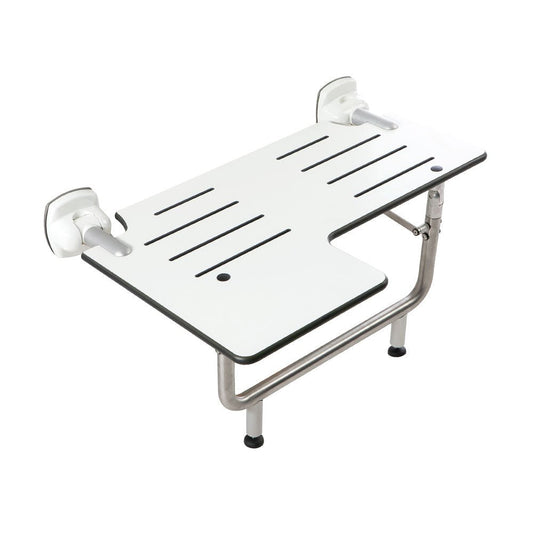
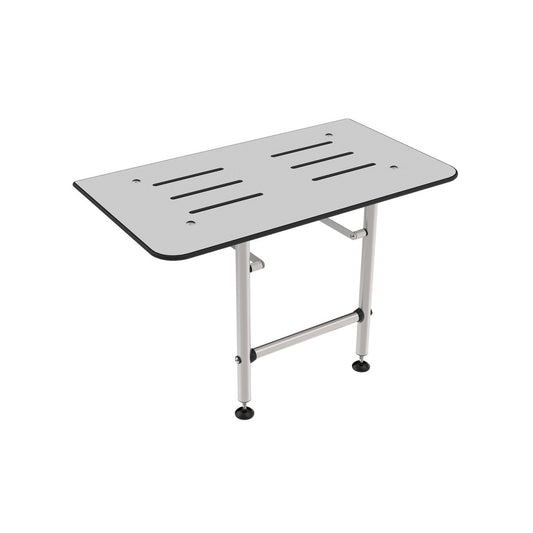
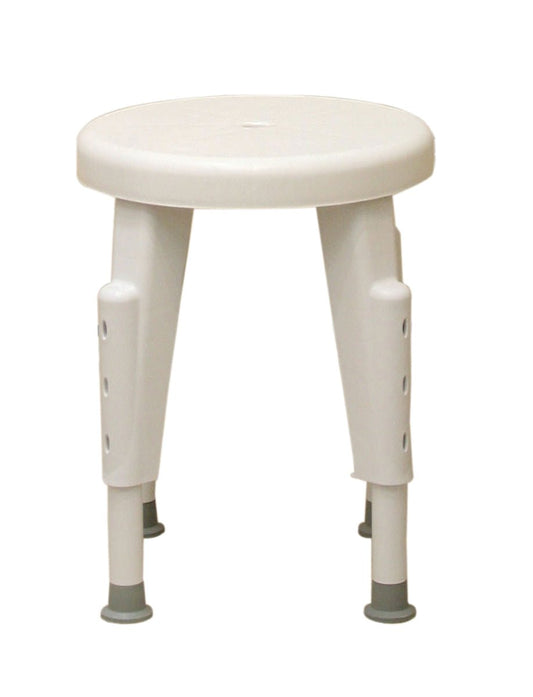
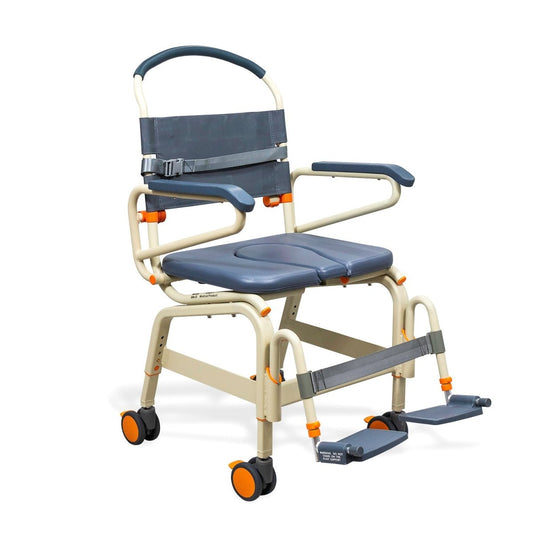
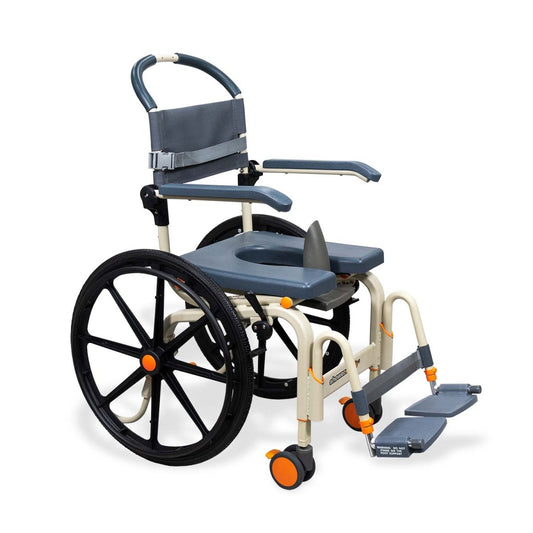
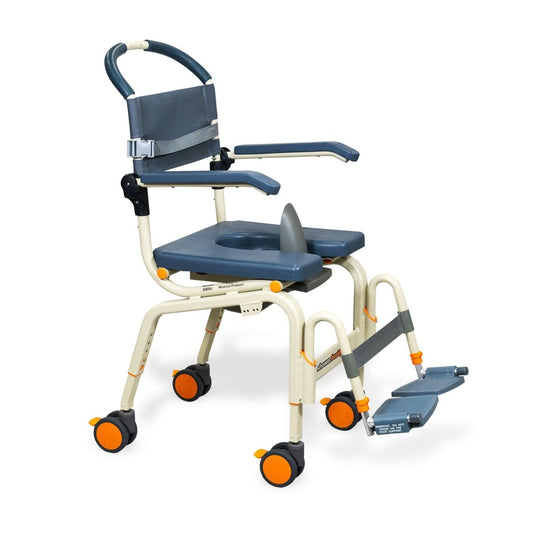
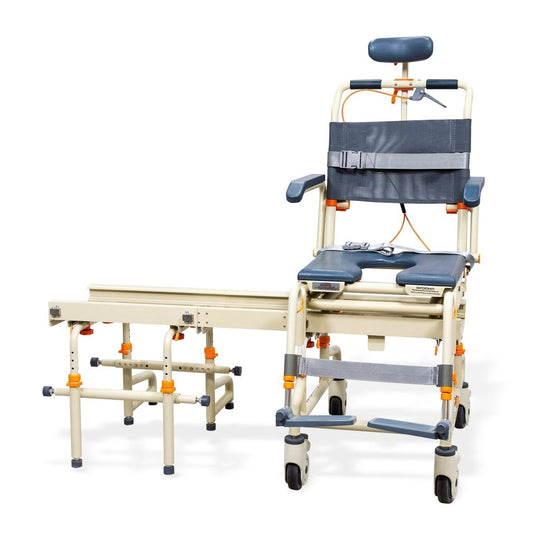
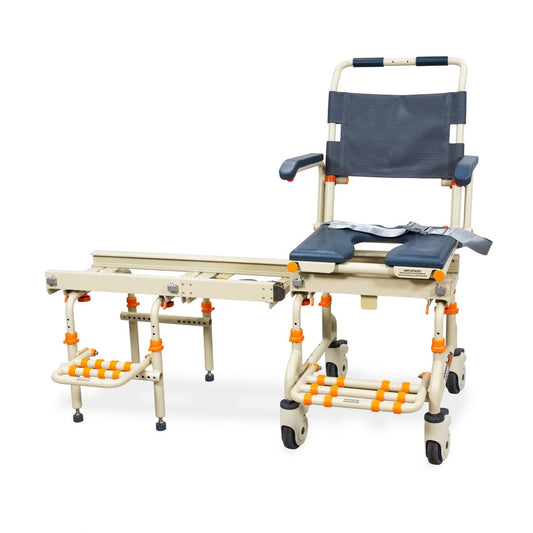
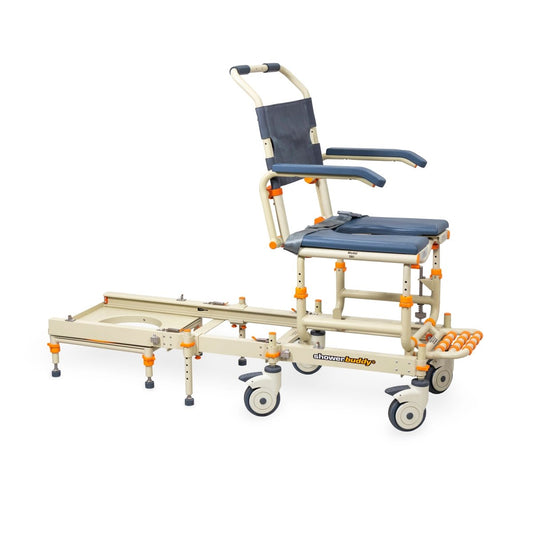
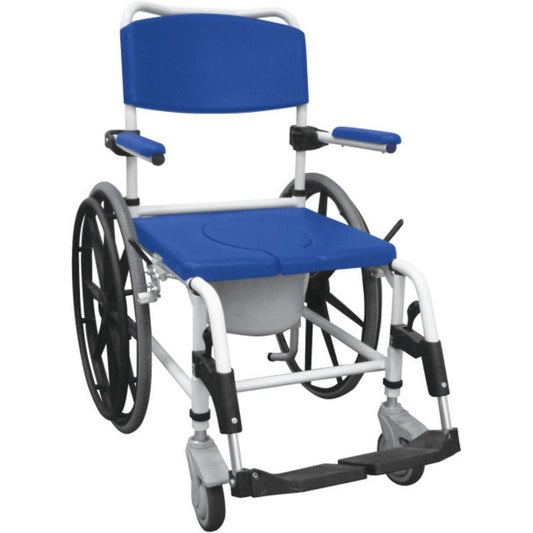
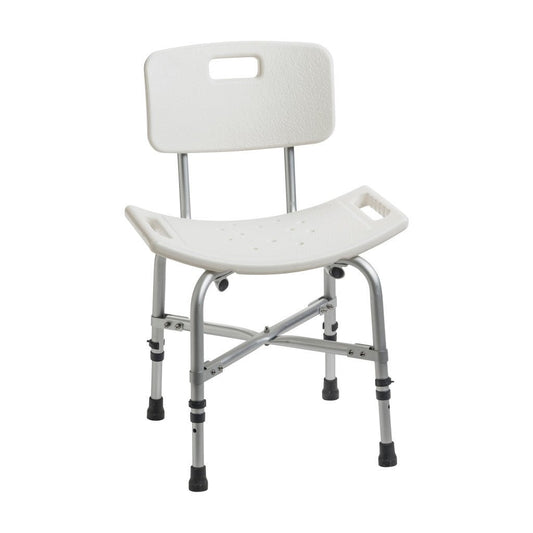
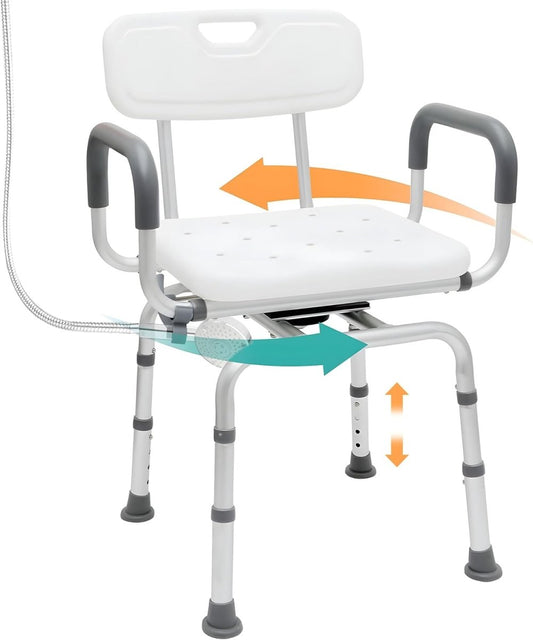
- Shower chairs with backs and arms — for seated bathing in walk-in showers
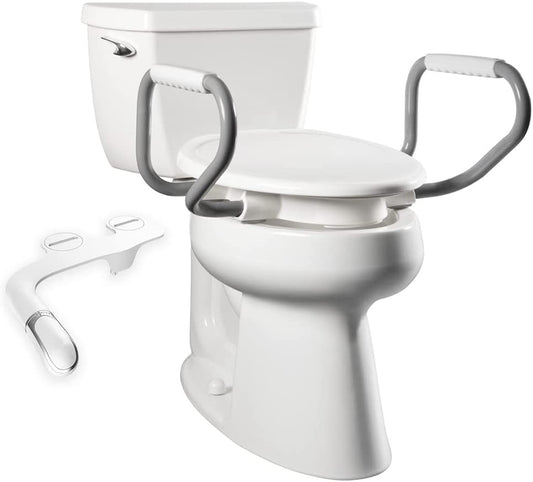
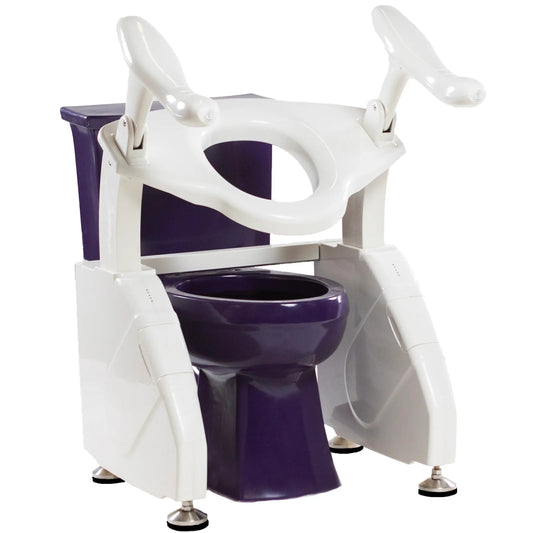
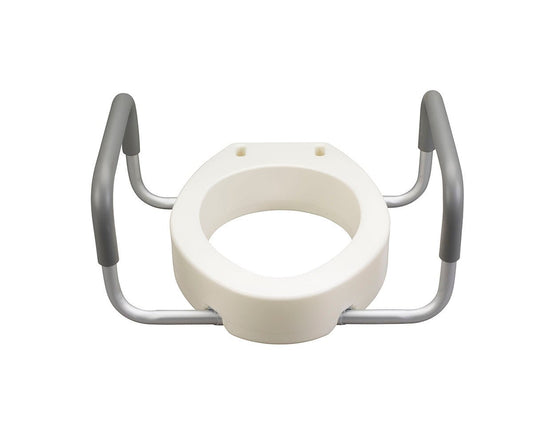
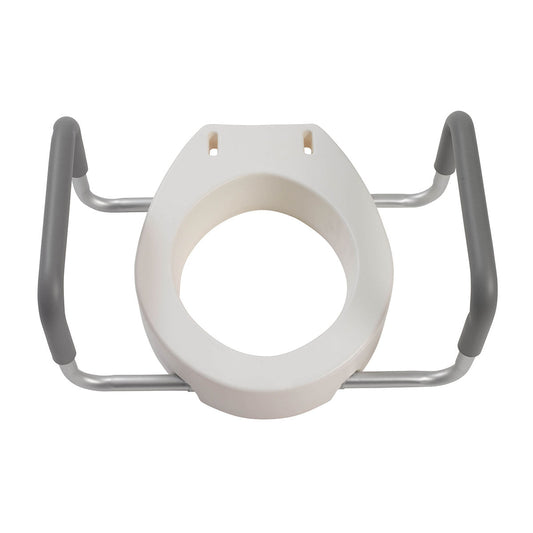
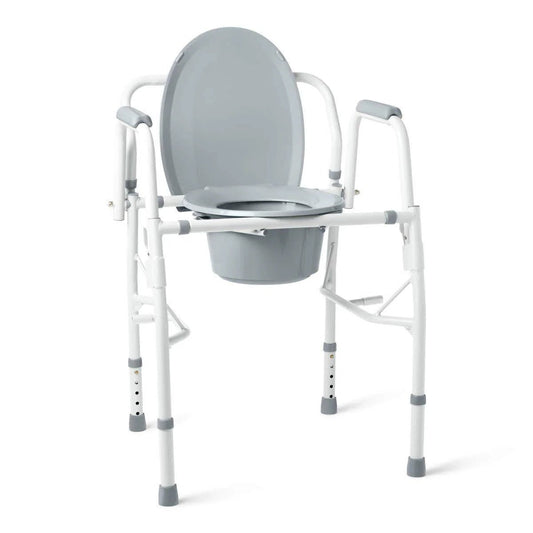
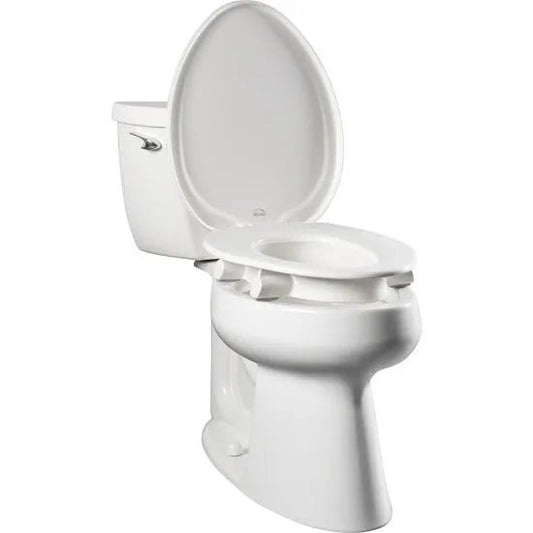
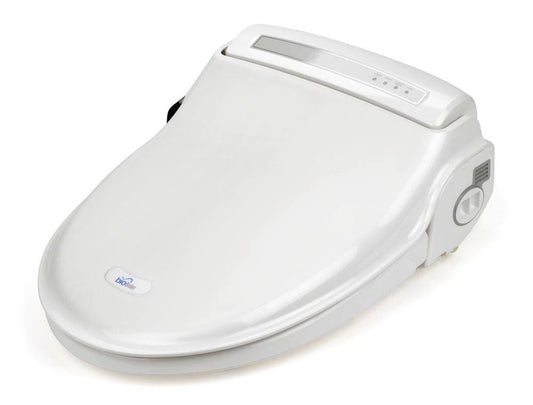
- Raised toilet seats with arms — reduce the depth of the sit-to-stand movement and provide push-up support
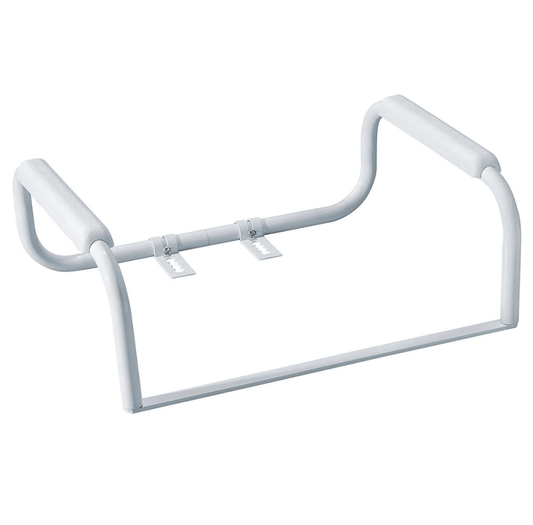
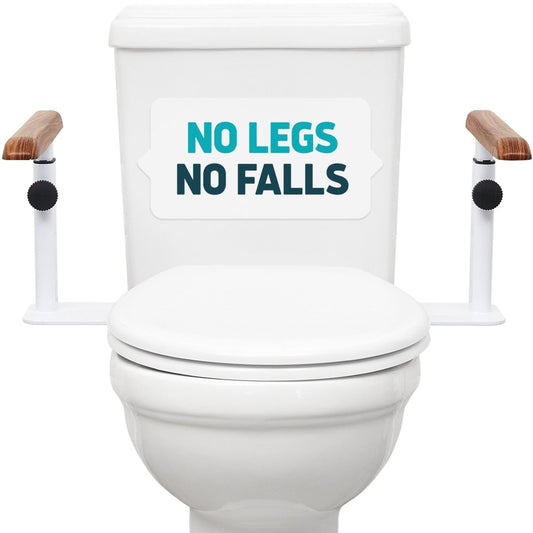
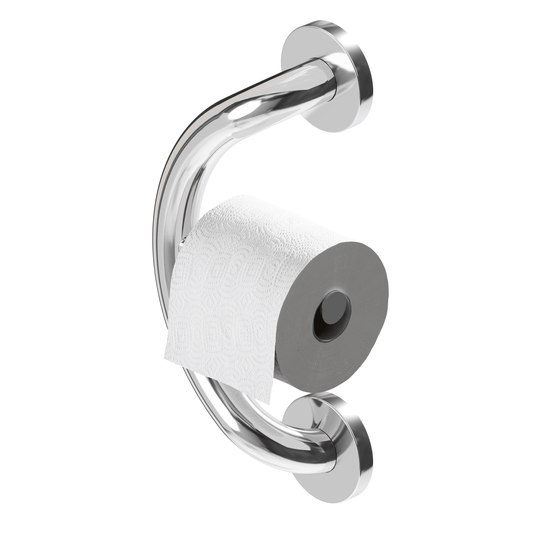
- Toilet safety rails — bolt to any two-piece toilet to create stable armrests where wall grab bars aren’t feasible
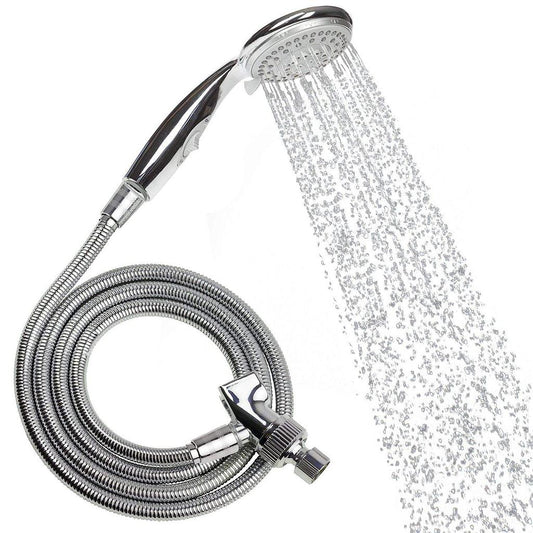
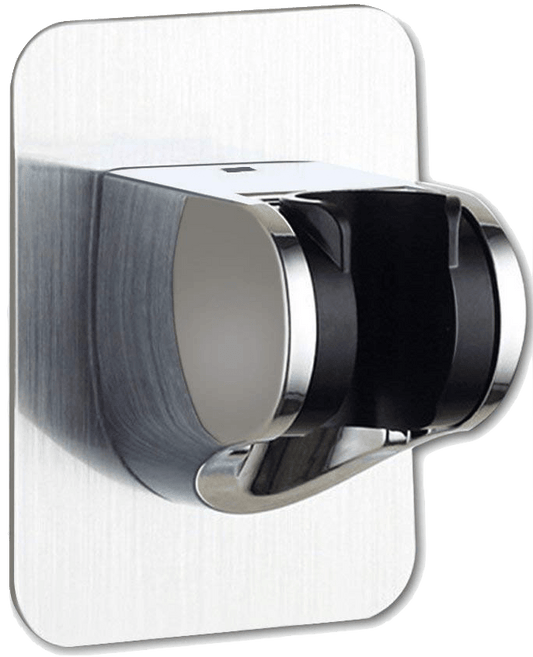
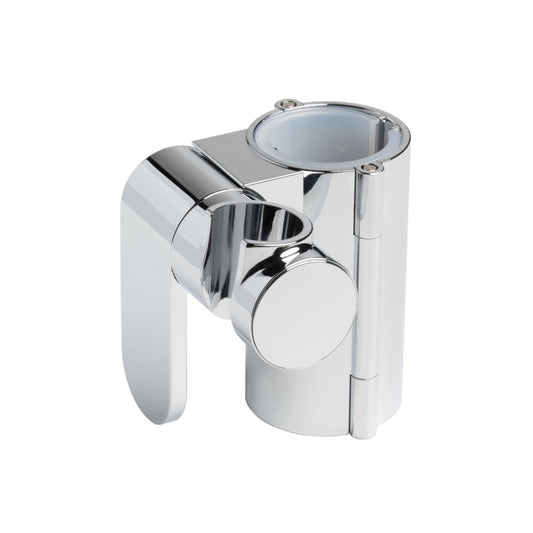
- Handheld showerheads — with at least a 6.5-foot flexible hose for seated showering without reaching or twisting
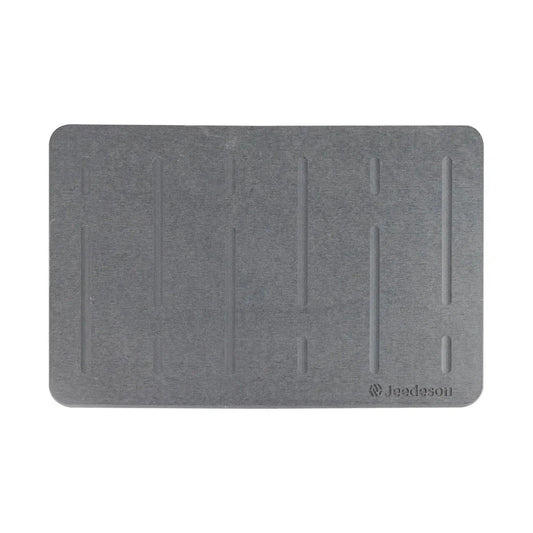
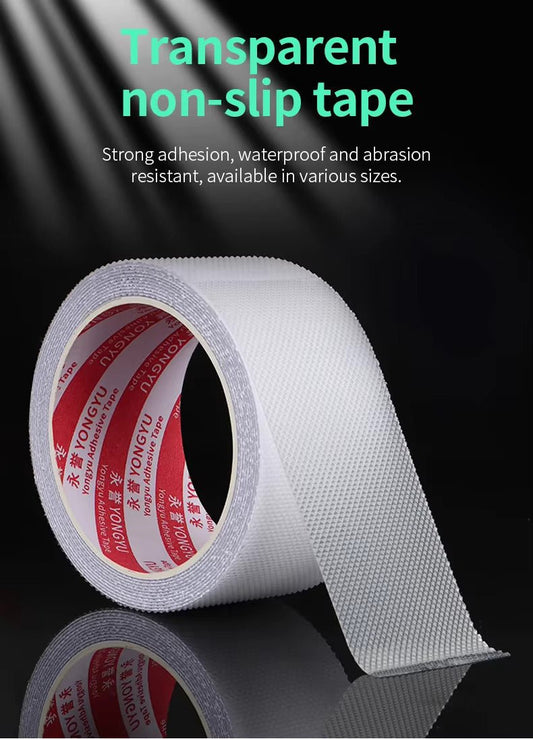
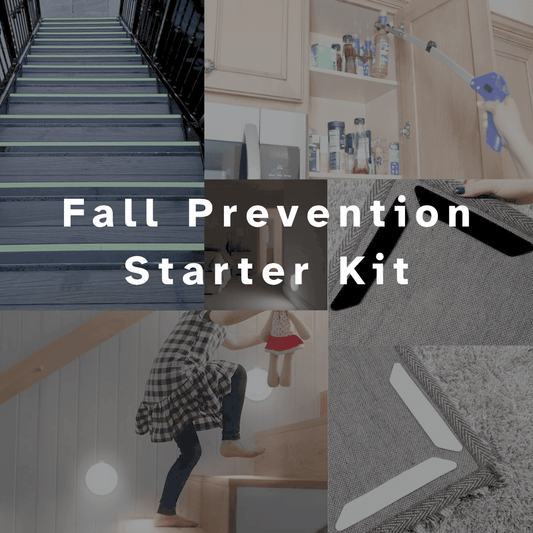
- Non-slip bath mats and shower treads — with strong suction cups for wet floors and tub surfaces
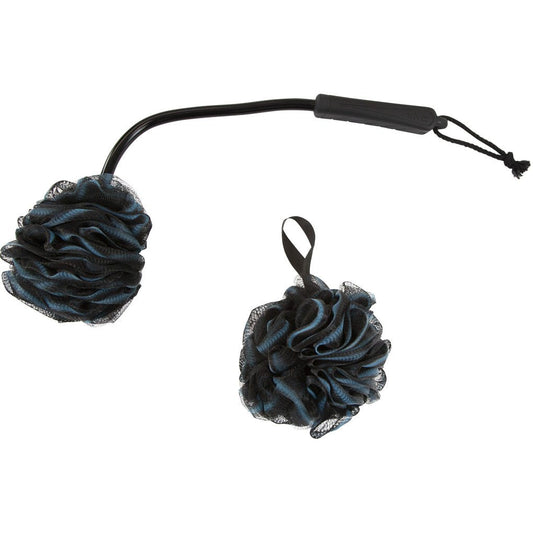
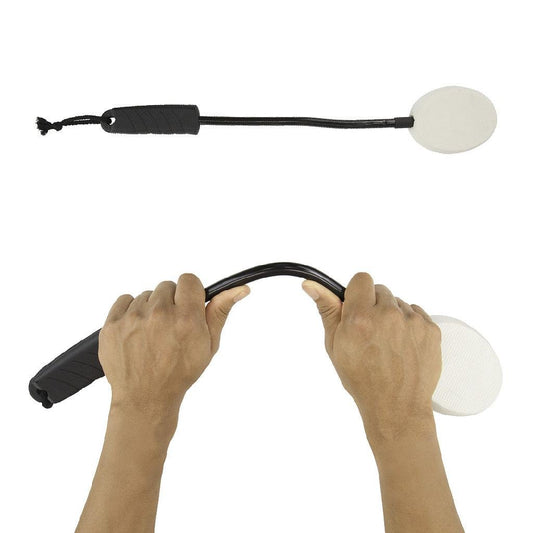
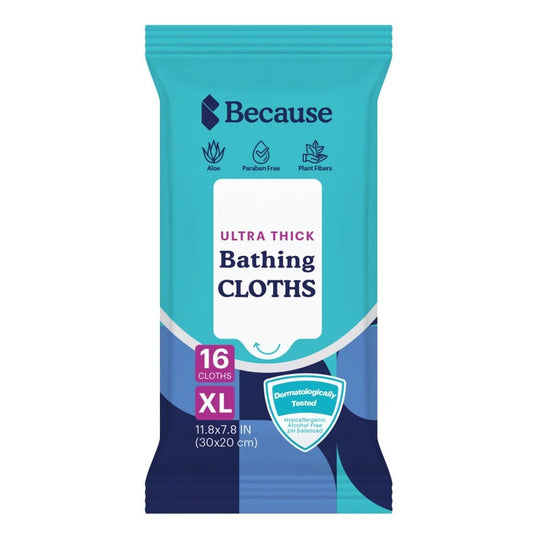
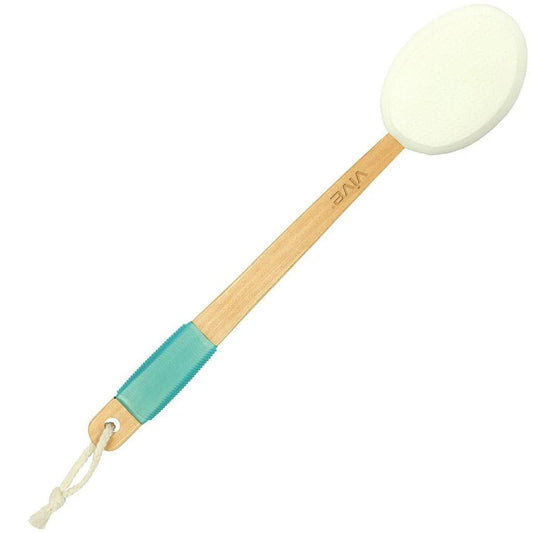
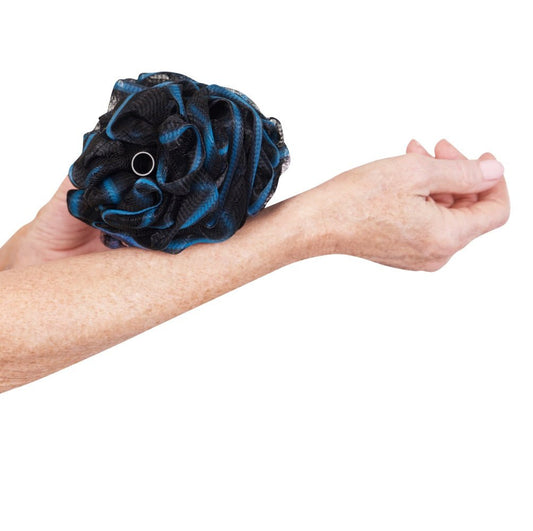
- Long-handled bath sponges — for washing the lower body without bending
OT-Curated Bathroom Safety Products
Every product in this collection has been curated by licensed Occupational Therapy Practitioners to support safe, independent bathing and toileting for older adults and individuals with mobility challenges. These are the tools OTs recommend most — chosen for clinical effectiveness, durability, and ease of use at home.
Bathing
45 products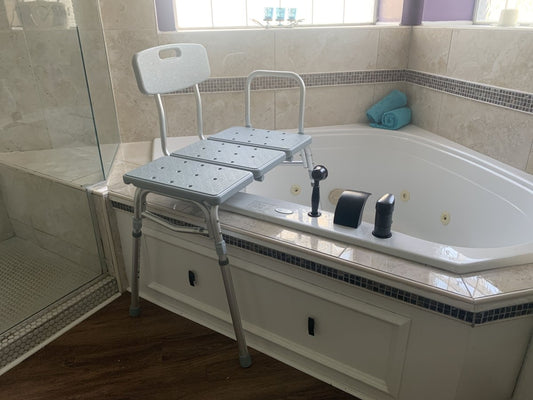
Show all 45 in BathingShow fewer


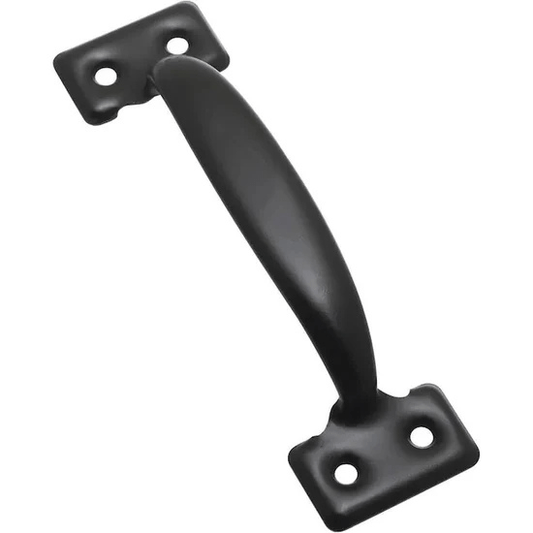
Grab Bars & Support
24 products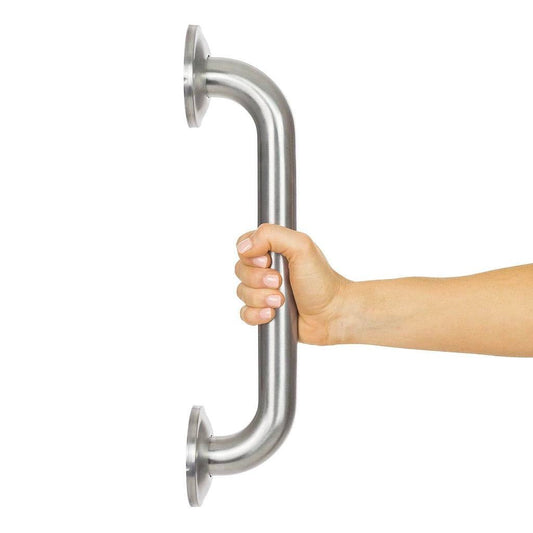
Show all 24 in Grab Bars & SupportShow fewer

Toileting
27 products
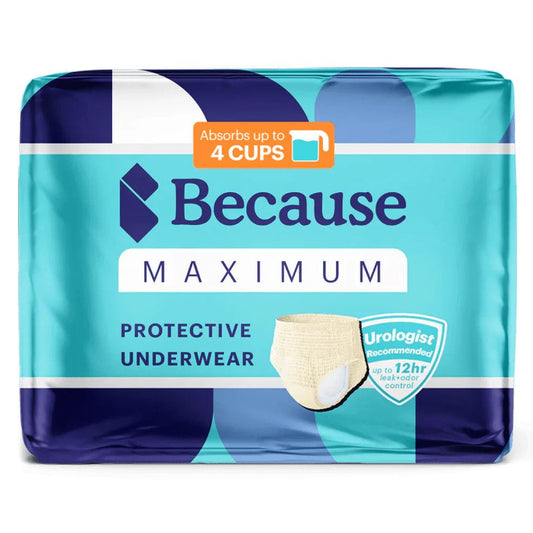

Show all 27 in ToiletingShow fewer
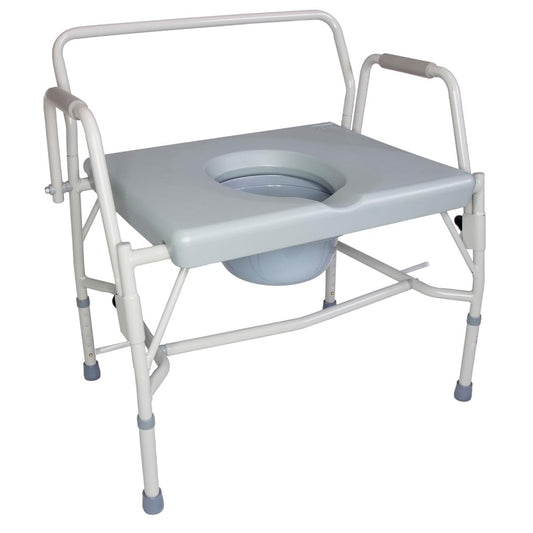
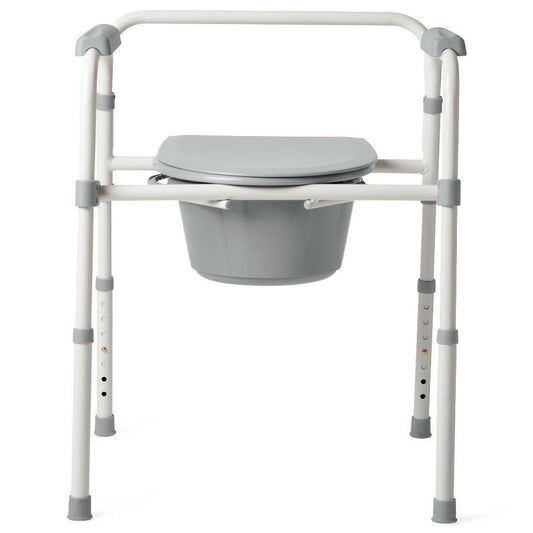

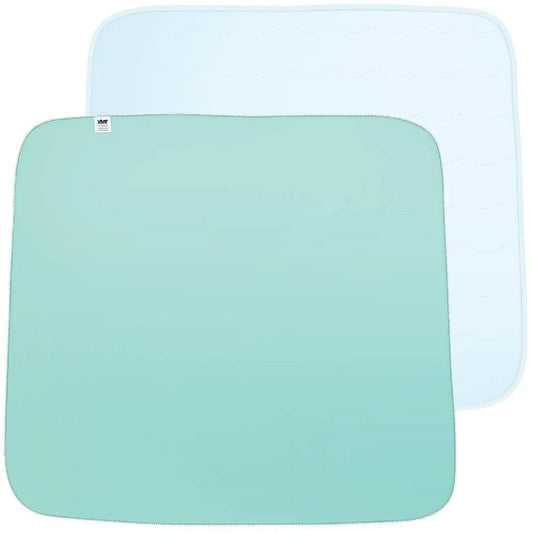



Grooming & Everyday
4 products
More in this collection
36 products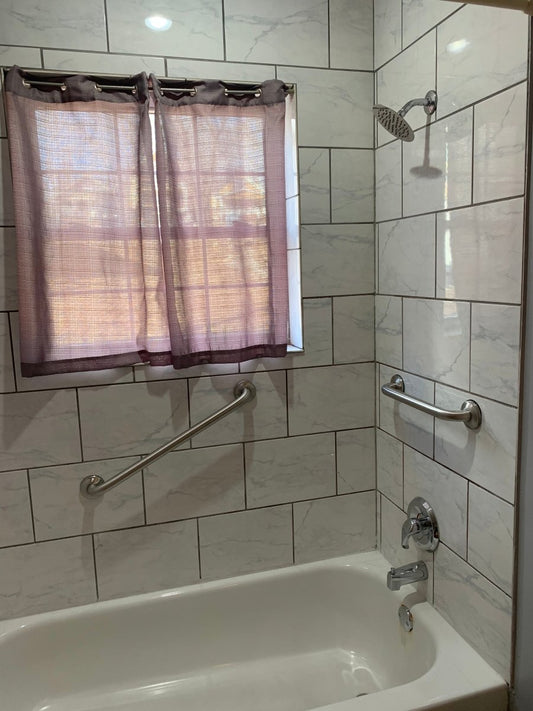


Show all 36 in More in this collectionShow fewer











Found what helps but need funding?
We've got options to make this affordable.
Related collections


Why you need an OT
An occupational therapist helps you stay independent, manage conditions, and set up a home that supports you. Find out how they can help, virtually or in person.
Read why you need an OT →Dive deeper with these articles