

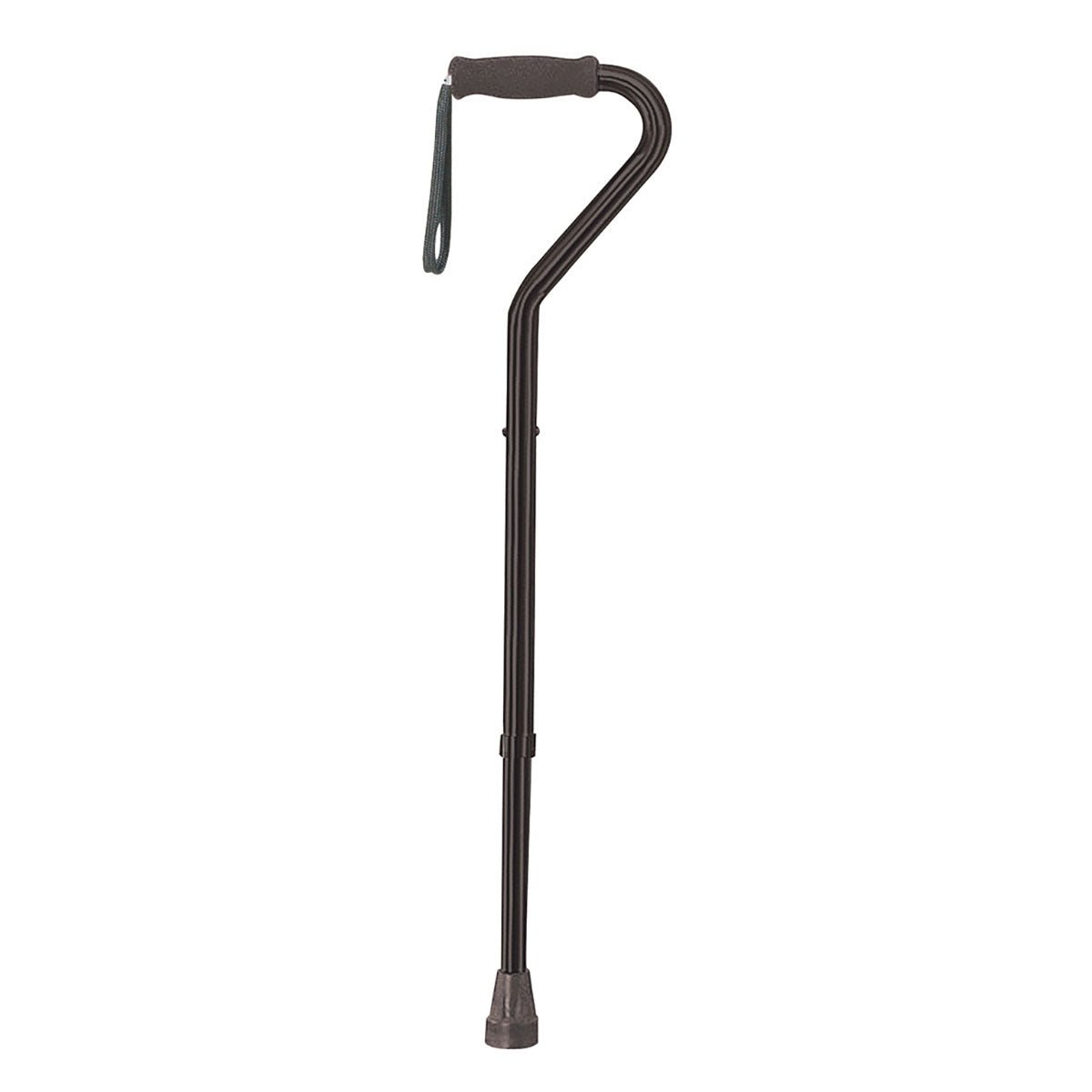
Bariatric Single Point Cane – 600 lb Capacity, Adjustable 37–46"
Bariatric Single Point Cane – 600 lb Capacity, Adjustable 37–46"
Couldn't load pickup availability
♡ 10 % of this purchase funds home‑safety grants for older adults + enjoy our easy 30 day return policy!
A Walking Cane Built for Larger & Taller Bodies: Rated to 600 lbs
Most standard single point canes max out at 250–300 lbs and top out at 38 inches, leaving larger and taller users making do with equipment that was never built for their body. This bariatric single point cane is rated to 600 lbs and adjusts from 37 to 46 inches, so you can finally set the handle at true wrist height and walk with proper posture and real support.
It works indoors, outdoors, and on community outings just like a standard cane, only sturdier. If one point of ground contact isn’t enough stability, see our Bariatric Quad Cane or Bariatric Hemi Cane for a wider, steadier base.
Who This Bariatric Cane Is For
- Adults who exceed the 250–300 lb weight limit of a standard cane
- Taller individuals who need a handle above 38 inches for proper ergonomic fit
- People needing mild to moderate balance support after a knee injury, joint replacement, or with arthritis
- Anyone who walks indoors, outdoors, or in the community and needs a heavy-duty, reliable cane
What Makes a Bariatric Cane Different?
A bariatric cane is reinforced with a heavier-gauge aluminum frame and more durable components to safely support higher body weights. Standard canes typically max out at 250–300 lbs; this model supports up to 600 lbs. The extended height range (37–46") also serves taller users who are chronically underserved by standard mobility equipment.
How to Set the Correct Height
Stand upright in your normal shoes with your arms relaxed at your sides. Adjust the cane so the handle aligns with your wrist crease: your elbow should bend approximately 15–20° when gripping it. If you’re unsure of the right setting, an occupational or physical therapist can confirm the correct fit during an assessment. Fall prevention for adults of every body size is a focus of the CDC's older adult fall prevention program.
Key Specifications
- Weight capacity: 600 lbs
- Height range: 37–46 inches (adjustable)
- Dimensions: 27.75" × 2" × 6"
- Weight: 2 lbs
- Use: Indoor & outdoor, community use
Not sure which cane is right for you? Read our OT-written guide: 10 Types of Canes: Your Walking Aid Guide.
Specifications
Specifications
Frequently Asked Questions
Frequently Asked Questions
P65 Warning for Plastics
P65 Warning for Plastics
⚠ WARNING:This product can expose you to chemicals including ethylene, which is known to the State of California to cause cancer and/or reproductive harm. For more information go to www.P65Warnings.ca.gov
Why we know this works!
Why we know this works!
Get Help from an Occupational Therapist!
Find an Occupational Therapist →





Not sure what you need?
An occupational therapist can assess your situation and recommend exactly what will help. Tell us what you're dealing with and we'll connect you with the right OT.
Related Products
-
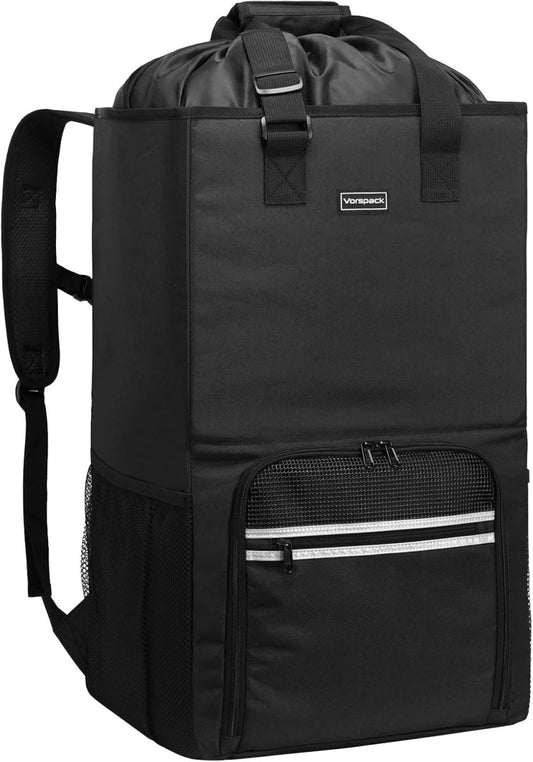
Hands-Free Laundry Backpack for Stairs | Stands Up as a Hamper
Regular price $39.00Regular priceUnit price per -
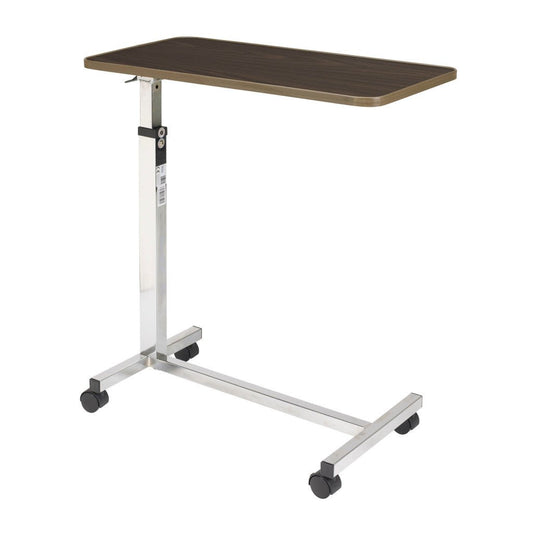
Tilt-Top Overbed Table | Hospital Bed Table for Home
Regular price $140.00Regular priceUnit price per -
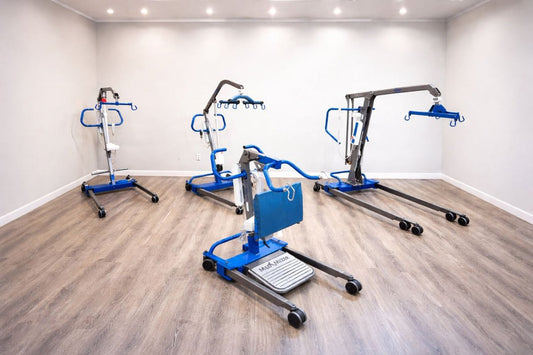
Battery-Powered Patient Lift | Electric Hoyer Lift with Sling Included
Regular price $2,768.71Regular priceUnit price per

Solve the whole puzzle! Get education, resources and services right here.
-

Free Resources
Access free educational resources, guides, and materials from AskSAMIE to learn about...
-

Community Supports
Not every solution is a product. This collection points to community programs...


Dive Deeper: a knowledge base of solutions for real caregiving questions
View all-

21 Easy DIY Wheelchair Costumes for Adults
Looking for some fun and creative costume ideas that will make your wheelchair a key part of your Halloween outfit? This guide brings together 21 easy DIY wheelchair costumes for adults. From...
21 Easy DIY Wheelchair Costumes for Adults
Looking for some fun and creative costume ideas that will make your wheelchair a key part of your Halloween outfit? This guide brings together 21 easy DIY wheelchair costumes for adults. From...
-

Improve Sleep for Seniors: Aging-in-Place Tips ...
Better sleep for older adults starts with three changes: a supportive sleep position, safer nighttime lighting, and a consistent wind-down routine. Here's what occupational therapy practitioners recommend for aging in...
Improve Sleep for Seniors: Aging-in-Place Tips ...
Better sleep for older adults starts with three changes: a supportive sleep position, safer nighttime lighting, and a consistent wind-down routine. Here's what occupational therapy practitioners recommend for aging in...
-

Adaptive Cooking Equipment: What You Need for Y...
The right adaptive cooking equipment makes cooking safer and more independent for older adults and people with arthritis, tremors, stroke, or memory loss. See which kitchen tools occupational therapy practitioners...
Adaptive Cooking Equipment: What You Need for Y...
The right adaptive cooking equipment makes cooking safer and more independent for older adults and people with arthritis, tremors, stroke, or memory loss. See which kitchen tools occupational therapy practitioners...


