

Quad Cane – 4-Prong Walking Cane for Balance & Stroke Recovery
Quad Cane – 4-Prong Walking Cane for Balance & Stroke Recovery
Couldn't load pickup availability
♡ 10 % of this purchase funds home‑safety grants for older adults + enjoy our easy 30 day return policy!
More Stability Than a Single-Point Cane: Without Needing a Walker
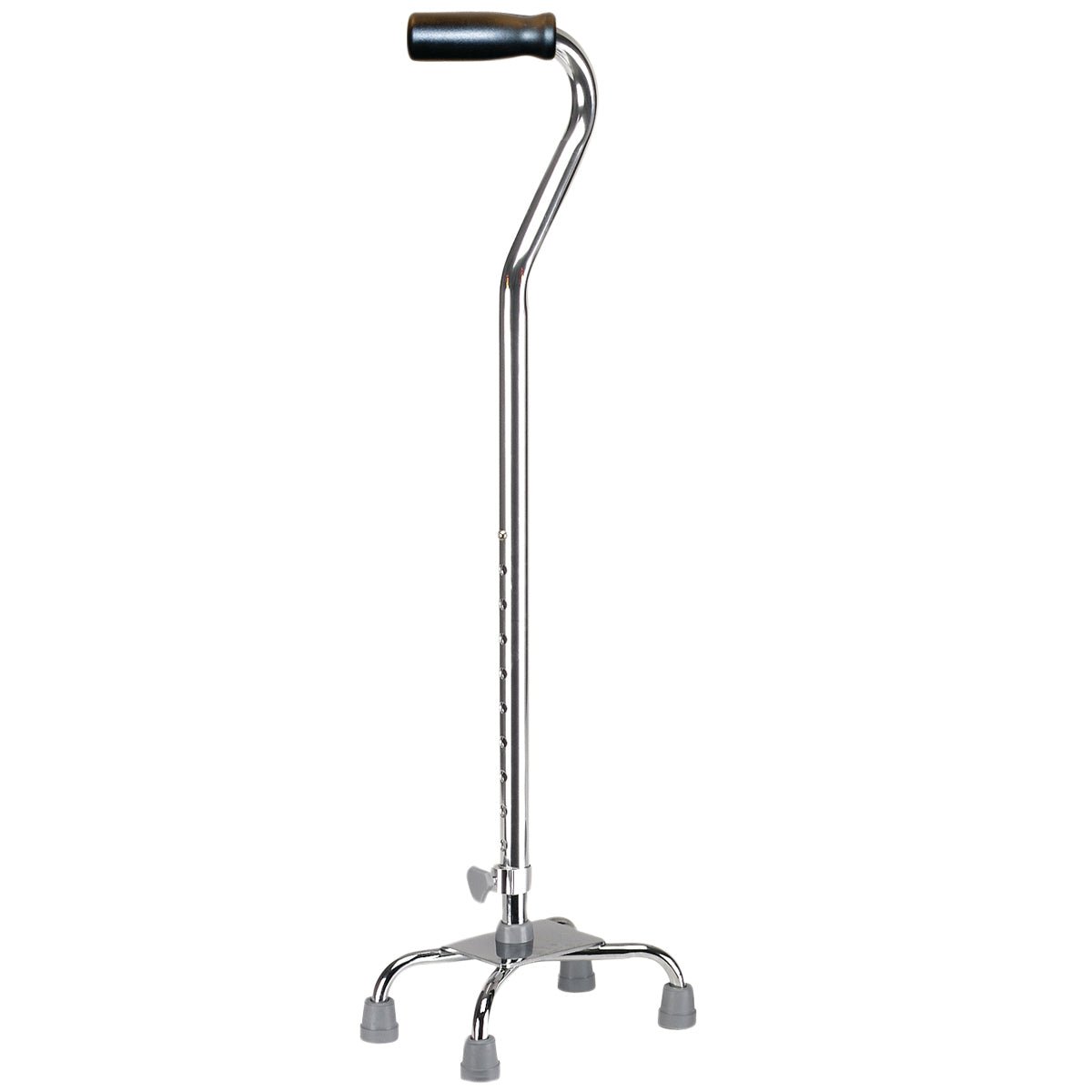
A quad cane is the go-to recommendation when a single point cane no longer feels steady enough but a walker isn't yet necessary. Its four-pronged base gives you a wider footprint with every step, and unlike a standard cane, it stands upright on its own, so you never have to bend down to retrieve a fallen cane (a fall risk in itself).
If you need an even wider base of support and a rollator or walker isn't an option, a hemi cane is the next step up.
Who This Quad Cane Is For
- Adults who need more lateral stability than a single-point cane provides
- Stroke survivors with one-sided weakness (hemiplegia), one of the most common quad cane use cases in OT practice
- People recovering from hip or knee surgery transitioning off a walker
- Seniors aging in place with balance impairments or Parkinson's disease
- Anyone who has dropped a cane and struggled to retrieve it safely
The Self-Standing Advantage
As OT practitioners, we cringe every time a cane propped against a counter clatters to the floor and someone bends down to fetch it. The quad cane's four-pronged base lets you park it beside the couch, the toilet, or the kitchen counter, and it stays right there when you reach for it. Reducing this kind of bend-and-retrieve fall risk is a core recommendation in the CDC's older adult fall prevention program.
How to Set the Correct Height
Stand upright in your normal shoes with your arms relaxed at your sides. Adjust the cane so the handle aligns with your wrist crease: your elbow should bend approximately 15–20° when gripping it. This cane adjusts from 29 to 38 inches to fit most adults. A cane set too short causes hunching; too tall reduces your ability to push down for support.
Which hand? Hold the cane on your unaffected (stronger) side, opposite to your weaker or injured leg. This mirrors your natural arm-swing and allows the cane to bear weight during your weaker leg's stance phase.
Key Specifications
- Height range: 29–38 inches (adjustable aluminum)
- Base dimensions: 9.25" × 7.5"
- Weight capacity: 300 lbs
- Weight: 4 lbs
- HCPCS code: E0105
- Manufacturer: Fabrication Enterprises Inc
A Note on Stairs
Quad canes are not recommended for stair use: the four-pronged base cannot sit flat on a standard stair tread. For stairs, use a single-point cane or the stair railing. On stairs: lead with your stronger leg going up, your weaker leg going down.
Not sure which mobility aid is right for you? Read our OT-written guide: 10 Types of Canes: Your Walking Aid Guide.
Specifications
Specifications
Frequently Asked Questions
Frequently Asked Questions
P65 Warning for Plastics
P65 Warning for Plastics
⚠ WARNING:This product can expose you to chemicals including ethylene, which is known to the State of California to cause cancer and/or reproductive harm. For more information go to www.P65Warnings.ca.gov
Why we know this works!
Why we know this works!
Get Help from an Occupational Therapist!
Find an Occupational Therapist →





Not sure what you need?
An occupational therapist can assess your situation and recommend exactly what will help. Tell us what you're dealing with and we'll connect you with the right OT.
Related Products
-
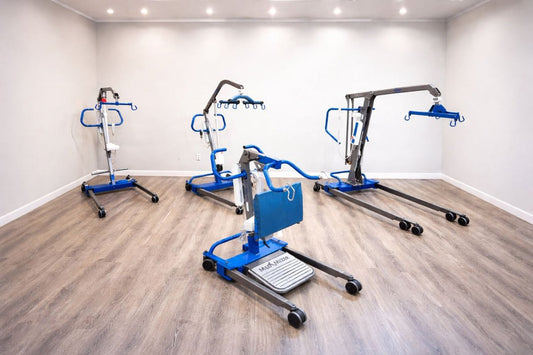
Battery-Powered Patient Lift | Electric Hoyer Lift with Sling Included
Regular price $2,768.71Regular priceUnit price per -
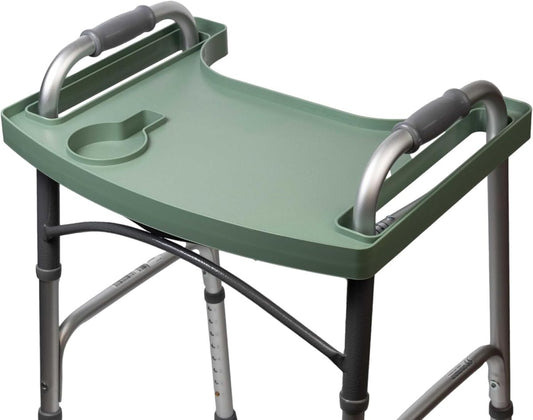
Walker Tray with Cup Holder | OT-Designed Tray for Folding Walkers
Regular price $39.99Regular priceUnit price per -
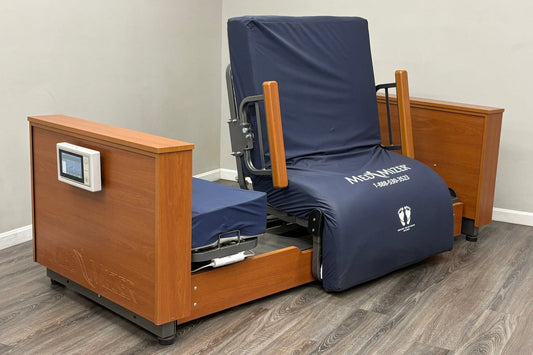
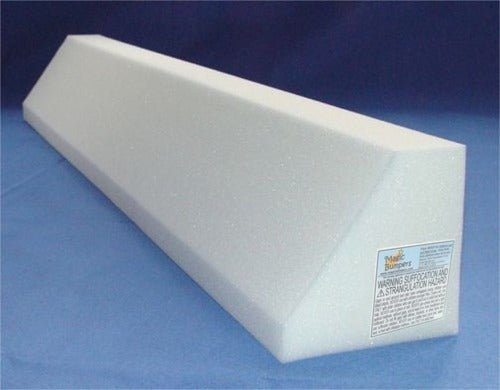
Bed Bumper | Under the Sheet | Foam Bed Rail Alternative
Regular price $29.99Regular priceUnit price per

Solve the whole puzzle! Get education, resources and services right here.
-

Caregiver Training Courses
Go to website for the full training library We've partnered with Higher...
-

Free Resources
Access free educational resources, guides, and materials from AskSAMIE to learn about...
-

Community Supports
Not every solution is a product. This collection points to community programs...


Dive Deeper: a knowledge base of solutions for real caregiving questions
View all-

Do Weighted Sleeves for Tremors Work?
Weighted sleeves use gentle, targeted weight on the forearm to help calm hand tremors from Parkinson's, essential tremor, and MS. Here's what occupational therapists want you to know before you...
Do Weighted Sleeves for Tremors Work?
Weighted sleeves use gentle, targeted weight on the forearm to help calm hand tremors from Parkinson's, essential tremor, and MS. Here's what occupational therapists want you to know before you...
-

Seniors Get Up Without Help: How to Prevent Fal...
Seniors often try to get up without help for practical reasons — not stubbornness. Here's how occupational therapists prevent falls with home setup, alarms, and empowering language that protects dignity....
Seniors Get Up Without Help: How to Prevent Fal...
Seniors often try to get up without help for practical reasons — not stubbornness. Here's how occupational therapists prevent falls with home setup, alarms, and empowering language that protects dignity....
-

Are Bed Rails Safe for Elderly? Risks & Options...
Bed rails can help prevent falls, but the wrong design can cause entrapment. Here's what the CPSC's 2023 ruling changed, how to use bed rails safely, and which OT-approved alternatives...
Are Bed Rails Safe for Elderly? Risks & Options...
Bed rails can help prevent falls, but the wrong design can cause entrapment. Here's what the CPSC's 2023 ruling changed, how to use bed rails safely, and which OT-approved alternatives...


