


Patient Lift Sling for Bathing and Toileting
Patient Lift Sling for Bathing and Toileting
Price: See price in cart
Couldn't load pickup availability
♡ 10 % of this purchase funds home‑safety grants for older adults + enjoy our easy 30 day return policy!
Designed to be compatible with hydraulic, electric, and stand-assist lifts, this universal U-shaped sling delivers full-body support with pressure-relieving foam padding that helps reduce skin irritation and enhance comfort during every transfer. Bright color-coded loops simplify setup and ensure accurate positioning, while high-strength reinforced fabric and heavy-duty stitching provide reliable, long-lasting performance for daily use. Easy to maintain and machine washable, this sling balances durability with practicality — perfect for home care or clinical environments.
Specifications
Specifications
Frequently Asked Questions
Frequently Asked Questions



Why we know this works!
Why we know this works!
Get Help from an Occupational Therapist!
Need help deciding? Want to solve ALL the problems your person is having? Schedule a visit with one of these specialists!
-
Dr. Ryan Salmon OTD, OTR/L, ECHM
Specialties
Aging/Living in Place ConsultationRegular priceRegular priceUnit price per -
Dr. Brandy Archie OTD, OTR/L, CLIPP
Specialties
Home Modifications Aging in Place Low Vision Chronic Care ManagementRegular priceRegular priceUnit price per -
Katie Tipton COTA
Specialties
Home Modifications Aging in Place Neuro Rehab Orthopedic Care ManagementRegular priceRegular priceUnit price per


Related Products
-
Scooter & Wheelchair Carrier
Regular price $369.99Regular priceUnit price per -
Bed Side Rail | Get out of bed easier
Regular price From $79.95Regular priceUnit price per$69.99Sale price From $79.95 -
Folding Power Wheelchair
Regular price $1,199.99Regular priceUnit price per$1,598.00Sale price $1,199.99Sale -
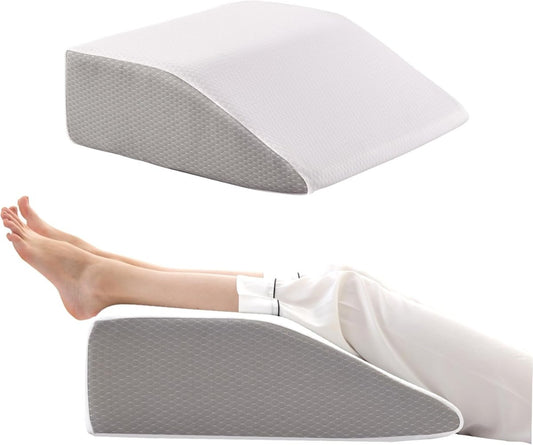
Bed Wedge to Elevate Legs
Regular price $47.99Regular priceUnit price per -
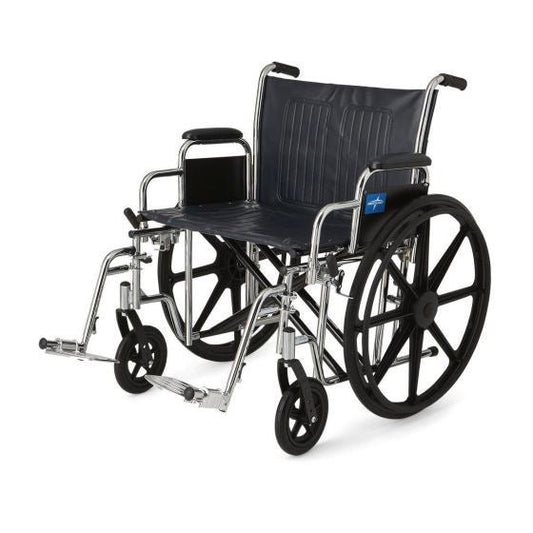
Bariatric Manual Wheelchair
Regular price From $484.00Regular priceUnit price per


Solve the whole puzzle! Get education, resources and services right here.
-

Caregiver Training Courses
Go to website for the full training library We've partnered with Higher...


Dive Deeper: a knowledge base of solutions for real caregiving questions
View all-

HSA vs. FSA: How to Use Your Benefits to Buy Ad...
Use your HSA or FSA dollars to buy adaptive equipment like shower chairs, mobility aids, and pill dispensers. Learn what qualifies and how to spend benefits before they expire.
HSA vs. FSA: How to Use Your Benefits to Buy Ad...
Use your HSA or FSA dollars to buy adaptive equipment like shower chairs, mobility aids, and pill dispensers. Learn what qualifies and how to spend benefits before they expire.
-

Clearer Hearing at Home: Early Signs of Hearing...
Discover early signs of hearing loss and OT-approved solutions like the Mirai Speaker. Learn how caregivers can improve clarity, safety, and independence at home.
Clearer Hearing at Home: Early Signs of Hearing...
Discover early signs of hearing loss and OT-approved solutions like the Mirai Speaker. Learn how caregivers can improve clarity, safety, and independence at home.
-

Vocational Rehabilitation: A Free, Underused Re...
Vocational Rehabilitation (VR) is a free, state-run program that helps people with disabilities get or keep a job by funding the equipment, home modifications, training, and support they need to...
Vocational Rehabilitation: A Free, Underused Re...
Vocational Rehabilitation (VR) is a free, state-run program that helps people with disabilities get or keep a job by funding the equipment, home modifications, training, and support they need to...


