


Beasy Transfer Board
Beasy Transfer Board
Couldn't load pickup availability
♡ 10 % of this purchase funds home‑safety grants for older adults + enjoy our easy 30 day return policy!
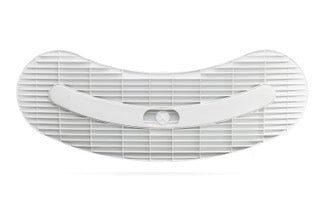
Beasy Transfer Boards provide a safe, smooth, and effortless transfer solution for individuals with limited mobility. Designed with a patented gliding system, these innovative boards feature a frictionless, rotating seat that moves along the board, reducing strain on both users and caregivers. Whether for home care, hospitals, or vehicle transfers, Beasy boards ensure a dignified and comfortable experience while minimizing the risk of skin injuries and falls.
And for wheelchair users grab a carrying bag for the board that keeps the board with you while in the wheelchair.
Specifications
Specifications
Frequently Asked Questions
Frequently Asked Questions
P65 Warning for Plastics
P65 Warning for Plastics
⚠ WARNING:This product can expose you to chemicals including ethylene, which is known to the State of California to cause cancer and/or reproductive harm. For more information go to www.P65Warnings.ca.gov



Why we know this works!
Why we know this works!
Get Help from an Occupational Therapist!
Need help deciding? Want to solve ALL the problems your person is having? Schedule a visit with one of these specialists!
-
Dr. Brandy Archie OTD, OTR/L, CLIPP
Specialties
Home Modifications Aging in Place Low Vision Chronic Care ManagementRegular priceRegular priceUnit price per -
Dr. Ryan Salmon OTD, OTR/L, ECHM
Specialties
Aging/Living in Place ConsultationRegular priceRegular priceUnit price per -
Dr. Lyndi Hinkle OTD, MOT, OTR/L
Specialties
Home Modifications Aging in Place Low Vision Care Management +Regular priceRegular priceUnit price per


Not sure what you need?
An occupational therapist can assess your situation and recommend exactly what will help. Tell us what you're dealing with and we'll connect you with the right OT.
Related Products
-
Hemi Cane | Hemi Walker for Better Balance
Regular price See price in cartRegular priceUnit price per -
Bariatric Folding Front Wheeled Walker
Regular price See price in cartRegular priceUnit price per -
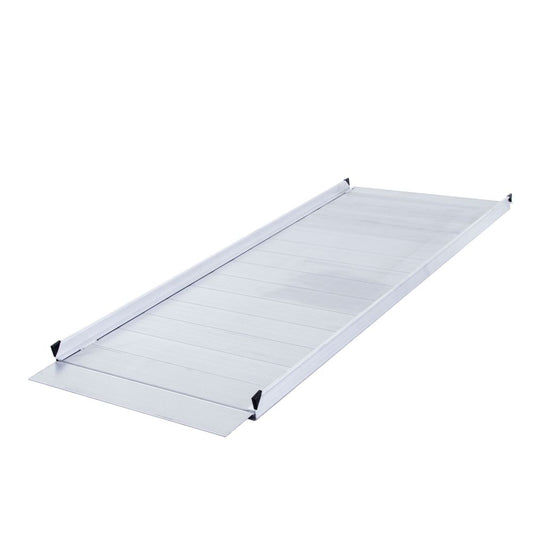
10' Wheelchair Access Ramp
Regular price $1,199.00Regular priceUnit price per -
Patient Lift Sling for Bathing and Toileting
Regular price See price in cartRegular priceUnit price per -
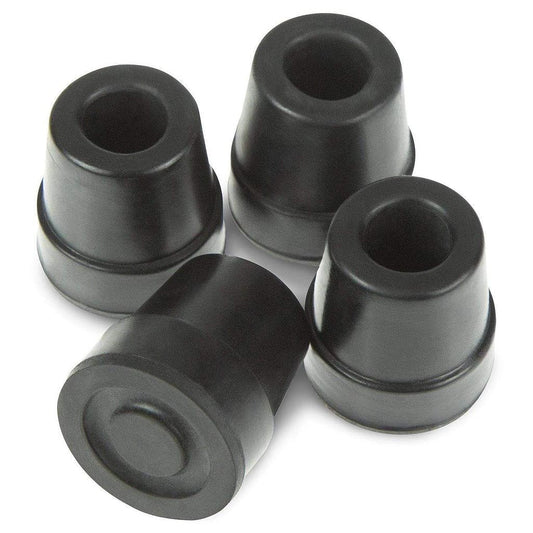
Quad Cane Replacement Tips
Regular price See price in cartRegular priceUnit price per



Solve the whole puzzle! Get education, resources and services right here.
-

Caregiver Training Courses
Go to website for the full training library We've partnered with Higher...
-

Free Resources
Access free educational resources, guides, and materials from AskSAMIE to learn about...


Dive Deeper: a knowledge base of solutions for real caregiving questions
View all-

The Best Spoon for Parkinson's and Essential Tr...
Hand tremors from Parkinson's or essential tremor making meals miserable? OT Dr. Brandy Archie reviews the Gyenno Steady Spoon — an anti-tremor spoon that counteracts shaking to restore independence at...
The Best Spoon for Parkinson's and Essential Tr...
Hand tremors from Parkinson's or essential tremor making meals miserable? OT Dr. Brandy Archie reviews the Gyenno Steady Spoon — an anti-tremor spoon that counteracts shaking to restore independence at...
-

Spinal Fusion Recovery: The OT-Approved Equipme...
Preparing for spinal fusion or back surgery? Discover the OT-recommended adaptive equipment that makes home recovery safer, easier, and more independent — from mobility aids to dressing tools.
Spinal Fusion Recovery: The OT-Approved Equipme...
Preparing for spinal fusion or back surgery? Discover the OT-recommended adaptive equipment that makes home recovery safer, easier, and more independent — from mobility aids to dressing tools.
-

Knee Replacement Recovery: The OT-Approved Equi...
Preparing for total knee replacement? Discover the OT-recommended equipment and adaptive tools that make recovery safer and easier — from bathroom aids to mobility support.
Knee Replacement Recovery: The OT-Approved Equi...
Preparing for total knee replacement? Discover the OT-recommended equipment and adaptive tools that make recovery safer and easier — from bathroom aids to mobility support.


