What is the difference between a hearing aid and an assistive listening device?
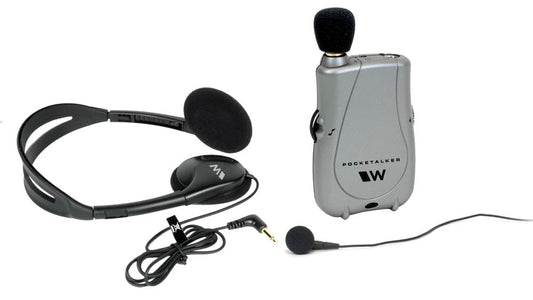
A hearing aid is a wearable medical device that amplifies sound for people with diagnosed hearing loss. An assistive listening device (ALD) is a supplemental tool — such as a TV amplifier, phone amplifier, or personal sound amplifier — that improves the signal-to-noise ratio in specific listening situations. ALDs can be used alongside hearing aids or independently for people with mild hearing difficulty who do not yet use hearing aids. According to NCBI Bookshelf's clinical audiology standards, utilizing specialized assistive listening devices alongside or in place of conventional hearing aids significantly improves the signal-to-noise ratio to enhance speech clarity.
What is a personal sound amplifier and who is it for?
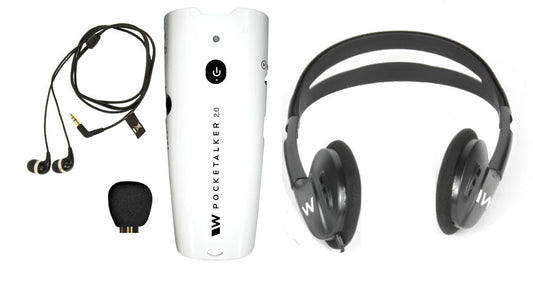
A personal sound amplifier (PSAP) is an over-the-counter device that amplifies environmental sounds for people with mild hearing difficulty. Unlike prescription hearing aids, PSAPs do not require an audiologist fitting and are significantly more affordable. They are best suited for people who struggle to hear in specific situations — such as conversations in noisy environments or watching TV — but have not been diagnosed with significant hearing loss.
What is the best TV amplifier for someone with hearing loss?
The best TV amplifiers for hearing loss transmit audio wirelessly from the television directly to a headset, neckloop, or hearing aid-compatible receiver, allowing the listener to set their own volume without raising the TV volume for everyone else. Bluetooth and RF (radio frequency) systems offer the widest range and clearest signal. Look for systems compatible with your existing hearing aids if you wear them.
What are alerting devices for people with hearing loss?
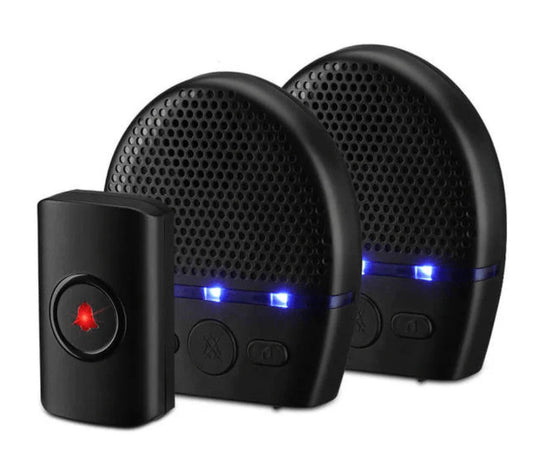
Alerting devices use visual or vibrating signals to notify people with hearing loss of important sounds they might otherwise miss. Common examples include flashing doorbell systems, strobe light smoke and carbon monoxide detectors, vibrating alarm clocks, and phone ring signalers. According to the National Institute on Deafness and Other Communication Disorders (NIDCD), these devices are essential safety tools for people with moderate to severe hearing loss who may not reliably hear standard auditory alerts.
Are rechargeable hearing aids better than battery-powered hearing aids?
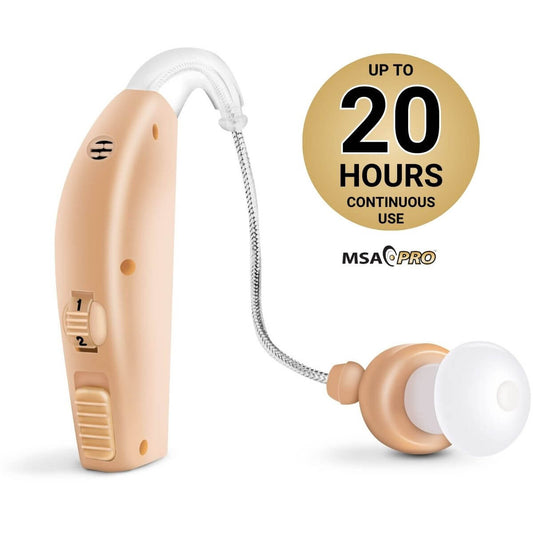
Rechargeable hearing aids are generally more convenient — you simply place them in a charging case overnight, eliminating the need to handle small batteries. They are especially beneficial for people with arthritis or limited dexterity who find changing tiny hearing aid batteries difficult. Battery-powered hearing aids offer longer use between charges and are easier to power in situations where charging is not available, such as travel. According to NCBI research on hearing aid technology, rechargeable options have seen significant adoption due to their ease of use, particularly among older adults with dexterity challenges.
How do I know if I need a hearing aid or just a sound amplifier?
If you consistently struggle to hear conversations, frequently ask people to repeat themselves, or have difficulty hearing in quiet environments, a formal hearing evaluation by an audiologist is recommended. Diagnosed hearing loss typically requires a prescription hearing aid. If your difficulty is situational — such as only in noisy environments or only when watching TV — a personal sound amplifier or assistive listening device may be sufficient.
Can hearing aids connect to phones and TVs via Bluetooth?
Many modern hearing aids include Bluetooth connectivity that allows them to stream audio directly from smartphones, tablets, and Bluetooth-enabled TVs. This eliminates background noise interference and delivers clear audio directly into the hearing aid. According to NCBI Bookshelf's guide on assistive listening devices, wireless audio streaming technologies have significantly expanded the functionality and accessibility of modern hearing aids. For TVs without Bluetooth, a separate TV streamer accessory can be connected to the television to enable wireless audio transmission to compatible hearing aids.
What hearing assistive devices are available for people with severe hearing loss?
For people with severe hearing loss, the most effective assistive tools include high-powered hearing aids fitted by an audiologist, loop systems (telecoils) that transmit audio directly to hearing aids in public spaces, vibrating and flashing alerting devices for home safety, captioned telephones for phone conversations, and FM or infrared assistive listening systems for group settings. An audiologist or hearing specialist can recommend the right combination based on your degree of loss.