What is bariatric medical equipment?
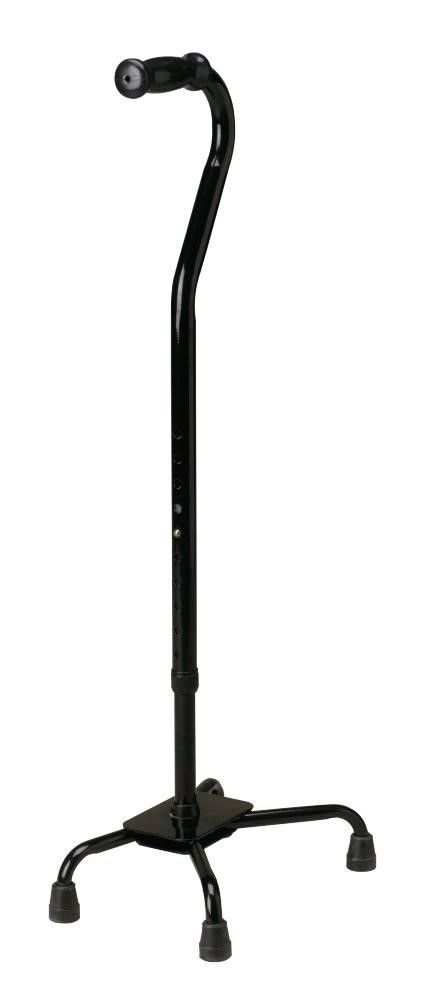
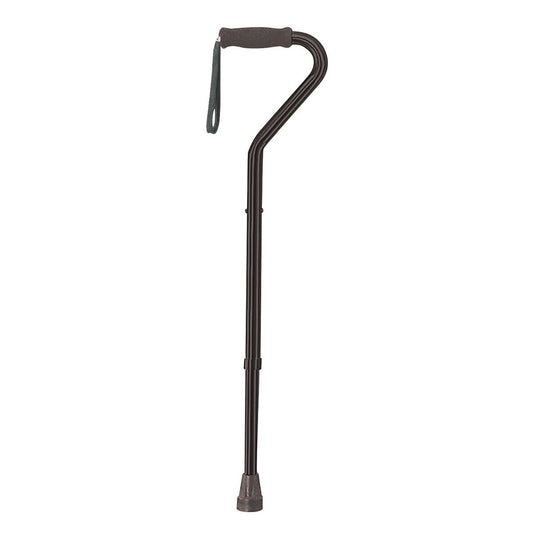
Bariatric medical equipment is specially engineered to safely support individuals with higher body weight, typically rated for 350 lbs or more. It includes heavy-duty walkers, extra-wide wheelchairs, reinforced commodes, bariatric bed rails, wide shower chairs, and heavy-duty lift chairs. Standard home medical equipment is not designed for bariatric weight capacities and can fail under excess load, making purpose-built bariatric equipment essential for safety and dignity. A safe clinical handling and mobility manual published by the U.S. Department of Veterans Affairs (VA) notes that deploying specialized technology tailored to specific weight distribution, frame dimension, and load limit requirements is vital to ensure structural reliability, minimize skin shearing, and support safer patient transfers.
What weight capacity should I look for in bariatric equipment?
Bariatric equipment is generally available in three capacity tiers: standard bariatric (350–500 lbs), heavy-duty bariatric (500–700 lbs), and extra-heavy-duty (700+ lbs). Always choose equipment rated at least 50–100 lbs above the user's current weight to provide a safe margin. Check both the static weight capacity (standing still) and dynamic weight capacity (movement and transfer) listed in the product specifications.
What is the best walker for a bariatric person?
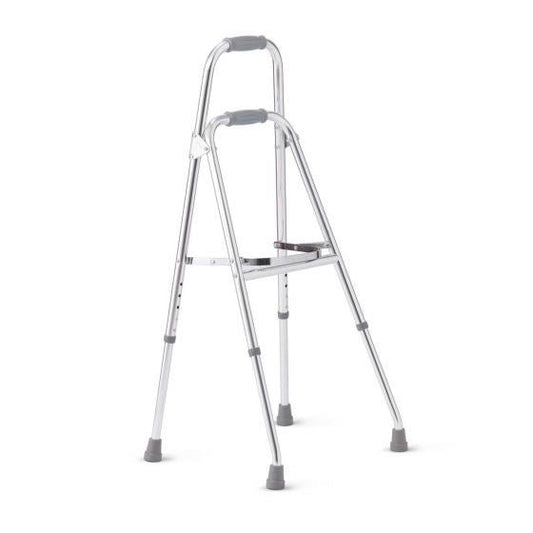
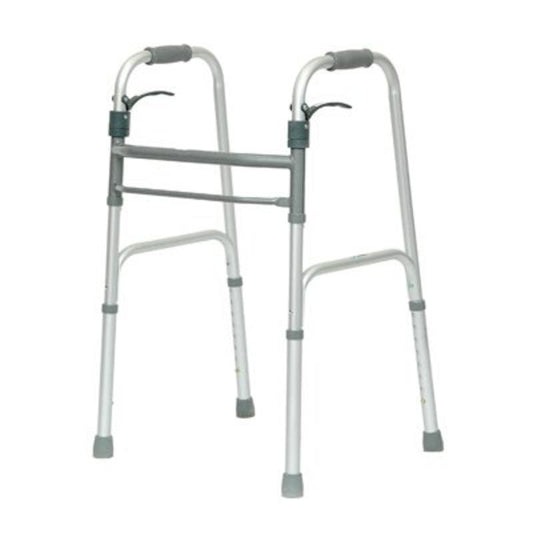
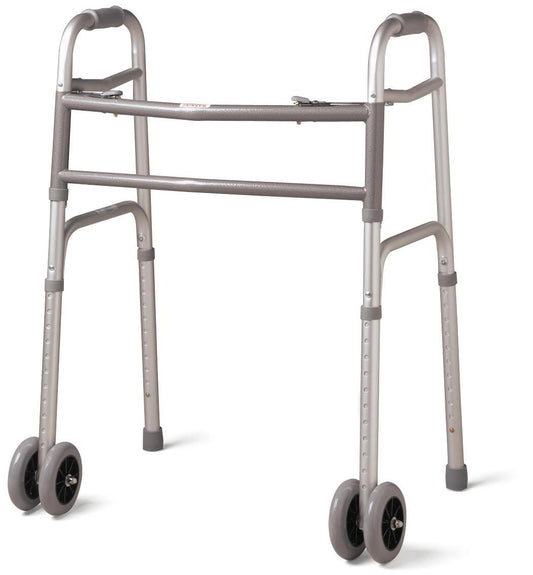
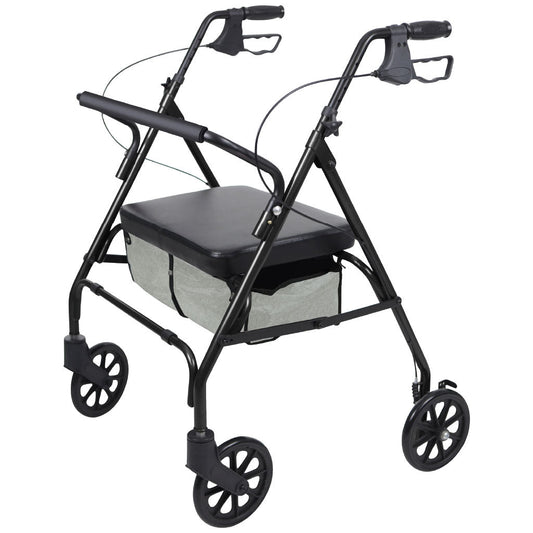
The best bariatric walker is a heavy-duty model with a wide frame, reinforced joints, and a weight capacity appropriate for the user. Bariatric rollators with four wheels and a built-in seat are ideal for people who need to rest frequently. Look for non-slip rubber tips, ergonomic handles at the correct height, and a frame width that fits comfortably through standard doorways. An Occupational Therapist can assess the right walker type for your mobility needs.
What bariatric bathroom equipment is available?
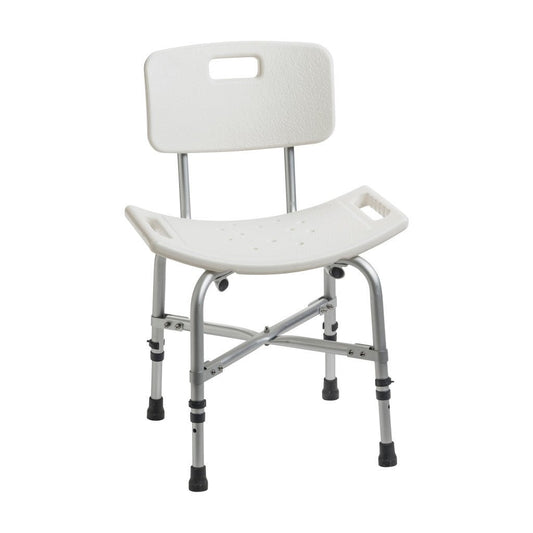
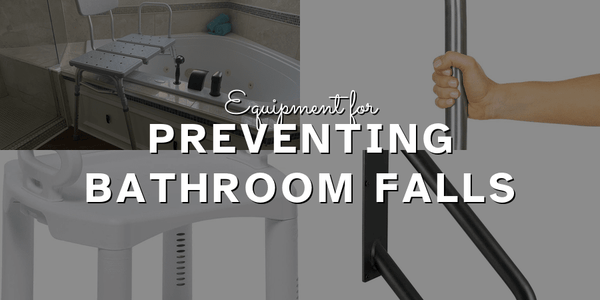
Bariatric bathroom equipment includes extra-wide shower chairs and tub transfer benches (typically 24–28 inches wide), heavy-duty commodes and raised toilet seats rated for 500+ lbs, reinforced grab bars with higher weight ratings, and non-slip bath mats with stronger suction. These products are wider, lower to the floor for easier transfers, and built with reinforced frames to safely support higher body weight during bathing and toileting.
How do I reduce caregiver strain when assisting a bariatric patient?
Reducing caregiver strain when assisting a bariatric individual requires the right equipment and technique. A Hoyer lift or ceiling track lift eliminates manual lifting during transfers. A bariatric transfer board allows sliding transfers with minimal lifting. Adjustable-height beds reduce bending during care. Gait belts provide a secure handhold during assisted walking. An Occupational Therapist can assess the home and recommend a safe handling plan to protect both the caregiver and the patient.
What is a bariatric commode and when is it needed?
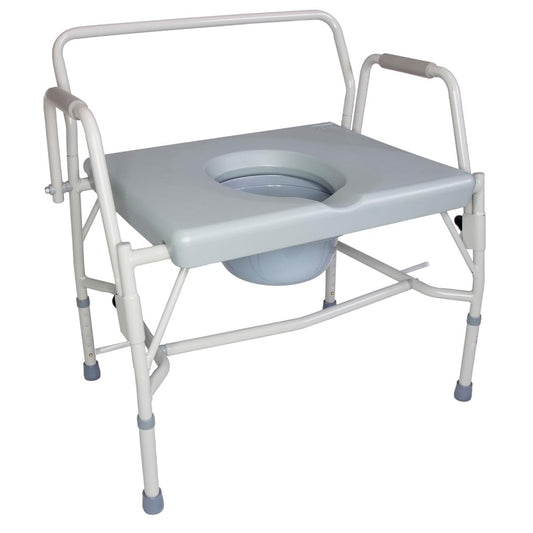
A bariatric commode is a heavy-duty bedside or over-toilet commode with a wider seat and reinforced frame rated for 500 lbs or more. It is needed when a standard commode or toilet seat cannot safely support the user's weight, when mobility limitations make reaching the bathroom difficult, or during post-surgical recovery when bathroom access is restricted. Many bariatric commodes can be used bedside or positioned directly over the toilet.
Can bariatric equipment be used at home?
Yes, most bariatric equipment is designed for home use. However, it is important to assess doorway widths, floor surfaces, and available space before purchasing. Extra-wide wheelchairs and walkers require wider doorways (typically 36 inches or more). Reinforced beds and lift chairs may require floor load assessments in older homes. An Occupational Therapist can conduct a home assessment to identify which bariatric products will fit and function safely in your specific environment.
How do I choose the right bariatric wheelchair?
When choosing a bariatric wheelchair, consider seat width (typically 20–30 inches for bariatric models), weight capacity, frame material (steel for durability vs. aluminum for lighter weight), and wheel configuration. The seat width should be 2 inches wider than the user's widest point for comfort and pressure relief. Reinforced anti-tip wheels, padded armrests, and elevating leg rests are important features for users who spend extended time in the chair. A seating specialist can provide a formal fitting.