
Summary
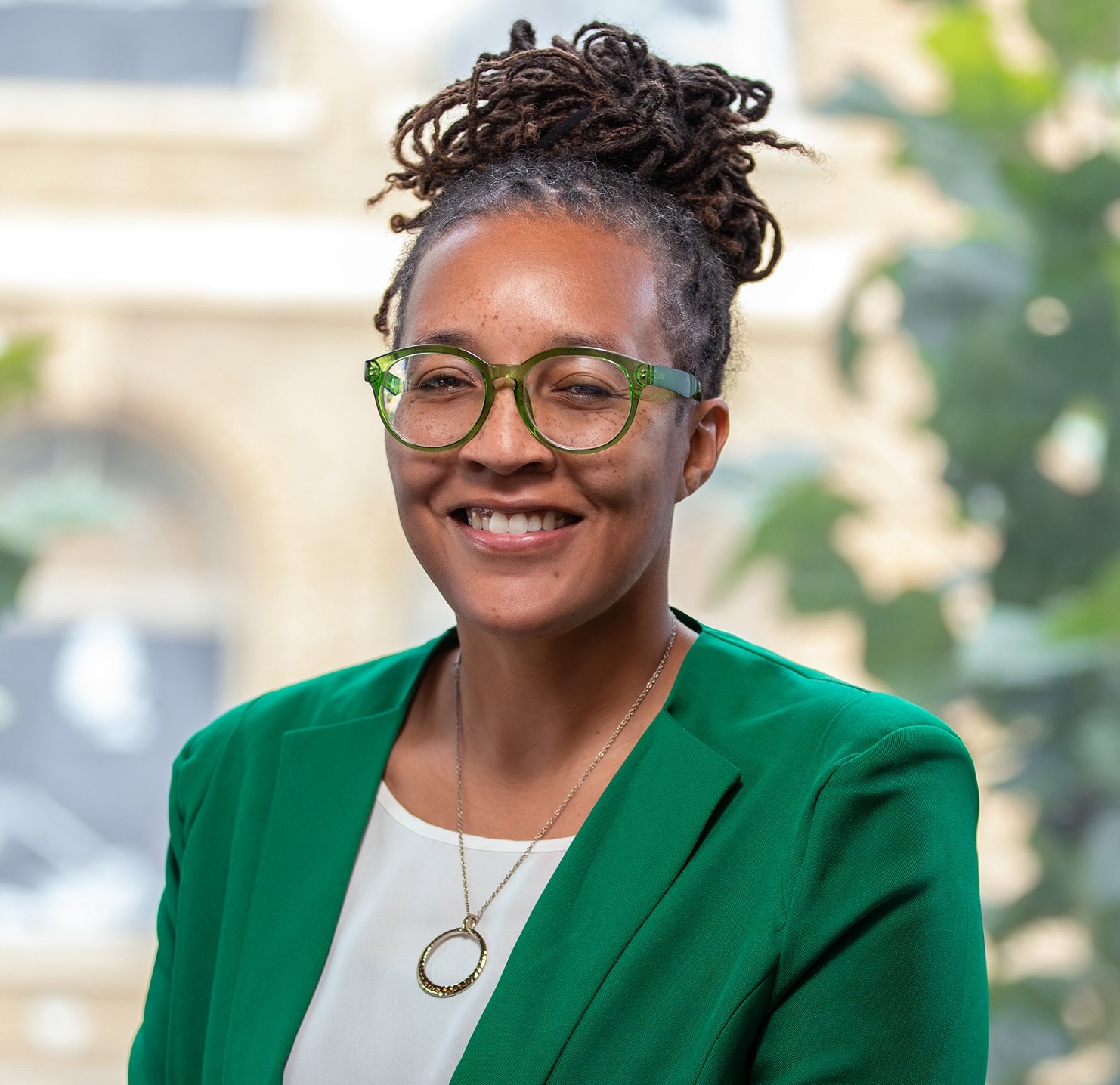
In this episode of CareLab, Emilia Bourland and Brandy Archie speak with Ju Tu, founder of Aegeliss, about creating meaningful, dignified engagement tools for people living with dementia and cognitive decline. Inspired by her grandparents’ caregiving journey, Ju shares how she transitioned from the corporate world into designing adaptive products that support independence, reduce caregiver burden, and encourage connection. The conversation explores the importance of cognitive engagement, the stigma surrounding dementia, and the need for thoughtfully designed products that meet people where they are. Ju also discusses how her puzzle-based engagement tools help caregivers create “just right” challenges that promote confidence, joy, and social connection.
Key Questions Answered
Transcript
Emilia Bourland
A diagnosis can change a lot, but it should never take away dignity, joy, or a sense of purpose. In this episode, we're exploring how caregivers can move from uncertainty and overwhelm to confidence and calm with simple practical tools that truly meet them where they are.
Learn how thoughtful home environments and adaptive engagement activities can reduce confusion, spark meaningful connection, and empower loved ones to stay involved in daily life, no matter their abilities. This conversation is all about easing the invisible weight that caregivers carry and replacing what do I do with I've got this.
Brandy Archie
We're so excited to be able to have this conversation with Ju Tu, who is the founder of Aegeliss, a Seattle based company focused on building a world for cognitive accessibility through thoughtfully designed visual support systems and adaptive engagement tools. like a adaptive tool.
Aegeliss helps caregivers create environments that promote independence, dignity, and meaningful moments for people living with dementia and other cognitive needs. She works closely with family caregivers and senior living communities and health care partners to translate their caregiving challenges into really simple, practical, ready-to-use solutions that make everyday care more intuitive and less overwhelming. And before she created Aegeliss, Ju worked in management consulting and corporate program management roles for a decade.
She's also a care partner to her grandparents and brings extensive experience in business operations and supply chain management. Thank you so much for joining us today. We're so glad to have you.
Ju Tu
of you are so wonderful. ⁓ I've watched your episodes across social media platforms, love both of your energy, your passion, bring it to the caregiver education space. ⁓ Very, very ⁓ validating and exciting for me to be here. Thank you for having me.
Emilia Bourland
Thank you so much.
Yeah, thank you so much for being on CareLab. We really appreciate you being here today. ⁓ Let's just dive right in. Can you, I'm so intrigued by this bio. How did you get from the corporate world to where you are now?
Ju Tu
Great question. So one of the first lessons I've learned at the beginning of my UT Austin MBA orientation was to find your Ikigai, which is the intersection of what the world needs, what your strengths are, and what your passion is. So for me, ⁓
I've always felt like something was missing when I was in the corporate world. And it wasn't until the visit to my grandparents in 2024 that I realized that his cognition decline has reached a level that was beyond normal aging. He was Alzheimer's disease. And it was just really painful for me to see how a previously aspirational people leader
a man full of wisdom suddenly turned into a shell. And there was a lot of social stigma around him. My grandmother became the primary caregiver handling big financial medical decision, as well as a lot of these repetitive questions in the quiet moments at home. There wasn't a lot of activities they can do. So it's like I must
there must be a way I can do something for them. So I searched extensively for ⁓ dementia friendly activities ⁓ in China. And then later back in the US, I searched on Amazon and the search results were just really depressing. So that was my trigger one is that people have really normalized the low expectation for senior
friendly products. And then second, think based on that personal experiences, I did a lot of personal interviews with family caregivers, also operators in adult family homes, nursing home, and just asked them like, what kind of puzzles or tabletop activities do you engage with your loved one?
a family caregiver did like a lot of them didn't even realize the importance of cognitive engagement. And for like nursing homes, ⁓ a lot of answers I got were like, ⁓ children's puzzle because they're big and, you know, sturdy. But for me, just that never sit right with me. ⁓ That how can we use infantizing or childish products just because of convenience?
So that was like the trigger two. And the other, the last trigger was, I kind of did this social pressure task with my friend, Serco, which is 10 seconds. Please let me know one high quality senior friendly activity product brand, any activity product brand. And then,
none of them can answer that question intuitively within 10 seconds. If you think asking the same question for parents, it's going to be an easy answer, like toys and games, endless choices and big brand names serving the kids. The seniors are such a big part of our population. Why shouldn't we create something that factoring their life of wisdom, their knowledge?
their vision, hand dexterity, cognition, new realities into the product design. based on all of that, I was like, okay, this is really, I felt like my passion, what the world needs ⁓ and what I could be good at intersect. So that's what got me started on the Aegeliss entrepreneurship journey.
Brandy Archie
Thank you for going through that with us and talking about how you thought through all of that. I'm interested in like, there were a lot of big challenges that your grandparents were facing, right? And you saw how your grandmother became the caregiver and she had lots of things she had to deal with. And there's, I'm sure lots of ways your energy could have been used to help them. What made it stand out to you about the activities component of that?
Ju Tu
because at the... ⁓
So like a lot of family caregivers who started off a diagnostic report from the doctor and that was just it. Okay, you have a lot of, know, read all of this, mostly very ⁓ depressing to read. And then there's a lot of like the bulk of the time relies on the in-home interactions.
because due to mobility issue, my grandfather can walk for some period of time during the day. But the bulk of the time is within the home environment, the interaction with TV, with newspaper, with the home organization, with the garden. But I would say the bulk of the time is sitting in the living room in his chair and watching TV. And it was depressing TV.
So for me, it was the trigger that there must be something that very intuitive, simple for my grandmother to engage with, engage him cognitively so he can feel, okay, stay focused for a short period of time, maybe 30 minutes, maybe one hour. So she can be relieved in doing some of the ⁓ household chores ⁓ and, you know, go buy things and leave the home without feeling worried.
The alternative is always hire somebody, the in-home care aide. But for me, it just doesn't feel right. And I know that in this dementia caregiving journey, it's really important for ⁓ people to stay engaged in healthy brain stimulation, whether it's through doing purposeful household activities.
or doing any kind of like brain and memory ⁓ exercises that will help preserve the remaining abilities. So I wanted to really pause their their reality, whatever like that reality and then educate my grandmother that please let's find something that allow him to do purposefully.
And also in a dignified way in a joyful way where you also enjoy too. So that's what got me started in the ⁓ Engagement activities
Emilia Bourland
Okay, so I have two questions. First one is really short. Are you sure you're not an occupational therapist, first of all? Because you're saying all the things. You're saying, even if you're not, like very naturally, you actually are, even though you maybe didn't know it. ⁓ Here's my real question. ⁓ Everything that you're saying is so on the nose, just absolutely correct and spot on.
Brandy Archie
things right
Ju Tu
Hahaha
you
Emilia Bourland
What is so challenging about achieving this is as someone continues through their dementia journey or has any level of cognitive decline, even if it's someone with a stroke or a brain injury or something else, there's something, there's a phrase we have in occupational therapy called the just right challenge. And the idea is to find the activity that is meaningful and purposeful.
but meets that person exactly where they're at in that journey. And that can be a very challenging thing to do. I'm ⁓ so interested and excited about how do you find that Just Right Challenge? How do your products support home caregivers figuring out what that Just Right Challenge is? Because that can be really, really tricky.
Ju Tu
⁓ that is extremely tricky. ⁓ I'll be very honest with you that ⁓ I started the company in July 2024 thinking that it could be, you know, at the beginning it could just be modifying the conventional product ⁓ features, which is a lot of like existing, you know, if you search dementia friendly products on Amazon, even today, you'll find out a lot of like ⁓
AI generated picture with larger pieces and they just call it, okay, this could be dimension friendly because it's big. And I don't find that acceptable because I still feel like because of the ⁓ limited hand dexterity, the vision, I really wanted to understand their new reality and develop something that is extremely simple, extremely intuitive.
and encourage self-initiation, so it eases the burden on caregiver as well. ⁓ And sometimes simplicity is the ultimate complexity. In order to achieve that, and because I didn't have coming from a senior living, a medical category, I really have to be well immersed in the ⁓ dementia caregiving space.
So I didn't take the shortcut. I kind of take the long cut, which is become a volunteer at Elderwise, which is ⁓ dementia friendly at our daycare center in Seattle. So I volunteer there every week and just engage with a group of seniors in a delightful environment.
see, observe their interactions with the environment, with each other, with art, with other activities from a product development lens and also from a social research lens. And see, if I'm developing something for the general public and then also specifically for this ⁓ underserved population, I just really have to... ⁓
be well educated on like be well educated myself and I see how I can, you know, reinvent something from the start that when your experiences gave me very rich first hand experiences on their like interactions in their hand motions and how they can talk to each other. But what I ultimately learn is that the remaining strength
if you prepare the environment well, they'll still shine. ⁓ And second is they're eager to connect it to the world around them is so strong. third, if you undiminished, yeah. Never. Yeah. And then if you praise them, if you know any small things you do for them, they're just so happy. ⁓
Emilia Bourland
It's undiminished. People's desire to connect never goes away. Undiminished, yeah.
Ju Tu
They can also be very creative as well throughout our artwork ⁓ series. So I was just amazed by how ⁓ wonderful my experiences at Elderwise was. So that kind of really ⁓ paved the foundation for ⁓ me in being a product designer.
Brandy Archie
There's so many great things there. Are your grandparents still living in China? And so my question is, because one of things you mentioned was how... ⁓
they, you noticed that they were a little bit shunned a little bit and for this diagnosis. And also you mentioned just now about how people have this undiminished desire to connect. And yet there's not a lot of things out there that are intentionally for fun, engagement, connection when we have challenges with our cognition. And so first I just kind of want to know, like, do you see any similarities or differences in culture, like culturally about like how
dementia or Alzheimer's is perceived in China versus how it's perceived here. ⁓ Because to me, seems like ⁓ a lot of this, a lot of the diagnosis itself is challenging, yes. But the way we deal with it is also part of our perception, right? That like, you're an older adult maybe, and there's not necessarily room for fun, or we don't need to focus on like, engagement or activity in the same way that we think about like,
Ju Tu
Yeah.
Brandy Archie
Kids need to, in order to develop well, they need to have connection with their parents and friends and you need to play and play is part of the development. We're real intentional about that. But we're not necessarily intentional about that as adults. And I feel like that's a thing we could change societally. So I just wonder if you see similarities or differences or a little bit of both culturally that could, that would just be interesting to know.
Ju Tu
I think it's very similar when it comes to stigma. And when people talk about it, ⁓ like for us who now work in this healthcare dementia caregiving space, we know that that is just a lot of misconceptions or the prevalent social norms are not true. ⁓ But for people who are not in this space.
who are not very well versed into the family caregiving side of things, I think strong stigma exists. ⁓ For me, my grandparents, think people, for my grandfather, people who talk about him are still like using the tag and say, yeah, I don't really know what to talk. ⁓ And like, okay, it's a social gathering. Should I invite him or not?
You know, that kind of already ⁓ sets up like veil lens and like he is already predetermined to be not fit for social interactions, which is probably I think there's a lot of similarity in here. But I think what really sets ⁓ US apart is that there are a lot of ⁓ adult daycare centers, ⁓ very well-built out memory care communities.
There are far more brain health apps and more and more dementia friendly ⁓ emerging solutions going to this space. So I do see that more and more people are starting to catch this trend and want to invest to capitalize on this ⁓ trend.
versus I think in China, when I search on Taobao, which is the e-commerce platform, ⁓ I still find mostly just low quality children's products repurpose the product title in the listing. ⁓ And I haven't really seen a lot of brands are trying to reinvest it in the senior focused ⁓ space yet. But to your point, I think it's predominantly similar.
Emilia Bourland
What about, have a follow-up question for this and you may or may not have a good answer. I think it's just an interesting like topic of conversation. And I think it really comes down to, there's also a difference. I think part of the reason there's such a difference in the amount of products available is because people have a very different perception about investing and spending money depending on the age spectrum that someone is in. So we all know.
if you will spend anything for your child, any amount of money, nothing, you will work, you will pick up a third job, you will do whatever it is to do whatever your child needs for you, right? But we don't necessarily, when it comes to extremely important and even like basic quality of life issues for older adults.
Ju Tu
Yeah. ⁓
Yes.
Emilia Bourland
people are just less willing to invest and often the older adult is less willing to even invest in themselves, right? To have this thing that would be so helpful to make their life more enjoyable or more functional or whatever it is. What kind of role do you think or could you just talk about that a little bit? Also, if this is like not where you wanna go, you can just be like, I don't know, this is a hard question. This is dumb, let's not talk about this. We could go to something else.
Ju Tu
Yeah, yeah.
Brandy Archie
Yeah.
Ju Tu
I think you're absolutely right. Because I think about this all the time too. And like from like from a sandwich generation perspective, you're handling yourself, you're you have a lot of pressure coming at work at from the children. And then now your parents, maybe even grandparents. So in thinking about like all the all of these competing forces and where that the span could, you know, give me the most joy.
⁓ I think the easiest answer is the kids or some indulgence activity on the spousal relationship or the self care. ⁓ When it comes to ⁓
Caring for parents. think there is a few there are a few complications to that first is a lot of people are doing the long distance caregiving so like the social connection Going out into different community senior center events To have that it's not a natural activity for a lot of seniors a lot of people choose to age in place
but also they don't go out. They may lose their spouse at certain point of their life or lose connections with some of the family members. And when they retire, they just ⁓ stay isolated from the bigger social network. So it's really hard for the adult children to convince their long distance parents to, can you go out? Can you try something? So I think a lot of conversation started with
daughter wanted to change the behavior of their parents from afar and that didn't really go well. like, when, you know, when not, I think it's from good intention, but just how, you know, how you landed it, it doesn't work. ⁓ and then second, I think just a mainstream social, ⁓ like mainstream marketplace or mainstream
Emilia Bourland
Yeah, good luck.
hahahahah
Of course, always.
Ju Tu
Consumer behavior is not necessarily on the senior cognitive acts or like cognitive engagement ⁓ games and activities for in-home use as I was like when I ⁓ When I ⁓ Like even apply for the company registration on the website on different websites or even a wanted to apply for like ⁓
Products competitions and there's a drop down on the product category So you all that question always gets me so I'm clearly not baby and children I'm not toys and games. I don't believe ⁓ that like what I'm developing should be toy And it was really hard for me to find a right category that capture this ⁓ non-pharmaceutical ⁓
Emilia Bourland
Mm-hmm.
Ju Tu
non-medical cognitive engagement activities and visual support system that support the income caregiving. like I think just broadly this mainstream, I don't know how to call it mainstream consumer marketplace hasn't really captured this very large needy ⁓
thing. Sorry for lack of a better word. Exactly. Yes, category. That was the word I was looking for. ⁓ So that's how I feel like ⁓ now it's a category I'm like creating for the seniors.
Emilia Bourland
Yeah, there's not even the right category. There's not even the right category for it yet. Yeah. Yeah.
Brandy Archie
There's not a, yeah, there's not a place for it.
That is such an important point because if you, know, the going saying is, if you can't talk about it, it can't change. Like you can't put a word to it. You can't do anything about it. can't track it. And if you can't track it, then you can't like make progress or change it. And like the very first thing we need is like a category, a word for a way to talk about it. And you see that happen in all kinds of movements over history, right? Like as soon as you get like a name for it, then you can easily say it to each
And you can say, that's right. We don't have enough of that, whatever that is, right? And then we move to make change on it. And so even going all the way back to just like finding the right category is so important. I bet a lot of recreational therapists are like jumping for joy and screaming about this right now because like they're doing non-medical work in a therapeutic way to provide and we use it in a medical context. ⁓ But it's like this little secret is like, yeah, engagement.
Ju Tu
Yeah, yeah.
Brandy Archie
engagement and activity is really useful and beneficial for people and so we're gonna stick it into rehab programs and have it show up in different places, even a whole profession for it. like, nobody really, not that many people know or use it and like it's there, that's why they're there and that's why it's super important because we already recognize that science shows us we need connection.
Ju Tu
Mm.
Brandy Archie
Having activity and ways to connect with each other is vitally important for our emotional wellbeing and that translates into our physical wellbeing, right? ⁓ So you gotta get to work, it sounds like, on like creating a category and getting everybody to use that title and like get this ball rolling. It sounds like you got even more work than you thought you did.
Ju Tu
Yes, definitely. I love what you're saying. ⁓ Like one of my biggest supporter and partner is the Center for Applied Research in Dementia. ⁓ Like Evan Shelton, who is the chief innovation officer there often said, engagement is the best medicine. And I wholeheartedly believe that. And I've also seen that firsthand myself is
Emilia Bourland
Yeah.
Ju Tu
lady who is extremely anxious going after ⁓ she said goodbye to her husband on the memory care floor and then she start pacing around that really affected like other residents and her anxiety level was through the roof and as soon as we engage her with the puzzle gave her something to anchor her mind and hands on
and inviting her ⁓ fellow residents to join her and coach her, cheer for her. The pacing stopped. Her anxiety was calmed down and she was able to spend around 90 minutes engaging, solving a problem with her friends at a very deep level. And you know, you can use all math, but
I feel like the power and the impact coming from this therapeutic activities that allow her to solve a problem in a fail-free way with the right visual support and peer support is
just hugely validating for her on that day. ⁓ So I've seen a lot of these impact stories myself. And I now I truly believe that engagement could become the best medicine in those situations.
Emilia Bourland
I think that's such... you make so many really good points, ⁓ a couple of which I want to highlight. You know, you've got... this is great story that you told, because this is a story that is taking place across the world right now, everywhere. There are literally... there are probably hundreds of thousands of people...
Brandy Archie
Everywhere. Yes.
Emilia Bourland
Across the globe who are in the same situation as this woman who's pacing around she's anxious She doesn't know what to do and that all comes back to the fact that people whether they have dementia or not are people first and people Need to do something people get bored Including people with dementia. They're made to move. They're made to engage there and so Really bringing you back to this idea of engagement being being
Ju Tu
Yes!
Brandy Archie
We're made to move.
Emilia Bourland
one of the best medicines that you can have. And I think, you know, also kind of bringing this full circle and Brandy, some of what you were saying, it's so widely recognized, even scientifically now, that engagement is absolutely vital for all levels of our health, for our mental health, for our physical health, for all of the things, right? And I think...
Ju Tu
Yeah.
Emilia Bourland
I think also that no one would argue with that. I think it's patently obvious on ⁓ a like common sense level to everyone that people need to be engaged, that we need to be social. What's so hard though is knowing how to make that happen when someone has had a change of state from what they used to be able to do to what they're able to do now. So everyone recognizes like we have to be able to do this, but it's what's really
really,
really hard is actually figuring out how. ⁓ so I'd love for you to talk a little bit about how do your products work? Like, can you give us some examples? Or if you have any specific stories you want to share about that, that would be awesome to kind of illustrate how what you've done is actually like working in the real world.
Brandy Archie
contextualize it.
Ju Tu
Love it. So at Aegeliss, which is the name of the brand that I'm building, we have two product lines. One is the visual support product line that support independence in their activities of daily living. And the second is engagement activities. So for the launching phase, we have ⁓ the 2 in 1 jigsaw puzzles.
So puzzles have been a staple throughout our life. There's, you know, if you think about the packaging, the design of it, it's always pieces housed in generic top and bottom pack ⁓ boxes. In order to open it, you have to dump it out and then like dump all the pieces out and then making sure all the pieces are flipped up. And so
If you were to imagine that picture that in a home environment, it's usually from the closet and setting up on the table, making sure there's something prop up, to put a cover on front of the person, that's already a 10 minute of setup. And the person may or may not be able to understand the expectation or know how to do it properly. And they get frustrated very quickly. So I realized that I wanted...
and wanted to find a way that really ⁓ support their ⁓ ergonomic ⁓ comfort and engagement. So what we designed is 2-in-1 jigsaw puzzle that is like puzzle built in the book. It only takes two seconds to open up the cover page and rest it on a flat surface to provide the optimal, comfortable viewing angle.
and the puzzle pieces are super big, sturdy, and they're built inside the leaf. So all you need to do is to take the pieces out and putting it back in with the reference picture right ⁓ in front of you. And because I realized that there is a varying ability level, so we also designed this guided picture template with the exact same die line.
that caregiver can choose to place it on the side as a matching if the person cannot do puzzle. And then they can also put it back inside that cut out ⁓ area to serve as a double visual support, one in the front, one in the back. So the pieces would just go on the top. ⁓ And we also seeing like people doing it in a solo moment.
while waiting for their wheelchair to be repaired. So that board in the 45 minutes turn into really deeply engaged solo problem solving. And once the person done with the first one, that's already like 45 minutes to one hour feel good time, and they can flip page open and do the second one. So we've seen.
the very simple one inch thick puzzle book can turn into a know, prolonged engagement time. And it was just simple. And then for the people who don't really want to do puzzle, there's instruction guide with a lot of conversation and take these of information about the two national parks and of the images that we feature in the first puzzle.
So they can talk about their experiences at national parks and about their outdoor, about hiking. So it can also become a conversation gateway into ⁓ their past experiences. ⁓ We've also seen caregivers are really creative. Like I thought about five different ways of engaging this puzzle from easy to hard, from puzzle to conversation.
They even turn this into an interactive ⁓ gamification experiences for their early stage ⁓ memory cafe participant. So it's really fun activity for people to have that little bit competitiveness in a supportive environment. ⁓ So that's how a simple, the most traditional product can support people of varying abilities.
but in the simplest format possible.
Brandy Archie
You're like speaking in OT's language, right? Because to Amelia's point earlier about having that Just Right challenge, having one product that can be used in multiple different ways and graded or changed ⁓ up or down for a level of ability is so awesome. And I also think that in my experience, most caregivers who are the primary caregiver, family caregivers, or even not the person that's living with them all the time,
Emilia Bourland
Hmm.
Brandy Archie
⁓ want to engage with their person, but don't know how to do that well. And to have some scaffolding around that, and by just like, here's a puzzle, we both know what to do with that. And then you see what the challenges or the benefits are and change it based on that is great. And then as a clinician, like that's what we're skilled at doing is coming up with ways to help people engage and putting it at the right, just like right level for them. But the challenge is often, I can do that in session all the time. I'm a good therapist.
Right. But the challenge is how do I take that from my session and my knowledge and translate it to the family caregiver so they can repeat that at home? They can have options at home. I'm only spending an hour with them. They're with them 20 other 23 hours of the day. Right. And so to have something to hand to somebody like, you know what, everything I just did in this session, you can do it with this in this way and make it super simple is amazing. And also like the thinness of it means that you can take it with you. It's like the same size. could just fit in my back.
Ju Tu
Yes, yeah.
Brandy Archie
Just like I would bring a book for my kids. You can bring this with you and take it to a place that maybe is unfamiliar. You're gonna have to be sitting for a while. And so the thoughtfulness of all those individual details are like things that OTs usually like craft and try to figure out how to put together with duct tape and sewing thread. You know, we do all kinds of crazy stuff, but to something nice that looks good and feels good matters a lot. So I really appreciate you coming on and talking with us about it. I really appreciate your effort in like
Ju Tu
Yeah
It's something bad.
Emilia Bourland
Yeah.
Brandy Archie
creating
a new category and ⁓ bringing dignity to this space so that people have many options of things to do. ⁓ Besides people finding Aegeliss products at asksammy.com, where else can they connect with you and where else ⁓ would you want them to connect with you at?
Ju Tu
Yeah, so we can, know, ask Sammy, we're so excited to partner with Dr. Brandy to be a partner on Ask Sammy. But we also like constantly ⁓ in this product development. ⁓ I love product development. So we're always launching new products. So you can always find our products at ⁓ Aegeliss.com and then
Aegeliss is going to spell very differently from this conventional word, just as how I think about creating a category. Whatever we're doing is unconventional. So we had a very unconventional spelling. Check that in the link. We're also hosting a dementia-friendly products pop-up in the Seattle community. So what that looks like is a curated
showcase of various kind of like non-medical, non-pharmaceutical, dementia-friendly caregiving products that benefit family caregivers. We plan to do like a road trip, road trip style of showcase, including Aegeliss products. ⁓ We're going to start the first one on May 2nd, but we want to do it in different, you know, parts of the CP to really inspire organization to see if
Can we set up a model home that is really caregiving friendly, accessible? So whoever comes onto the caregiving journey can say, okay, let me see how I can get inspired and help me, a great caregiver, be the best caregiver possible. So more on that on our website as well. Also find us on social media.
We're all LinkedIn and Instagram so find Aegeliss on both places and also on the care lab podcast
Emilia Bourland
Thanks for that. Thanks for that final plug there. That's amazing We will if you're watching or listening we are gonna link that in the show notes So whether you're watching this on YouTube or you're listening to this wherever you get your podcast Just scroll down to the show notes and you'll get there will be a link there for the Aegeliss website So you can find them there directly Of course, there's always links to ask Sammy and higher standards caregiver training. You can find those resources there as well. Do you too?
Ju Tu
Yes!
Emilia Bourland
Thank you so much for the work that you're doing that is so important. And thank you so much for spending the time this morning to have this really wonderful conversation with us here on CareLab. ⁓ Dear listener slash viewer, if you made it to the end of this episode, please take a moment to like, subscribe, share this with other people that you think might benefit from it. ⁓
Most importantly, leave us a comment, leave us a review. These are the best ways for that algorithm, that tricky little algorithm there to pick us up and start sharing this with more people like you who can benefit from the information and the resources that we try to go out there and find for you here on CareLab. So until next time, thank you so much for listening. Thanks for watching. We'll see you right back here next Friday on CareLab. Bye.
Brandy Archie
Bye, everybody.
Ju Tu
Bye.
land
A diagnosis can change a lot, but it should never take away dignity, joy, or a sense of purpose. In this episode, we're exploring how caregivers can move from uncertainty and overwhelm to confidence and calm with simple practical tools that truly meet them where they are.
Learn how thoughtful home environments and adaptive engagement activities can reduce confusion, spark meaningful connection, and empower loved ones to stay involved in daily life, no matter their abilities. This conversation is all about easing the invisible weight that caregivers carry and replacing what do I do with I've got this.
Brandy Archie
We're so excited to be able to have this conversation with Ju Tu, who is the founder of Aegeliss, a Seattle based company focused on building a world for cognitive accessibility through thoughtfully designed visual support systems and adaptive engagement tools. like a adaptive tool.
Aegeliss helps caregivers create environments that promote independence, dignity, and meaningful moments for people living with dementia and other cognitive needs. She works closely with family caregivers and senior living communities and health care partners to translate their caregiving challenges into really simple, practical, ready-to-use solutions that make everyday care more intuitive and less overwhelming. And before she created Aegeliss, Ju worked in management consulting and corporate program management roles for a decade.
She's also a care partner to her grandparents and brings extensive experience in business operations and supply chain management. Thank you so much for joining us today. We're so glad to have you.
Ju Tu
of you are so wonderful. ⁓ I've watched your episodes across social media platforms, love both of your energy, your passion, bring it to the caregiver education space. ⁓ Very, very ⁓ validating and exciting for me to be here. Thank you for having me.
Emilia Bourland
Thank you so much.
Yeah, thank you so much for being on CareLab. We really appreciate you being here today. ⁓ Let's just dive right in. Can you, I'm so intrigued by this bio. How did you get from the corporate world to where you are now?
Ju Tu
Great question. So one of the first lessons I've learned at the beginning of my UT Austin MBA orientation was to find your Ikigai, which is the intersection of what the world needs, what your strengths are, and what your passion is. So for me, ⁓
I've always felt like something was missing when I was in the corporate world. And it wasn't until the visit to my grandparents in 2024 that I realized that his cognition decline has reached a level that was beyond normal aging. He was Alzheimer's disease. And it was just really painful for me to see how a previously aspirational people leader
a man full of wisdom suddenly turned into a shell. And there was a lot of social stigma around him. My grandmother became the primary caregiver handling big financial medical decision, as well as a lot of these repetitive questions in the quiet moments at home. There wasn't a lot of activities they can do. So it's like I must
there must be a way I can do something for them. So I searched extensively for ⁓ dementia friendly activities ⁓ in China. And then later back in the US, I searched on Amazon and the search results were just really depressing. So that was my trigger one is that people have really normalized the low expectation for senior
friendly products. And then second, think based on that personal experiences, I did a lot of personal interviews with family caregivers, also operators in adult family homes, nursing home, and just asked them like, what kind of puzzles or tabletop activities do you engage with your loved one?
a family caregiver did like a lot of them didn't even realize the importance of cognitive engagement. And for like nursing homes, ⁓ a lot of answers I got were like, ⁓ children's puzzle because they're big and, you know, sturdy. But for me, just that never sit right with me. ⁓ That how can we use infantizing or childish products just because of convenience?
So that was like the trigger two. And the other, the last trigger was, I kind of did this social pressure task with my friend, Serco, which is 10 seconds. Please let me know one high quality senior friendly activity product brand, any activity product brand. And then,
none of them can answer that question intuitively within 10 seconds. If you think asking the same question for parents, it's going to be an easy answer, like toys and games, endless choices and big brand names serving the kids. The seniors are such a big part of our population. Why shouldn't we create something that factoring their life of wisdom, their knowledge?
their vision, hand dexterity, cognition, new realities into the product design. based on all of that, I was like, okay, this is really, I felt like my passion, what the world needs ⁓ and what I could be good at intersect. So that's what got me started on the Aegeliss entrepreneurship journey.
Brandy Archie
Thank you for going through that with us and talking about how you thought through all of that. I'm interested in like, there were a lot of big challenges that your grandparents were facing, right? And you saw how your grandmother became the caregiver and she had lots of things she had to deal with. And there's, I'm sure lots of ways your energy could have been used to help them. What made it stand out to you about the activities component of that?
Ju Tu
because at the... ⁓
So like a lot of family caregivers who started off a diagnostic report from the doctor and that was just it. Okay, you have a lot of, know, read all of this, mostly very ⁓ depressing to read. And then there's a lot of like the bulk of the time relies on the in-home interactions.
because due to mobility issue, my grandfather can walk for some period of time during the day. But the bulk of the time is within the home environment, the interaction with TV, with newspaper, with the home organization, with the garden. But I would say the bulk of the time is sitting in the living room in his chair and watching TV. And it was depressing TV.
So for me, it was the trigger that there must be something that very intuitive, simple for my grandmother to engage with, engage him cognitively so he can feel, okay, stay focused for a short period of time, maybe 30 minutes, maybe one hour. So she can be relieved in doing some of the ⁓ household chores ⁓ and, you know, go buy things and leave the home without feeling worried.
The alternative is always hire somebody, the in-home care aide. But for me, it just doesn't feel right. And I know that in this dementia caregiving journey, it's really important for ⁓ people to stay engaged in healthy brain stimulation, whether it's through doing purposeful household activities.
or doing any kind of like brain and memory ⁓ exercises that will help preserve the remaining abilities. So I wanted to really pause their their reality, whatever like that reality and then educate my grandmother that please let's find something that allow him to do purposefully.
And also in a dignified way in a joyful way where you also enjoy too. So that's what got me started in the ⁓ Engagement activities
Emilia Bourland
Okay, so I have two questions. First one is really short. Are you sure you're not an occupational therapist, first of all? Because you're saying all the things. You're saying, even if you're not, like very naturally, you actually are, even though you maybe didn't know it. ⁓ Here's my real question. ⁓ Everything that you're saying is so on the nose, just absolutely correct and spot on.
Brandy Archie
things right
Ju Tu
Hahaha
you
Emilia Bourland
What is so challenging about achieving this is as someone continues through their dementia journey or has any level of cognitive decline, even if it's someone with a stroke or a brain injury or something else, there's something, there's a phrase we have in occupational therapy called the just right challenge. And the idea is to find the activity that is meaningful and purposeful.
but meets that person exactly where they're at in that journey. And that can be a very challenging thing to do. I'm ⁓ so interested and excited about how do you find that Just Right Challenge? How do your products support home caregivers figuring out what that Just Right Challenge is? Because that can be really, really tricky.
Ju Tu
⁓ that is extremely tricky. ⁓ I'll be very honest with you that ⁓ I started the company in July 2024 thinking that it could be, you know, at the beginning it could just be modifying the conventional product ⁓ features, which is a lot of like existing, you know, if you search dementia friendly products on Amazon, even today, you'll find out a lot of like ⁓
AI generated picture with larger pieces and they just call it, okay, this could be dimension friendly because it's big. And I don't find that acceptable because I still feel like because of the ⁓ limited hand dexterity, the vision, I really wanted to understand their new reality and develop something that is extremely simple, extremely intuitive.
and encourage self-initiation, so it eases the burden on caregiver as well. ⁓ And sometimes simplicity is the ultimate complexity. In order to achieve that, and because I didn't have coming from a senior living, a medical category, I really have to be well immersed in the ⁓ dementia caregiving space.
So I didn't take the shortcut. I kind of take the long cut, which is become a volunteer at Elderwise, which is ⁓ dementia friendly at our daycare center in Seattle. So I volunteer there every week and just engage with a group of seniors in a delightful environment.
see, observe their interactions with the environment, with each other, with art, with other activities from a product development lens and also from a social research lens. And see, if I'm developing something for the general public and then also specifically for this ⁓ underserved population, I just really have to... ⁓
be well educated on like be well educated myself and I see how I can, you know, reinvent something from the start that when your experiences gave me very rich first hand experiences on their like interactions in their hand motions and how they can talk to each other. But what I ultimately learn is that the remaining strength
if you prepare the environment well, they'll still shine. ⁓ And second is they're eager to connect it to the world around them is so strong. third, if you undiminished, yeah. Never. Yeah. And then if you praise them, if you know any small things you do for them, they're just so happy. ⁓
Emilia Bourland
It's undiminished. People's desire to connect never goes away. Undiminished, yeah.
Ju Tu
They can also be very creative as well throughout our artwork ⁓ series. So I was just amazed by how ⁓ wonderful my experiences at Elderwise was. So that kind of really ⁓ paved the foundation for ⁓ me in being a product designer.
Brandy Archie
There's so many great things there. Are your grandparents still living in China? And so my question is, because one of things you mentioned was how... ⁓
they, you noticed that they were a little bit shunned a little bit and for this diagnosis. And also you mentioned just now about how people have this undiminished desire to connect. And yet there's not a lot of things out there that are intentionally for fun, engagement, connection when we have challenges with our cognition. And so first I just kind of want to know, like, do you see any similarities or differences in culture, like culturally about like how
dementia or Alzheimer's is perceived in China versus how it's perceived here. ⁓ Because to me, seems like ⁓ a lot of this, a lot of the diagnosis itself is challenging, yes. But the way we deal with it is also part of our perception, right? That like, you're an older adult maybe, and there's not necessarily room for fun, or we don't need to focus on like, engagement or activity in the same way that we think about like,
Ju Tu
Yeah.
Brandy Archie
Kids need to, in order to develop well, they need to have connection with their parents and friends and you need to play and play is part of the development. We're real intentional about that. But we're not necessarily intentional about that as adults. And I feel like that's a thing we could change societally. So I just wonder if you see similarities or differences or a little bit of both culturally that could, that would just be interesting to know.
Ju Tu
I think it's very similar when it comes to stigma. And when people talk about it, ⁓ like for us who now work in this healthcare dementia caregiving space, we know that that is just a lot of misconceptions or the prevalent social norms are not true. ⁓ But for people who are not in this space.
who are not very well versed into the family caregiving side of things, I think strong stigma exists. ⁓ For me, my grandparents, think people, for my grandfather, people who talk about him are still like using the tag and say, yeah, I don't really know what to talk. ⁓ And like, okay, it's a social gathering. Should I invite him or not?
You know, that kind of already ⁓ sets up like veil lens and like he is already predetermined to be not fit for social interactions, which is probably I think there's a lot of similarity in here. But I think what really sets ⁓ US apart is that there are a lot of ⁓ adult daycare centers, ⁓ very well-built out memory care communities.
There are far more brain health apps and more and more dementia friendly ⁓ emerging solutions going to this space. So I do see that more and more people are starting to catch this trend and want to invest to capitalize on this ⁓ trend.
versus I think in China, when I search on Taobao, which is the e-commerce platform, ⁓ I still find mostly just low quality children's products repurpose the product title in the listing. ⁓ And I haven't really seen a lot of brands are trying to reinvest it in the senior focused ⁓ space yet. But to your point, I think it's predominantly similar.
Emilia Bourland
What about, have a follow-up question for this and you may or may not have a good answer. I think it's just an interesting like topic of conversation. And I think it really comes down to, there's also a difference. I think part of the reason there's such a difference in the amount of products available is because people have a very different perception about investing and spending money depending on the age spectrum that someone is in. So we all know.
if you will spend anything for your child, any amount of money, nothing, you will work, you will pick up a third job, you will do whatever it is to do whatever your child needs for you, right? But we don't necessarily, when it comes to extremely important and even like basic quality of life issues for older adults.
Ju Tu
Yeah. ⁓
Yes.
Emilia Bourland
people are just less willing to invest and often the older adult is less willing to even invest in themselves, right? To have this thing that would be so helpful to make their life more enjoyable or more functional or whatever it is. What kind of role do you think or could you just talk about that a little bit? Also, if this is like not where you wanna go, you can just be like, I don't know, this is a hard question. This is dumb, let's not talk about this. We could go to something else.
Ju Tu
Yeah, yeah.
Brandy Archie
Yeah.
Ju Tu
I think you're absolutely right. Because I think about this all the time too. And like from like from a sandwich generation perspective, you're handling yourself, you're you have a lot of pressure coming at work at from the children. And then now your parents, maybe even grandparents. So in thinking about like all the all of these competing forces and where that the span could, you know, give me the most joy.
⁓ I think the easiest answer is the kids or some indulgence activity on the spousal relationship or the self care. ⁓ When it comes to ⁓
Caring for parents. think there is a few there are a few complications to that first is a lot of people are doing the long distance caregiving so like the social connection Going out into different community senior center events To have that it's not a natural activity for a lot of seniors a lot of people choose to age in place
but also they don't go out. They may lose their spouse at certain point of their life or lose connections with some of the family members. And when they retire, they just ⁓ stay isolated from the bigger social network. So it's really hard for the adult children to convince their long distance parents to, can you go out? Can you try something? So I think a lot of conversation started with
daughter wanted to change the behavior of their parents from afar and that didn't really go well. like, when, you know, when not, I think it's from good intention, but just how, you know, how you landed it, it doesn't work. ⁓ and then second, I think just a mainstream social, ⁓ like mainstream marketplace or mainstream
Emilia Bourland
Yeah, good luck.
hahahahah
Of course, always.
Ju Tu
Consumer behavior is not necessarily on the senior cognitive acts or like cognitive engagement ⁓ games and activities for in-home use as I was like when I ⁓ When I ⁓ Like even apply for the company registration on the website on different websites or even a wanted to apply for like ⁓
Products competitions and there's a drop down on the product category So you all that question always gets me so I'm clearly not baby and children I'm not toys and games. I don't believe ⁓ that like what I'm developing should be toy And it was really hard for me to find a right category that capture this ⁓ non-pharmaceutical ⁓
Emilia Bourland
Mm-hmm.
Ju Tu
non-medical cognitive engagement activities and visual support system that support the income caregiving. like I think just broadly this mainstream, I don't know how to call it mainstream consumer marketplace hasn't really captured this very large needy ⁓
thing. Sorry for lack of a better word. Exactly. Yes, category. That was the word I was looking for. ⁓ So that's how I feel like ⁓ now it's a category I'm like creating for the seniors.
Emilia Bourland
Yeah, there's not even the right category. There's not even the right category for it yet. Yeah. Yeah.
Brandy Archie
There's not a, yeah, there's not a place for it.
That is such an important point because if you, know, the going saying is, if you can't talk about it, it can't change. Like you can't put a word to it. You can't do anything about it. can't track it. And if you can't track it, then you can't like make progress or change it. And like the very first thing we need is like a category, a word for a way to talk about it. And you see that happen in all kinds of movements over history, right? Like as soon as you get like a name for it, then you can easily say it to each
And you can say, that's right. We don't have enough of that, whatever that is, right? And then we move to make change on it. And so even going all the way back to just like finding the right category is so important. I bet a lot of recreational therapists are like jumping for joy and screaming about this right now because like they're doing non-medical work in a therapeutic way to provide and we use it in a medical context. ⁓ But it's like this little secret is like, yeah, engagement.
Ju Tu
Yeah, yeah.
Brandy Archie
engagement and activity is really useful and beneficial for people and so we're gonna stick it into rehab programs and have it show up in different places, even a whole profession for it. like, nobody really, not that many people know or use it and like it's there, that's why they're there and that's why it's super important because we already recognize that science shows us we need connection.
Ju Tu
Mm.
Brandy Archie
Having activity and ways to connect with each other is vitally important for our emotional wellbeing and that translates into our physical wellbeing, right? ⁓ So you gotta get to work, it sounds like, on like creating a category and getting everybody to use that title and like get this ball rolling. It sounds like you got even more work than you thought you did.
Ju Tu
Yes, definitely. I love what you're saying. ⁓ Like one of my biggest supporter and partner is the Center for Applied Research in Dementia. ⁓ Like Evan Shelton, who is the chief innovation officer there often said, engagement is the best medicine. And I wholeheartedly believe that. And I've also seen that firsthand myself is
Emilia Bourland
Yeah.
Ju Tu
lady who is extremely anxious going after ⁓ she said goodbye to her husband on the memory care floor and then she start pacing around that really affected like other residents and her anxiety level was through the roof and as soon as we engage her with the puzzle gave her something to anchor her mind and hands on
and inviting her ⁓ fellow residents to join her and coach her, cheer for her. The pacing stopped. Her anxiety was calmed down and she was able to spend around 90 minutes engaging, solving a problem with her friends at a very deep level. And you know, you can use all math, but
I feel like the power and the impact coming from this therapeutic activities that allow her to solve a problem in a fail-free way with the right visual support and peer support is
just hugely validating for her on that day. ⁓ So I've seen a lot of these impact stories myself. And I now I truly believe that engagement could become the best medicine in those situations.
Emilia Bourland
I think that's such... you make so many really good points, ⁓ a couple of which I want to highlight. You know, you've got... this is great story that you told, because this is a story that is taking place across the world right now, everywhere. There are literally... there are probably hundreds of thousands of people...
Brandy Archie
Everywhere. Yes.
Emilia Bourland
Across the globe who are in the same situation as this woman who's pacing around she's anxious She doesn't know what to do and that all comes back to the fact that people whether they have dementia or not are people first and people Need to do something people get bored Including people with dementia. They're made to move. They're made to engage there and so Really bringing you back to this idea of engagement being being
Ju Tu
Yes!
Brandy Archie
We're made to move.
Emilia Bourland
one of the best medicines that you can have. And I think, you know, also kind of bringing this full circle and Brandy, some of what you were saying, it's so widely recognized, even scientifically now, that engagement is absolutely vital for all levels of our health, for our mental health, for our physical health, for all of the things, right? And I think...
Ju Tu
Yeah.
Emilia Bourland
I think also that no one would argue with that. I think it's patently obvious on ⁓ a like common sense level to everyone that people need to be engaged, that we need to be social. What's so hard though is knowing how to make that happen when someone has had a change of state from what they used to be able to do to what they're able to do now. So everyone recognizes like we have to be able to do this, but it's what's really
really,
really hard is actually figuring out how. ⁓ so I'd love for you to talk a little bit about how do your products work? Like, can you give us some examples? Or if you have any specific stories you want to share about that, that would be awesome to kind of illustrate how what you've done is actually like working in the real world.
Brandy Archie
contextualize it.
Ju Tu
Love it. So at Aegeliss, which is the name of the brand that I'm building, we have two product lines. One is the visual support product line that support independence in their activities of daily living. And the second is engagement activities. So for the launching phase, we have ⁓ the 2 in 1 jigsaw puzzles.
So puzzles have been a staple throughout our life. There's, you know, if you think about the packaging, the design of it, it's always pieces housed in generic top and bottom pack ⁓ boxes. In order to open it, you have to dump it out and then like dump all the pieces out and then making sure all the pieces are flipped up. And so
If you were to imagine that picture that in a home environment, it's usually from the closet and setting up on the table, making sure there's something prop up, to put a cover on front of the person, that's already a 10 minute of setup. And the person may or may not be able to understand the expectation or know how to do it properly. And they get frustrated very quickly. So I realized that I wanted...
and wanted to find a way that really ⁓ support their ⁓ ergonomic ⁓ comfort and engagement. So what we designed is 2-in-1 jigsaw puzzle that is like puzzle built in the book. It only takes two seconds to open up the cover page and rest it on a flat surface to provide the optimal, comfortable viewing angle.
and the puzzle pieces are super big, sturdy, and they're built inside the leaf. So all you need to do is to take the pieces out and putting it back in with the reference picture right ⁓ in front of you. And because I realized that there is a varying ability level, so we also designed this guided picture template with the exact same die line.
that caregiver can choose to place it on the side as a matching if the person cannot do puzzle. And then they can also put it back inside that cut out ⁓ area to serve as a double visual support, one in the front, one in the back. So the pieces would just go on the top. ⁓ And we also seeing like people doing it in a solo moment.
while waiting for their wheelchair to be repaired. So that board in the 45 minutes turn into really deeply engaged solo problem solving. And once the person done with the first one, that's already like 45 minutes to one hour feel good time, and they can flip page open and do the second one. So we've seen.
the very simple one inch thick puzzle book can turn into a know, prolonged engagement time. And it was just simple. And then for the people who don't really want to do puzzle, there's instruction guide with a lot of conversation and take these of information about the two national parks and of the images that we feature in the first puzzle.
So they can talk about their experiences at national parks and about their outdoor, about hiking. So it can also become a conversation gateway into ⁓ their past experiences. ⁓ We've also seen caregivers are really creative. Like I thought about five different ways of engaging this puzzle from easy to hard, from puzzle to conversation.
They even turn this into an interactive ⁓ gamification experiences for their early stage ⁓ memory cafe participant. So it's really fun activity for people to have that little bit competitiveness in a supportive environment. ⁓ So that's how a simple, the most traditional product can support people of varying abilities.
but in the simplest format possible.
Brandy Archie
You're like speaking in OT's language, right? Because to Amelia's point earlier about having that Just Right challenge, having one product that can be used in multiple different ways and graded or changed ⁓ up or down for a level of ability is so awesome. And I also think that in my experience, most caregivers who are the primary caregiver, family caregivers, or even not the person that's living with them all the time,
Emilia Bourland
Hmm.
Brandy Archie
⁓ want to engage with their person, but don't know how to do that well. And to have some scaffolding around that, and by just like, here's a puzzle, we both know what to do with that. And then you see what the challenges or the benefits are and change it based on that is great. And then as a clinician, like that's what we're skilled at doing is coming up with ways to help people engage and putting it at the right, just like right level for them. But the challenge is often, I can do that in session all the time. I'm a good therapist.
Right. But the challenge is how do I take that from my session and my knowledge and translate it to the family caregiver so they can repeat that at home? They can have options at home. I'm only spending an hour with them. They're with them 20 other 23 hours of the day. Right. And so to have something to hand to somebody like, you know what, everything I just did in this session, you can do it with this in this way and make it super simple is amazing. And also like the thinness of it means that you can take it with you. It's like the same size. could just fit in my back.
Ju Tu
Yes, yeah.
Brandy Archie
Just like I would bring a book for my kids. You can bring this with you and take it to a place that maybe is unfamiliar. You're gonna have to be sitting for a while. And so the thoughtfulness of all those individual details are like things that OTs usually like craft and try to figure out how to put together with duct tape and sewing thread. You know, we do all kinds of crazy stuff, but to something nice that looks good and feels good matters a lot. So I really appreciate you coming on and talking with us about it. I really appreciate your effort in like
Ju Tu
Yeah
It's something bad.
Emilia Bourland
Yeah.
Brandy Archie
creating
a new category and ⁓ bringing dignity to this space so that people have many options of things to do. ⁓ Besides people finding Aegeliss products at asksammy.com, where else can they connect with you and where else ⁓ would you want them to connect with you at?
Ju Tu
Yeah, so we can, know, ask Sammy, we're so excited to partner with Dr. Brandy to be a partner on Ask Sammy. But we also like constantly ⁓ in this product development. ⁓ I love product development. So we're always launching new products. So you can always find our products at ⁓ Aegeliss.com and then
Aegeliss is going to spell very differently from this conventional word, just as how I think about creating a category. Whatever we're doing is unconventional. So we had a very unconventional spelling. Check that in the link. We're also hosting a dementia-friendly products pop-up in the Seattle community. So what that looks like is a curated
showcase of various kind of like non-medical, non-pharmaceutical, dementia-friendly caregiving products that benefit family caregivers. We plan to do like a road trip, road trip style of showcase, including Aegeliss products. ⁓ We're going to start the first one on May 2nd, but we want to do it in different, you know, parts of the CP to really inspire organization to see if
Can we set up a model home that is really caregiving friendly, accessible? So whoever comes onto the caregiving journey can say, okay, let me see how I can get inspired and help me, a great caregiver, be the best caregiver possible. So more on that on our website as well. Also find us on social media.
We're all LinkedIn and Instagram so find Aegeliss on both places and also on the care lab podcast
Emilia Bourland
Thanks for that. Thanks for that final plug there. That's amazing We will if you're watching or listening we are gonna link that in the show notes So whether you're watching this on YouTube or you're listening to this wherever you get your podcast Just scroll down to the show notes and you'll get there will be a link there for the Aegeliss website So you can find them there directly Of course, there's always links to ask Sammy and higher standards caregiver training. You can find those resources there as well. Do you too?
Ju Tu
Yes!
Emilia Bourland
Thank you so much for the work that you're doing that is so important. And thank you so much for spending the time this morning to have this really wonderful conversation with us here on CareLab. ⁓ Dear listener slash viewer, if you made it to the end of this episode, please take a moment to like, subscribe, share this with other people that you think might benefit from it. ⁓
Most importantly, leave us a comment, leave us a review. These are the best ways for that algorithm, that tricky little algorithm there to pick us up and start sharing this with more people like you who can benefit from the information and the resources that we try to go out there and find for you here on CareLab. So until next time, thank you so much for listening. Thanks for watching. We'll see you right back here next Friday on CareLab. Bye.
Brandy Archie
Bye, everybody.
Ju Tu
Bye.
Do us a favor and subscribe to the CareLab podcast on YouTube, Spotify or Apple Podcasts! It will help others find our conversations and grow the community and you’ll stay updated with the latest insights and expert advice on elder care.