
Summary
This Carelab episode explores how the home environment plays a critical role in both individual health and caregiver burden. While caregiving challenges are often attributed to medical needs, many struggles stem from unsafe or inaccessible home setups—like stairs, bathrooms, or poor layout. Small, strategic modifications such as grab bars, ramps, or even rearranging everyday items can dramatically improve independence, reduce fall risk, and ease stress for caregivers.
Key Questions Answered
Transcript
Brandy Archie
What if the hardest part of caregiving isn't actually the person that you're caring for, but the house you're doing it in? Many caregivers assume the stress that they feel only comes from the medical condition or the appointments or the endless responsibilities, and that is tough. But often a lot of strain comes from the environment itself. Stairs that make transfers dangerous or bathrooms that turn our basics into exhausting tasks and kitchens that can make independence impossible. So in this episode, we're exploring
Carly Weiner, OTR/L
Thank
Brandy Archie
how the design of a home and how you might change a home can quietly either increase or reduce the caregiver burden and why small environmental changes make such a big difference.
Emilia Bourland
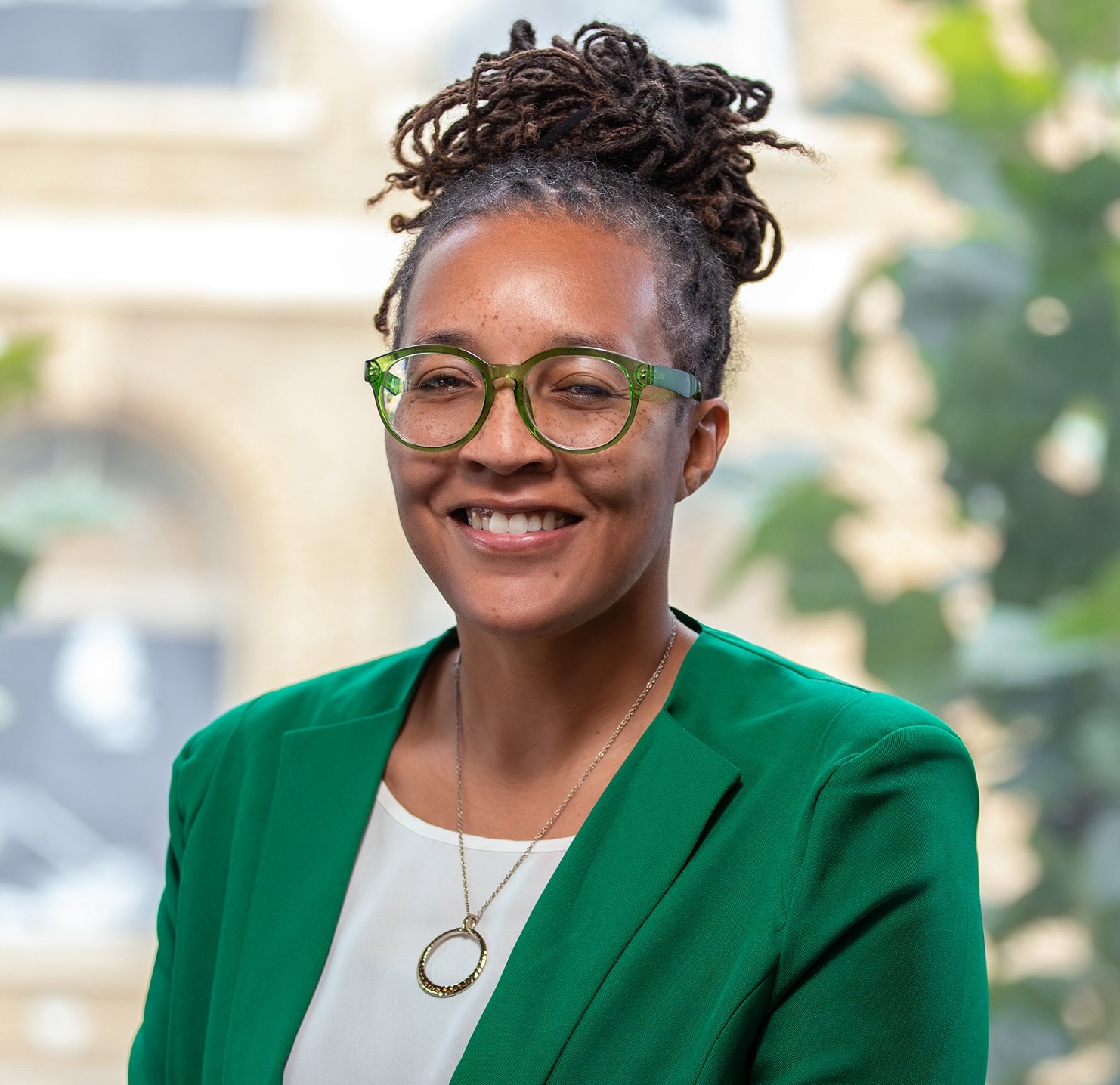
And we have here to talk with us today about this wonderful and important topic, Carly Weiner. Carly is an entrepreneurial occupational therapist specializing in community wellness, health promotion, and business development. She's committed to developing cutting edge approaches that cultivate community and connection that increase individuals access to quality healthcare in order to improve their quality of life. Carly, thank you so much for being on CareLab.
Carly Weiner, OTR/L
Thank you for having me. I'm so excited to be here and talk and discuss everything.
Emilia Bourland
Yeah, absolutely. Let's dive right into this topic. I'll actually first, another all OT episode. These are our faves here. tell us a little bit about like, how did you get to where you are on your journey kind of so people can get to know you a little bit more?
Brandy Archie
OTs for the win.
Carly Weiner, OTR/L
Amazing.
Carly Weiner, OTR/L
Okay, I'll try and make it short and concise. So I started, I actually started working with individuals with developmental disabilities when I was younger. So before college.
It was something that we needed to do in high school to gain credit to go to college or something like that, like a community integration. I really fell in love with working with individuals with Down syndrome, helping them come up with ways and strategies to write their names. So was like, I want to be an OT. And really just thought about that, went to college, knew that I was going to become an OT, actually lived in Thailand for a little bit.
after college and helped younger children there with disabilities with their quality of life, which was like school-based activities, because in Thailand it tends to be overlooked if you have a disability. when I came home, I was like, I definitely want to go to grad school. So while applying for grad school, I had to get a job. So I helped run a home care company at the time in New York City, and I would hire the caregivers, go in and do evaluations for the
individuals that were getting care, make sure the schedule was set up and really got into the whole process of running a business. And it was really successful. We did great. And we were also really helping families. So not only was I going in there and helping the individuals who needed care, but I would get calls from the parents, the daughters, I would have to work with the clients who didn't want care who said who would close the door on our caregivers and say, I don't want help. don't need help.
right, and trying to navigate that because their daughter really needs to help and needs a break. So I really got into the family dynamics of it all and still went to grad school. And while I was in grad school,
Carly Weiner, OTR/L
started using meditation and mindfulness apps and was like, there's something here. You know, like, I'm really into this. I'd like to create something around this. I really want to get into mental health and already started while being in grad school, unfortunately, thinking about how I can be a non-traditional OT. And at the time, it just, it just wasn't really available. Like there weren't that many resources on it. So I just started talking to people and connecting
with whoever I could to work for free or shadow or get more experience. I'd worked in sales for a little bit also previously just cold calling and really just decided to commit to doing something that wasn't traditionally just seeing patients and I know with seeing patients who work families and it's great if you can do that I think for me I felt burnt out.
and I felt like I can't be the best OT serving clients 40 hours a week. So in that, I found an opportunity with Rosarium Health. As an OT, I had some feedback to give on the initial product and connecting with Cameron Carter, the CEO who's amazing, and really working towards what could this home modification app at that time look like and do to help.
So it's a pretty long explanation, but that's kind of my background. That's how I got here. Now I'm director of partnerships for Rosarium Health, which includes a lot of things and I'm sure we'll get into. But that's the base experience. And then personally, I have a lot of experience with home modifications.
So I'll get into that too on the podcast, but just want to give a second to pause if you have any questions.
Brandy Archie
Yeah, that is like an interesting journey in which you went through all the things, including living in Thailand. I've been to Thailand and that's awesome. And I also think it's like indicative of occupational therapy, if that makes sense, because it's not like you've been doing home modifications your whole career, but you're seeing it through pediatrics and you're seeing it through all the different.
Carly Weiner, OTR/L
Right. Yeah.
Emilia Bourland
That's cool. Yeah.
Brandy Archie
setting that you're in. I think that just says a lot about how much environment plays a big part about how our lives go, yet we don't pay a ton of attention to it, if that makes sense.
Carly Weiner, OTR/L
Yeah, so something that I always say when I'm talking to hospitals, social workers, or anyone now is my big one sentence pitch around this is that a lot of people don't see the home as healthcare because for instance, it's not a living breathing number like blood pressure, right? You don't look at the home and go it's 120 over 80, you're perfect, or it's 90 over 20, there's a problem.
Right? Like you don't see the number and you don't see that it's a problem. But actually the home is where health lies. Right?
Brandy Archie
Mm-hmm.
Carly Weiner, OTR/L
And for example, I just want to share this story of how we can talk about how home is health. My grandmother, like 10 years ago, couldn't, maybe even more, couldn't get up the stairs really that much anymore. And we couldn't afford a stair lift. She also had trouble getting out of the stairs out of the home. So this not only impacted, like if you think about it, you're like, okay, she can't leave to go to doctor's appointments now.
or she's too scared, right? How am I going to get back up the stairs into my house? I don't want to go to the doctor. I don't want to go see my friends. But not only that, she can't come down the stairs. So she's not coming downstairs for Thanksgiving dinner, right? It's not only impacting her daughters, but her grandchildren, the whole family dynamic. You know, we have to bring food up to her. She's getting more depressed. Her arthritis is getting worse, right? And at that time, we just couldn't afford a stairlift. Once we got the stairlift,
she was coming down all the time and it was amazing. It greatly improving her health and I really got to see how this one modification really changed the whole dynamic of the entire family and the caregiver burden that it was having on my aunt who was taking care of her.
Emilia Bourland
I think that's a really great story to use an example because this one thing, the inability to get up and down the stairs and to leave both to access different levels of the home and to leave the home impacts this person's mental health. It impacts.
Carly Weiner, OTR/L
Mm-hmm.
Emilia Bourland
her nutritional health. It impacts literally her ability to even access healthcare. It limits her mobility and strength because she's not, she's confined to a smaller area. So she's not getting up and moving around more, endurance becomes more limited. So like every single aspect of a person can be impacted by this access issue. That's just a really great example, I think of how
the environment is one of the most powerful actors in our overall health, but also to your point, our quality of lives as well.
Carly Weiner, OTR/L
Totally. was life changing to see her be able to use that stairlift. And we'd call her princess because she'd like get on the stairlift and say goodbye everyone and do like a whole thing and go up. You know, we'd have like a whole routine around. Yes, exactly. That was the right way, you know, and like she'd say good night. And now actually, you know, years later, unfortunately, my aunt
Emilia Bourland
Mm-hmm.
Emilia Bourland
She like wave.
Carly Weiner, OTR/L
is having some mobility issues. She's bed bound right now, but because the stair lift was still in there, she was able to use it. And the house is completely modified. So when my aunt was able to be mobile, she was using all the modifications. I mean, they already had a ramp outdoors and it just helped. I my aunt had it left the house for two years. And then...
Emilia Bourland
Mm-hmm.
Brandy Archie
Mm-hmm.
Carly Weiner, OTR/L
because they had a ramp, we finally got her in a wheelchair with a Hoyer lift. I mean, she was just crying, navigating the world. were wheeling her around her town in New Jersey. And it was just like, finally I'm outside. And you really don't understand. We take it for granted the fact that we can get out of bed every day and walk up the stairs.
walk outside, smell the fresh air. I mean, just think about what your mood feels like every single day while you're in your house. And the second you walk outside, I don't know about you, but for me, it's like, amazing. You know, this feels so good. But like that little piece, like we don't think about all the time, but it's just like a handrail, you know, on your stairs could just make somebody feel safe to just go outside their house, right? A ramp.
Brandy Archie
Okay.
Carly Weiner, OTR/L
all these little things that just minor minor modifications to just help you feel safe allow you to feel just what life is about right getting outside breathing fresh air
Emilia Bourland
Mm-hmm.
Brandy Archie
I think we're rightfully talking about it from like how those small things impact the individual and how they might feel about getting outside like you said, or just feeling confident enough to like deal with the stairs, which means their fall risk has gone down because they don't have that high fear of falling anymore.
But I wonder if you could like talk to us about an example of which, or just in general, how those small modifications, while they did help a person, the person themselves, like how does that look for the caregiver? Like how does that change their interaction too?
Carly Weiner, OTR/L
Yeah.
let's just think about, since we've been talking about my grandmother, my aunt, let's just connect to that story, right? So if everyone could kind of picture if they have, you know, a grandmother and an aunt that's taking care of the mother, right? And maybe the grandmother has two kids in my situation, right? And the aunt is living with the grandmother and the other sister isn't. First of all, there's a lot of dynamic between those two sisters. Hey, I'm taking more care of our mother. You're not doing enough. I have to help her out.
Brandy Archie
Mm-hmm.
Carly Weiner, OTR/L
the house every single time. I have to convince her to leave the house because she's not feeling safe with the stairs. I have to help her in the car. I have to do all these things and you're not doing enough, right? There's all this burden that's getting put on because one kid is always doing more usually, right? There's some family dynamics and then for the caregiver themselves, it's a lot of anxiety and stress to be
Brandy Archie
Mm-hmm.
Emilia Bourland
Mm-hmm.
Carly Weiner, OTR/L
taking care of somebody and trying to get them to leave the house or feeling nervous that they're going to fall if they're doing it alone, needing to stop whatever they're doing or if they work, right? My aunt was going into work. How is she going to be there to help my grandma walk down the stairs for a car that's going to pick her up for an appointment? What if something happens?
to the point where it's like, I'm just not even going to book her any doctor's appointments right now because I'm at work. So like, I can't leave work to just help her get down the stairs, right? When we think about bathing and showering, I know these are like pretty basic examples, but there's always that stress for 40 minutes when the person is changing, showering, what if something happens? Is she going to be okay?
Oh my God, if something happens, what are we going to do? Nobody's home. You're always needing to be around. Just that feeling of losing your independence too, even though you're maybe physically independent. When you're taking care of somebody who's physically dependent, you start to lose your independence. And it really changes your whole routine.
Emilia Bourland
Mm-hmm.
Brandy Archie
Yeah.
Carly Weiner, OTR/L
And to be honest, people don't talk about it enough. We love to take care of the people that we love, but it's exhausting. It's exhausting. We have a lot on our plate. don't exactly, you know, when you're taking care of a child, it's like this, he's gonna become four or five one day and he'll be able to dress himself and change himself hopefully, right? In most cases, right? There's a light at the end of the tunnel, but.
Emilia Bourland
There's like a there's a light at the end of the tunnel where you're like, okay. Yeah, right. Yeah. Yeah.
Brandy Archie
Yeah, in most cases, yeah.
Carly Weiner, OTR/L
When with aging, there's not, or a physical disability that's, you know, they're 24 seven, there's not always that light at the end of the tunnel of like, oh, this is gonna get easier. That could be a really hard transition to accept for a caregiver.
Emilia Bourland
I have a question for both of you actually. Even as you were talking, I was thinking about some really recent examples of even patients that I've seen recently. What I want to know is how often have you all seen either through business or just your practices in OT, folks who end up
Carly Weiner, OTR/L
Mm-hmm.
Emilia Bourland
really like becoming so much less mobile to the point where like, so let's say how often have you seen people who are forced to either they have to sit in a chair all day or they're even end up bed bound, not because they actually physically need to do those things, but because their environmental situation causes so much anxiety about either falls,
or just introduces so much friction into the daily caregiving process, right? It just makes it so much harder that the caregiver doesn't necessarily have, either they're very afraid or they're anxious or they just don't have like the wherewithal, don't have the time or the energy to facilitate getting up and getting into the shower or going into the living room or into the kitchen to have a meal, right? So,
where people become literally confined to either one small area of the house or just their bedroom or something simply because the environment doesn't support the caregiver's ability to feel comfortable helping that person or allowing that person into other spaces. Does that kind of make sense?
Carly Weiner, OTR/L
Yeah, totally. Brandy, you want to go ahead? I have some thoughts,
Brandy Archie
Sure, I will. I think the thing that stands out to me the most is the case in which the person who has the limited mobility is staying home and the other person is going to work. And so you get them set up in a spot, either in their room or in their bed or in their chair with all the things by them, and they stay there the whole day, right?
Emilia Bourland
Mm-hmm.
Brandy Archie
and until the other person comes back. And that can be really challenging because it is the reverse of improving your health and because you're not moving and you're fearful of moving in case something were to happen and your person is not there. At the same time, the person who's away at work needs to be there clearly, that's why they're going, but is also still worried about what's happening at home.
and doesn't a hundred percent, doesn't feel a hundred percent secure about it because yes, maybe they've got a phone with them and they know to call them and maybe they've got a camera or something. But what if something out of the norm happens and neither one of those things end up working? You'd never want to walk back into the house and not see and see a person on the floor. And so I think it's like a thing that they feel like they have to do, but the environment isn't the environment is set up to do the bare minimum.
as opposed to facilitate the most independence, if that makes sense. yeah, in a lot of cases, there could be other ways to do that, but nobody has felt secure enough to like try that.
Emilia Bourland
Mm-hmm. That's a good example.
Carly Weiner, OTR/L
Right. Yeah.
Emilia Bourland
Mm-hmm.
Carly Weiner, OTR/L
I think of, it's a great example, I think of, and really all this is so close to home right now because of familial situations, but think about, so all the OTs listening, right? Transfers.
min assist, your mod assist people, standby assist, right? A lot of us who need modifications are in that category, right? If you were to check a box and say what they were. For my aunt in the past who maybe just needed help from
not sit to stand, I promise I'm an OT from supine to sitting, okay, right? Who just needed that little help and then from sit to stand. What about that caregiver who's helping them and throws their back out or is older as well?
Brandy Archie
Yeah.
Carly Weiner, OTR/L
My uncle can't exactly help my aunt right now. He can't help her roll over to then sit up at the bed, help her get up. So she just doesn't get up, right? And she has continuously lost her muscle. So it's also about the physical demands that assistance requires of somebody. Yes, they'll be at work, but also like, what if they just...
Emilia Bourland
Mm-hmm.
Carly Weiner, OTR/L
can't help them physically? What if the person doesn't think if they fall, they don't trust that they're this big person who can catch them? you know, OT and PT is only so much a week for home care, right? And you have to get approved for it. What if you just need a little bit of help, you know? They can't just stand in the shower the whole time sometimes, right? They have their own physical demands.
Emilia Bourland
Mm-hmm.
Carly Weiner, OTR/L
So I really think of those situations where the person just leads like a little bit of assistance, but the other caregiver maybe isn't the most stable to do that. And so now it's like, well, I just don't shower anymore, you know.
Emilia Bourland
Mm-hmm.
Emilia Bourland
Mm-hmm.
Carly Weiner, OTR/L
You know, the other thing that I want to say, and this goes into like adaptive equipment, not just home mods, right? But any adaptation that we can make is so helpful. And we really have to think about these things. I speak again about my aunt who's just, you know, really has progressive muscular loss right now and can't even reach to get a water bottle.
Right? So like, so it's too far. So she's just not going to drink her water if a caregiver leaves it a little too far and leaves for the day because my uncle's in the other room working and tutoring people. So she doesn't want to, you know, interrupt him while he's on a call. So she just will be like, it's been five hours. I can't reach my water. It's just little adaptations, right? Like consulting with an OT to have, you know,
a little table closer or like where you exactly position the water. Just education on the littlest amount of things makes a big difference. mean, just, you know, the little tweaks can really make a difference. So not just home mods where we think about grab bars, wheelchair ramps, stair lifts that those are amazing and incredible. But when OTs come in and look at the house and do an assessment, it's, know, what is this individual's ability to access the things in their house? What is their range
of motion, what do we need to adapt or move closer or rearrange the furniture so that they can have increased access to x, y, and z. Yeah, and I definitely see this. Yeah.
Emilia Bourland
Mm-hmm. Mm-hmm.
Brandy Archie
Yeah, I'm so glad that.
I'm glad you brought up the adaptive equipment piece because that's also what I was thinking when you were talking. It's like, so much what I end up seeing is that people have thought about and figured out the best way to deal with the big stuff, like the transfers. I just have to be here to help her roll over and transfer. But also, if it's not max assist, and it is in that standby assist, minimum assistance kind of range, maybe.
Carly Weiner, OTR/L
Mm-hmm.
Brandy Archie
we can invest in a different kind of mattress that'll allow us to pop up the one side and decrease the other side which starts to turn you over, right? And maybe we need a rail for the bed so we can have something to pull on. you know, like those things while it kind of is horrible that you have to think about that outside of the box and pay for it on your own, just like you said about the stair lift and your grandmother, like you didn't have it at first, but once you did get it,
Carly Weiner, OTR/L
Mm-hmm.
Emilia Bourland
Mm-hmm.
Carly Weiner, OTR/L
Right?
Brandy Archie
it made all the difference and just knowing what opportunities are out there, then you have the opportunity to work towards it. So I know that Mozzaree does some unique things and like working with payers and like what is your experience in some alternative ways that you've helped people or directed people to try to fund some of this.
Carly Weiner, OTR/L
well.
Alternative wise, there hasn't been some alternative payments because we do work with health plans. It's been very strict under what we can provide and what is covered. But what we do do is we evaluate the home. We understand this budget of $7,500 for home modifications under Medicaid, Cali, and in California. And we look at that and say,
what can we realistically do for the client and how do we save some money for them to maybe get like a tub transfer bench, right? Through their social worker who will reach out to a company who will maybe, you know, have a nonprofit that will give these things away or some kind of creative things that we've done if somebody needs, you know, a whole tub conversion to walk-in shower.
but you can't cut out the whole thing. It's too expensive. You cut out like a little piece in the beginning so they could still walk in. We've done some, like I guess creative modifications like that, because we're working with just a small number. That's a lifetime benefit, right? We've been able to see some amazing changes and I'll send you all the videos so everyone watching this can listen to it after we helped somebody in.
Emilia Bourland
Mm-hmm.
Carly Weiner, OTR/L
Tulare, California where resources are low and he sent us a video and said that he hadn't showered or bathed in five years independently. And now he's able to, simple grab bars. He still has money left over. We got him a ramp too. He's leaving his house. I mean, it's just the most beautiful video ever. So I'd love to share that with everyone. And I think for everyone watching too, not to assign homework, but just a little exercise to think about. Like if you want to jot down,
and think about any client or anybody in your family where like you've had this experience and kind of think about what the situation was and how it impacted everyone in the family or friends. It's just be a good exercise to kind of think about. And I think in the spirit of OTs listening to this who maybe, you know, want to create something of their own.
It's like, there's where solutions are, right? In these problems that are connected to someone close to you, where there's still gaps in care, right? And it's really a great way to kind of exercise how you can think about filling that gap in care with your own business as well.
Emilia Bourland
Mm-hmm.
Emilia Bourland
I so, you know, I've been a big fan of the work that Rosarium's doing for a long time. It was introduced to it, I think, pretty early into the Rosarium journey. But I think the two things that I really, that I love the most about it are one, the way that it does increase people's access to modification because
Carly Weiner, OTR/L
Mm-hmm.
Carly Weiner, OTR/L
Thank
Emilia Bourland
And I think that the work that Rosarium has done in that way to help make people aware of the benefits that are available to them. But then beyond that to go that extra step and say, okay, here are the benefits, but now it's not just like up to you to figure it out. Here's also the OT who's going to come in, do a truly professional like.
Carly Weiner, OTR/L
Yeah.
Emilia Bourland
expert level assessment with you to help determine the best way that you can use this benefit and make sure that you're getting everything that you need out of it because I mean Brandy how many home mods have you done where there was like no budget? Definitely not 75 like like almost all yeah like most of them for me if I were walking into a house and I knew I had a $7,500 budget to help make someone independent. Oh we could work some magic in that situation right?
Brandy Archie
Yeah, like most of them. Yeah.
Carly Weiner, OTR/L
Right. I think it's important for the listeners, sorry if I didn't mention this right, but just to explain what Rosarium Health does, right? So we, our platform essentially that connects individuals who need home modifications with clinicians to do assessments and contractors to do the work.
Brandy Archie
Yeah.
Emilia Bourland
Sure.
Carly Weiner, OTR/L
The way we're operating right now is we work in the Medicaid space in California and in California under certain program Medicaid members have $7,500 allotted for home modifications. You can think grab bars, wheelchair ramps, stair lifts, whatever it may be. I work, my job really is to connect with the hospitals, social workers, anyone who's working with these Medicaid members to educate them that this benefit exists. And they're all like, what?
Like they've $7,500? my god. Now the part B of this is that, and maybe we're getting too much into the insurance world, but we all navigate it as OTs, is that
Emilia Bourland
Mm-hmm.
Carly Weiner, OTR/L
When you're navigating a member's benefits, there's actually all these hoops you have to jump through. So for home modifications, you have to get multiple contractor bids, landlord consent, doctor's authorization, and find an OT to do an assessment. Imagine a social worker who has a caseload of 80 people. How are they going to track this whole thing? what, right, right.
Emilia Bourland
That's what I'm saying. Like even if you know the benefit is there like jumping like actually getting that done There are so many steps involved The the burden of doing that is so high that most people won't even try and that's the problem that Rosarium Solves that is like so wonderful
Carly Weiner, OTR/L
right.
Right, really, yeah, right. Yeah, so that's exactly what we do. We take over, we partner with the health plan to take over the entire process and all.
the case manager has to do or hospital or health system is refer the member to us and we handle the entire process. And we have a certain amount of time that we can get it done in, right? So people aren't waiting months and months to get these modifications. And it's just been incredible to see the changes that have been able to happen. And I know I don't get to talk to every family.
that we help anymore. I'm kind of out of that now, but I do know that there's this domino effect from my own personal experience that's happening, whether it's their own family or even a neighbor that's been helping. There's a domino effect on the family and the community of these modifications. So, yeah.
Brandy Archie
Yeah, I think that it's so helpful and interesting that the benefits can be used and that there's a way to do it. It's also challenging because not everybody's on Medicaid, right? And every state's Medicaid is different. And this is very...
Carly Weiner, OTR/L
Mm-hmm.
Emilia Bourland
Mm-hmm.
Carly Weiner, OTR/L
is different.
Emilia Bourland
is different.
Brandy Archie
physically intensive because we literally work on somebody's house and a person is coming in there to do that and y'all's ability to grow and reach more places in the country is you know also limited to some of those things and so I'm glad that you brought up how impactful you can see the impact that you can see happening across like the whole community and everybody that's involved because I just think that says like it's worth investing in.
Right? And so even if you're not on Medicaid or you're not in California and can't access this particular service, it is worth thinking about having an occupational therapist come do an assessment and figure out what are the things that we can do and let's prioritize them. And maybe we can't get them all done at the same time. But if we can know what we should probably do and get started on what we can, all that little bit of change helps. And so go ahead.
Carly Weiner, OTR/L
Yeah, I think with that, know, OTs play.
a really big role and should be doing more, all of us on building our own businesses around home assessments because it takes one visit for us to go out there, look at the home, look at the individual, look at the family dynamics and make some recommendations and see through those recommendations for your family. I mean, it's one visit, right? When you think about one fall and what that's gonna cost the family emotionally, not just financially.
we just, I think we have a really big place to play in home safety, like, like prevention, you know, getting into the home and just being like, Nope, these rugs can't have them. Yeah. You don't have a light here. Like at night, this is, this is dangerous.
Brandy Archie
Mm-hmm.
Carly Weiner, OTR/L
You can't see this, your steps are a little this, you just need one little handrail. Even just going in and saying, let me see how you get in the shower in and out, you know, I think actually you'd benefit from doing it this way, like a couple sessions, just some training, right? Because not everybody goes to rehab. mean, everyone, not everybody has an injury goes to rehab learns ways to safely transfer, right? But there's really an opportunity for us
Emilia Bourland
Mm-hmm.
Brandy Archie
Exactly. Yeah.
Carly Weiner, OTR/L
it was my way, right? Every health plan would have like three OT assessments for every insurance plan. You just get three, no matter what. When you're on Medicare or you have a disability and OT comes in and evaluates the home, make sure everything's okay as a preventative measure. You know, obviously that's not what it is, but I think OT is listening. If you're interested in doing this, you really have an opportunity to get in there and just...
Brandy Archie
Mm-hmm.
Emilia Bourland
Mm-hmm.
Carly Weiner, OTR/L
do assessments for people's homes, make recommendations, make sure that it's safe, know, really, really sell the importance of safety prevention. Yeah, and that's how we all need to start thinking too.
Emilia Bourland
And at the end of the day, you know, our, healthcare system is unfortunately way more about money than it is about healthcare, right? But this makes a good money case because a fall cap costs how many tens of thousands of dollars and a grab bar. Once it's all said and done and installed, let's say it costs you $200, you know, to get everything said and done.
Carly Weiner, OTR/L
Mm-hmm.
Carly Weiner, OTR/L
Yeah.
Carly Weiner, OTR/L
Easy.
Emilia Bourland
These are things that just make so much financial sense, not to mention, let's go back and think about that original story that you told about your grandmother. Having that stair lift that your family had to come up with the funds to pay for on its own helped keep your grandmother's nutrition better. It helped keep her stronger. It helped improve her mental health and wellbeing. Like this is something that...
Carly Weiner, OTR/L
Mm-hmm. Yeah.
Carly Weiner, OTR/L
Hmm
Emilia Bourland
didn't just save, didn't just prevent a fall. It also prevented lots of other healthcare harms that are also very expensive. And so when we can think about helping people in a way through their environment, when we think about holistic, how holistic that really is, like the amount of money that can be saved, if that's even all that we're thinking about.
is exponential compared to the cost of putting in these modifications. And again, I say that like a stairlift is an expensive thing. But as I said, you know, earlier to Brandy, how many home modifications have you done where there was, where the budget was less than a thousand dollars? Most of them probably. And these small changes can still be really life changing in terms of helping people.
Carly Weiner, OTR/L
Mm-hmm.
Emilia Bourland
have continued access and you know getting back to this earlier idea of decreasing the burden of caregivers so that caregivers can be themselves more mentally healthy, more physically healthy, more financially healthy.
Carly Weiner, OTR/L
Mm-hmm.
Carly Weiner, OTR/L
Yeah, totally. And I think just for the families, you know, for people who are working with families trying to really get across the point of importance of this, it's a huge...
It's a huge like risk, you know the right word, risk deterrence. You know, it's like a risk avoidance, you know, to have somebody in your home and figure out what's needed. OTs are creative. We worked on, you know, exactly zero dollar budgets. And they can be minor, minor tweaks, right? Like home modifications don't need to be this huge stair lift.
Brandy Archie
Mm-hmm.
Emilia Bourland
Mm-hmm.
Emilia Bourland
Mm-mm.
Carly Weiner, OTR/L
Of course, when it's necessary, that's great, but it could be minor tweaks and just recommendations as well.
Emilia Bourland
Okay, so we're going to make sure that we are linking in the show notes. We're going to link that video that you're sending us. How else can people connect with you? How can people connect with Rosarium?
Carly Weiner, OTR/L
Mm-hmm.
Carly Weiner, OTR/L
I will send you those links, people, anyone who's interested in just talking or, you know, maybe trying to start their own OT kind of path for themselves, you can connect with me on LinkedIn.
Carly Weiner, I'll send everyone the link so they have it. And then you'll find Rosarium Health on there and you can connect and sign up. If you're in California, you can sign up to be a clinician with our team, it costs nothing. You can reach out to me for any questions at all or Rosarium Health, but you can reach me and I'll leave my email as well so that you can email me too.
Brandy Archie
And for all the caregivers that are listening, and if there's anybody in California that says, I'm on Medicaid and I can benefit from this, how can they also connect?
Carly Weiner, OTR/L
They can connect with me by the email that I give you and just send me an email and I'll call them and reach out right away.
Brandy Archie
Awesome.
Emilia Bourland
Amazing, white glove service folks, that's white glove. Well, Carly, thanks so much for being on Care Lab today and talking about these really important topics about how our home environment affects people's health and caregivers. If you, dear listener, made it to the end of this episode, please take a moment to.
Carly Weiner, OTR/L
Yes.
Emilia Bourland
like, share, subscribe. Most importantly, please leave us review, leave us a comment. These are the best ways for us to work that little algorithm that helps other people find this information that we try to put out to make your lives better. Until next time, we'll see you right back here on CareLab. Bye.
Brandy Archie
Bye everybody.
Carly Weiner, OTR/L
Bye.
Do us a favor and subscribe to the CareLab podcast on YouTube, Spotify or Apple Podcasts! It will help others find our conversations and grow the community and you’ll stay updated with the latest insights and expert advice on elder care.