
Summary
In this CareLab episode, pharmacist Dr. Reshma Kapadia breaks down the realities of polypharmacy—taking multiple medications at once—and why it’s especially risky for older adults. She explains how side effects can mimic common age-related changes, making them easy to overlook. The conversation highlights why medication reviews are essential, how dosing and timing impact safety, and the importance of consulting pharmacists and physicians before changing any medications. The episode empowers caregivers and older adults to be proactive, ask questions, and lean on healthcare experts to ensure medications remain necessary, safe, and effective.
Key Questions Answered
-
What is polypharmacy?
Polypharmacy is the use of 5 or more medications (including prescriptions, over-the-counter drugs, and supplements). Hyperpolypharmacy refers to 10 or more. It increases the risk of drug interactions, side effects, and avoidable hospitalizations. -
What symptoms might indicate medication-related side effects?
Signs include dizziness, confusion, brain fog, appetite changes, sleep disturbances, muscle pain, and general decreased energy. These often resemble “normal aging,” making them easy to miss. -
How can people tell whether symptoms are due to aging or medications?
Keeping a medication journal, noting changes after starting new medications, and watching for symptoms that persist regardless of activity can help differentiate. A pharmacist or doctor should review the full med list to confirm. -
How often should medications be reviewed, and who should do it?
Ideally every 1–3 months, especially for older adults or anyone taking multiple medications. Reviews can be done by primary care physicians or pharmacists, but pharmacists are the medication experts best trained to evaluate interactions, dosing, and deprescribing opportunities. -
Why is it risky to stop medications on your own—even if you suspect side effects?
Some medications require tapering, and stopping abruptly can cause serious harm. Only a healthcare provider can determine whether it’s safe to adjust, switch, or discontinue a medication.
Transcript
Brandy Archie
If you have ever lined up your person's pills for the week and wondered, do they really need all these? Then this episode is for you, because we're talking about the real world risks of too many medications and how to safely simplify it.
Emilia Bourland, OTR, ECHM
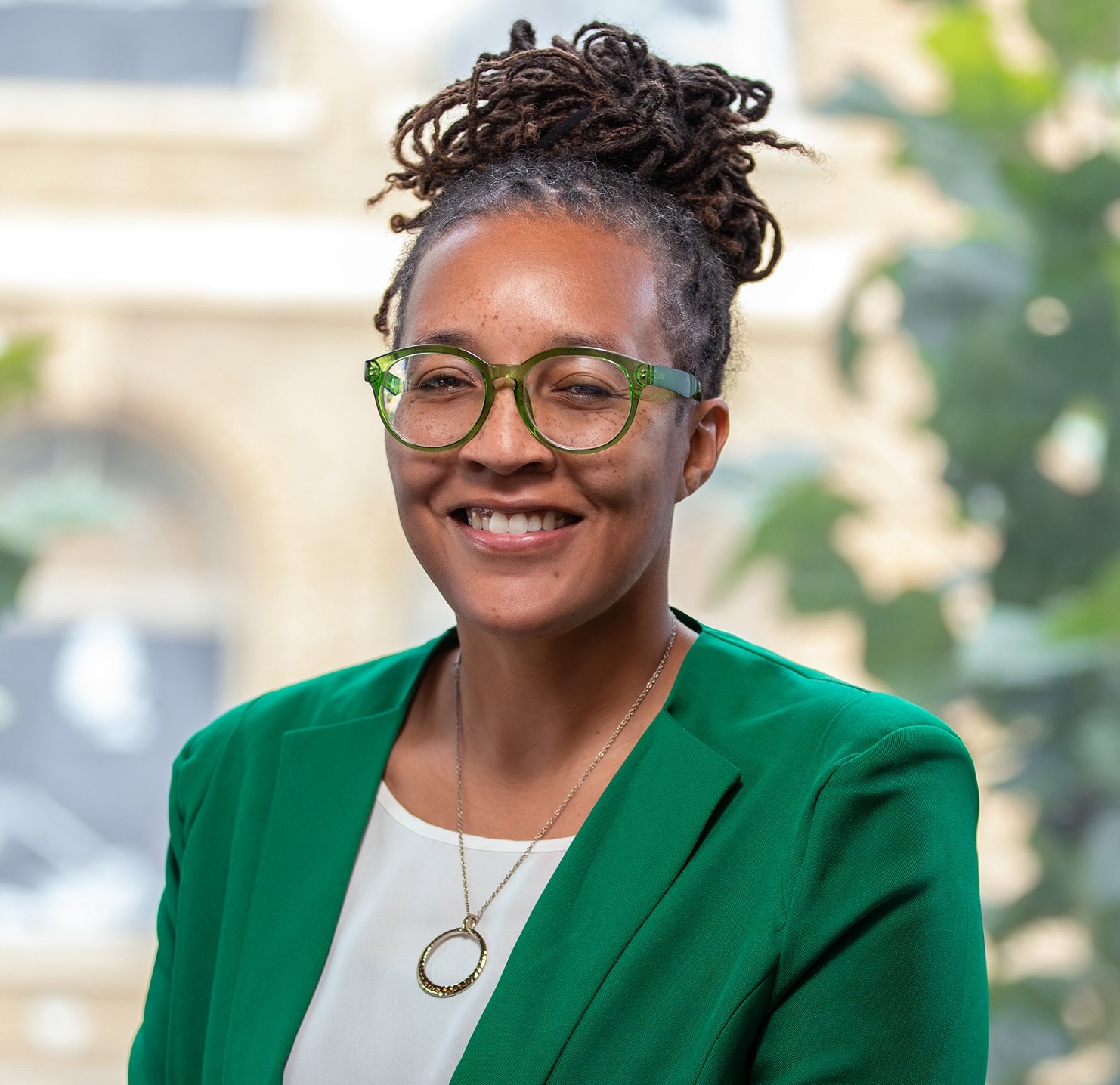
We have here with us today Dr. Reshma Kapadia. She is a graduate of the University of Texas Doctorate of Pharmacy program. She's been a practicing pharmacist for over 20 years and she has a real passion for helping older adults navigate the world of pharmacy to decrease overuse of medications that can contribute to adverse events and outcomes. She's an incredible educator. She's an incredible advocate.
And we are so excited to have you with us today. Thank you so much for being on with us.
Reshma Kapadia, PharmD
Thank you guys so much for having me. I'm excited to talk about this topic.
Emilia Bourland, OTR, ECHM
Yeah, absolutely. And I should say before we dive right in here to this exciting topic we're going to be talking about today, which is the idea of polypharmacy, which we're going to define in just a second here. We have a couple of other really great episodes that we have recorded with Reshma in the past. So if you have an interest in pharmacy, we did a great episode on supplements. We did a great episode on side effects and adverse reactions. So definitely go out and check out those past episodes.
Dr. Kapati is absolutely an incredible expert on these topics. So that said, can you tell us a little bit about like what the heck is polypharmacy?
Reshma Kapadia, PharmD
Yes, so polypharmacy is the use of multiple medications which can include over-the-counter medications, supplements, alternative medications as well. So typically it's defined as the use of five or more meds and hyperpolypharmacy is the use of 10 or more medications. Majority of our older adults, our geriatric population,
is on five or more medications. It's very, very common in that population. And about 20 % of adults are on five or more medications. So polypharmacy is very prevalent in the community right now. And as we know, the more medications you have, the more likely you are to get side effects, drug interactions, issues.
it matters hospitalizations, can be a cascade of events and more medications added on as well because of polypharmacy. So yeah, that was a, it's a big cause, big definition, but definitely important for people to know. And the less medications we're on, the better quality of life we can have. So that's my goal as a pharmacist is to make sure people are on.
the right medications, the effective medications, the least amount of medications that work overall for their best quality of life.
Brandy Archie
Okay. So.
When you said that polypharmacy is five, the first thing I thought was like, literally everybody I've ever worked with has had more than five medications. And so is the definition saying that like polypharmacy is bad and we know that when you hit five or more medications, it causes other problems? Or are we just saying, you know, it's something to be concerned about maybe to think about it. Like is, is, I guess what I'm saying is polypharmacy a diagnosis in and of itself that's like, Hey, this is something we need to deal with.
is that just like the definition is we have a bunch of minutes.
Reshma Kapadia, PharmD
Right, and I think, you know, it just depends on the patient. So definitely the more medications you are, the more possibility of issues that can occur. And then of course, medications are necessary. They are needed for certain diagnoses to control symptoms, certain disease states. So yes, as a pharmacist, I do.
recommend anyone get off their meds because they are on five or more medications, but just to be aware that hey, the more meds I get on, the more possibility of drug interactions which can then lead to a certain adverse event or side effect which can then cause a symptom of me getting on another med or maybe thinking, I might be presenting with a new disease state instead of
looking at our meds and saying, is the medication causing my side effect or the symptom that's presenting? So really bringing awareness to that. I wouldn't say it's a diagnosis, but something to look at when we are on multiple medications, for sure.
Emilia Bourland, OTR, ECHM
So we often think about polypharmacy, as you both know, I often I'll go and do talks on fall prevention and polypharmacy as a risk factor for fall prevention or for falls. Polypharmacy can be a risk factor for many different things. Can you give some examples of what some of the common risks of polypharmacy are?
Reshma Kapadia, PharmD
Yes, so lots of a lot of things that can simultaneously present as a disease state as well. So being aware of that is huge as well to always think is my medication may be contributing to the symptom that is presenting. So like you said, falls is a huge one that leads people to hospitalizations and just adverse life outcomes.
So definitely becoming aware. If you feel dizzy, confused, brain fog, sedated, you're sleeping all day, you just don't feel like yourself, that's a very common thing that I hear as well, is I just don't feel like myself. I used to be able to play with the grandkids and now I just don't have that energy like I used to. Feeling faint, feeling dizzy.
huge side effect of blood pressure meds. I'm definitely not telling anyone to get off blood pressure meds, but blood pressure meds can make us feel dizzy and faint, lightheaded. So, you know, making sure you're on the effective dose, not a dose that's too high because then your blood pressure can get really low and then cause other symptoms. Another big one is sleep issues.
not being able to sleep at night or just, you know, having erratic sleep or sleeping too much in the day and not at night. Appetite changes is another really big one that we see with medications, especially when you're taking 10, 15, 20 medications. I mean, that's a lot of meds that your belly's getting full with just medications.
Brandy Archie
Mm.
Reshma Kapadia, PharmD
want to eat anymore. So we do see appetite loss. We do see increase in appetite is another big thing. Muscle pain is a huge one that we also start, we see with, especially with statin medications, medications for cholesterol, because that's one of the big side effects of the statin drugs.
Not to say that you shouldn't be on a statin, but there's things you can take or supplement with to prevent the muscle pain. So there's just a lot more I can keep going when it comes to side effects that we're noticing that are pretty common with polypharmacy or multiple medication use.
Brandy Archie
The thing that stands out to me about that list of side effects from polypharmacy you just gave is that almost all of those could be attributed to something else very common, especially when we're dealing with as we get older. Because sometimes we just expect like, I don't have quite as much energy, people don't eat quite as much. And maybe I'm achy because I walked more yesterday than I usually do or whatever reason. I went to therapy or whatever. And so it feels a little bit challenging or complicated.
complicated to like tease that apart and like not just poo poo it to old age right when you really could be like impacting it by doing something about it. So do you have any like if somebody has that same thought that I just did like what would you recommend that they do in order to like kind of pull those things apart from what could be normal to what could be polypharmacy side effects?
Reshma Kapadia, PharmD
.
Reshma Kapadia, PharmD
Curve.
Reshma Kapadia, PharmD
Arrest.
Reshma Kapadia, PharmD
Yes, so especially when you start a new medication, be aware within the first week what you're noticing in changes in your body. So maybe keeping a journal of your medication list and then how are you feeling? How do you feel after you take it? Because sometimes the symptoms can present
within 30 minutes to an hour. I'm starting to feel dizzy. I'm starting to feel confused. I just feel like I just want to go lie down when normally you don't. Normally you go out, you enjoy your day, maybe go to the gym, do things that you enjoy and you're noticing a change in the way that your body's feeling.
That's one thing I recommend is journaling. Having a medication journal is huge because that can really shine a light on side effects that are presenting. Now some medications, we don't see the side effects until later. Where, know, for example, the statin medication, they started the statin maybe two months ago and now they're seeing muscle pain, but it's consistent. It's every day.
even if they work out, they don't work out, they took a long walk, regardless of what it could be, but the symptom is present. Regardless of you resting or not is another sign that let's look at our medications. Could that be contributing to it? So really, you know, being in tune with our bodies and knowing what it's telling us, and it doesn't hurt to
a pharmacist or your doctor when you do see them that hey could you take a look at my medications these are the symptoms I'm feeling could the medications be causing it always coming back to let me just check is it my meds and or is it something new I think we forget that and we really need to be more aware that
Reshma Kapadia, PharmD
Medications are a big contributor to certain symptoms and I'll just eliminate that before we add something. A lot of times we just want to go to the doctor and say, I'm having muscle pain. Can you give me a medication? And you know, we end up on more than, you know, and that's what causes pharmacy more than meds than we should. And now we start getting even more side effects of something else.
Instead of muscle pain now, you're getting confused and dizzy because muscle medications for muscle spasm, muscle pain can cause sedation, confusion, dizziness. So it's just a cascade of reactions that can occur as the more meds we're on.
Emilia Bourland, OTR, ECHM
How, I'm really curious, how often do you see polypharmacy occurring just because like maybe we start taking a medication in our 30s and we're still taking it in our 50s, even though, you know, our bodies change. Like we're not static individuals. We're constantly changing. you know, maybe who, there's a million things that can change about our bodies over a period of time. How often do you see?
Reshma Kapadia, PharmD
Okay.
Emilia Bourland, OTR, ECHM
Do you see polypharmacy occurring simply because maybe we're just sticking with the same old thing rather than having a conversation with our doctor or pharmacist about it?
Reshma Kapadia, PharmD
Yes, so that's something right now that I'm really big on bringing awareness to because people think that once they start a medication they have to be on it forever and that's not always true of all meds. Now some, yes, you do have to be on it forever that's just the nature because we do want to prevent morbidity, mortality but some medications are just for
and studied for a few months or a few years. It's not something that needs to be taken long term and we need to evaluate. Is it still beneficial to the patient? Now let's look at the risk versus benefit of them continuing. And if the risk of continuing is higher, then maybe we should consider a trial of stopping or, you know, seeing how the patient responds without being on the medication. So
Right now we're seeing that medications are not being looked at to stop. you know, we just, our healthcare system is very overwhelmed. There's not enough time. People have trust in the system, which is good. They should trust the system, but not everyone is looking at what can we make sure is the best.
route for the patient. And sometimes the best thing for the patient is to be look at their meds and say, okay, they don't need this anymore. They've been on this. PPI is a common one, which is a proton pump inhibitor for reflux heartburn, common med that's used and it's over the counter. Some of those products are over the counter. The Pantoprazole, Prilosec, Nexium.
and those are only recommended for six months but people are on them for years and no one's evaluating is it still needed and this is affecting their gut this is affecting absorption of other nutrients minerals other medications that they might be on so it's really affecting their body and you know bringing awareness to
Reshma Kapadia, PharmD
just the thought that let's do a med review. Let's look at all your medications maybe every few months and make sure that what you are on is needed and necessary and you're not on anything that isn't necessary anymore.
Brandy Archie
I'm glad you said that last part about maybe every few months, because that was the question I was about to ask. Like at what cadence should people consider talking to a pharmacist or talking to their doctor about like, do I need to be on all these meds still? And so if it's every few months, should that happen with the primary care doctor? Should it happen with the pharmacist at Walgreens where I pick up my meds? Like how do you think about that as like an ongoing maintenance thing for us as individuals to like stay up on?
Reshma Kapadia, PharmD
Yes, and so that is what drove my passion for what I'm doing as a medication management and deprescribing pharmacist because I worked in nursing homes and assisted livings for over 15 years. working with the geriatric population, they're on 15, 20 medications, majority of them.
And I, as the pharmacist, would look at their meds every month. That is a federal requirement, that a pharmacist has to look at every patient's meds every month in a nursing home. And I then had the thought, well, if we're doing this for our nursing home patients, what about our seniors in the community? They need to have their meds looked at every month and then going down the journey with my parents and their meds.
Brandy Archie
Mm-hmm.
Reshma Kapadia, PharmD
medications and all the errors that I found while they were going in and out of the hospital and with doctor's appointments, med changes, I realized that we not only need this for nursing home patients, we need this for all patients that are on multiple medications. Someone needs to look out for it because it's very easy to have a drug and nerve action, have a med that's not taken appropriately.
Start experience side effects and now we're adding more meds. we or saying, okay, they've been on this med for six months. Do we still need it? Can we try to DC it? So I definitely, know, my goal as a medication management pharmacist is to hopefully see the community patients every month to every quarter would be ideal with
If they see their doctor often and their doctor has time to do that, that would be great. Unfortunately, the pharmacist at retail settings, they have a lot on their plate. have dispensing role, checking and filling. They have a lot on their side that unfortunately the time to do a medication review is timely.
I would recommend reaching out to a pharmacist as a specialty to look at their medications and have someone that's advocating with them, making sure things look good, making sure they're taking it right, calling that pharmacist and asking, hey, I'm experiencing the side effect. I'm falling. I'm feeling dizzy. I can't sleep. Whatever it may be. And asking, hey, can you look at my nets? Because maybe it's
It is the meds, maybe it is. It may not be, but having a pharmacist check that before you go to your doctor, I think is a huge plus because now you can go to your doctor with a recommendation from a specialist and expert in medications and say, hey, these are the meds that are causing this. Can we change it? Can we try to decrease the dose, take it off or add a supplement or add something that does help me that won't cause that a lifestyle change?
Reshma Kapadia, PharmD
a nutrient change, a change in diet, exercise, something different that we can support the patient.
Emilia Bourland, OTR, ECHM
How important is it, and you've talked a little bit about this already, but how important is it to make sure that you are working with a pharmacist, that you're working with your doctor in making these decisions as opposed to just saying, wow, well I'm on a lot of meds here, I looked up on Google that some of them might cause these side effects, I'm just gonna stop. Like how important is that to be working with your healthcare provider versus just going it on your own?
Reshma Kapadia, PharmD
huge. Yes, please, please do not stop medications. Your doctor prescribed them for a reason. And definitely talk to your doctor. Even as a pharmacist, I can't tell you to stop. I can give you a recommendation. I can say these are the things that are contributing. This is what, as a medication expert, knowledge I have.
years of knowledge on medications and drugs and how they work in our body and all of that. And so I can make that recommendation but ultimately it's your prescriber that will make the decision of what they feel is best. You know, I definitely do not recommend using Google, ChatGPT, any of that to look at your medications and say, okay, I'm just gonna stop.
because now you're might be putting yourself at risk for something else. So, and that's why as a pharmacist, I believe medications are important. They are necessary. My goal is to just make sure that you're on the right medications. You're not on something that's not necessary for you. That you're on med, if you're having the side effects, can we change you to something that's better or take you off and.
supplement you or make a recommendation that can help your symptom in a holistic way. there's definitely it needs coaching, it needs add you know a guidance, it's not something that you should ever do alone or without the supervision of a professional that is knowledge in medications.
Brandy Archie
Can you talk a little bit, so you talked about some of the side effects of having a lot of medications, but it's also possible to have some side effects because you're not necessarily taking your medications the right way. And so can you talk a little bit about the dosing and the timing and like why the time that is put on the label is important and like how to think through that?
Reshma Kapadia, PharmD
Correct.
Reshma Kapadia, PharmD
Yes, I'm so glad you brought this question up because this is a huge, huge reason why medication errors and side effects occur. Medications are studied and dosing is recommended based on the way the medication moves through our body and how it works in our body. So based on that,
during the clinical trials, the research phase, medications are determined on how it should be taken. So, you know, some meds are recommended one hour before food, some are with food, some are after food, some are at nighttime. So it can vary. And it's so important to read the label and take it that way.
because that's the way it's been studied to be the most effective. Sometimes we don't get either the education or we think that it's not a big deal. And this is the misconception that we have right now in the industry because we are unfortunately just
you know, presenting with the symptom and just giving a med as a bandaid and just lots of prescriptions are being written right now. It's kind of in my definition, I feel like it's like we're just giving candy to everyone for, you know, a symptom that they're coming with. And so they don't take it seriously. And I think we need to bring awareness that medications work in our body a certain way. And it's important to take it the way it's recommended. We need to
review the labels, review it with if you don't understand with a pharmacist. It is very complicated and this is one big reason why Medicare Med-airs occur and Med-airs are one of the leading cause of hospitalizations right now too. Because yeah they they do have side effects when you take it in like you may double a dose because you said I forgot to take my morning dose and I'm just going to take two pills at night time.
Brandy Archie
Mm-hmm.
Reshma Kapadia, PharmD
Well, now it's a blood pressure med and your blood pressure is really low and you fall and you break something and now you're in the hospital. You know, so it's very dangerous to understand that medications are, you know, serious and they're not something that's just taken lightly.
Emilia Bourland, OTR, ECHM
And that's true even for over-the-counter medications, too, right?
Reshma Kapadia, PharmD
Very true because you may be on a prescription medication and now you need, you know, you start taking something over the counter and they contraindicate or they contradict and now you have a side effect or you have a drug interaction. So not everything over the counter. We have this misconception that everything over the counter is safe, but unfortunately it's not safe.
Some of the medications, know, were prescription medications just five, 10 years ago are now over the counter. And so there, there's this thought that, okay, I can just take an over the counter med just any way I want, but that's not true. They also have guidance and directions on the label on how you should take it. And it's very important to remember that, you know,
medications can interact with each other so it may be interacting with the medications you're on and a you know very common one is if you're on blood thinners and then you start taking an aspirin that's very dangerous so unless your doctor prescribed it it's fine but if you're using aspirin and you're on blood thinner now you're making your blood even more thin and that can cause other problems so
Another big one is ibuprofen. Ibuprofen is not safe in seniors. It has a lot of side effects in seniors and can cause a lot of GI issues, gut issues. And I don't recommend that medication in seniors unless we have to and under guidance at lower doses. But that's a big harmful medication that also causes a lot of seniors to go to the hospital.
as And so that's over the counter and used very commonly.
Emilia Bourland, OTR, ECHM
I actually, I did not know that about ibuprofen in older adults. had no idea.
Brandy Archie
I didn't either.
Reshma Kapadia, PharmD
Yeah, yeah, exactly. It's, it's things people don't know until they end up in a situation or have a friend or family member that ends up having a horrible situation due to it. So, you know, I don't want to scare people, but it's definitely important to talk to someone, especially the older you get, you know, you mentioned earlier,
that our metabolism or the way our body functions changes as we get older, which is very true and especially in seniors, the way their body metabolizes medications, processes medications is a lot different than when they were in their adult years. And so remembering that, and that's why they are more prone to side effects or certain situations that can, like the ibuprofen, which can really affect them.
when in ways that they were able to tolerate when they were younger.
Brandy Archie
So.
I would like to double click on that a little bit because ibuprofen and Tylenol and Motrin or Advil, those are things that when we have a muscle ache or pain or a headache as a younger person, you just take them for that. And so over the course of your life, everybody has their one. I use acetaminophen, that's the one that works for me. And so I could see myself getting to be 50, 60, 65, having some muscle aches and like, let me just take a Tylenol. If somebody's doing that and I
propane is their thing. What is the line like we draw yours is ibuprofen right so what is the line is it the retirement age is it 65 and like when am i an older adult that i should be like okay it's time to like just rethink all of the stuff that i have been used to doing to take care of myself because my body is changing like is there a time frame
Emilia Bourland, OTR, ECHM
That's me, that's my thing. Yeah.
Reshma Kapadia, PharmD
Yeah.
Reshma Kapadia, PharmD
Yes. Yes. So of course, everyone is different, but in the industry, it's 65 plus is when, you know, make the recommendations of the list of medications that are safe in or actually not safe in the elderly. There's a list out there called the beers list. And so that's at age 65. Now.
Brandy Archie
Okay.
Reshma Kapadia, PharmD
As you are approaching that age, yes, like all of our bodies are different. We're all made different. So knowing your body, like we talked about, and as you age, thinking of other ways to support your body versus taking a medication first, whether it's a heating pad, an ointment, a topical.
You know, there's lots of things, red light therapy. There's so much out there, natural ways that we can prevent certain things that you know. But of course, yeah, we have a headache once in a while. You know, I'm not saying don't take the ibuprofen for once in a while headache or muscle pain. That's needed. It's gonna work. It's, you know, it's not gonna harm us. It's when we get to doing it,
often, you know, a couple of times a day, high doses, that's when it's more of an issue where we can start seeing the side effects. When we start having someone having a headache every day or pain every day, and they're relying on this ibuprofen now for that pain, and they're getting to these high doses of it, and now we're going to start, you know, maybe seeing some GI issues. That's where
we wanna be cautious. So once in a while, it's fine. But again, I want you, if you're a senior out there listening, if you are on multiple medications, other meds, other prescription meds, and you are taking ibuprofen or acetaminophen, which is Tylenol, ibuprofen, Smoltrin, Agdil, and you are on other meds, be careful.
you know how much you're taking. you know because there is limits on doses. I don't know what other meds you're taking. I don't know if there's Tylenol in your other meds because that's another thing some prescription meds like hydrocodone, Vicodin, Norco. They all have Tylenol in it as well. So we want to be aware if you take pain meds already and now you're going to take Tylenol. Now you're getting too much Tylenol in your body.
Reshma Kapadia, PharmD
So same with your ibuprofen, are you on, you know, Mobic or another non-steroidal anti-inflammatory medication? If you are, now you're doing duplicate with ibuprofen and now you may see some side effects. So just be careful and always, the pharmacist at retail is always available for those quick questions.
to ask them before you, you're concerned or you're just wanna verify that it's safe based on your other meds.
Emilia Bourland, OTR, ECHM
think that's such an important real takeaway here from this is because clearly this can be complicated. There's a lot of information to know. That is why there are people like you out there who have doctorates in this, who are really experienced, is because all of this stuff is really complex. And you actually probably don't as a...
Brandy Archie
Yeah.
Reshma Kapadia, PharmD
Yes.
Emilia Bourland, OTR, ECHM
individual consumer like I don't as an individual consumer actually Want to be making all of these judgment calls on my own because I just don't know so I Feel like to me the biggest takeaway is like talk to your pharmacist talk to your doctor You know if you're on medications, and you need to start an over-the-counter
call the nurse in your doctor's office or go up to the pharmacy counter and say like, hey, this is my med list. Like, you you can pull it up here. I also want to take this thing. Is that going to be all right? Because there's no substitute for asking a real expert whose job it is to just know the ins and outs of these things like the back of their hand. And it's beyond just the fact that, you know, obviously it can save your health.
There's a lot of peace of mind that comes from having that conversation. I think, at least.
Reshma Kapadia, PharmD
Yes, I totally agree. I definitely agree and this is why I believe that pharmacists need to be out there, need to be coaching patients through this journey and making sure that they're on the right medications, that it is complicated. It's a lot and that's what I saw with my parents' journey and it can be very overwhelming and
when it comes from like we talked about how to take the med, drug interactions, duplicate therapy, side effects, I'm presenting with this symptom. You know, it can get very complex. So definitely reaching out to your provider. Making a list of current medications is huge and keeping it with you is very important as well. And updating that list every
so often as medications change is also a big deal. So having medication journal as well as the list are going to be huge things you should keep in your back pocket or on an app and have it for referral for in case you do need to add, you want to add a supplement or you're having pain and you want to go to the drug store to get Tylenol or ibuprofen. So yes, definitely.
asking us experts.
Brandy Archie
One more question maybe before we get close to wrapping up. A lot of people are starting to have access to like a Teladoc type service or a nurse line like through their insurance. Is that a good resource to be like, hey, I'm having some muscle pain and a headache. I just want to make sure it's okay if I take a Tylenol or Ibuprofen. Is that a way to get some quick access?
Reshma Kapadia, PharmD
would have to defer that question just because I'm not very familiar with Teladoc services in the sense, is it a specific reason that they're calling in, let's say a cold? Then they may only address the cold. But I'm not sure. I'm not very familiar with that setting. So you would, I would.
I don't know the answer to that. I would assume that they're address the issue at hand. Unfortunately, same with the nurse. I think nurses are amazing and so needed and do great work, but they are more, as a pharmacist, we know our meds. We know how they work.
Brandy Archie
That's fun.
Reshma Kapadia, PharmD
we know the drug interaction on the top of our head. Now there's some nurses that know this very easily because they're so experienced, they have lots of knowledge, they've worked in many different settings. But is it their specialty? No. As a pharmacist, this is what we know, this is what we've been trained on for four years. We've got a doctorate in it, so definitely using the resource of a pharmacist or your physician.
for medication questions like that. I would recommend that.
Emilia Bourland, OTR, ECHM
Yeah. seems like that's like what you're saying is that's the safest way to go. Your primary care doctor knows you. They should know all your meds. Your pharmacist is the absolute like and I'll be all expert of medications. That's your role in the healthcare industry. And so like those are your safest bets is what it sounds like.
Reshma Kapadia, PharmD
Yes.
Reshma Kapadia, PharmD
Yes, and so as a pharmacist, I can diagnose and I can do patient care. So, you know, I'm not going to be able to do what a doctor does with diagnosing and make, you know, figuring out what's going on with the disease state. I can help with the medications and as a nurse, she does the patient care, which we have not been trained in. So, you know, I respect everyone's expertise and I
recommend we collaborate together versus, you know, say, you're the nurse, so you look at my meds, which she may, you know, not be able to see everything that a pharmacist sees, just as I want to be able to see everything she's able to do through her training.
Emilia Bourland, OTR, ECHM
That's a great point. Well, I think we've come almost to the end of our time here. I feel like we could talk to you forever about all of the things, and I hope that you come back to join us on Care Lab here again. Until next time, though, where, Dr. Kapadia, where can people find more from you?
Reshma Kapadia, PharmD
Yes
Reshma Kapadia, PharmD
Yes, so I am my email is Reshma at WiseMedRx and we are about to launch my website www.wisemedrx.com.
Brandy Archie
Awesome. Well.
Emilia Bourland, OTR, ECHM
awesome.
Reshma Kapadia, PharmD
Thank you.
Brandy Archie
Listener, if you made it to the end of this episode, we're so glad that you came on with us and we're so glad that you're gonna be a resource for everybody, especially when your website goes live. And so I hope that people will connect so that they can get expert guidance and advice to their specific needs because all of what we just said is very general. And so you need somebody to look at your meds and your situation very directly before you make any changes.
But one thing you can change is leave us a review and follow the episode. Follow us on all the things that you listen to so you can get more of this content but also so that other people can know that we're existing and getting this great information too. And so until next time everyone, we'll see you.
Emilia Bourland, OTR, ECHM
Bye.
Reshma Kapadia, PharmD
Thank you. Bye.
Do us a favor and subscribe to the CareLab podcast on YouTube, Spotify or Apple Podcasts! It will help others find our conversations and grow the community and you’ll stay updated with the latest insights and expert advice on elder care.