
Summary
In this heartfelt episode of CareLab, Kym Coco shares the deeply personal journey of caring for her late husband, Steve, through illness, loss, and the emotional transition that followed his passing. Drawing from her background in sports kinesiology, yoga, and emotional wellness, Kym opens up about how intentional living, emotional awareness, and meaningful connection helped them navigate caregiving with honesty and resilience. Together, they focused on simplifying life, strengthening relationships, and creating purpose even during uncertainty.
Kym also reflects on how grief reshaped her identity after caregiving ended and how she slowly rebuilt a sense of purpose through structure, play, nature, and personal growth. Throughout the conversation, she introduces her “Three C’s” framework — Cut, Connect, and Create — offering practical and emotional insights that apply not only to caregiving, but to navigating life’s most difficult transitions with compassion and intention
Key Questions Answered
Transcript
CareLab Podcast
Welcome to CareLab. It's a day at CareLab. But we're getting it done. We are getting it done. We're getting it done. We have an amazing guest. And I want you to think about if you're caring for spouse that you love and there's changes that in ways that no one can fully prepare you for, this is gonna be a very deeply personal episode.
And we're going to follow one caregiver's journey through devotion, loss, and quiet unraveling that comes after a goodbye. But this isn't just a story about grief. It's also a story about what comes next. When the role of caregiver suddenly ends, who are you? And do you begin again? So through reflection, resilience, and unexpected moments of rediscovery, this episode explores the tender and complicated pathway of finding yourself after loss.
and learning that even after heartbreak, there's still a life to be lived.
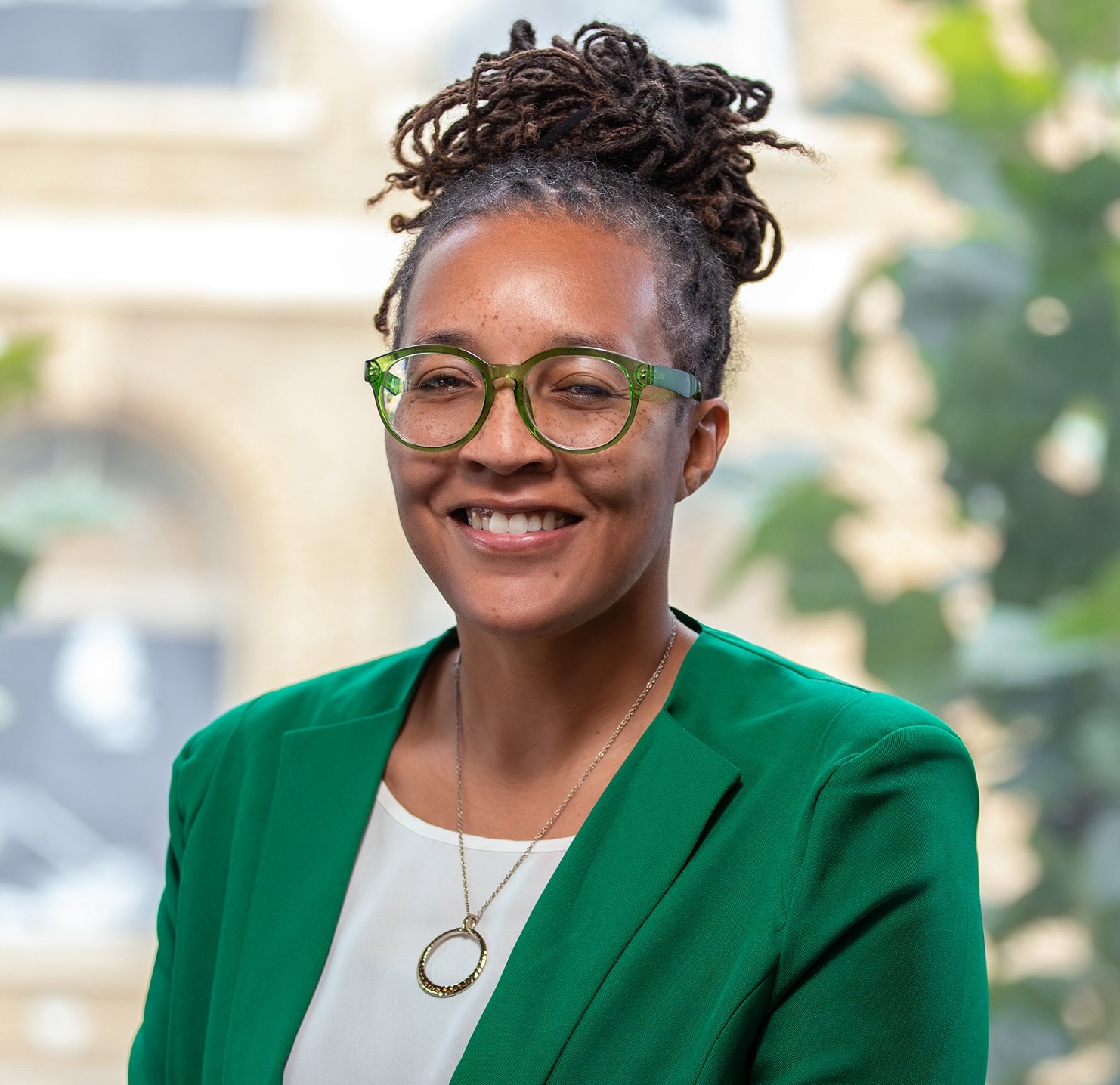
We have here with us today, Kym Coco. Kym is an author, a nature loving yogi, a dog mama of two staffies, and she holds a master's degree in sports kinesiology. She has two 500 hour yoga teacher training certificates, and both topics were woven into the classes that she taught at California State University, Chico, and the workshop she taught around the country with her late husband, Stephen Thompson. Coco now shares powerful tools for wellbeing through her latest book, Miracle on the Mountainside, and her blog,
Swaggstail.com. When she's not at her residence in the Sierra Nevada mountains, she's on the hunt for great golf courses and scenic vistas in her Sprinter van. Kym, welcome to Care Lab.
Okay. So Kym, thanks so much for being here today. Welcome to Care Lab. ⁓ Tell us a little bit. Can you just start by sharing a little bit about your background and your husband's background and your story?
Kym Coco
Yes, well Brandy and Emilia, thank you so much for having me today. It's a pleasure to be able to talk about this in a time where caregiving and sadness and grief can seem overwhelming. It's nice to be able to walk through it, honoring all of the emotions and be able to be here today with a really authentic story and a heartfelt appreciation for all of the process.
CareLab Podcast
you
Mm.
Kym Coco
So if I answer your question, we take a step back. My background is in sports kinesiology. So I have a really strong understanding of the body. And even though in college I was really learning the details and the ins and outs of physiology, I still had a lot of mental stress and anxiety. And a friend invited me to take yoga. And I thought, that's not for me. That's too slow. That's a yogi sitting in a cave somewhere, not my jam.
Turns out the clash you took me to humbled me in such a way that people three decades older were just doing incredible feats.
CareLab Podcast
Isn't that crazy about yoga? Yeah.
Kym Coco
Yes. So that spoke to the athletic side of me and it started to turn my mind into something I could understand. I wasn't scared of the emotional landscape, the negativity I had, and I could start to live more holistically. And it was about that time when I met Steve. He was teaching emotional kinesiology and with my background in the sports element, it was really fun to say, okay, let's combine these two and
We shared books and resources and turns out we became great friends. Fast forward two years later and we thought, well, what's holding us back from trying something more? We risked the friendship and then became a really solid match, a pair for the next 12 years. And we worked together and traveled together and did everything together.
for the time we were married. It was really beautiful.
CareLab Podcast
Wait, wait, you gotta back up stuff a little bit. I don't know about you, but I have never heard of emotional kinesiology. I wanted to interrupt you so bad and be like, wait, hold up a second. What is emotional kinesiology? Because never, and lots of OTs come into OT through kinesiology. please enlighten us.
Kym Coco
Maybe that's just the term we use to say you can utilize the body to understand the emotional spectrum. So we utilize kinesiology, muscle testing, idea of assess, using the physiology to understand the emotional spectrum. Maybe that's a good way of saying it. So you can start to understand what's in alignment, what's true, and assess where emotional blocks are to get those out of the way.
CareLab Podcast
⁓ just...
Okay?
Interesting. Can you give us like an example? Yeah.
Kym Coco
Sure.
But let me back up and ask a question first, if you don't mind.
CareLab Podcast
Okay.
Yeah.
Kym Coco
Describe to me your understanding of either muscle testing or utilizing a technique of the body in that way for assessment, for alignment.
CareLab Podcast
Go ahead.
⁓ So we do a lot of manual muscle testing in therapy to determine baseline strength levels of either muscle groups or isolated muscles. And that can be used either for diagnostic purposes or it can be used for ⁓ assessment and treatment purposes. And usually it's used for a combination of those things. ⁓ have heard before of people using muscle testing in a way to determine
Hi everyone, sorry. This is Adora. Hi Adora. Adora is joining us today because it's raining outside and she feels a little nervous about that. But not everyone wants you in their lap. You're very sweet. ⁓ She's a good girl. We love her. ⁓ But yeah, so I had had some sense of that before, but I didn't know that it was like a, ⁓ I didn't know that it was a discipline in and of itself.
Kym Coco
And that's really interesting because I didn't realize it either necessarily and I'm finding little pockets of communities that use it. But you can assess congruency in the system, like in the muscle tissue, right? And where the weaknesses are. So let's say we utilize the technique of muscle testing and you can think a thought, hold the belief, hold an idea, and then use muscle testing and you'll get a stronger weak response.
and you find out what's true or what's not true. If it's true, there's no gap, there's no break in the system. But we find out when, let's say, I am a man or I am Sam or I like cottage cheese, that's a minor, a light example. And my system's not gonna resonate with that. There's gonna be a weak response. And so you can start to find out where the beliefs are in the body.
where there is that disconnect. And a lot of times the emotions we think about on the surface level seem really obvious to us. And yet there are times where life happens and you go, wait, I didn't see that coming, but there's something below the surface. So we utilize what's underneath in the emotional spectrum and we use the body to help find it out.
CareLab Podcast
Hmm. So kind of like, like if you were to say like, I, I believe I am strong. And then you like see if the muscle, how the muscles react to that to see if you actually believe that or not, or I feel weak and powerless or, and you kind of do the same thing and feel kind of try to determine like how subconsciously or maybe not subconsciously, but how do you really feel about being, and then try to work through the emotion in that.
Wait?
Kym Coco
Yes, we can use a lot of different tools to shift that mind, body, the belief system, the emotional spectrum, and then you can test again and see if there was a shift. And it's really fascinating because I think a lot of people find that conflict in their life, they're moving forward and it feels really difficult or just that tension that's going on. It's like your foot on the gas, I really want to go in this direction and yet there's a foot slamming on the brake as well at the same time and that's a really rough ride and your system feels...
CareLab Podcast
you
Kym Coco
conflicted and it's nice to streamline it. So if you can take out that subconscious negativity or the stress, then it helps you move forward more smoothly. And this is something I will just throw in here. When I was in college learning this, I thought, oh, I have all of this knowledge moving forward. And yet at the same time, I didn't realize the magnitude of the stress and anxiety and fear and anger.
from losing my dad in my teenage years was still a program influencing how I viewed the world.
CareLab Podcast
Mm-hmm. Okay, so we took that explanatory comma from their story that you were trying to tell us ⁓ so keep going you and Steve got married and
Kym Coco
And we traveled, we taught workshops, we enjoyed living a very vibrant life. We wrote It Just Makes Sense, which is really the toolkit that we started to use to understand what those beliefs are, introduce people to this idea that there might be more going on beneath the surface. What does meditation look like? It's not some scary thing where you have to go sit by yourself and how do you find that flow state in your life? And how do you communicate your needs and wants to others?
so that you can feel a sense of congruency within yourself, stay confident, and build rapport with those around you. So it was a lot of the toolkit that he used with his clients, I used with my students, and that was a fun project for the first go around. And then when Steve got sick, we weren't sure if that was post-accident related. In any case, he was ill and...
I can go into the motorcycle accident later. We'll talk about that. That relates to Miracle on the Mountainside. But he went into the hospital before Christmas and came out three days later, 30 pounds lighter. He was... We didn't think he was going to make it through the weekend. It was a really intense, life-shifting few days. And we decided to completely reprioritize, cut out things that weren't serving us and...
CareLab Podcast
Hmm.
Kym Coco
really focus on what mattered. So I actually came up with this idea this morning of like the three C's of what caregiving looked like for us in that time period. Okay, so first was cut. Cut the crap. When we have all this extra energy and vibrancy and we feel like we can handle the world, we allow the mediocrity to creep in. We put up with people's stuff that we might not normally enjoy.
And at some point we had to say, this isn't serving us. The toxic relationship with your brother, let's cut out that. Let's deal with ⁓ the neighbors. We had to let them handle some of the projects in the neighborhood. We had to take away the things that we didn't have energy for anymore. He didn't physically have the energy and now that I was caring for him, I didn't have the energy. So I had to let some of that go and delegate.
CareLab Podcast
Hmm.
⁓ Was that like an intentional
process that you were like, okay, let's think of everything that stresses us out and then let's not do it. Or did you like as the things came up, the neighborhood association thing happened, you're like, actually, no, we're not gonna do that right now.
Kym Coco
think most of it was intentional to begin with. And then our lives are very multi-dimensional. And so some things were missed in that first go around. So then we had to assess, is this really in alignment with what we want to do? Which leads me kind of to the second C, which is connect. We wanted to connect in the most meaningful ways in the time we had together with the people who mattered most, staying centered and true to who we were.
CareLab Podcast
Okay.
Mm-hmm.
Kym Coco
And part of that connection was finding things that we enjoy doing together, given our drastically different health experiences. He would sleep most of the day. He was ill. We didn't sleep a lot of the nights. And so and then I was tired because I was up most of the nights with him and I needed to rest too. So how did you find fun? We did Western Wednesdays on movie nights and then we did morning dialogues where we would talk about very
important life concepts. What does it look like after death? What is our spiritual nature? These really in-depth conversations that allowed us to feel the love between us and an appreciation for life as a whole.
CareLab Podcast
That's super powerful. Yeah, I agree. And I also think like, in some ways, I'm going to say this and it's going to, it's going to, it's not, it's not going to feel or sound right at first, but in some ways it's like an ideal scenario. It is obviously not ideal when your, when your partner, when your spouse is sick ⁓ and they're needing a lot of care. That is
That's obviously not an ideal situation, but the way that y'all were able to approach that with intentionality as opposed to having to kind of maybe like drown first and then find your way out is really unique. did you, did you go through that drowning period or did you, do you feel like you had the tools right from the beginning to say, no, we've got to, we have to really rethink this and approach this in a radically different way.
Kym Coco
really great question. Can I bring in the motorcycle accident now because I feel like this is a very good time.
CareLab Podcast
⁓ Yeah, whatever you think is appropriate.
Kym Coco
So before I met Steve, this is the miracle on the mountainside. This is why the whole book exists. He was driving up the mountain road on a motorcycle on this beautiful summer sunny day and then hits unexpected shale. The bike slides 40 feet. He sees the guardrail and makes the instant decision, I'm gonna hop over it. Only it's not a soft landing anymore. It's a cliff. And he went tumbling over the cliff.
broke bones in over 100 places, a stick punctured his stomach, his helmet cracked in three places, and he went in that moment into complete surrender. I am bleeding to death. I am not gonna make it. I know these mountains. I hike them often. This is it. I've done the best I could with my life, and I have to let go. Well, in that moment, he had a...
A near-death experience, but that's a whole different topic. But he had a miracle rescue. Firemen were coming up the mountain road and saw a light flash off of his helmet. So when they got to the bike, they didn't pass it like everybody else who thought he might have been fishing or I don't know what happened. Maybe he was just left there. The firemen stopped. They were able to call for a helicopter to bring blood to the scene because they found his blood type in his wallet, not just plasma.
and they got him to a hospital. And in that healing process, it was 28 reconstructive surgeries, three years in a hospital bed, and three more to learn how to walk.
CareLab Podcast
Wow. Wow. And this is before he got sick.
Kym Coco
This is before I met him and before he got sick. Yes. So this was, so that's why I said there could have been complications that just lingered in his system that eventually led, he was bionic, right? He had so much going on. Well, his ability to live again wasn't just the physical body to heal. It was the decision to say,
CareLab Podcast
Okay.
Yeah.
Mm-hmm.
Kym Coco
I don't want to go back to work in the same way I was. That was stressing me out. It wasn't satisfying anymore. I have to overcome the fear of telling my wife that because at the time she wanted to go back to the life they had. It was saying, I'm not waiting for other people to help me get well. I'm going to work with my physical therapist. I'm going to be a cooperative component in this process. And I'm going to shift my mindset so that I'm not feeling like a victim, but I'm empowered on this journey. And
A lot of his past had to fall away in that six years to make room for where he was going. And that's scary. We've all been in transitional times. The uncertainty can seem overwhelming. And so he had a lot of practice of building that inner stability so that by the time I met him and the work we were doing together, we were teaching these tools to people. So we approached the challenge of his physical decline.
with a really heightened sense of awareness and an appreciation for all of the emotions. We didn't try to hide the sad times. We would cry together. We would let the nervous system go and do its thing when stressful situations arose. And then we had the tools to come back and find that inner balance. And so that helped the understanding of how to know ourselves.
to appreciate maybe that bigger picture of what we view ourselves as, as a consciousness or spirituality, however each individual defines that, it helped us prepare and then be present for all of it, the ugly and the loving moments in that caregiving process.
CareLab Podcast
That makes sense. So you kind of primed already for the not ideal situation, but understanding that this is really impactful and we're going to take a very intentional approach about how we deal with it. We don't know what's going to happen in the future. We know what we have right now is today, and then we're going to apply our best case scenario principles to today.
Kym Coco
Yes. And part of that being able to connect with ourselves and with each other in that really tough time was detaching from the outcome. The reality was I was going to be alive here in this physical body and he wasn't. And it was really an interesting dialogue to say I can let go of guilt knowing I'm going to have a next chapter. And he might have a next chapter. He wouldn't know what that looks like and neither did I.
CareLab Podcast
Yeah.
Kym Coco
but we were going to be parting ways. It was almost like a breakup and you knew it was going to happen. And to detach from what that might look like to stay in the moment was an ongoing practice, a choice to choose love right here, right now, because we don't have tomorrow. We don't know what that's going to look like. And that presence practice took it to a new level for me, especially given the years of training I've had to be focused now.
It was just a higher training ground for that.
CareLab Podcast
question. You have a question too. first. So it sounds, I'm curious because it sounds to me like when he got sick again, when he was diagnosed, it sounds like you all knew that it was going to be a terminal condition. And please, if you don't want to talk about anything, you just, you just tell us, like, we want you to be comfortable with anything that you're, you're sharing here. What I'm wondering though is
How do you think your approach may have changed or would it have changed if you had either A, not known that it was going to be a terminal condition or B, had known that it was something that was going to be extremely prolonged potentially?
Kym Coco
Okay, so let's break that down. How would it be different if it would not?
CareLab Podcast
Or maybe it wouldn't be
different either, but I'm curious about your perspective on this.
Kym Coco
Okay, let's, I'm thinking about this. So let me go back to the three C's, cause this will answer this. So we still had to cut things that weren't serving us or that were unnecessary in that time period. Whether that was gonna be short term, longer term, or it was gonna disappear and we could go back to whatever normal would have been like, right? So the cutting allowed us to connect better. We had the ability to go at a slower pace. We weren't distracted.
And the third C was create. I believe that we find our satisfaction in life when we have this next version of ourselves or the goals or these ideas of what we're becoming and we're taking those incremental steps toward them. It doesn't have to be monumental. I think those small steps help. So for example, Steve's diet was extraordinarily restricted. So what did I do? I'm gonna make a cookbook. I'm gonna try new recipes and the ones that are a win go in the cookbook. That helped me.
find purpose in creating something out of what could have seemed extraordinarily stressful. I kind of made it a game. So I created.
CareLab Podcast
Mm-hmm.
Kym Coco
And I think.
But the second thing I helped create was I bought a bigger van. We had been traveling in a Sprinter van. We had two prior because we would travel a lot. And with two dogs, it was cozy. So I thought, okay, now I'm dressing you and we're gonna need more room. I need more help getting you in and out. So let's build a different van. So the creativity to look forward, because I didn't know, is this going to be short term, long term, or could we travel again together?
I was optimistic we could. The NuVan helped me start to plant the seeds of what that could look like and make our lives easier. And it was fun to pick the colors and the textures and do the things, even though it wasn't happening today, it helped me find joy. I could feel a sense of hopefulness, let's say, for the future, no matter what that looked like.
CareLab Podcast
I love these three C's and did I hear you correctly that you just came up with these three C's this morning? ⁓ Okay, I'm also mind blown by that yeah because one I love alliteration and it helps you learn right and to this they build on each other and Thirdly, I think the create part is the thing that almost nobody gets to yeah, right And so you said you didn't necessarily know what the outcome was gonna be but you didn't focus on that
Kym Coco
Yes, during the break while we were getting technology.
CareLab Podcast
and let that drive, that's kind of the answer to your question, and let that drive how you decided to proceed. Regardless of what the outcome is, I know that we need to cut out things that we don't need, and that we need to connect, and that we need to have something, we need to have purpose. We need to create something that we can put our energy towards. And that is part of the human condition, whether you identify it or not. The key thing is identifying that you need to create something.
You might be artistic, you might be moving your body, you might be, it might be your work, whatever. It doesn't actually matter. Humans need purpose. And if we sit and stew about what could or could not happen, whether you knew what was gonna happen or not, ⁓ it only like spirals you downwards. And so by being able to take that energy that we have inside of us and apply it there, it helps you spiral upwards a little bit.
as opposed to spiraling completely downwards. Because that energy got to get used, you know, in one way or another. So you're stewing about like, what if this, what's going to happen to this and how I'm going to deal with this and you stress or you take it and be like, ⁓ what can I do with these five foods he could eat? Right? How many different ways can I make that and make that a game and use your energy that way? That's like such a keen way to think about it and can be so applicable to literally every challenging part of our life. Yeah. That's what I was thinking too.
Kym Coco
It does.
CareLab Podcast
Those three C's don't just apply to caregiving situations, right? That just like is sort of a good recipe for living the life that you actually are seeking to live. Yeah, 100%.
Kym Coco
So did I answer your question?
CareLab Podcast
Yes, I think you did answer
my question. ⁓ Okay, and then I had another question and I lost it, but I'm gonna try and come back up with it. ⁓ I know, I know. This is obvious. Okay, so how did you, how were you able to carry, obviously, you know, your husband passed away. How were you able to carry forward with those same principles?
you had to figure out how to rebuild, you know, just you.
Kym Coco
That's a great question. When we were having those meaningful discussions, Steve told me, when I'm gone, you're gonna need structure. He often worked with clients that had lost a spouse or were now moving on in a new way. And structure gave people a reason to get up every morning, whether it was volunteering, having an animal, meeting somebody, putting something on the calendar.
a reason to get up, connect, get out. In the tough times, the grief hit and it can hit hard. I felt like I was on a teeter totter opposite a sumo wrestler half the time the first year Steve was gone. And I realized that first year, well, I wanted the pain to be gone, but I didn't want Steve to be gone. So I had to wrap my head around, ⁓
CareLab Podcast
Yeah.
Mmm.
Kym Coco
I knew this was coming and now I have to embody the peacefulness that I know can be there. When we had that conversation in 2022,
had the idea, what is my structure gonna look like? Because we had already had a very nomadic life and I wasn't sure if I could be in one place at one time or for an extended period of time or what that would look like. So I thought, I'll go play a hundred new golf courses. It's new, it avoids the emotional landmines that could trigger sadness. I avoided being home for probably 70 % of the year because it was too hard.
CareLab Podcast
Mm-hmm.
Mm-hmm.
Kym Coco
Every time I'd go back,
I could notice a shift, but then I'd want to leave again. And I let myself have that experience. But the golf was a way for me to get out in nature. That's a great recalibrating tool to see the harmony, to see the beauty, to see the natural ebb and flow. I mean, everything goes into hibernation here in the mountains in winter, and that's normal. So letting this hibernation period of
of grief be there for me. was okay. So I stepped out of nature in the golf course. It was beautiful. I met people. I wasn't committed for more than four five hours. And then I could take a break. I could go back to being a little more quiet if I wanted to. And I could still have a hint of adventure and be excited to travel because that does feed my soul. But when Steve left a week later, I tried. I went golfing with my brother-in-law who happened to be on the West Coast. It was too sad.
CareLab Podcast
Mm-hmm.
Mm-hmm.
Kym Coco
I don't want to do it. Put my clubs away, two weeks later, I'll try again because I think it takes courage to step into the unknown. And I wasn't sure what was going to happen, but I'm going to give it a shot. Wasn't the same. It was still too sad without Steve and the golf cart next to me. And it took another nine months for me to go explore other new avenues of just being in the world before I was
convinced by some friends to go on a golf trip and I met some new friends and that encounter that said, hey, what about this? Have you golfed here? Let's try this. And it opened a doorway for me to say, okay, this is sparking my interest again. I'm curious again. Let's give it a shot. And it wasn't an all at once idea of, yeah, I can put this plan that I set in place years ago into action.
I had to let myself be ready to be ready to be ready along the way.
CareLab Podcast
Yeah, I mean that makes so much sense in this it's it's not that you were like, okay He's gone and now I'm gonna go do this thing that I already thought about doing you Listen to how you are feeling. I think it's a key part, right? And you were okay with that. Like it's too literally it's too sad I can't do this now, but I think the key question I have for you is What made you come back to keep trying again? Right like you could have said it's too sad and I'm gonna switch to do some other new things
And that would have still been okay, probably. You're still doing something. But like you kept coming back to this thing. What made you keep coming back as opposed to like leaving it all together?
Kym Coco
like to play. think play has been some of the best medicine for grief.
CareLab Podcast
⁓
Do you have? I think she doesn't have sound.
market. I did. Oh we lost her. Yeah. This is a good episode though. You think so? I do. Okay good. Yeah I mean it's all over the place choppy as far as like our tech but yeah I have a feeling it's gonna connect well. I think so. She's a good storyteller. She is a good storyteller uh-huh and oh how are we doing on time? Is she back in? Yeah it's it's about almost 1030. Okay so we got to get wrapped up. Yeah we do have to get wrapped up. Okay.
Kym Coco
At least the end, can cut that out. Tell your editor, thank you.
CareLab Podcast
Yes. Yeah, you're good. Yeah,
totally good. Okay.
Kym Coco
So grief is the best,
play the best medicine. Go ahead.
CareLab Podcast
Yeah. So how I know that that is something that you help other people connect with now. Can you talk a little bit about how you are helping other people find their way?
Kym Coco
Yes, I'd like to say it's under the umbrella of peak performance and that seems very sport specific. And yet we talk about alignment in the body, alignment of emotions and alignment is essential for say a golf swing. It helps us move in a coordinated fashion and prevent injury. Well, understanding of what's going on underneath the surface is peak performance. I find that it's bringing your whole self to the table, the best you, can be at any moment.
And so that comes out in the golf world by taking away the blocks, the mental blocks, the doubt, increasing confidence, the steps it takes to build confidence. These are like the three C's, things we do in everyday life to remove what's not working, put a system, mind, body communication in place that does, and then...
Start to create a strategy, a plan that's gonna help you move forward in a way that you're excited about your life. And maybe not over the moon excited at times. Maybe it's those step-by-step incremental moments. I like the word satisfaction. I keep coming back to that. How can I find contentment and satisfaction right now and then build on that so that as you show up in the world, you feel good about yourself. And it seems the peak performance element takes care of itself because you've laid the groundwork.
CareLab Podcast
Yeah, that makes so much sense and so much. We like to put our things in silos, right? Like exercise and play and moving your body is over here and emotion is over here and work is over here. When in real life you are one body, right? And all of those things are in one place and they are all connected. And so whichever way you come towards it, know, moving your body and participating in life in whatever way brings you satisfaction is also really impactful for the endorphins in your brain.
that help you feel a little bit better about whatever's going on in your life. So it makes total sense. I really appreciate you coming on and talking with us today and sharing your challenge and journey through something really, really hard, right? And giving us these nuggets, like even nuggets you made up in today. Yeah, today while we were having technical our drop the mic, drop the mic level. Yeah. That we can keep, you know, we all can keep using.
So if people wanna stay connected to you or wanna reach out, what's the best way for them to do that?
Kym Coco
The best way to find me is at swagtail.com. That's the hub. You can read the intro to the book. You can listen to the audio. You can find out about the monthly workshops to gain these tools for mental emotional balance. And there are a lot of articles that if you want to dive in and start to learn about these techniques to be your best self, mind, body, spirit, that you can go down a deep rabbit hole.
CareLab Podcast
Okay, well that's amazing. And we will link ⁓ swagstale.com in the show notes so people can easily, if you're listening to this or you're watching it on YouTube, you can just scroll down to the show notes. You can click on that link and you can find more from Kym there. ⁓ If you enjoyed this episode, please take a moment to like, subscribe, share, follow, do all the things. But most importantly actually leave us a comment. Yeah. Leave us a review because those are the best ways to help other people discover this content.
⁓ that we hope has helped you today and we hope to help a lot more people. Kym, thank you so much for coming on this episode of Care Lab. This was really such a wonderful, insightful conversation.
Kym Coco
Well, thank you for having me. It's been a pleasure to join you and your listeners today. And it's a good way to smile and celebrate that we're alive here.
CareLab Podcast
Absolutely. All right, y'all, we'll see you next time right here on Care Lab. Bye.
Do us a favor and subscribe to the CareLab podcast on YouTube, Spotify or Apple Podcasts! It will help others find our conversations and grow the community and you’ll stay updated with the latest insights and expert advice on elder care.