
Summary
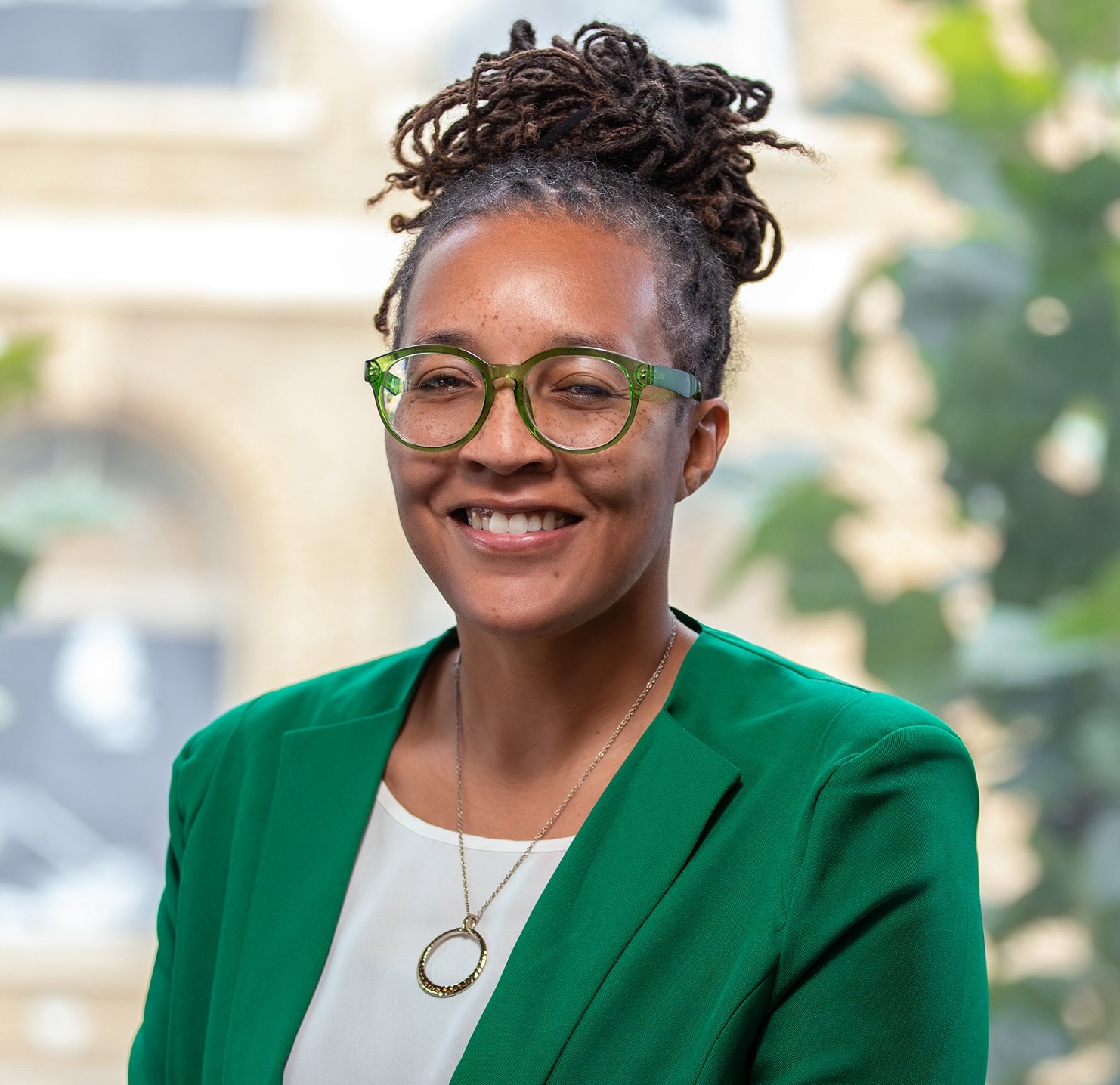
In this CareLab episode, hosts Emilia Bourland and Brandy Archie are joined by Lisa Kendall, retired social worker, psychotherapist, and clinical gerontologist, to explore the often-hidden emotions caregivers experience—especially anger and the guilt that frequently follows. The conversation unpacks why these feelings are not only common but deeply human, how unmet needs and unrealistic expectations fuel emotional distress, and why caregiving relationships can be especially complex when past trauma, dementia, or long-term decline are involved. Lisa offers practical communication strategies, boundary-setting tools, and compassionate reframes that help caregivers care for themselves while supporting the person accepting care with dignity and respect.
Key Questions Answered
-
Why do caregivers often feel anger followed by guilt?
Caregiving carries high emotional stakes and unrealistic expectations that care should “fix” or “cure” decline. When anger surfaces, caregivers often judge themselves harshly, leading to guilt—despite these emotions being natural responses to stress, grief, and unmet needs. -
Is it normal to feel angry at someone you’re caring for?
Yes. Anger, resentment, exhaustion, and frustration are normal human emotions in any close relationship, especially when compounded by stress, loss of control, and responsibility. Feeling anger does not mean you are a bad caregiver. -
How can caregivers set boundaries without feeling selfish?
Boundaries are not rigid walls; they are flexible tools that protect wellbeing. Caregivers can clearly communicate what they can and cannot do, invite help where needed, and remember that saying no does not mean abandoning care—it means sustaining it. -
What communication strategies help reduce conflict in caregiving?
Slowing down, pausing before reacting, and practicing curiosity instead of fury are key. Approaches like nonviolent communication help caregivers identify unmet needs—both their own and the other person’s—and respond more thoughtfully. -
What should caregivers do if anger feels overwhelming or unsafe?
If anger escalates to the point of fear of emotional or physical harm, it’s critical to seek support immediately. Therapy, caregiver support groups, and professional guidance can help caregivers process emotions safely and protect everyone involved.
Transcript
Emilia Bourland
Caregiving can be full of love and also moments you maybe don't post about, that anger that flashes out of nowhere and the guilt that follows right behind. Today we're going to be talking about feelings that caregivers are taught to hide, why they show up and what it really means when they do.
Brandy Archie
And we have the pleasure of doing that with Lisa Kendall who it's her third time being on the show So if you haven't heard her past episodes, you need to go back and listen to them Lisa is a coach a facilitator and a trainer who helps every member of the care partner team harness their inner wisdom and creativity So they can live a peace meaning and purpose and that sounds good, right? So as a retired social worker psychotherapist and
clinical gerontologist, it has been her privilege to serve as an expert in the aging and elder care field for more than 45 years. And not just in healthcare, but also in the lines of business and higher education. Lisa, thank you for joining us.
Lisa Kendall
Thank you. Thank you both for inviting me. It's great to see you.
Emilia Bourland
Yeah, thanks for being back on CareLab. I have to say we're almost at our 100th episode, if you can believe it. And Lisa was one of our very first guests way back in the beginning. So thanks for your support then and thanks for your support now. But we are so excited to have you on. You're absolutely one of our favorites.
Brandy Archie
That is crazy.
Brandy Archie
Mm-hmm.
Lisa Kendall
Thank you. I love being here with you guys and congratulations. A hundred is a big milestone.
Emilia Bourland
Almost there. Yeah. Okay, so let's just dive right in today. Yeah, I think we all want to talk about, you know, the compassionate side of caregiving, how caregiving can in some ways like fill us up if we have the right perspective. But of course, there are lots of emotions that come along with caregiving. Anger.
Brandy Archie
We're getting there. We're getting there.
Emilia Bourland
and guilt being two of the big ones. Do you want to start by just kind of talking a little bit about what that experience can be like,
Lisa Kendall
Yeah, I think we talk so much about caregiving. We refer to the people who accepts care oftentimes when we're in workshops or articles or things like that as our loved ones. And sometimes the ways we talk about caregiving make us feel like if we have a feeling that we label as negative, like anger or guilt or
even just exhaustion or resentment, all those things that come up, we feel like we're doing something wrong or we're just not thinking about it the right way, we're failing somehow, and then we feel bad and then our feelings sort of spiral downwards, right? And we judge ourselves and that critical voice comes up and there's plenty about
any relationship with another person, especially when there are lots of extra stresses added to it that can lead to these really natural, very human feelings. when we get into that kind of spiral, we feel like we're the only ones, right? So we don't want to tell anybody else that we're angry with our person who's accepting care. we, you know,
I got a lot to say about it, so let me just stop there. But let me say the whole range of feelings that people have as caregivers are very natural and normal. just like we get mad at our kids or mad at our spouse or partner, mad at our neighbor, I mean, of course we get angry in caregiving as well. The stakes feel higher somehow. And I've been thinking a lot about this. What it is about that anger.
or that circumstance, those feelings when we come up against them that makes us feel so guilty. So I do have some thoughts about that.
Brandy Archie
think you bringing up the term loved one is kind of important because I used to always say that. used to always be like, and your loved one. And then I came into this string of caregiver interactions with patients whose primary caregiver was their ex-spouse. And not that they might not still have love for them. And I'm not sure because I'm treating the patient and I often didn't see that spouse, that ex-spouse. But it created this like,
significant conflict. And I think of a specific story in which the person was an alcoholic and was living alone, but had something happen that caused him to have like some kind of break or hip fracture or something like that was happening orthopedically. But he wasn't doing very well alone. And she was still clearly had some level of like care about him and was making sure to do like the minimum stuff that he needed, like make sure there was food there and that his medicines were there.
but it was clear that they didn't have that same relationship anymore. They were exes, he was still struggling with addiction, he was on his own and I never ever got to meet her, but it just made me think strongly about like, man, maybe using that terminology isn't the best way to handle it because there's a lot of complex emotions there. So my question for you is like,
if somebody's in that situation or maybe their parent didn't treat them well when they were kids and they're like the one who's kind of in charge by default and like this doesn't feel like a loving situation but you also don't want to leave them hanging or maybe you do like talk to us a little bit about some ways that people can like pull that apart in their mind and I don't know how do they deal with that.
Lisa Kendall
Yeah, in at least one of my other visits, we talked about that situation where people might be caring for someone who was not caring towards them. Maybe they were neglectful or they lived with their own mental health issues and maybe they still are abusive in some way. me, those are real issues for folks. And again, the messages they may have gotten is
don't talk about this outside of our family or everything's fine here, it is all in your head. This is your fault. I mean, those kinds of dysfunctional and by dysfunctional, mean, painful functioning families that operate in a painful way are not uncommon. And again, I think people in those situations feel isolated. They feel like they're the only one. I think
Having a conversation like the one we're having today goes a long way towards helping to affirm for people that they're not the only one and that there are ways and strategies that they can maybe approach that relationship. it's a lot of the old wisdom, but we do have to be careful of the language. So using the term loved one might not be the right one. And I don't know that there is a great, word for it.
your elder feels like your pet somehow. mean, that just doesn't feel right. Person accepting care is the one I kind of default to because it is empowering to them. They are accepting care. But it goes back to those issues of taking care of yourself, setting healthy boundaries, and knowing what that even means in the context of a relationship where there have been
boundary violations. It is a situation, if there is a painful relationship, where I would strongly encourage somebody to seek out a counselor, a therapist, a clergy person who has ability and insight and experience working with that situation, because trauma is often involved and there are very effective ways to treat that. And the answers may be
Lisa Kendall
learning how to say no when you've never done that before, but then having the support you need to face the backlash that you will get when you say no for the first time in a relationship. And there are ways to do that that may be more effective than other ways. That boils down to communication strategies. And there are also ways to learn how to delegate and to, you know,
Emilia Bourland
Mm-hmm.
Lisa Kendall
answer questions. Certainly I've run into families where I hear from the caregiver, well, I do everything for my mom because she won't let anybody else do it. And even though I'm 75 myself and I really can't be shoveling her icy driveway anymore, she just won't let anybody else do it. So what I've done in those situations is really work with them on how to have those hard conversations and how
to say here's what I can do and here's what I can't do but I can help you find somebody else and if you're not comfortable with it I'm happy to be here. What's hard about that? You know, just helping them facilitate that conversation. And when all else fails recognizing that the world will not end, that the person may have a
pardon the phrase, they may have a tantrum about it, they may bluster, they may blow, but it's not as big a consequence at this stage of your life as it was when you were five. We carry those images with us of the very powerful, really life-saving, I mean, when we're little, we're dependent.
on our parents. But when we get bigger, we are no longer truly dependent, but we still carry that feeling that we are. So now I've just gone off on a therapy rant. But yeah, those are things that you can work out with a therapist and learn how to cope with. But it isn't easy. It's not always something that you can do without good support.
Emilia Bourland
haha
Emilia Bourland
Would you, and I think you've started to talk about some of these already, but would you talk a little bit about some communication strategies that people might use in order to say no or draw a boundary?
Lisa Kendall
Sure. First of all, I like to think about boundaries as being flexible. And now I'm having a flashback. I might have talked about this before too. Yeah.
Emilia Bourland
I was gonna say, I was gonna say we had, did it. you, that sounds like something that would be helpful for you, go back and take a look at one of our, I'll find it. We'll link it in the notes, folks, the past episode with Lisa. Yeah.
Lisa Kendall
yay! Yeah, that sounds right. But boundaries should be flexible. So they protect something, they can keep something in, but they can also open to let something that's helpful in from the outside. So you can hold a boundary by saying, no, I need this time for my nap.
Brandy Archie
Yeah, yes.
Lisa Kendall
I need this time for rest. I'm sick. I need to stay home. Or you can open a boundary and say, I really need help with this. I'd like to invite you to come into this space to give us some help. So that's a quick and dirty way to do that. I just want to say about communication. There's some wonderful, wonderful work by Marshall, I'm blanking on the name now, Marshall Rosenberg, who
created nonviolent communication. And that is the most amazing model. I learned about it when I was co-facilitating some training with Rebecca Hubbard. She and I taught for the Eden Alternative. And I learned from her so much about how when people have an emotion, and that's what we're talking about today, it represents an unmet need.
and that we all have needs, that there are these universal needs. We all need to feel competent. We all need to feel safe. We all need to feel like we're connected to others. Just a couple of examples out of pages of universal needs that we have. And sometimes when one person has an emotion and they express it, often with humans, we don't express it well. So I might be...
I might be frustrated, I'm dealing with something on the phone, I can't get my bank to cooperate, and I'm cranky, and somebody comes up to me and they just ask me for something and I'm like, wah! Right? Wah! I give them that reaction. But they have a different need that they're trying to get met, and they're met with this anger from me. And again, as humans, we need to feel connected, we need to feel heard, we need to feel safe.
I've now just inadvertently smacked into their needs and they're like, whoa, what did I do? Well, they didn't do anything. We all need to slow down. And there used to be a wonderful psychologist, a radio psychologist that I listened to when I was driving around in my car doing home visits when I worked for home healthcare and her name was Dr. Joy Brown. And the thing I remember most from her is she would always say,
Lisa Kendall
be curious, not furious. But it requires that we know how to pause before reacting. And honestly, that's the secret to the emotional universe. we, a race of human beings on the planet, could just pause before reacting and
choose our response, we would stop having wars, would stop having fights, everybody would get along because we'd be able to be curious about what the other person is needing in that moment. We'd be able to think more deeply about what our own body, our own emotions, what our own, you know, our own system is telling us that we need, and then we'd be able to negotiate it. That's what communication really is.
All this other stuff gets in the way of communication. An emotion, even a thought, can be real in the moment in terms of how you're reacting, but it's not necessarily factual. So the reaction I'm having to somebody else's angry remark, it causes a real bunch of stuff in my body, but it's not based on reality.
just like the person who felt sort of terrorized and unsafe as a child in a certain home might still feel that way when they're an adult and they're very competent and that same parent is speaking in maybe a derisive way or just comparing them to that other kid who never shows up but they never do wrong. We all know that.
dynamic, right? So yeah, I think the key is to slow down, to be curious about what the other person is dealing with in that moment. Take that space, take that breath. It only takes a few seconds for the emotions to ride. It's like surfing the emotions. That's what we call it. We ride the emotion. Take a breath, do a reset.
Emilia Bourland
Hmm.
Lisa Kendall
label it in your head, what am I feeling? I'm feeling angry, I'm feeling upset that you just snapped at me. I need a minute. Let me breathe. Let me calm down. What's happening here? You seem really upset. And just talk it out. And then you can hug it out. Yeah.
Emilia Bourland
Okay.
Two things that I have to say here. One is if I were getting home help and you showed up at my door, I would be the happiest person and like the luckiest person ever, I think. Cause you really are, you have such a gift for educating and for helping people process things. And again, I'm just so thankful to have you here with us again today. And then two, just wanted to kind of...
Brandy Archie
For sure.
Lisa Kendall
Emilia Bourland
Like really highlight that I love that phrase be curious not furious and the idea that these emotions are so fleeting I literally had this conversation with my kids the other day because they were arguing about something or something had happened and so you know, have these big emotions that happen right away, but The time that we're having those big emotions. Like you said Lisa there. It's really fleeting. It's short the stronger the emotion actually
the shorter the time period that we spend in it. So if we can just, to your point, take a pause, let it pass and process it, then it's so much easier to respond in a way that doesn't escalate things, but can allow us to work things out in a way that is much more productive for everyone.
Brandy Archie
Yeah, it's kind of crazy actually to think that the things that make us the most upset for the shortest amount of time, we react to that right away and then have long lasting impacts from it. Like either from the words that you say or the thing that you did or you broke this thing or whatever it is, right? And if we, I'm so glad that you mentioned how fleeting it is, how much time it takes. That was going to be my question. I find my life as kids these days, even for me interacting with them,
Emilia Bourland
Mm-hmm.
Brandy Archie
If I take a deep breath and count, and then in that moment of counting, one, they see me counting until they're like, ooh, I should have probably not did that. And then, so that helps. then two, clue number one, mom is counting. But then it just really takes like 12 seconds to be like, okay, curious, why are you acting like this? Okay, what can I do about managing that? And then also like, what do I feel? But I wonder though,
Emilia Bourland
haha
Emilia Bourland
Number one.
Brandy Archie
as a person who's been trying to practice this for my own self, how can you make sure that being curious and not furious doesn't turn into accepting all things? Do you know what I mean? Like it's always my fault and I can, not necessarily, it can be felt like it's always your fault. have to figure out how you can, taking responsibility. Yeah, even if it's not your fault. Yes, that's what I'm trying to say.
Lisa Kendall
Mm. Mm-hmm.
Emilia Bourland
Well, that's a good question.
Emilia Bourland
or you take responsibility for everything even though it's not your responsibility. Yeah.
Brandy Archie
How do you make sure that you're not always taking responsibility?
Lisa Kendall
Yeah, that's a wonderful, wonderful question. And I think the answer lies in not just being curious about what the other person is going through, but in being equally curious about your own responses and listening to that and listening back. Because whatever that other person is going through, you deserve peace. You need connection. You need
compassion, you need to be heard. And if you're in a relationship with somebody who's not willing or able to do that, then something needs to change. I used to give the, when I talked with clients, I used to give the example of if a parent was verbally abusive and it was really affecting
person and they just, or not just a parent, could be anybody, and it was just really hurtful. I remember asking folks, well, what would you do if they had some kind of a movement disorder and they couldn't help but lash out and they were punching you in the face every few seconds? You would have to physically move yourself away from that and you'd have to make sure that
you were not harmed. it's similar, I think. There's no difference. You don't have to be a verbal punching bag either if someone has a mental health or a neurological condition that's causing them to do that. Now, that being said, I'm not at all saying that we should make excuses like, well, they're just doing that because they have dementia.
People who live with dementia or other cognitive challenges are often escalated and have what we unfortunately refer to as behaviors because their true needs are not being met and they have difficulty verbalizing them. Dementia often affects our ability to speak well or clearly about what we truly need and they
Lisa Kendall
can be set off by things in the environment or by frustration. I think especially in modern times, it's just way too easy. Like the minute somebody says, well, your mom has, and I've heard people say that this is what they've been told. You have dementia, go home, make your final plans, and just wait for the end because there's nothing we can do for you. That is so not true.
Both the person who lives with cognitive challenges and their family members or friends, people around them can learn how to communicate in ways that are respectful, that are person focused, that are unique to that person's needs and their style. They can learn to create an environment. Dr. Al Power, who's a geriatrician who wrote the books, Dementia Beyond Drugs and Dementia Beyond Disease,
talks about, he gives this great analogy, he said, people who have mobility issues, we've built ramps for them to get into buildings. And he said to fail to build cognitive ramps for people who need that support and assistance in connecting with us would be just like us standing on the second floor and tossing down
hammer and some nails and maybe some wood to the person who can't ambulate on their own and saying here here yeah not even throwing him the tools so yeah
Emilia Bourland
Yeah, or be like, hey, come up here. How come you can't come? Yeah.
Lisa Kendall
And I love the idea of cognitive ramps. Instead of saying, hey, you be like me because I'm normal and it's your job to talk like I do and think like I do. So I'm going to give you drugs, make you act like I do. I'll do whatever I can to make you normal. And if you can't do it, I'm going to write you off. We need to think more like, what do we need to do to help this person?
communicate and maybe that's a completely new way of communicating. We need to learn their language. So now I've got into a different thing, but I think a lot of anger and frustration and then guilt comes up for family members when dementia is involved. We know that it's a little stronger. In fact, there's a guilt assessment tool.
Brandy Archie
Mm-hmm.
Lisa Kendall
And it was specifically designed for people who are caregivers of family members or people who accept care who have cognitive challenges. So we know that that's a little higher risk than caring for someone who can communicate really well. So I guess it's a valid thing to talk about today.
Emilia Bourland
Yeah, think let's kind of dig down a little bit more into this idea of anger so often being followed by guilt. And I think that that can be an experience in lots of different types of relationships. I get angry. I get angry at my kids, and then I feel guilty because I got angry at my kids, which is kind of a caregiving situation. But you can feel that about a lot of different things. I think it's really pronounced when it
comes to caregiving when we label ourselves as a caregiver and then the person that we are providing care for, we are angry at, I feel like that guilt comes on even stronger. Can you talk about why that might be?
Lisa Kendall
You know, I've had my own recent experience with this and it is so much more powerful than I realized. I've been working with this for decades and I realized several decades into this experience that everyone's care situation is unique and something that is almost universal is guilt and this guilt about anger.
But it's powerful when it comes. And I think one thing I remember noticing, it just kind of came to me in a white light moment, is that oftentimes guilt comes because in a caregiving situation, unlike so many other things in life, you can work hard. And the harder you work, the bigger the payoff often.
Right, so you work hard, you get good grades. You work hard, you get a promotion. You do well, you're gonna get that gold star. No matter how hard you work as a family caregiver or taking care of a friend, chances are, unless we're talking about unique acute health issues that do get better, but often taking care of an older loved one, you're talking about a trajectory where people are going to become
more frail over time and eventually they're going to be in an end of life situation and eventually they will die. So no matter how hard you work, the outcome is not that you will have saved them if we're thinking just in Western terms of what it means to help. And I phrase it that way because I think we have this idea that care means cure.
that somewhere in our mind we think if we just take care of them enough, we love them hard enough, or I've seen caregivers give folks who live with dementia workbooks and say, you know, if they do these math problems, they're gonna get that ability back. We have this idea that if we work hard enough and if we make them work hard enough, they'll be okay. So there's anger and frustration that comes up first because of how we've defined it.
Lisa Kendall
We think that care means cure. again, I have to give credit to the Eden Alternative, an international not-for-profit organization that I have worked with and volunteered for for many, years. And they are redefining how we think about care. And it's important because it recognizes that care is helping someone to grow and that
everyone no matter what their apparent limitations are has something to offer and something to help us to grow and that we can grow right up until the moment that we take our last breath. So what are those gifts? Those gifts might be about making peace, they might be about accepting peace, they might be about accepting life the way it is.
There's all sorts of ways that we grow that are not about jumping up and lifting weights and running marathons. That's a very adult stage of life way of thinking and it doesn't have much to do with elderhood or about the natural cycle of life that might occur younger if you are living with a serious illness.
We have to think about care as more than treatment for the body alone. We have to think about care more holistically, and we have to think about care as something that we all deserve, if that starts to answer that question. So I think that's one source of anger and frustration and guilt. The other thing is, I've seen so often, and I experienced myself, that we do, and it's maybe related, we do tend
If we see someone that we love or care about, doing something that we feel like is making their condition worse. So let me, my mouth is dry, sorry.
Lisa Kendall
So somebody who really benefits from using a cane or a walker. They don't like using it. They don't want to use it. But you know as the care partner that they are less likely to fall. They're more steady. That they should be using it. You have a need for safety. You have a need for them not to become more ill because that's a bigger
job for you to do, it affects you. But they may have a need that has to do with how they appear to other people. It may have to do with their idea of competence. Again, we're living in this culture that defines robustness and productivity and youth and strength as the ideal. And we're not looking at the beauty that can come in different stages of life and health.
Emilia Bourland
It affects you.
Brandy Archie
Yeah.
Brandy Archie
Mm-hmm.
Lisa Kendall
So when the person does not want to use the cane and doesn't use the cane, have seen anger, real gut level anger rise up in the care partner. And it comes from several places. It comes from I love you and I don't want to lose you any sooner than I have to. I hate that this is happening to any of us.
I don't want to have to take care of more than I already am because I'm afraid I can't. If you break your hip, I might have to think about taking you to an assisted living or a nursing home or someplace where, because I can't lift you anymore and you've already told me that you don't want to go, so now we're going to have a fight. mean, you do, do, do, do, do, do.
You get into all these levels, but that anger is real and it does flash. just, you know, like you said, Amelia, at the beginning, just comes out of nowhere. And it's powerful. So I think it can come from lots of places. I do want to say that anger can fuel our lashing out, not just verbally, but depending on
Emilia Bourland
Yeah.
Lisa Kendall
a lot of things including our own level of tolerance and maybe how we were raised ourselves, we can lash out physically and it is something to watch for if you are in a situation where you are hurting the person that you're caring for, if you are hitting them or you're afraid you might hit them. It's really important that you get help for that. It's just not okay to
to do that and there is help available even if right now you can't see it. You can't quite believe that that help is available. You just don't want to go down that road. And you can be that frustrated and those feelings can be that strong and we know that it happens. So I just want to put that little caveat in there. It's important to pay attention to. So pay attention if you're just feeling, you know,
We end up not getting enough sleep, right? We end up exhausted. We end up potentially hurting ourselves, right? We end up with back injuries and it's not an easy job. There is so much available in many places and in some places there isn't and it just calls for a really thoughtful, compassionate conversation.
Brandy Archie
Mm-hmm.
Lisa Kendall
And underneath all of that are often other feelings like sadness and grief, that there isn't more available to help, that there isn't a cure, that there isn't more time.
Emilia Bourland
Mm-hmm.
Brandy Archie
Yeah, I think the example that you gave of a person being really upset about the person not using their tools that could keep them safe really resonates with me because I've seen it so many times such that like I'm talking to the client who's in front of me, but behind them is their caregiver and I'm asking questions like I don't know anything so I could hear from them what there's what's going on. And I'm like, oh, you have a cane, but you didn't use them and you can't answer door. Tell me about that. And the family caregiver behind them is just like,
you know, raging silently to let me know, because I can see them. They're like, yes, I have this problem all the time. And I think that's just such a perfect example of how, like, if something is happening repeatedly, you can use your strategy of being curious instead of furious, right? Because usually what ends up happening is I come in as a curious one and figure out that the need is, I don't, this is ugly and it makes me feel like I'm old and I don't feel like I'm old. And then we can come to some other conclusion. You know, there's not always, there's more than one way to get something done.
And then both needs are met, right? Then the person is safe and supported with whatever tool we end up with that they can feel good about. And then the caregiver feels good that like they're safe and that all the things that you just said don't happen. And it happens so frequently. I just want to like pull that out as like one specific example of way of if you're thinking about like, how can I be curious and not furious? Those are really good ones because that's challenge. Like you have a need and they have a need and they don't go together, but nobody's talking about it. Nobody's saying that.
Lisa Kendall
Yeah, off.
Lisa Kendall
I love that you said that Dr. Brandy because I'm often the caregiver in the back going like, And I can't give personal examples right now. But I love that you said that because you also touched on the universal need that both people have to be heard, right? And to have those needs met. And it's important if you're not, if you are the caregiver and you're not able
Brandy Archie
you
Brandy Archie
Mm-hmm.
Lisa Kendall
to be heard maybe in the room with the provider who's asking those curious questions. I've always encouraged family members or I use the word family very, very openly to can include anybody who's involved to go ahead and write a letter or make a phone call ahead of time and say, hey, I just want you to know this is something I'm concerned about. Here's what I'm noticing. And I encourage people to keep that short.
Make it like a one page note, here's what I'm observing. My parent is sleeping more hours or we went out for walks five times last week and four times they didn't take their cane or they're arguing with me about taking the cane. Put it in very behavioral terms. I encourage the caregivers not to make a diagnosis to leave that to the professionals but to write down what they see.
in what we would call behavioral terms. What's the behavior that you're watching? What is it that you can see? Keep it to one page. If you send that in ahead of time to the primary care provider, the occupational therapist, whoever it is that you're consulting with, the office staff don't have any place to put that, but right in the chart. So first of all, you're making a record of it, and then the provider will see it before they see the person.
Brandy Archie
Mm.
Lisa Kendall
One time early in my career, it could happen again, I'm not going to lie, a person did that. They had sent a letter in to the family doctor. And the family doctor talking with the elder said, so your daughter thinks you're depressed. Well, that was not helpful. All the more reason to keep things in very predictable, very definable terms like,
Brandy Archie
Yeah.
Lisa Kendall
Even if they're gonna blow the whistle on you as the informant, they can say, I understand that you're sleeping more. I understand that you're not eating as much as you used to eat. And then they can ask those deeper questions to find out, is that about medication? Is that about loneliness? Is that about a disease process? Is there maybe some depression going on?
You know, as providers, we all have these flowcharts that we go through to get to the answers to that. Family members have no real clue about what that process is, but they have all the information about what's going on outside of the office where we're only getting this much. So we have to partner with them to get that information and to work with them to
to create really good care plans that are gonna work for everybody.
Emilia Bourland
So I want to talk a little bit about because y'all know I'm 100 % all about, you know, use the professionals around you, use your providers, build your team so that you're not trying to constantly just like butt heads with the person that you're caring for. So you have some more strategies and tools coming in. But I also know that there is someone listening, at least one person listening to this right now who has said, have you, I've talked to
all these providers, everyone has come in and tried, my person will still not do what they're asking people to do, and I'm at my wits end, and like, what now? And so, because the fact is that sometimes we can't just tie everything up, you got sort of like neatly in a bow where everyone is happy at the end of the day. How do we make peace with that? That's like a really hard question, so sorry.
Lisa Kendall
No, I've actually run into, I've run into the, I think what the hardest situation could be with that. And I mean, it's always nice if there's a win-win-win. And we know that there are compromises that need to be made. And that sometimes,
you as the caregiver and sometimes the person as the elder really ends up having to do something that they don't want to do. And I've worked in nursing homes in my career as well. And I've certainly been there when a lot of folks came in and did not want to. They were placed there because social services said, this is where you're going. It's not safe at your home. You have to go. People can be placed against their will.
didn't know that, it's not safe at home. But again, people are adults and they can make choices even if they're not safe most of the time. So I think you often will hear if somebody is widowed, the family gets real concerned about the person who's remaining. It's like,
You know, they're living in a house that has a lot of stairs. Maybe, maybe mom needs to go to a retirement community. Well, mom doesn't want to, everybody's worried. They'd like her to go, but she says, nope, I'm going to stay here in my house. And sometimes family members need to have support in recognizing that they may have to wait until there's a crisis. And everybody needs to recognize that.
The longer you wait to do planning, the less choice you have about what can happen. So in that example, mom may be fine. She lives out the rest of her natural life in that house carrying her laundry up and down stairs. And she's happy. I have a great story about that. I had a call one time from a family who were really concerned about an older man.
Lisa Kendall
I think when I first heard from them, he was in his 70s or 80s, but he had a heart condition and he loved hunting in the woods. And they were worried, what do we do? We don't want him out hunting by himself. What if he has a heart attack in the woods and he dies and nobody's there? So we really talked it through and they ended on the place where we talked about the pros and the cons and all that and his choice. They ended up just supporting his decision to do that. And I got a call from them years later and
They said that their dad, granddad, great granddad had finally passed away at the age of 93 or 94 years old. He had died out in the woods, hunting, alone, and they all felt wonderful and at peace because he died doing what he loved. And if they had tried to make him stay home when he was first diagnosed with that heart condition, like 20 years before,
He would have had 20 years of misery sitting in his chair wishing he was out in the woods hunting. So there's this idea, Dr. Bill Thomas, another geriatrician and somebody that I admire, he's really my hero. He talks about surplus safety. And that's where we're so worried about the potential consequences in somebody's life that we don't allow them to live their life.
there's like a downside risk to letting them live their life the way they want to live it. But what's the upside benefit to them doing that? And we have to, you know, in our culture, we still value autonomy over everything. And at the same time, we already mentioned this, there's this idea of relational ethics. So it's like, yeah, okay, mom, but if you break your hip, who's going to take care of you, it's going to be me, right? So it's complicated.
Emilia Bourland
Mm-hmm.
Lisa Kendall
And sometimes families get stuck and sometimes families need to walk away if it's too painful or you just can't do it. I've seen families where folks promised I will never ever ever ask anybody else to take care of you. I will take care of you here at home forever. And a little tiny 90 pound 90 year old wife realizes that
She cannot take care of her 300 pound husband after he has a stroke and cannot even budge him in the hospital bed. No matter how much help you bring into the home, she can't do it. And those promises have now become things that she's angry about and guilty for. And they're just not realistic. So I kind of feel like I'm all over the place. I just want to say it's complicated.
Emilia Bourland
Mm-hmm.
Lisa Kendall
And it's not perfect and we don't have perfect answers. part of it is that we don't have a system that is generous enough to give us everything we need so that we have community in our own homes or where we're living if we're in a congregate housing kind of a situation. We don't offer enough connection and support for people no matter where they live. it's a matter of
will. It's you know where do we put our energy and our money and our training and our funding. So there's another tangent I can go off on. I don't know if I answered your question Amelia.
Emilia Bourland
No, I think you actually did it really beautifully because there's not like, these situations are messy. And so the answers aren't always, it's not cut and dry. It's not black and white. You can't just say, we'll do steps one, two, three, and then everything's gonna be fine. It is so much, there's so much more color there. There's so much more context there. This is all gray. There's no black and white actually. So I think that was a great answer. I really appreciate it.
Lisa Kendall
Yeah.
Emilia Bourland
Brandy, do you have any more questions before we wrap up today?
Brandy Archie
just had one question to wrap up as an action point for people and that is, I guess it's two questions. One is, you mentioned multiple times about how someone can benefit from going to therapy and can you let the people know how they can best find someone to work with that would be familiar with working with caregivers and can you let us know how people can contact you if they want to.
Lisa Kendall
Sure, thank you for asking that. I think more and more we're starting to recognize that specializing in working with older adults is exciting and rewarding. I loved every minute of my career. I'm not doing clinical work right now myself, but one of the best ways to find a therapist who is working in the field is a couple of ways. You can contact
your local office for aging. If they have a caregiver support group or a resource center, hopefully they will know some therapists in the community that are doing it. After the pandemic, many more therapists started doing work online. So anybody that's licensed in the state where you live can see you using remote technology. So that is still most places the rule. So knock on wood, hopefully we can
keep telehealth for therapy. Another place to check would be a hospital. Ask for the social services department, see who they know. You can also go online to Psychology Today. And on psychologytoday.com, you can look for a therapist and you can filter by state. You can ask for people who work directly with elders. People who work with elders often work with caregivers as well.
look for women's issues. That sounds sexist, but it's often a woman's issue, although I've worked with lots of male caregivers. And also therapists who accept Medicare, at least that's a hint that they're willing to work with aging issues. So that's another thing. So you can filter by location, by population they work with, and by insurance, and that's gonna narrow it down.
to a number of folks that, and then you can also see who does telehealth and who has openings. So that's gonna narrow it down for you. That's kind of a quick way to do it. The way to reach me is probably, let me give you my website. I'm in the middle of updating it because I am launching my coaching practice. And my website is lisakendelconsulting.com.
Lisa Kendall
I can get that to you so you can put it in the show notes. And my email is lkendall58 at gmail.com. And I would love to hear from folks if they have a question, if they just want to talk briefly about getting pointed in the right direction. I'm happy to talk to people. At this stage of my career, I'm interested in service and in supporting people.
getting them to the right place. So happy to talk to folks.
Emilia Bourland
Well, Lisa, are the goat, I think. We feel so, so grateful that you've been back with us here on Pure Lab again. Thank you so much for coming on. We will make sure to link Lisa's website in the show notes. Absolutely. So folks, can find her website, get more information from Lisa, because if you listen to this whole episode, then you know how fantastic she is.
Lisa Kendall
Hahaha!
Emilia Bourland
Also, if you made it to the end of this episode, please take a moment to like, subscribe, share, follow, leave a comment, leave a review. Those are the best ways for more people like you to be able to find this content that we try to put out for you here on CareLab. So until next time, we'll see you right back here next Friday on CareLab. Bye.
Brandy Archie
Bye everybody.
Lisa Kendall
Bye. Thank you.
Do us a favor and subscribe to the CareLab podcast on YouTube, Spotify or Apple Podcasts! It will help others find our conversations and grow the community and you’ll stay updated with the latest insights and expert advice on elder care.