
Summary
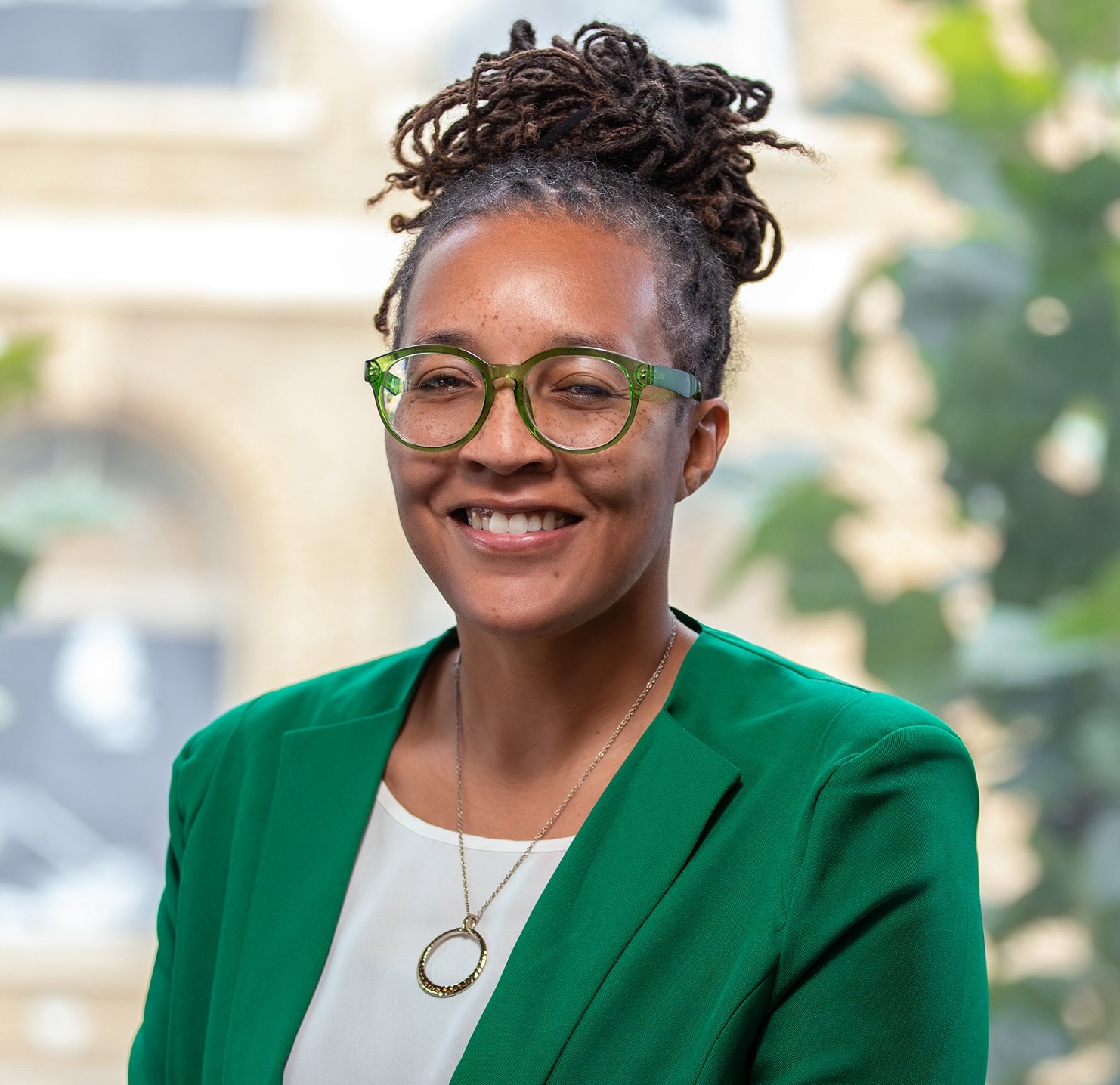
This CareLab episode explores the realities of family caregiving and why having a plan can transform overwhelming situations into manageable ones. Lindsay Friedman shares her journey from professional caregiver to navigating complex family care, highlighting that burnout often comes from handling legal, financial, and logistical responsibilities—not just physical care. The conversation emphasizes the importance of early planning, open communication, financial and legal preparation, and aligning care decisions with personal values.
Through real-life experiences, they show how proactive planning, clear roles, and the right support systems can reduce crisis moments and improve outcomes for both caregivers and their loved ones.
Key Questions Answered
Transcript
CareLab Podcast
Hey everyone, welcome to Care Lab. Welcome. What happens when you're caring for a parent, raising a child, and holding everything together in between? And then something unexpected hits. Most caregivers don't burn out because they don't care. They burn out because they're forced to make high-stake decisions without a plan. Today we're talking about what changes when you do have one and how the right support can turn consistent crisis mode into something you can actually manage.
Lindsay Friedman
Thank
CareLab Podcast
And I'm so excited that we are going to get to do this with Lindsay Friedman, who began her career as a nursing assistant and became a multi-generational caregiver. She's also now the founder of Care Bloom and LT CareNav and is building solutions that help families navigate long-term care and connect with the right support. So Lindsay, thanks for being here.
Lindsay Friedman
Thank
Lindsay Friedman
Thank you guys so much for having me.
CareLab Podcast
Would you start off just by telling us a little bit about your background and a little bit about your caregiver journey?
Lindsay Friedman
Yeah, so I started off, I right out of high school. I went into working in memory care. I'd always had this passion for it. And obviously I had no idea what I was getting into, but I truly loved it. I stayed there for several years and then having gone through hospice, working in assisted living, and I was really passionate. And I actually thought it was going to be a nurse. I did this while I was in business school and I thought it was going to be a nurse, but being a little squeamish turned out.
that was not the path for me. So I actually stayed working as a volunteer at hospice and then kind of started on a career path and had a career in between. And then when my grandma started to get sick, I was the perfect fit to take care of her because I had that experience. And I thought I was like all ready for this. I was like gung ho, I know exactly what I'm doing. And I walked into it and I went, this is not the same.
as a professional caregiver. There is so much more that goes into this, into family caregiving. It is so much more dynamic. There's so many more moving pieces. And my experience with my grandma is what led me to create Care Bloom. And then as the years have gone on, my parents have aged and I also have a chronically ill daughter. So I've taken kind of every aspect of caregiving.
CareLab Podcast
Yeah.
Lindsay Friedman
and have seen it from different points of view. So I really kind of have, I feel like a really good breadth of what we experience in this field.
CareLab Podcast
So I'm so glad you gave us a high level overview of all the different care points. And I want to like dig into this interesting part you said about how even though you're a trained caregiver professionally, you walked into your first caregiving situation, a family situation and felt unprepared. And so like what things can you pick out that you felt like were much different doing it for your grandmother than it was doing it for patients and clients?
Lindsay Friedman
So I think when you are doing it for family, you are navigating not just the ADLs. You are not just trying to understand what it's like to give a shower or toilet or what that daily care looks like. You're now trying to understand the legal pieces that go into this, the financial pieces. You are managing the doctor's appointments, the health, if you have other people helping you. You've almost become like a little CEO of what it takes.
CareLab Podcast
Yeah.
Lindsay Friedman
to overwrite, to like run this organization of care for your loved ones. And what I found, and it could just be because of my experience, that the actual physical care became the least tedious of the whole process. And I think that was something I wasn't prepared for. And I think that's what most families aren't prepared for is how many moving pieces and parts they're gonna be managing as they start to take this over.
CareLab Podcast
Yeah, I think that's a really great point that so often maybe we're concerned about like the, again, like you said, those physical aspects of the care, which I have to say you were actually uniquely qualified to do it though. And I'm gonna digress just a little bit here and then we'll get back to the whole point of conversation. But I just wanna say thank you for working as a nursing assistant.
Because nursing assistants are often like the unsung heroes of the care world and of healthcare in general. It's a very hard job. The pay is not great. And these folks are the backbone of how things get done. And there's often not enough support for them. So thank you for doing that very hard job. like shout out to you and to all of the nursing assistants out there that are doing this really, really important work.
and whose hearts are dedicated to this work, because nothing could happen without you. OK, now I'll get back to the conversation.
Lindsay Friedman
I love that you did that though because it truly is. These people deserve so much kudos and respect and we have to value them more. So I love that you just did that shout out.
CareLab Podcast
Okay, so my question is when you first began to realize that, okay, it's not actually the physical parts, it's all of these other moving parts that I'm having to manage that are becoming overwhelming. And you began to realize there wasn't a good system in place for that. How did you start to develop the idea for developing the resources that you now have for caregivers? How did you start along that path?
Lindsay Friedman
Yeah, this is actually really interesting is that I knew all of the struggles and that is even through all that I didn't have a good solution. That's why Cara Bloom kind of came first. And I wasn't sure if like I was the only one having these hard times. I was a little younger taking this role, which I see we're seeing a lot of younger family caregivers now. So I was almost like, I'm just not equipped. I don't know what I'm doing.
And so I wasn't aware that like more people had these issues until we started when Care Bloom finally started to take off and we were installing them in homes. I was getting all the exact same questions from families that I was feeling and in experiencing years past. And I went, it isn't just me. I'm not the only one who was having trouble with all of these with understanding options.
And that was when I really started to understand that the larger picture is hard it is to give physical care. Everybody's having trouble finding resources, understanding what options are available, understanding financial, all of these pieces. And that is when I set out to build LT Care Now was how do I build something that answers every question families are answering?
every resource, every piece of it. And that was really what triggered that was when I realized like, I'm not alone in this.
CareLab Podcast
Mm-hmm. Did you, so put us on a timeline a little bit. So you took care of your grandmother, also your daughter, and also your parents. And so is that like all happening at the same time? Is it like you started with your grandma and then things kind of evolved over time? And the reason I'm asking that is to understand like how you felt at each care stage. Did you feel more equipped because you did it with your grandma or did you have different challenges because their situation was different?
Lindsay Friedman
Yes.
CareLab Podcast
That's a question.
Lindsay Friedman
Every situation is different. And no, I'm not any more qualified today than I feel like that. It could just be self doubt. But I feel like I have plans in place now and I have that kind of great understanding. But every person you're going to care for is going to give you your unique challenges, your things you're going to learn to navigate. And my grandma had passed in January of 2017. So that'll give you it's
been almost were nine years, over nine years since that. So my parents have obviously aged and with that, and I also, my parents have multiple health issues, especially my mom. So that is challenging because my grandmother was already like in her nineties and she had also, she was like acquiescing to care a little bit, right? She was okay with that. My mom who's in her seventies now,
is still fighting it. My mom had to stop driving about eight years ago, so that was also why she was not the best caregiver for my grandma. She has MS. So my mom is still more fighting it just given her age. And that creates a whole other dynamic. How do you talk to your parents about things that I want to see her do, I want to help implement, and she's still like, no, this is not what we're going to do right now.
And my daughter has been sick for about seven years now. So we finally had diagnosis. I will tell you, taking care of your children, anyone who's doing that joint role of parenting and caregiving, I feel for you because it is a whole different level, especially when she's a teenager. And that changes everything because where do you give her the autonomy to start taking control of this? Because she is going to have to if she wants to have her life.
but also I'm struggling with her doctor's appointments and fighting through all of this. So everyone is different, like different troubles come with each generation you're gonna care for and understanding that and knowing that you can't treat it all the same.
CareLab Podcast
You said though, at the beginning of this, of when you were answering Brandy's very good question, you said everyone's different. You don't feel any more prepared now than you did before, but you have a plan. I want you to talk, if you can, a little bit more about like what, what, because we talk a lot about planning for things, but like, what do the nuts and bolts of that look like? And how does that actually make a difference? Even if you're not feeling as prepared to.
know, take on a role as, as of course we would all like to feel prepared. Yeah.
Lindsay Friedman
Yeah, so planning and what we do and what I focus on is actually planning for more elder senior care, which is probably why the whole thing with my daughter is still little convoluted because there's not as many great solutions out there. think it's still, they put it back on parents, right? But for my parents, it was interesting because I went with them to their financial advisor one day. I went with them and I had the conversation about, how have they prepared for your care?
CareLab Podcast
Okay.
Lindsay Friedman
And my dad's like, well, what do you mean? I was like, well, how they taken this into consideration? I was like, I'm going to go with you. And they didn't. They literally have a formula like most likely the husband will die first, then wife will need some care. And they put a small percentage towards that care. I was like, they didn't ask you that my mom has MS, that my dad's had two strokes, that my mom can't drive, that she can't do stuff. Like none of these things were put into their plan.
because all of that goes to level of care. They never asked my mom, do you wanna stay at home? What does staying at home look like for you? Does assisted living make more sense? What happens if one person's here and one's not? And I will say these are really, really hard conversations for adult children to have with their parents. Yes, I'm, yes, so do I. My parents push back even with me.
CareLab Podcast
Hmm
CareLab Podcast
Yeah, don't I know it.
Lindsay Friedman
And I'm writing a book right now that I'm almost done with. And I've been sending each chapter to my dad. I'm like, just take a read. He's a big reader. And he'll text me back, be like, I feel like this was something you're trying to say to me. Uh-huh.
CareLab Podcast (12:22.35)
I mean, if you feel like it flies, just say it.
Lindsay Friedman
They're the hard conversations. The whole book's about hard conversations and how to have them and how everyone needs to look at them. And it's really to bring open dialogue. And so I'm still working through it with my parents, but I have more of a plan for them. I wish I could get them to be more involved because what their involvement's gonna do is not make it so it's my plan alone.
CareLab Podcast
Yeah, because your plan around, because it's their life. Yeah, it's not because it's not about a single individual. It's actually it's not even about them as single individuals. It's about how your family is going to work together as a whole to make sure that everyone's getting their needs met in the best way possible, right? That everyone is living the life that they choose to live as much as they possibly can.
Lindsay Friedman
And yeah.
Lindsay Friedman
Yeah, and we had a moment like that was crisis. It was several years ago when my dad had his first stroke. My mom, I was already at MS. My mom already couldn't drive. She already needed help with things at the house. And my dad had a stroke. And it was all out crisis moment because we had nothing in place for what happens to my mom if my dad is now not there. Who's going to take her to see him in the hospital? Who's going to make sure she gets her shot? Who's going to do all these things? What if she has to go somewhere?
My sister and I were like all out panic. And so my sister and I now have like a thought of like, okay, if this happens, here's how we're going to act. And it will make it easier for the next time. I hope there's not a next time anytime soon, but having kind of these ideas of like emergency go packs, like, you know, we plan for so many emergencies. This should be one.
CareLab Podcast
So I think I hear you saying that one part of the plan was the money piece, right? It was super important. I want to dig into that too. But really it's about...
Lindsay Friedman
Thanks.
CareLab Podcast
have I thought through what could happen? And not necessarily that you had to use all these particular tools, organize your thoughts however you want to organize your thoughts, but have the conversations and think through if this happens, then we're going to do X, Y, or Z and like making sure you're prepared to do that. you know, having that with your parents, but also having that with your sibling. So because she's a part of that too. Would that be fair to say that like your planning was more about having the conversations and thinking through all the
dog process or is there something else that you haven't told us yet that you want to?
Lindsay Friedman
No, so I think when it comes to these emergency situations of who's going to do what, having that in place is the conversation and having that with siblings is a great first start. It's hard. Like my daughter is an only child and I feel for her because she's not going to have that kind of companionship or sometimes simulant dynamics are uncomfortable. So also realizing that if you're the one that's going to fall on what those meaning that looks like for you.
The financial piece I think plays an even larger role in it. And earlier planning, I will tell you having great financial planning in place for long-term care is going to make all of these other decisions a lot easier. Because if you can say, I've got this plan in place, I can just hire aides, it's gonna be easy, changes the dynamic as well. And...
That's a hard to have that in place is not always simple if you haven't planned ahead of time because it's expensive and life right now is super expensive. But there are a lot of options to make this possible.
CareLab Podcast
Yeah, let me ask another question. Yeah, yeah. Because I thought that, OK, so in my work, I've spent most of my time working with older adults and trying to help them age in place. And of course, all the things tie into that, right? So it can't just be my OTPs that has to be like, OK, who's your power attorney? And so in that,
experience, I've met a lot of financial planners. But I think that I have been defaulted to the ones that are used to working for Aging in Place because they all talk about the things that you said were not covered. And so I think I wanted to highlight that because not any old financial planner may be thinking about this in this comprehensive kind of way. And it might be important for the people who are listening to make sure that they connect with financial planners and clearly state that they will help you with Aging in Place.
because they had to ask extra questions that maybe they don't necessarily think about or are trained to do from the jump. I think I just been spoiled that all the financial planners I've been around have been really intentional about that, but maybe not like the norm.
Lindsay Friedman
That is definitely not the norm. And I think most traditional financial planners underestimate what care is going to cost and what people are going to need. And that there are so many options. And I think the other thing financial planners don't really get into is that, you know, there are great options with Medicaid. There's great ways to protect your assets and get there if that's part of it.
and really exploring everything that's out there. So you might need a team of people, but that's one of the things we try to do at LT Care Nav is we try to take your personal situation and tell you what options might work for you and point you in a direction of who can help. Because the situation you're in and the options you have are really dependent on where you live, when you're planning and...
how far in advance. So, and even your physical condition, like what is this gonna look like? We help you to predict what your care is gonna look like as well, and to get all the pieces in place.
CareLab Podcast
So I have a question for you and I don't know if this is a hard question or not. You tell me.
Lindsay Friedman
Okay.
CareLab Podcast
There is, I think, a difference between making a plan when you are in the same location or like in close proximity, I should say, to the folks that you are planning to be in a caregiving relationship with, right? Versus when you're going to be in a caregiving relationship with someone who lives far away from you, which I think is for many Americans is, you know, we're sort of our families are scattered all around.
Right? So is there a way that you educate people to think differently about those types of remote care situations or a different way that those conversations have to happen? Because, you know, obviously sometimes people say, well, it would be great if mom or dad could live near me and then I could do X, Y, and Z. But mom and dad don't always want to leave their home or their community, which is completely understandable at the same time.
Lindsay Friedman
So there's a whole other dynamic in place because if you don't live close, you're not going to be the one who's going to run when there's an emergency. So what you really want to start thinking about is who's going to do that? Who in my parents' realm of friends or neighbors, who can I rely on in that case? And sometimes the answer is no one.
And what does no one look like? Because no one means you have to either leverage social services, nonprofits, you have to really understand who is in the community that is offering these services. And there are a lot of services that are offered for free that you can find or for really low cost. And that's actually one of the things we do at LT Care Nav as well is kind of point you in the direction.
of what's available in your community by county. But the next step is also who can I hire? What kind of senior care advisor, what kind of person can I put in place? It might be a retainer, it might be an on-call thing. Who can I have in that moment of, okay, my mom fell, my dad doesn't drive, somebody needs to take this and that you can hire. And having that person before because when it's a crisis,
One, you're gonna be frazzled, you're not gonna figure it out, and you're not gonna figure it out fast enough.
CareLab Podcast
you
So, okay, we talked about the financial implications and having a plan in place for that, the emergency situations and thinking and talking those conversations out in advance. Are there any other key pieces to this planning part that you would like to have people draw their attention to? Yeah, we talk about legal. Good, yeah.
Lindsay Friedman
the legal documents. People get funny about this too. Like to have somebody in place to, who's going to understand your finances? Who's going to control that if something happens? That doesn't mean they get to take everything, but that's one piece of it. And also your health directives. Having these conversations. And if you, as an older person, have put somebody in place, have you told them? Have you talked through your wishes?
telling somebody, I'm gonna make you, give you financial control of all of these things and then not tell them where anything is. Like, do they know if you have a safety deposit box? Do they know where these documents are? Do they know where your checkbook is? Do they know how you do things? So when you choose the people who are going to help you in these legal situations, making sure they're clear on your wishes, understand what's going on and are able to jump in because the only...
These only go into effect when there's an emergency. So making sure those happen as well because there are lot of families, things fall through the cracks when these pieces aren't in place.
CareLab Podcast (22:22.2)
Can I, I'm going to add a little bit something or expand on that just a little bit about when you're having these conversations with people, for example, like for healthcare directives, going beyond, well, I want to live or I want, you know, no, don't want like going beyond big general statements, I think is really important to understand. And that doesn't mean that you need to even, you don't have to have a
Lindsay Friedman
Yeah.
CareLab Podcast
deep understanding of how healthcare works or what different procedures mean. Although talking about that with your doctor, I think is really, really helpful thing to do. So you do understand what these different things mean, but having an in-depth and detailed conversation about what you believe makes a quality life and how you want to live, I think is incredibly important because a lot of times people say, well, I'm not ready to go. You know, if don't pull the plug on me.
And that can be the extent of the conversation. But what we really need to know is what do you want your life to look like? What makes a life worth living to you? And knowing that there's not a right or wrong answer for that, it's just what the individual wants. But then in the case of an emergency, it allows the family to communicate better with the healthcare team so that as they're asking questions about, well, what does this procedure mean? What could be the outcomes of this? You can gear it back towards
What did this person say meant a meaningful life to them? And that way, I think it can help to eliminate a lot of the really difficult family dynamics that can come along with making emergency medical care decisions. And not just talking about it, but really having it written out after everyone comes to an understanding and agreement so that there's not things getting mixed up in confusion and emotions when that crisis moment comes.
It's all there, it's clear as day, and everyone can make sure that that person is gonna end up with as much as possible the outcome that they wanted for the life that they wanted to live.
Lindsay Friedman
Absolutely. It reminds me of a story. I took care of a man who was about 55 at the time. He had had a series of strokes and his mother and sister were like, anything we can do to save him. He ended up being in a coma for a long time. He didn't have anything in place because he thought he was young enough, right? And he was a brilliant psychiatrist prior to all this.
And when he woke up from the comas, I'm not a doctor, I don't know what happened, he was shaking uncontrollably, his speech was slurred, he couldn't stand up on his own. And I would go to shower him, I would go a few days a week to do kind of all of the stuff that his sister couldn't do, she had him at home. And he would say every single time, they should have let me go.
CareLab Podcast (25:26.03)
That's hard.
Lindsay Friedman
And I will tell you, it was awful. I felt so horrible for him. I had great conversations. He was a very kind man, but every single time it was, they should have let me go. And so these conversations don't even just have to be as we age. These can be with our spouse or our partner as we're younger because, younger meaning we're getting to the age, right, where things can happen even.
and having those kind of things in place, because I agreed with him. I wouldn't have wanted to live the way he was living.
And these are personal choices. These aren't for our family to decide. Our family can't say, I just want you here. And that was what his mother did.
CareLab Podcast
but also without the direction of knowing how he would want to feel about it, right? And so not only does talk, like, I guess we should address the fact that this is uncomfortable to talk about. Yeah. And it can feel hard. However, when you do it intentionally in advance, it's a lot easier to deal with compared to that situation, for example, when we're in the heat of the moment, the thing has happened, we don't know what to do. Well, I want my person to be here, right? Or this is what I would want that makes me feel better, even though that may or may not be
what that person wants. So it's actually giving a gift to your family to be able to like have the things laid out and have the conversations so that you so they know what to do. All they have to do is operate off of the plan that you created. And so I like to try to frame it that way. So it doesn't feel like we're talking to you about the end of your life. And this is the end, right? It's supposed to like, just like everything else in life, we're making a plan, we plan to go to college, we plan to get a job, we plan for having kids like we
Lindsay Friedman
it.
CareLab Podcast
also plan what we want to see the end of our years looking like so that they can be as quality as possible, like, and live the way that you want to. And we did this together with my parents because I'm the oldest and I talk about this all the time. So how hypocritical would it be for me to not actually deal with it? Right. And so we're at a great place where we can talk about it talk about how they feel about things. And I thought I knew a good amount.
Lindsay Friedman
you
CareLab Podcast
But when I pulled up an actual, the forms themselves, it actually brought out into ask questions that I wouldn't have thought to ask if I was just like doing it myself. Like, I don't know how I would do it myself, but don't do it yourself. Like pulled up something that's already there. So you can just, it's just asking the question. It also helped it not be as personal, right? I wasn't asking the form says, what do you, how do you feel about what happens after you're in a coma or how do you feel about life support?
Like I was just reading the questions and they were dealing with the answers that they want to have. Right. And while they were still, you know, not the easiest thing to do, it certainly went a little bit better because we had like a neutral party. The piece of paper was the neutral party. So like actually make sure we hit all the bases and like talked about all the things and like dealt with it in an objective as much as possible way. And now that thing exists. Right. And so we know how they feel about what they want to do.
And like, what a weight off your shoulders. You don't have to worry about that. Yeah. Sometimes I think we go around like carrying this weight we don't even know we're carrying because we have these worries. We don't know what we're going to deal with. And we just kick it down the road and having that plan in place, just knowing what a relief, right? The last thing any of us need is more stuff to worry about, more stress. Exactly.
Lindsay Friedman
No. And that's what we're really hoping to do is really kind of give some peace of mind in every aspect of this, or at least point you in the right direction to start having the conversations and letting you know who's here to help. Because that's the other thing is this industry is full of great people who can help. There's also some less reputable people. So yeah, so this is when I would tell you, make sure you pick the right people when you do decide to get help.
CareLab Podcast
this.
CareLab Podcast
That's your two.
Lindsay Friedman
If you use like a piece of paper, it's a great starting off point to even take to a professional.
CareLab Podcast
Well, Lindsay, obviously you made some incredible resources. First of all, thank you for doing this really hard work because it's not easy work to do. Second, where can people find you and your resources?
Lindsay Friedman
So you can go to ltcairnav.com and if you go backslash podcasts, we're actually giving away a bunch of free stuff, some eBooks and really that you can contact me and also get some free goodies on that site.
CareLab Podcast
Okay, and we will link that in the show notes as well. So whether you're watching this on YouTube or you're listening on Spotify or any other podcast streaming platform, go down to the show notes and you can find that link directly in there along with some other resources. If you made it all the way to the end of this episode, please take a moment to like, subscribe, comment.
Lindsay Friedman
Okay.
Lindsay Friedman
You
CareLab Podcast
leave a review. This is the best way for us to make sure that we're growing our audience so we can reach more people with this really, really important information that, listen, everybody needs, everybody needs. So please take a moment to do those things right now. Lindsay, thank you so much for being on this episode of Care Lab. We really enjoyed the conversation. And again, thank you for the fabulous work that you're doing.
Lindsay Friedman
Thank you.
CareLab Podcast
Bye, everybody. Bye.
Do us a favor and subscribe to the CareLab podcast on YouTube, Spotify or Apple Podcasts! It will help others find our conversations and grow the community and you’ll stay updated with the latest insights and expert advice on elder care.