
Summary
In this CareLab episode, Nancy Gillette of Pocket RN explains the new Medicare GUIDE program (Guiding an Improved Dementia Experience), a fully funded dementia care initiative designed to support people living with dementia and their family caregivers. The conversation highlights how the program provides care navigation, caregiver education, respite care, and ongoing support through a dedicated “nurse for life” model. The episode also explores how GUIDE is changing dementia care by reducing unnecessary hospitalizations, improving caregiver confidence, and helping older adults remain safely at home while giving caregivers much-needed support and resources.
Key Questions Answered
Transcript
Brandy Archie
There is a Medicare program running right now that could give your family a Dementia Care Navigator, 24-7 access to a support line, and, sorry, I totally messed up. I'm gonna start over.
There's a Medicare program running right now that could give your family a Dementia Care Navigator and 24-7 access to support, as well as some access to respite care. And it's called Guide. And most family carers will have never heard of it. And that's not an accident. It just happens to be new. It's quietly rolling out through specific provider organizations. There's no ads about it. But today we're fixing it and we're telling you all the tea. We're going to walk you through what Guide actually is, whether your loved one qualifies, how to find a participating provider.
and understand why this model even matters, even if you never enroll, because the way Medicare pays for dementia care is finally starting to change. And caregivers who know the landscape get better care for the people that they love.
Emilia Bourland
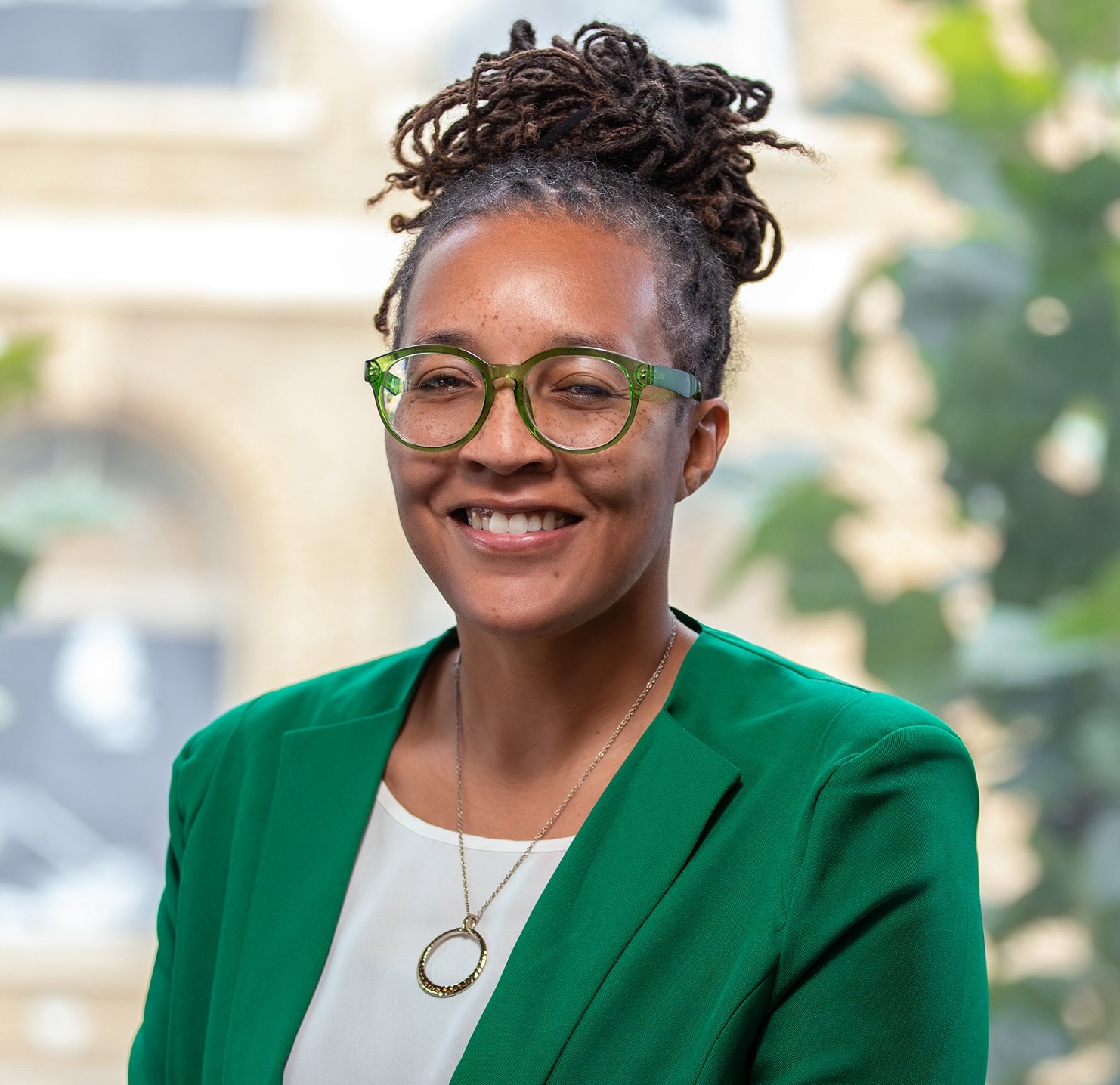
And to help us kind of navigate this conversation, we have here with us Nancy Gillette. Nancy is with Pocket RN. She's a dynamic healthcare executive with more than two decades of experience driving transformative growth across the post-acute care landscape. She's known for her strategic vision and operational excellence. She has multiple C-suite roles where she's consistently led organizations to scale, innovate, and accelerate expansion and deliver mission-driven results to take better care of people.
She joined Pocket RN at a time of really unprecedented challenge and opportunity in healthcare. With rising demand for aging in place solutions and a critical shortage of nursing professionals, she is leading the change and the charge to reimagine care delivery. As chief growth officer, she's overseeing all growth strategy and partnership development, including the development of a national network of partner organizations supporting Pocket RN in the delivery of care.
under the Centers of Medicare and Medicaid Innovations Guide Initiative, which is an ambitious effort to improve dementia care for patients and family caregivers in all 50 states. Nancy, thank you so much for being on Care Lab here with us today.
Nancy Gillette
Thank you for having me.
Brandy Archie
So Nancy, can we start at the very beginning and talk a little bit about what is the guide model? Why are we doing this? what are the important things that family caregivers should know?
Nancy Gillette
Yes. So let me start off by saying that GUIDE is an acronym and it stands for Guiding an Improved Dementia Experience. It is a fully funded Medicare program for Medicare beneficiaries who have dementia. And with Pocket RN, it's a seven year demonstration project. So when people are enrolled into this program, they can be in this program for the seven years that this program is going on.
And it's again, like I said, fully funded. So there are no co-pays, no deductibles. It is 100 % free for not only these patients and families, but also for the partners who are delivering care.
Pretty awesome.
Emilia Bourland
Wow, that's pretty incredible. Okay, I have lots of questions about that, but I don't wanna get too like nitty gritty into the weeds. Can you, there is a lot of excitement about guide. Can you just live like a very basic explanation of like, how does guide actually help people? How does it make a daily difference for folks? Yeah.
Brandy Archie
Has it worked?
Nancy Gillette
Yes, that's super important. So a lot of times people think that guide is just synonymous with respite care and respite care is a very important component of the nine care delivery domains. Eligible families who have a family caregiver that have moderate to severe complexity dementia could potentially qualify for the 72 hours of funded respite through the Medicare benefit. And we have home care partners, we have adult daycare centers.
And we do work with some senior living communities who all can deliver that level of care based on which opportunity the family prefers, whether they want home care or to go to adult daycare. So that's really exciting to get some relief. The first thing I always like to say is this is a seismic shift in the industry because home care has never, or respite care in general, has never been covered by Medicare for people with dementia. So even though 72 hours isn't a ton,
It's more than they've ever done before, which definitely means that Medicare is moving in the right direction and starting to value the family caregiver, which is so much of what Guide is really designed around supporting. It's that family caregiver who is oftentimes unpaid and untrained that all of a sudden is thrown into caregiving and is not prepared.
and their loved one has dementia and it's very overwhelming. And if you don't know what resources are out there, you're just trying to navigate this all yourself. So guides really designed to support these family members in helping their aging loved one in their journey for however long that would be, but it's not just the respite. So our nurses, we have a model of care where we call it the nurse for life model. And so once we match a nurse to a family,
they're gonna have that same nurse throughout their entire journey with Pocket RN. So it's a trusted relationship. It's someone who gets to know you, right? The nurses in our families, we call them the nurses in our pocket, hence Pocket RN, you know, that you call whenever something goes wrong and you ask questions to while having a familiar face that you can trust, that can support you has been extremely beneficial in this program. We've seen some tremendous outcomes, which we can talk about in a minute.
Nancy Gillette
But those nurses create a plan of care for the family and for the patient with dementia. We have ongoing coaching and teaching. We have a partnership with Navon that does family caregiver training. We created family caregiver training for unpaid, untrained caregivers. And since July 1, we've had over 3,000 family members use this training and take over 13,000 hours of education. That's all designed by our clinicians. Isn't that crazy?
Emilia Bourland
Wow.
Brandy Archie
That's crazy and amazing. I have multiple questions. So I do want to answer two questions. One is, I'm not counting as my question, it's the question for the audience, which is, can you just take a step back and explain what respite care is?
Emilia Bourland
Yeah, wow.
Nancy Gillette
Yes.
Nancy Gillette
Yes, so respite care is, I'll talk about it in terms of what home care is. For example, if you are a family caregiver and your loved one has dementia, you might not be able to leave the house because you can't leave this individual alone. And so you're always on call, if you will. You're always trying to support that individual. And respite is an opportunity where
We could, for example, bring in a home care agency that's under partnership with Pocket RN who could come into the home for four hours or eight hours or more and give you a break. So we have some families that will sign up for an eight hour Friday once a month so they can go have lunch with their sisters. We had a family that told us that she had not been able to go to, was not gonna be able to go to a wedding for one of their family members and use the respite hours over a weekend.
they could leave and go to the family wedding and said that would never have happened. Sometimes people are using it to have their own healthcare taken care of. I was just digging through all kinds of user stories last week and we had a family member that was the primary caregiver for the dementia individual and that the caregiver needed heart surgery and had been putting it off because they had, couldn't leave this person alone. And so was able to utilize the respite money to go and have procedures done.
Emilia Bourland
Nancy Gillette
that were life-saving procedures for the caregiver. So, I mean, it's just the fact that there is this support for families has just been monumental.
Emilia Bourland
I wanna talk about, sorry, go ahead, Brandy. You gotta follow up? Okay, sorry, sorry, sorry, go ahead.
Brandy Archie
two questions. That's why I said that front. So okay, so now that you defined respite care and why it's important, it would be really helpful, but just to what you also said about the caregiver training aspect of it. Was this required for the caregivers to do in order to be a part of it?
Nancy Gillette
You
Brandy Archie
Did people sign up on their own because they wanted to learn more things? And how have you seen that implemented? if you have any stories of how that has been helpful, that would be great.
Nancy Gillette
Yeah, so there's two components of caregiver training. So I'll start with the family caregiver training. So we saw an opportunity. I've worked in the home health side of things as well. So I've worked in the medical and non-medical nursing side of care in the home. And I realized that family caregivers often, they go to Dr. Google to figure out how to navigate things. And as much as we love Google, sometimes that creates a Pandora's box for families because they start finding all this stuff.
that's not necessarily relevant to what's really going on clinically with their loved one. And so at Puck and RN, we really wanted to be able to create this education around dementia, around this disease process, giving families tips and tricks of the trade that were clinically vetted by our clinical teams. So it's not searching greater Google and your group, but this content has all been created by physicians and nurses and nurse practitioners that have dementia care experience.
And it's also created differently than other traditional trainings because family members are busy and they can also only retain so much information. Right. So these trainings are designed to be shorter, more condensed and more like some of them are TikTok videos, you know, where we can reinforce what you've learned in the module with a quick video to help you understand how to digest it. Whereas there's a second component of the training.
that is really for paid agency caregivers. One of the requirements under guide is that anyone that's providing the respite has to have completed the direct care worker, dementia care worker training, the DCW training. And so through the partnership with Navon and Pocket RN, any of our partners that are signing up to provide the respite care on our behalf have access to this dementia training through Navon for free.
And so there's two components. There's a family education and training component, and then there's a paid agency caregiver training component.
Emilia Bourland
That's, I mean, I think that's really fantastic because honestly, the more educated we can, the more educated that people can be, the better decisions that they can make and the more empowered they are along their care, along their care journeys. And of course, you know, no one has a greater impact on the health outcomes of the people they're caring for than that care partner, right?
Nancy Gillette
a million percent. And the thing is, you know, it's like, sometimes stuff happens in the middle of the night when you can't reach anybody, right? And so the knee-jerk reaction prior to this model of care was mom and dad get in the car and we go to the emergency room or to urgent care, right? Now you can say, wait a minute, I can take this module and it's going to reinforce what I'm forgetting because I'm overwhelmed in the middle of the night and I'm tired and I don't remember what the nurse told me or I don't remember what the
that they told me at a discharge the other day, and you can take a training instead of having a knee-jerk reaction. And we have definitely seen through this program a minimum reduction in unnecessary hospitalizations of 30%. So not just with Guide, but with all of our patient population at Pocket RN, we're seeing a 30 % minimum reduction in unnecessary utilization of inpatient stays, which is huge.
Emilia Bourland
Wow, that's huge. You talked about another term earlier that I think would be great to kind of define for folks who are not part of the healthcare world already. And that term was care plan. You talked about people being able to utilize their nurse through Pocket RN in putting together a care plan. What does that really mean and look like for someone who has dementia?
Nancy Gillette
Yeah, so really understanding what the family's goals are. Do you want to live the rest of your days in your private home? Is senior living on the table? Have you thought about your advance directives? Have you done all of your estate planning? There's so many things that people don't really think about that are very valuable and important to take into consideration.
You know, have you seen your neurologist in a while? Do we need to get you an appointment to follow up and see an in-person clinician? You know, we always say we're not trying to replace any of the in-person clinicians that you're working with. In fact, we're advocating and supporting you actually going to those appointments and really stressing all the reasons why seeing your in-person neurologist or in-person geriatrician is so valuable and important. And again, having that trusted nurse who understands
what's going on in between those appointments and visits and encouraging you to go to those appointments has been extremely rewarding for these families because again, it takes a village. You know, I remember they used to say back in the day, it took a village to take care of children. Well, I'm also saying it takes a village to take care of seniors. And there's no one of us that can do it all. These families need a ton of resources.
And even if every single person, a home care agency, a home health agency, an in-person physician, and a virtual nurse are all collaborating together, we're still costing less than two days of hospitalization, right? So these are all the resources that we can collaborate and that guide encourages us all to work together to care navigate and care collaborate for these individuals.
Brandy Archie
One of the, that's super important because, and to dig into that a little bit more, one of the things you said earlier was that you get a nurse for life. And so as a person who has seen some of the same patients in my private practice over years, like treat them for a while and they come back to me after a while, I know the value of having that experience together and to have context as opposed to only dropping in at this moment and then not seeing this person again. And so I wonder if you have any,
like why was it important for y'all to stick put your stake in the ground you could have just you know maybe tried to do it if you felt like it but not like say it out loud and so like why was why did it feel important that that was gonna be like a pillar in inside of pocket already
Nancy Gillette
Yeah, I mean, I'm just going to draw from my personal experience as a provider on the other side. know, back in my prior life, I took care of a lot of medically fragile children in the agency I worked in. And something I learned pretty quickly was that if that nurse left my agency, didn't matter where the nurse was working, that family was following that nurse because that relationship is not transferable. And additionally, you know, we also saw the opportunity in the telemedicine, telehealth world that it's
Brandy Archie
Yeah.
Emilia Bourland
Mm.
Nancy Gillette
you know, very hard to see the same clinician. mean, even if you have a visit, and this was my personal experience, I had a visit, we called back because something, I needed something right after the fact. I could not get to that same clinician to even ask a question. It took me three hours to even get someone to even get a message. It was very frustrating. And we also knew that if you really, you know, think about home care specifically or home health, families don't want, I always say Groundhog Day, right? They don't wanna relive their story every single visit.
The expectation is that when you send someone into the home, that person should know exactly where to pick up where someone else left off. And oftentimes that doesn't happen. And families would complain to me all the time and say, I want to have the same nurse. I want to have the same caregiver because they understand how to handle my mom. They understand like little things aren't big things and they know how to redirect that behavior. And so it was very important for us in the early stages at Pocket RN.
to really redefine the category of telehealth and telemedicine, to really take best practices from what we do in person and create that in a virtual, scalable way so that we could support more people and also by valuing the very much needed in-person clinicians that we need more of and we just don't have them. I mean, you mentioned it earlier, but one of the things I always like to mention is that there are...
In the United States, 50 % of nurses are over 55. Our nursing school enrollments are at their lowest level of all time. It's not that people don't wanna be nurses. We have no one to put them through class and education to become nurses. And 11,000 people a day are turning 65. And so it's not just the silver tsunami, it is a crisis. We don't have enough caregivers. We don't have enough nurses. We don't have enough doctors.
And we have a very rapidly aging patient population that can't just have a transactional healthcare delivery model. It really needed to be something different. And so we really decided as a team that it wasn't going to be easy. As you say, it's extremely hard, but that we knew that the value was there. We knew the outcomes would be there and we knew that it would be sticky. I'm super proud to say that we are at a 91 net promoter score with all of our patients and families across all of pocket RN.
Nancy Gillette
People love this and they say to us every day, this is how healthcare should be. Not rushing in between visits, not seeing different clinicians, but really having someone who advocates for you, who understands you, who cares for you, who supports you, and who keeps you healthy and more proactively at home.
Emilia Bourland
Yeah, I think that's so, so powerful. And I think that something that pocket RN is doing that is really, it's on one hand, it's a very common sense thing. On the other hand, we don't do things by common sense and healthcare in this country very much. And so it's, really innovative. And I think it was me a lot of hope for the profession of nursing, but also for other, you know, expert level healthcare providers like.
occupational therapists, like speech therapists, like physical therapists, that when we, obviously we have to have doctors involved in people's healthcare, right? But when we say a doctor does not have to be involved in every single interaction here, like a nurse can handle this, and frankly, a nurse can actually handle this better than the physician could, because they understand more of what is going on in the needs at these particular levels, or the OT or the PT.
they not only can handle this, but they can actually handle these needs better and allow people essentially we call this direct access, right? When we allow the population to get direct access to the actual expert that they need, it eliminates so many of these bottlenecks that we have in healthcare that can make it so much harder for people to get access to who they need and to the services that they need.
And at the same time, it actually also helps to produce opportunities for these incredibly important providers that we have, like nurses, right? Like therapists, like social workers, like pharmacists, right? We have this incredibly diverse group of experts in healthcare.
that it is really, really hard to access. And when we create opportunities, like Pocket RN is doing a phenomenal job of creating opportunities for both the nurses by providing that access, it's good for everyone because then, you know, we are encouraging people to go to nursing school, which encourages more nursing schools to open, right? And the same goes for all of those professions as well. So I just want to highlight that
Emilia Bourland
That level of innovation I think is so important, both for patient care now, but also for our healthcare infrastructure in the long run. Can you talk a little bit more, maybe, I know I've talked probably too long about this actually, but I think it matters. Can you talk a little bit more about that and how Pocket RN is kind of changing the game in that way?
Nancy Gillette
Yeah, for sure. So one of the other care delivery domains is really resource allocation where you're helping families understand what support services are out there. So we have a social worker team that is helping families understand how to coordinate getting a specialist, for example. Many of these patients have multiple comorbidities. So maybe they need a diabetes educator or maybe we need to get them into an endocrinologist.
So we're doing a lot of that care navigation and advocacy work with these families. Dementia patients, as you know, they fall and they fall a lot. And I always say, what a horrible way after you break your hip when you're 85 years old to spend the last year of your life potentially, right? So, you know, getting therapy services involved, OT is so huge for this patient population and families don't even realize what PT actually does. You know, a lot of times they think it's just for athletes and...
And no, know, making sure that people have some strength and balance and, you know, home exercise programs. And these are things that the caregivers are actually helping with during the respite visits. Sometimes it's the adherence to the home exercise plan and you have a caregiver that's helping the family and the patient actually do the exercises, right? So they mean that's been super beneficial. But it's really nice to see that Medicare is identifying the fact that healthcare is difficult.
I mean, I've been doing it for 30 years and even when it's my own family, like forget everything I know. know, once you're emotionally attached to the patient, it's so overwhelming and I've been doing it forever. But a lot of people have never been a caregiver before and we typically learn the right things to do by making all the wrong mistakes, right? We end up in the hospital a bunch of times and then we learn, I shouldn't have, you know, created a salty diet for that CHF patient.
Maybe I need to reduce their fluids, but I didn't know that. And so now I know because I made the mistake and there's definitely a better way to do all of this. And this program is really supporting these individuals and families to be, you know, coached and taught what to do without having adverse effects, which has been massive.
Brandy Archie
So one thing you mentioned is that this is kind of experimental, not the care model itself. Like we know that works, you already have the data, but the guide program, right? And then it's gonna last for seven years. First of all, do we still have seven years to go or did it start a couple years ago?
Nancy Gillette
Yes. No, so we started July 1 of 2025. So this upcoming July 1 will be our one year anniversary into the program. So after that, we'll have six more years. There was an early track that went live for providers that had been in business for more than five years, servicing more than 500 dementia patients. They went live July 1 of 2024. So for them, it was eight years. For us, it was seven years because we were a newer one of the newer track companies.
Brandy Archie
Okay.
Nancy Gillette
And so I should mention a couple of things about how people qualify for this program, because I think that's very important. So the first thing is you have to have traditional red, white, and blue Medicare, not a Medicare Advantage plan. Medicare Advantage patients are excluded. You have to have a dementia diagnosis. It does not matter what kind of dementia. All dementias qualify, which is super nice. You can not roll onto hospice.
Brandy Archie
Yes.
Nancy Gillette
So if you're in hospice, you're excluded from the program. So Medicare Advantage and hospice, you're out. You can be on palliative care though, which again, people with dementia might be in a palliative care program. They can still be into guide until they roll to traditional hospice. And you cannot be in a PACE program, which is a program all encompassing care for the elderly where they basically take your Medicare and Medicaid benefits and they roll you together into one plan. And the last thing you cannot have is live in a long-term care nursing home.
Now, you can go to subacute rehab. And so if someone goes to the hospital, has a surgery, discharges and goes to rehab for up to 100 days, that's okay. And we can even enroll you in the guide program while you're in the subacute rehab facility. But if on day 101, you cannot discharge back to your private home or your senior living community, which includes independent living, assisted living and memory care, which are all not excluded in this program. You can live in those environments.
then you can be still in guide.
Brandy Archie
Okay, that's really helpful to I mean, there's a lot of not a lot of jargon. If y'all don't understand, you should put something in the comments. But it is clear to like see that you need to I just want to this one distinction because I've had so many people do this. It's like, oh, I have a red, and blue Medicare card. And you also have an Aetna card. Okay, so you can't have two, you need to have only the one because that's how you know that you only have traditional Medicare. And then maybe you have a supplemental so like that's the key. That's a key factor here is that you because I think it's important to say that out loud.
Emilia Bourland
Yeah.
Brandy Archie
because more than 50 % of older adults are on a Medicare Advantage plan currently in this country. make sure you're on regular Medicare and not working with another provider. And then for the most part, if you're living at home and except for a few circumstances like can't be on hospice and you can't stay in rehab, like live in a nursing home, then you pretty much can qualify for this model. So then can you take it one step further and tell people how they would connect or get into guide or their limited amount of access spots?
So like how do, if you hit all those markers, how do you do the next step?
Nancy Gillette
Yeah, so it's super easy. You can go to our website, is pocketrn.com, and there is a phone number there where you can call us. You can email us at guide at pocketrn.com if you want to speak to an intake specialist. You can call in and talk to our support team and we'll get you routed. You can work with one of our providers. So it's super easy to get enrolled. We check eligibility for you too. So if you're not sure if you have traditional Medicare or not,
You can still reach out and we'll let you know if you do or do not have traditional Medicare. So it's super easy. And again, this program is fully funded. So there's not even a copay or a deductible or anything to be enrolled in this program. Everything is 100 % funded by Medicare. So it's completely free. And a lot of beneficiaries got letters in the mail at the end of December.
that told them that they qualified for this program. And I've had several people even call us and say, is this even real? Is it a spam email? Or am I getting a spam letter? Like, is this, you know, because it's almost too good to be true, but it is real and it is true. And we are a national provider for this program. We're one of the few. So we have a hundred percent of the United States covered for zip code coverage. So even if you're in Alaska, we have providers that can help you with respite, even in Alaska and Hawaii and all across the United States.
So you don't have to be in a big metro area to work with Pocket RN. We have partners even in rural America. And some of those people need this the most, right? So we definitely encourage you to call, email us, go to our website. All the information on how to reach us is there and you'll hear from us right away.
Emilia Bourland
Well, thank you so much for the work that you're doing at pocket RN. This is really, really, truly just such a game changer. And like the guide program is such a, listen, we don't always get things right. A CMS does not always get things right, but this is a really good thing that is truly helping to change people's lives and make people healthier and safer and improve their quality of life. So.
Nancy Gillette
You
Emilia Bourland
What an incredible resource and how wonderful, you know, to be able to access it so simply through Pocket RN. Is there anything else that you think people should know or understand about the guide program or about Pocket RN before we kind of wrap up today?
Nancy Gillette
I think just the one other thing I like to mention is, you know, because a lot of times people have had home health in the past and they feel like I have to be homebound or it has to be intermittent, I need a physician order. You don't need any of that. So, you all you have to have is the Medicare number and dementia of any kind. And we just need a note from your physician or any kind of documentation that you have.
discharge summary, anything that you have that supports that you have dementia, and then we can get you started. So I think that's one thing. It's super easy to be enrolled in this program. They made it a very easy lift for people to be included in the program. So we're very excited about that. Because sometimes when it's hard to figure out how to get enrolled, people are like, I don't know how to do this. And it just becomes too cumbersome. Yeah, there's no barrier to entry. It's super easy.
Brandy Archie
It's a barrier. Yeah.
Brandy Archie
Well, thank you so much for being on and I hope that you also come back in maybe another year and let us know how things are going, but also what pieces of advocacy can be done too, because I'm guessing around next year or two, we're gonna need to be telling people our experiences so that this can not just be ending in seven years, but will continue to be a part of the way CMS actually works for forever. I'm super interested to see how this transpires and hopefully you come back and talk to us again.
Emilia Bourland
amazing.
Nancy Gillette
We are definitely all about that. I'm actually going to the Hill next week for advocacy days to talk about all that we have seen in this program so far. And everything is pointing up. Every single thing is pointing up. So it's really exciting. care is definitely moving into the home, even with hospital at home, this guide program. I feel like CMS is getting it right right now. And I will say they've been phenomenal to work with and are definitely thinking out of the box and innovating, which is so exciting.
Brandy Archie
Beautiful.
Nancy Gillette
The future can be bright for all of us. So as I age myself, I get very excited about all the new innovations that are happening.
Emilia Bourland
That's amazing to hear. Thank you so much again for coming on and speaking with us today at CareLab. Dear listeners slash viewer, if you made it to the end of this episode, please take a moment to like, subscribe, share, follow, share this with someone that you think could benefit from this really important information. And most importantly, please leave us a comment or review. That is the best way for us to reach more people with the kinds of
helpful information and resources that we do our best to put together for you here on CareLab. Until next time, we'll see you right back here next Friday on CareLab. Bye.
Brandy Archie
Bye everybody.
Nancy Gillette
Thank you. Thanks, everybody.
Do us a favor and subscribe to the CareLab podcast on YouTube, Spotify or Apple Podcasts! It will help others find our conversations and grow the community and you’ll stay updated with the latest insights and expert advice on elder care.