
If you've ever sat across from your mom or dad with dementia and not known what to say or do, the answer isn't another conversation that relies on memory — it's an activity with no rules, no right answers, and no way to fail. Hodeeay cards (pronounced "ho-dee-ay," meaning "this present day") are a photo-based card game with no rules, designed specifically for people living with dementia. They turn awkward, silent visits into real moments of connection — and as an occupational therapist, they're one of the simplest, most dignity-preserving tools I recommend to caregivers.
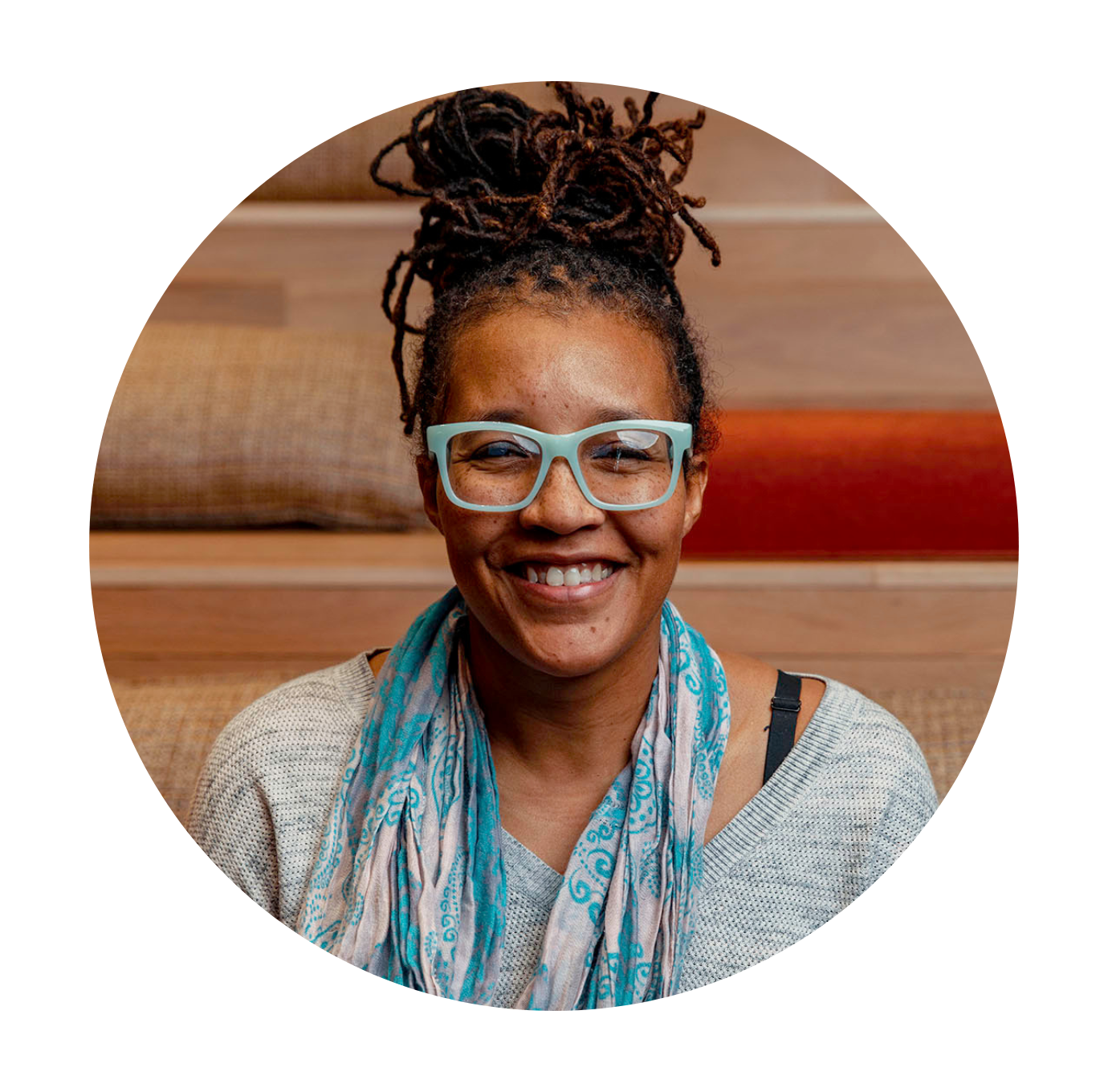
I'm Dr. Brandy Archie, occupational therapist and founder of AskSAMIE, where we help make everyday tasks safer and easier using OT-approved tools. Below, I'll walk through what to do when memory isn't on your side, why a rules-free card game works so well, and exactly how to use Hodeeay cards with your person.
What Do You Do With Someone Who Has Dementia When They Can't Remember Anything?
The best thing to do with a person who has dementia is engage them in an activity that lives entirely in the present moment — one that doesn't rely on remembering names, dates, or stories. Look at pictures together. Sort objects by color. Touch, hold, and describe what's in front of you. The goal is meaningful engagement, not memory recall.
When memory is the unreliable ingredient, traditional visits get awkward fast. You ask, "Do you remember when…?" and the silence stretches. But the present moment is always available. Anything you can see, hold, sort, or describe right now becomes a successful activity — because there's no "correct" answer to forget.
That's the principle behind Hodeeay cards: play without rules, conversation without pressure, connection without memory.
What Are Hodeeay Cards?

Hodeeay cards are a photo-based card game with no rules, developed specifically for people living with dementia and the people who love and care for them. Each set contains 20+ pairs of square photo cards featuring clear, bright, vibrant images by a single photographer. The name "Hodeeay" comes from Latin meaning "this present day" — a nod to living in the moment.
Available themes include:
• Antique and classic cars — colorful, familiar vehicles that often spark memories for older adults
• Birds — songbirds, herons, raptors, and waterfowl in vivid color
• More themes coming soon
Each card has a prompt on the back (for example, a "1937 MG Roadster" label) so you don't have to know anything to start a conversation — flipping the card over can be its own spark. The cards are small enough to slip in a purse or pocket, durable, and easy to handle. They retail for $25 a set at AskSAMIE.
Why Rules-Free Activities Work Best for Dementia Patients
Rules-free activities work best for people with dementia because they remove the possibility of failure. Traditional card games (rummy, gin, solitaire) require working memory, sequencing, and rule-following — exactly the cognitive skills dementia takes away first. When the rules disappear, so does the frustration.
As an OT, here's what I look for in any activity for a person living with dementia:
• No rules to forget
• No "wrong" answer
• Something to do with the hands
• Visual and sensory richness
• Age-appropriate (not childlike or condescending)
• Preserves dignity
Hodeeay cards check every box. That's why they're so effective whether your person is in early-stage dementia or late-stage cognitive decline.
6 Ways to Play Hodeeay Cards With Your Loved One
There are no rules to Hodeeay cards, but here are six caregiver-tested ways to use them:
1. Match the pairs. Every card has a duplicate. Lay them face-up and match. No timer, no scoring.
2. Flip and match. Turn the cards face-down and play a memory-style game — at any pace, with as many "do-overs" as you want.
3. Talk about the pictures. Hold one up and describe what you see. Let your person take the lead if they want to.
4. Sort by category. Group by color ("white cars over here, blue cars over here"), era, or anything else.
5. Stack and shuffle. The simple motion of shuffling or stacking is calming and engaging, even without conversation.
6. Read the prompt on the back. Each card has a label — flip it over to spark a new direction in the conversation.
You don't have to pick one. Start with whatever feels right and let your person lead.
Are Card Games Good for People With Dementia?

Yes — card games can be excellent for people with dementia, but only when the rules are simplified or removed entirely. Traditional rule-based games often cause frustration and feelings of failure. Rules-free photo cards like Hodeeay provide the same benefits (tactile engagement, social connection, visual stimulation) without the cognitive demand.
Research supports the use of social and leisure activities for cognitive engagement in dementia. Activities that combine a physical component (handling cards) with a social component (talking, sharing) tend to be most effective at sparking moments of connection — even in later stages of the disease.
What Makes a Dementia Activity "Meaningful" Instead of Busywork?
A meaningful dementia activity preserves dignity, engages adult interests, and creates real connection — it doesn't simply fill time. Busywork (childish puzzles, coloring sheets meant for kids, activities the person would have found beneath them before dementia) can feel condescending and erode trust between you and your person.
OT Insight: When I'm choosing an activity for a person living with dementia, I'm always asking — would this feel meaningful to an adult? Not busywork. Not something designed for kids. Something that preserves their dignity and actually sparks a real moment.
Hodeeay cards pass that test because:
• The photos are gorgeous and adult — vintage cars, beautiful birds, real photography
• There's nothing patronizing in the design
• Every interaction — matching, sorting, describing — is therapeutically valuable
• Your person leads. You follow. That preserves their sense of agency.
Where to Use Hodeeay Cards: Home Visits, Facility Visits, and Quiet Sundays
Hodeeay cards are designed to be portable — they slip into a purse, glove box, or coat pocket, making them ideal for any setting where you'll spend time with a person living with dementia. Here are the most common places caregivers use them:
• Memory care or assisted living visits — gives you something to do together that doesn't depend on shared memories
• In-home caregiving sessions — perfect for quiet afternoons or as a calming activity during agitation
• Hospital or rehab visits — small enough to fit on a tray table, gentle enough for tired hands
• Sunday family time — a low-pressure way to include grandkids and grandparents in the same activity
• Solo engagement — if your person gets absorbed, they can shuffle, sort, and look at the cards on their own
Other OT-Approved Tools for Dementia Engagement at Home
Hodeeay cards are one tool in a larger toolbox. Depending on what your person is dealing with, these other OT-approved items can help round out a dementia-friendly home:
• Caregiver Communication Cards — for people with advanced dementia or language loss; 82 illustrated cards help your person show you what they need when words don't come
• The Familiar Space Home & Routine Labels — visual cue labels that mark where everyday items belong, reducing confusion and supporting independence
• AskSAMIE's full Dementia Care collection — curated by occupational therapists for safety, engagement, and dignity at home
Frequently Asked Questions
How do you play Hodeeay cards?
You play Hodeeay cards however you and your person want. There are no rules. Common ways include matching the pairs, sorting by color or type, flipping and describing each card, or simply shuffling them for the tactile engagement. Suggested activities come with each set, but the freedom to make up your own is the point.
What stage of dementia are Hodeeay cards good for?
Hodeeay cards work across all stages of dementia. In early stages, they're great for matching games and rich conversation. In middle stages, sorting and describing the photos keeps engagement high without frustration. In late stages, simply holding, looking at, or shuffling the cards provides calming sensory and visual input.
How much do Hodeeay cards cost?
Hodeeay cards cost $25 per set at AskSAMIE. Each set includes 20+ pairs of photo cards on a single theme (cars, birds, and more themes releasing soon).
Are Hodeeay cards better than regular playing cards for dementia?
Yes, Hodeeay cards are designed for dementia care in a way regular playing cards aren't. Standard cards rely on remembering rules, suits, and numbers — exactly what dementia makes hard. Hodeeay cards use clear photos, no rules, and built-in prompts to make every interaction successful.
Can I use Hodeeay cards for activities in a memory care facility?
Yes — Hodeeay cards are ideal for memory care visits. They're small enough to bring along, give visitors something tangible to do with their loved one, and don't require any prep or facility approval. Many activities directors also use them in group settings for low-pressure engagement.
The Bottom Line: Connection Doesn't Have to Rely on Memory
If you're caring for someone with dementia, the silent visits and "I don't know what to say" moments are some of the hardest parts. But meaningful engagement doesn't require shared memory — it requires shared presence. A rules-free card game gives you that.
Hodeeay cards are small, dignified, durable, and impossible to use wrong. Whether your person matches them, sorts them, stacks them, or just holds them and talks about what they see, every one of those interactions is therapeutically valuable — and a real moment between the two of you.
Ready to try them? Shop Hodeeay cards at AskSAMIE, or explore our full dementia care collection for more OT-approved tools that make daily life easier and more dignified.