


Electric "Hoyer" Patient Lift w/ Sling
Electric "Hoyer" Patient Lift w/ Sling
Price: See price in cart
Couldn't load pickup availability
♡ 10 % of this purchase funds home‑safety grants for older adults + enjoy our easy 30 day return policy!
This lift can help transfer people from the bed in a chair and also from the floor, even if they’re unable to help themselves. It comes with a sling so everything you need is in one delivery. If the person is able to stand with help or wants to get back to being able to stand, we highly recommend the Sit to Stand Lift so that they can bear weight through their feet in this transferring process and work on getting stronger.
*May be able to get through insurance but requires physician order and documentation that demonstrates that maximum assistance from 2 people is required for safe transfer*
For more details on how to get mobility devices covered by insurance click here to get our resource guide.
Gain more knowledge about how to safely use an electric patient lift for transfers by clicking here to go to this video training login page.
Specifications
Specifications
Frequently Asked Questions
Frequently Asked Questions



Why we know this works!
Why we know this works!
Get Help from an Occupational Therapist!
Need help deciding? Want to solve ALL the problems your person is having? Schedule a visit with one of these specialists!
-
Dr. Ryan Salmon OTD, OTR/L, ECHM
Specialties
Aging/Living in Place ConsultationRegular priceRegular priceUnit price per -
Dr. Brandy Archie OTD, OTR/L, CLIPP
Specialties
Home Modifications Aging in Place Low Vision Chronic Care ManagementRegular priceRegular priceUnit price per -
Katie Tipton COTA
Specialties
Home Modifications Aging in Place Neuro Rehab Orthopedic Care ManagementRegular priceRegular priceUnit price per


Related Products
-
Scooter & Wheelchair Carrier
Regular price $369.99Regular priceUnit price per -
Bed Side Rail | Get out of bed easier
Regular price From $79.95Regular priceUnit price per$69.99Sale price From $79.95 -
Folding Power Wheelchair
Regular price $1,199.99Regular priceUnit price per$1,598.00Sale price $1,199.99Sale -
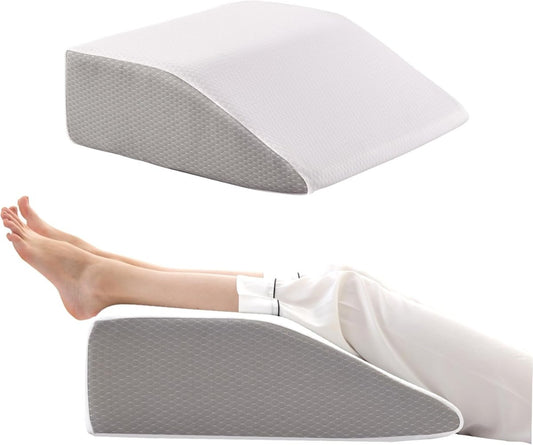
Bed Wedge to Elevate Legs
Regular price $47.99Regular priceUnit price per -
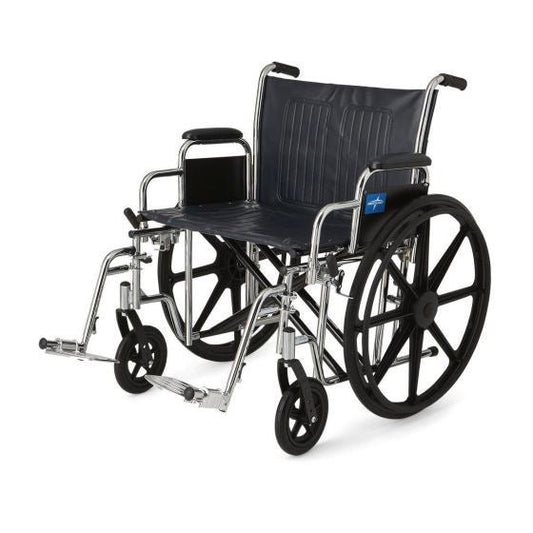
Bariatric Manual Wheelchair
Regular price From $484.00Regular priceUnit price per


Solve the whole puzzle! Get education, resources and services right here.
-

Caregiver Training Courses
Go to website for the full training library We've partnered with Higher...


Dive Deeper: a knowledge base of solutions for real caregiving questions
View all-

HSA vs. FSA: How to Use Your Benefits to Buy Ad...
Use your HSA or FSA dollars to buy adaptive equipment like shower chairs, mobility aids, and pill dispensers. Learn what qualifies and how to spend benefits before they expire.
HSA vs. FSA: How to Use Your Benefits to Buy Ad...
Use your HSA or FSA dollars to buy adaptive equipment like shower chairs, mobility aids, and pill dispensers. Learn what qualifies and how to spend benefits before they expire.
-

Clearer Hearing at Home: Early Signs of Hearing...
Discover early signs of hearing loss and OT-approved solutions like the Mirai Speaker. Learn how caregivers can improve clarity, safety, and independence at home.
Clearer Hearing at Home: Early Signs of Hearing...
Discover early signs of hearing loss and OT-approved solutions like the Mirai Speaker. Learn how caregivers can improve clarity, safety, and independence at home.
-

Vocational Rehabilitation: A Free, Underused Re...
Vocational Rehabilitation (VR) is a free, state-run program that helps people with disabilities get or keep a job by funding the equipment, home modifications, training, and support they need to...
Vocational Rehabilitation: A Free, Underused Re...
Vocational Rehabilitation (VR) is a free, state-run program that helps people with disabilities get or keep a job by funding the equipment, home modifications, training, and support they need to...


