
Summary
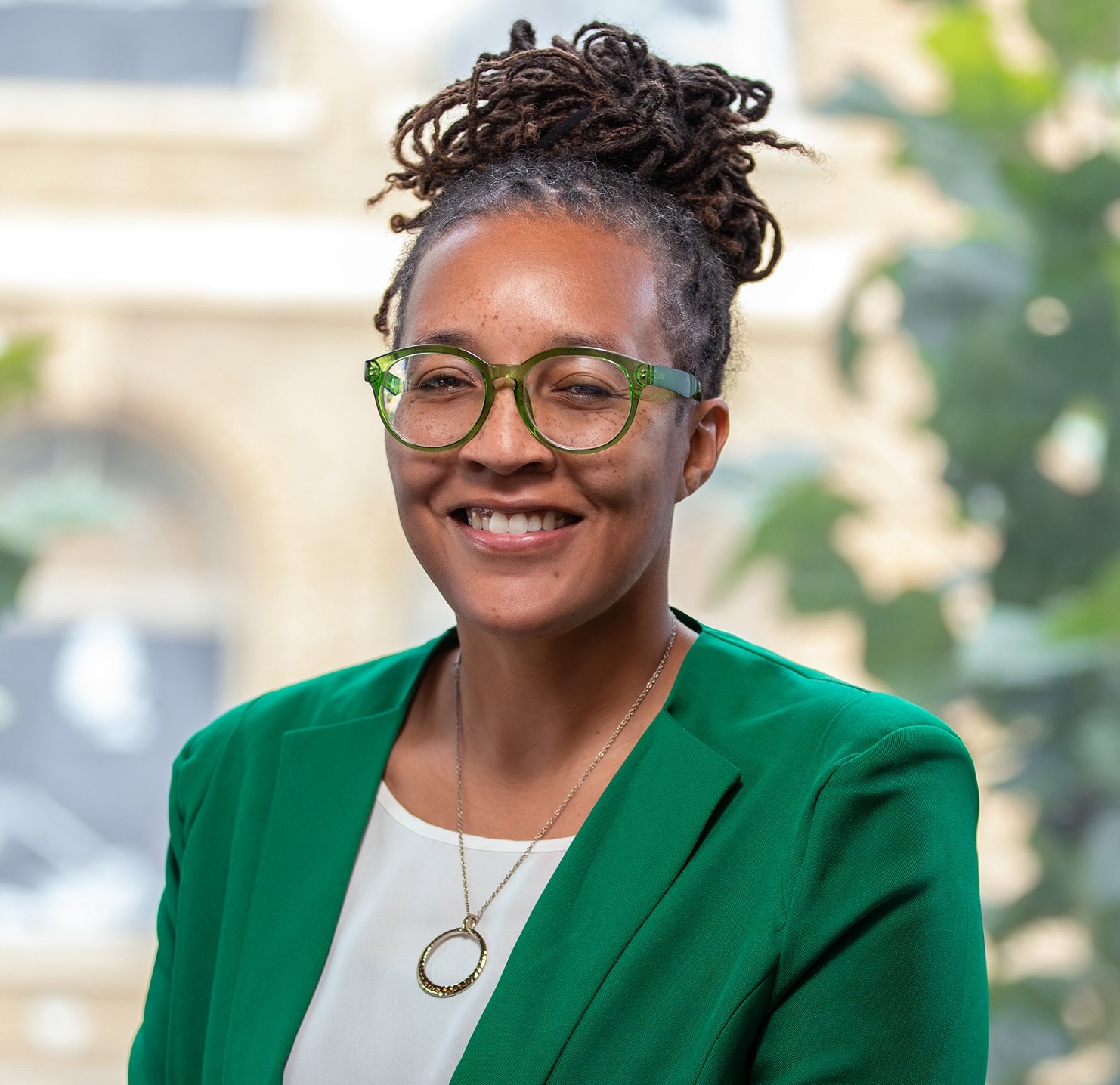
In this episode of CareLab, occupational therapist Consuela Marshall joins hosts Brandy Archie and Emilia Bourland to discuss the hidden risks of falls and their profound impact on independence, dignity, and quality of life. Marshall explains that falls are not a normal part of aging and emphasizes how simple, low-cost behavioral and environmental changes can drastically reduce risks. She highlights the importance of awareness, cultural sensitivity, and proactive planning—especially in underserved communities. The conversation also explores how one fall can set off a devastating chain of health and caregiving challenges.
Key Questions Answered
-
Why are falls such a serious issue for older adults?
Because the consequences go far beyond the physical injury—falls can lead to hospitalization, loss of independence, and even death. Every 11 seconds, an older adult visits the ER due to a fall-related injury. -
What are the main risk factors for falls?
Physical changes (like balance or vision issues), unsafe behaviors (like climbing or rushing), environmental hazards, and existing medical conditions or medications. -
Can falls really be prevented, or are they just part of aging?
Falls are not a normal part of aging. With awareness and small, consistent changes, most falls are preventable. -
What are low-cost ways to reduce fall risk at home?
Move frequently to maintain strength, rearrange frequently used items for easier access, secure rugs, improve lighting, and use furniture risers instead of replacing furniture. -
Why is cultural and personal sensitivity important in fall prevention?
Many older adults resist changes because home environments carry deep personal meaning. Respecting those values and finding acceptable, affordable adaptations improves cooperation and outcomes.
Transcript
Brandy Archie
What if one fall changed everything and you never saw it coming? In this episode, we're digging into why fall prevention matters way more than you think and how to spot the hidden risks in everyday routines and what caregivers can do right now to keep loved ones safe and at home. Because preventing a fall isn't just about safety, it's actually about preventing independence, it's actually about protecting independence, dignity and peace of mind.
Consuela Marshall, OT
Good luck.
Emilia Bourland, OTR, CFPS
Today we have here with us again, we're so happy to have her back, the fabulous Consuela Marshall, occupational therapist. She's a graduate of LSUMC, School of Allied Health. She's been an occupational therapist in home health for 25 years. She's worked with caregivers, she's worked with people with all kinds of things going on. She's been up and down all the roads. She has been a caregiver herself. If you haven't heard the first episode with Consuela, do make sure and check that out. In fact, we will link that.
in the show notes for this so you can go back and listen to Consuelo's first episode. And since we saw her last time Consuelo has written a book about fall prevention called Preventing Falls, planning or sorry called Fall Prevention, Planning Not to Fall. Consuelo, Consuelo, thank you so much for being here today.
Consuela Marshall, OT
appreciated and it's always an honor to be with OTs and to be respected and revered by OTs because I think you all are fabulous and I'm really happy to be here.
Emilia Bourland, OTR, CFPS
Well, you know all OT episodes are our favorite. Not that we're biased at all, but... Just a little.
Brandy Archie
Always. Only slightly.
Consuela Marshall, OT
Yes, yes, yes. I'm so excited to be here and fall prevention is just the heart of what finding a foothold is about. In protecting the independence of older adults and of caregivers who are caring for them in the way of also emphasizing caregiver injury prevention. So all of that wrapped into one ball because they're all intertwined. Caregiving.
fall prevention and injury prevention, it just sort of is linked together. And if we can start in the beginning of reducing fall risk, that positive impact on injury prevention and on caregiver stress naturally happens because here we're gonna go to the ground roots of why many people are often thrust into a caregiving role. Your loved one had a fall.
Brandy Archie
Mm-hmm.
Emilia Bourland, OTR, CFPS
Mm-hmm.
Consuela Marshall, OT
and it happened overnight. Instantly, they're a caregiver and being in a role without any preparation or any tools of the trade on how to, which is common, caregivers go into the role just unprepared and those injuries that caregivers sustain are just tremendous.
Emilia Bourland, OTR, CFPS
Mm-hmm.
Consuela Marshall, OT
And we can always always find many of those stories starting at a incident where someone had a fall. Yeah.
Emilia Bourland, OTR, CFPS
That's a really interesting point. I think I want to kind of zero in on what you said about it seems like it happens overnight. But of course, the risks for falls do not just happen overnight. Can you talk about that a little bit?
Consuela Marshall, OT
my gosh, yes, know aging is a subject that people just have to eternalize and be accepting of that aging is going to happen to all of us It really is and our bodies regardless of how we can make it look pretty and
Brandy Archie
The alternative is worse, that's what I always say.
Emilia Bourland, OTR, CFPS
Facts.
Consuela Marshall, OT
you know, do our best to look our best and be our best. We are in aging bodies. And with that, we have to be aware that as our bodies are being accepting of that change and as the change is occurring, adapting, adapting lifestyles, adapting environments to accommodate for the body's changes. So when
We're talking about fall prevention and we're talking about aging. It's important to realize that your body is likely giving you signs all along the way that things are not the way they used to be. But just in the busyness of life or just in some denial, in just, we're just everywhere that we can often lose insight of self-awareness that
These are, things need to be more proactive. Women, people need to be more proactive. I need to be more proactive in how I live out life as I am aging. When you mention that the falls, many falls have precursors that people just are not aware of. So when I'm talking to a group of older adults,
I'm getting them to really get in tune to what their bodies have been telling them. The slowing down, taking a step back and looking at, is it getting more difficult to get out of a chair? And just stop and think, how many times does it take you to get up? Whereas before you just could get up without use of your hands, then now you're using your hands, which is okay.
But now if you're using your hands and you're still struggling, but you're like, okay, I'm coming, I'm coming. You're trying to get up and you're not realizing that your body's telling you there's something going on here. Is either the body is weaker.
Consuela Marshall, OT
Or there's something in the environment, in something, in how you're, where you're sitting that needs to be adapted to accommodate for changes that are occurring. Whether it's going to, starting to exercise and spitting your legs or looking at how can I not sit in a chair that rocks or pivots when I get out of. And just be really conscious of these little
telltale signs that fall risks are creeping into the picture. And they are there before the fall occurs.
Brandy Archie
Mm-hmm.
Brandy Archie
So I think we started like Fast and Furious because both Amelia and I are OTs just like you. And so we totally understand like why follows are such a big deal and how they're connected. I wonder if you could like go backwards for our audience and just talk about like.
Why is what our intro was not clickbait? It's true that one fall can change everything. Can you talk about maybe what some of the numbers say about falls in this country or how they lead to other things when you're an older adult? Why do need to care so much? Because what I hear from people is like, oh yeah, I didn't actually have a fall. I just tripped and lowered to the ground. Kids fall all the time. This is a natural part of life. They don't take it as seriously as I think we all take it.
Can you just talk a little bit about why we should take this seriously?
Consuela Marshall, OT
absolutely. know, falls happen, you know, people can think falls are for people who are careless. People that they should have just known better. Or you exclude yourself from that category because you're not like them after you learn of someone else's fall. But falls are happening everywhere. And I'll start from the standpoint of this.
Brandy Archie
Mm-hmm.
Consuela Marshall, OT
In the statistics, I've seen it two different ways. 80 % and in other places, 90 % of aging older adults desire to remain in their homes for as long as possible to the end of their life. They don't want to go live in with their children and they definitely don't want their children moving back home to take care of them. And then that other alternative of going into a long-term care. I mean, that's out of the picture. That's not on anybody's.
Bucky list that that's where I want to go. They want to stay at home
But if you're not conscious of how you're living life every day, that chance of being in your home for as long as possible diminishes when you have a fall.
Take me back to the original question because I had a thought and I've got to be more, I got to get my little notepad here.
Brandy Archie
Yeah, I just wanted to like, I want to express to the audience how serious falls are as an older adult specifically, right? Like we see kids fall, people fall on the football field as a grownups, like people trip on the stairs, but as we are older and our bodies have changed, what is the, why is it such a much bigger deal?
Consuela Marshall, OT
Mm-hmm.
Consuela Marshall, OT
Yeah.
Consuela Marshall, OT
Mm-hmm.
Consuela Marshall, OT
on
Brandy Archie
Like what happens after you're 80 and you have a fall? Like hip fracture from the fall? What are the downstream occurrences, I guess?
Consuela Marshall, OT
Oh, yes. You know, as we older, our bodies do not bounce back, you know, as easily as someone younger when they've had a fall. So if you're 70 and 80 and 90, you have a fall, the chances of sustaining an injury are greater. Statistics show, let get this right, every 11 seconds, someone shows up to the emergency room due to an injury from a fall.
So that's every 11 seconds.
Brandy Archie
That's a high frequency I don't think most people recognize. And that's not just every fall, that's like every fall that goes to the ER.
Consuela Marshall, OT
that goes to the ER, yes. So what does that do? That starts the ripple effect. When you fall, and number one, the statistics on the hip fractures due to a fall, I don't have those numbers right in front of me, but I can.
Emilia Bourland, OTR, CFPS
believe it's something like between 20 and 22 % of people who have a hip fracture are not, and someone should probably double check me here, but I wanna say it's somewhere around 20 to 22 % of people who have a hip fracture are deceased within the first year.
Consuela Marshall, OT
Yes.
Consuela Marshall, OT
yeah.
Emilia Bourland, OTR, CFPS
and an even higher percentage of people are unable to return to their prior level of function within the first year. I mean, that's pretty devastating. Yeah. That's bad business.
Consuela Marshall, OT
to return to the.
Brandy Archie
That's like almost one in four, like.
Consuela Marshall, OT
It's amazing. And not to mention the immediate impact that it has on the family, starting from the point of the fall, where the concern is, where they're at the ER, and then they learning that there has been a, there's gonna have to be a surgery. And then you're thrust into this chaos of having to maneuver through the hospital,
aspect of rehab, trying to choose a rehab, trying to see if it's going to be covered by the insurance and that transition to skilled nursing, all of those things that happen in an instant when a person falls. And we're not saying much about
Consuela Marshall, OT
I had a glitch on my computer stopped. we're not really saying a whole lot about, we haven't gotten to the point where we're talking about taking off from work.
Brandy Archie
Yeah.
Emilia Bourland, OTR, CFPS
Mm-hmm.
Consuela Marshall, OT
and all the things that go with it. I apologize to Paul's, you all went away. I don't see anybody. Okay, so I'll just, you're talking. So yes, that's where, when you're saying, when you said people don't understand how significant fall prevention is, just.
Brandy Archie
We're here and we hear you.
Consuela Marshall, OT
One act that leads to a fall that happens in a second changes a life, changes your life, changes your family's life, changes your health forever.
Consuela Marshall, OT
But just pausing to say, I hate to just harp on the negative because that is the reality of it. I'm really conscious of going back to, buffalos do not have to occur. They do not have to occur.
Emilia Bourland, OTR, CFPS
Mm-hmm. Mm-hmm.
Brandy Archie
Mm-hmm.
Emilia Bourland, OTR, CFPS
Yeah, absolutely. are so often, obviously we cannot stop every single fall from happening. And falls are of course often multifactorial, right? There's more than one thing involved in building a fall risk for people. But so often those risk factors that go into falls are preventable. And we...
It's not even that we don't know, we know how to really, really manage a lot of these risk factors. We can manage them really well, but we have to be aware of them. We have to be proactive about them. Can you talk a little bit about what some of those risk factors are? think, you know, people always think about things like, you know, muscle weakness, know, muscular skeletal issues, but there are a lot of different things that go into fall risk.
Consuela Marshall, OT
Yes. Well, I typically have four categories I try to emphasize and one is the physical aspect of why people fall. And there's a lot of that balance, coordination, strength, endurance. All of those are factors. And these are factors that can be affected. They can be minimized in those areas. But then we also have
Brandy Archie
Mm-hmm.
Consuela Marshall, OT
behaviors, where behaviors pay a big part in fall risk. Countless stories of people climbing on chairs, climbing up on ladders, not purposefully planning how to reach or obtain something that is out of reach. These are behaviors that lead to falls.
We're saying physical aspects, behavior aspects, and then the environment. The environment that you live in, looking at how do you make changes in a home that you may have lived in for 20 or 30 years to accommodate for changes that have occurred in your body. And oftentimes there are not huge changes in many aspects if you're still ambulatory.
If you're still able to walk without a device, they tend to be minor things that you can put in place or remove out of place in the environment that can lead to you having reduced fall risk. And then we want to look at pre-existing things that are going on in your body. What are some things that you know about in your health? Arthritis, pain.
Any other type of condition that you have, a prior stroke or you may have medications that you're taking, those things that you have to also take in consideration when you're looking at what are some factors that must be considered when you're wanting to reduce fall risk. Because if you're only looking at one, then you're only looking at an incomplete picture of how to reduce fall risk.
and have the greatest outcomes. Because as an OT, I've gone in and talked with families and talked with older adults and they do make the modifications. They get the tub benches, they put the grab bars in, they make changes in the type of seat that they're sitting in. We look at the bedroom, we're talking about heights of surfaces and we go through that home and we make recommendations for that person in getting that environment.
Consuela Marshall, OT
straight and sad for them. But then they have these behavioral things that these be these habits of how they function their whole life. And we're not saying that it's it was a wrong thing that in how they do things because this is and that's why we have to when you have children that are wanting to encourage fall prevention measures in their in their parents, you want to be careful not
in how you present these things to parents. Because if you say something that they're doing wrong that they've done all their life, that puts up a defense. It's just that the way they used to do things when they had more flexibility, when they had more balanced reactions, when they had more strength, it wasn't concerning. But now that mom's 85 and now she's trying to carry a big roaster with both hands, a big pot,
and she can't see where her feet are, and she also may have some neuropathy, then you wanna look at what are some ways that we need to change behaviors so that we can lower fall risk. Make sense?
Brandy Archie
think, yeah, that makes so much sense. I think I just wanna like, re-say what you're saying again, so that people get it, because I think as OTs, this is like a complex web of things that we're always modifying and changing each of these four components, and I don't think everybody thinks this way. And so I just wanna highlight what you said, it's so important. So there's four things that impact it. It's physical, like what your balance is, what your vision is like, it's behaviors, like how...
how risky are the behaviors that you do.
your what the environment is set up like and then what your past medical history is like what medications are taking what other things that are going into your body that are impacting how you function and any of those could be off in a way that could cause a fall but also it's often more than one of those things with that and because we have we all these have a thing right everybody has a level of balance they have some behaviors everybody's doing all of these things and they've been doing them lot
Consuela Marshall, OT
Yeah, yeah, yes.
Brandy Archie
long time. You're I've always had this throat rug right here. It's never been a problem. You know, but also that's your environment. So maybe your environment isn't the problem, but now your vision is different or your neuropathy is worse or you've taken a blood pressure medication and it's actually lowering you too low. like all these micro changes add up to being more fall risk and untangling that is like
Consuela Marshall, OT
S
Brandy Archie
part of the challenge for helping people to figure out what their fall risk is. Is that like how you think about it?
Consuela Marshall, OT
Absolutely, and you did a great job putting that into context. Right, it's so multifaceted. And even on, and you mentioned some sensory things, I tend to group those sensory things into the physical category because we're looking at, now you have your cataract that you need to have addressed or you've got glaucoma, you've got all of these things that are multifaceted till having input from someone who is.
skilled and chipping away at all of these things in a manner that number one, know making it digestible making it real putting it in the context of real life and that's why I use a lot of stories in my workshops and webinars and throughout a book that I've written to really just bring it home by just telling a story at how a day started where we had an older adult
just starting their day and in their day they had a list of things that they wanted to do. But in that day and on that list was not the plan to fall. Because nobody plans to fall but in the process of doing life. And one of the stories that I, I tell many stories but one that comes to my mind right now is just, and I'll just call her Ms. Phyllis.
Emilia Bourland, OTR, CFPS
Mm-hmm.
Consuela Marshall, OT
that she was just a very happy lady. She was just so grateful to be retired. She worked at the library for years. And she's finally at the point where she's home and she's loving it. She's reading her books and living life. just, this is what she's been waiting for. But you know, over the, she's been, she was off work and this is a true story, maybe about three years. And she's just noticed she's not as strong as she used to, but you know, but she's never.
really done anything about it but keep saying, I need to move around more, but never taking action to do something. Well, on this particular day, she had a list of things to do. She was going to meet up with some friends and doing things, but she was going to stay around the house and wait on a package first. So she had this FedEx driver that they just clicked because she was always ordering things. So she was waiting on him to bring the package. And just
putting the glass finishing touches on getting dressed. So she got the notification on her phone that he was on her street or within distance. So she's like, let me go hurry up and I'm going to go to the bathroom and I'm going to get tidy up. then once I get my package, I'm going to leave. Well, in the course of it, she failed. What she did was, and the story is she's rushing to the bathroom, didn't notice her dog had left a toy in the floor.
So she's already on the phone saying, I should be there. So she's multitasking. She's doing this and she's already starting to just finish getting dressed and wanting to rush to go to the bathroom. They go to the door to meet the FedEx guy. Right there in their story, I unpack several things that as older adults, we need to make commitments to ourself about. And one of them is multitasking.
Emilia Bourland, OTR, CFPS
Mm-hmm.
Consuela Marshall, OT
And one is just being aware of your surroundings and just making sure things in your home don't put you at increased risk for falls. And I don't want people thinking that they have to live in a bubble of living fear. It's just being more aware that if you want to protect your independence and your ability to remain in your home as long as possible, you've got to do whatever it takes to reduce these fall risks.
Emilia Bourland, OTR, CFPS
I think I love how you talk about, you know, no one plans to fall. And I can't tell you like how many times I've said that to patients, right? Who are maybe they're doing something and I'm suggesting maybe they do it a different way. Maybe something's a little risky and they're like, I'm not gonna fall. And I say, I have literally never met someone in the hospital who planned to be there, who planned fall, right? But there's also this other flip side to it.
Consuela Marshall, OT
Yes.
Emilia Bourland, OTR, CFPS
which is sometimes like this fatalism that people have about aging, about getting older, that it's just gonna happen, that there is nothing that they can do about it, that falling is a part of getting old, getting weaker is a part of getting old, and that's just the way it is, and I'm just gonna accept it. Can you talk a little bit about the fact that we don't have to accept that, that it isn't a normal part of aging?
Consuela Marshall, OT
Right. Falls are not a normal part of aging. And if, and we can just go back to those factors that we just mentioned. When you put in place the things that you can do to affect those four areas and be more aware of that, you, you will increase your chances of not falling. But if you go by this mind, you have this mindset of, falls are just, falls just happen.
You know, they often do because if you have that mindset, you're not likely to make those concessions, do those things to reduce those risks. So it's sort of like, if you sort of believe that's how it's gonna be, it probably will be that, meaning if you believe, balls are just part of aging, you're likely going to...
have increased risk of falling because you're likely not going to do those things that you can do to reduce those risks. And I want to add one more thing. Many people think fall prevention is so expensive. They look, you know, we've had a decade of HGTV in all of the elaborate hole modifications.
Brandy Archie
Mm-hmm.
Consuela Marshall, OT
All the things that, you know, you get these people, these young couple that had one child and all of a sudden they need a seven bedroom home and then you, you know, you feel like everything is so expensive that, you know, yes!
Brandy Archie
you
Brandy Archie
Also, somehow they have regular jobs too and they are buying a million dollar house. I'm like, how are y'all for this million dollar house? I don't understand.
Emilia Bourland, OTR, CFPS
Yeah, I don't understand. Also like renovating an entire home soup to nuts, top to bottom for like, and their budget is $100,000. And I'm like, that feels unrealistic.
Consuela Marshall, OT
Yeah.
It is and I think just hearing the word whole modifications or fall prevention puts up a wall because you're saying There's a I can't even afford to even think about that And I'm not gonna fall anyway, so Next channel change the channel change turn the page next chapter What else can I think about in my life and I think a lot of that is going on?
Emilia Bourland, OTR, CFPS
Mm-hmm.
Brandy Archie
Mm.
Consuela Marshall, OT
And it's especially going on in underserved communities. Because this misconception, because of the picture that has been painted, that if I can't do all of that, I'm not going to do anything. So why try? And another thing that I've learned is also it makes people feel that what they already have.
Emilia Bourland, OTR, CFPS
Mm-hmm.
Brandy Archie
Mm-hmm.
Consuela Marshall, OT
what they worked all their life to get. You don't know how long it took them to save to get that house. How, you know, and it may even have been their mother's house. And it is their place of safety. It's their, their safe, you know, their nest. And how, some people, they hear home modifications or fall prevention, it makes them feel that everything I've done, everything I've accumulated, everything that makes me within the.
confines of these four walls means nothing to, means nothing. And it sort of discounts their whole life. And a lot of people in underserved communities think that way, is they want me to get rid of things that make me who I am. that girl came in and she wants me to get rid of my chair. She says, I can't sit there. you know, I really have seen a lot of that. And
Brandy Archie
Mm-hmm.
Brandy Archie
Mm-hmm.
Consuela Marshall, OT
My approach, and that's a big thing that leads to why I founded a foundation, is to really combat that mindset. it is, number one, fall prevention is not expensive. Three of those categories cost you nothing. You can move your legs and exercise and reduce falls.
You can change some behaviors and it calls you nothing. And you can be aware of your other medical conditions and know what the limitations of those are. It calls you nothing. But then in the aspect of the whole modification aspect of it, there are several low cost to no cost things that can be done to reduce falls. And this is the heart of
why I founded the Finding the Foothold Foundation is to bring this education into underserved communities where the wall is already up when they hear about fall prevention, when they hear about taking classes that they can't even get to. And I know some things are online, but you know that they can have access to, but when you don't...
Emilia Bourland, OTR, CFPS
Mm-hmm.
Brandy Archie
Mm-hmm.
Consuela Marshall, OT
value who the person is or make them feel valued, then they're not going to be receptive to any of this. And I believe, and this is just me, Consuelo, why many of the evidence-based fall prevention programs don't have as much success as they have in underserved communities. And there is research about that.
is not packaged in a way that really speaks to many underserved communities. It doesn't even seem achievable. It doesn't even seem of value to them or that it even pertains to them because it's packaged for somebody else with all the means. And that is so, such a disservice because
Emilia Bourland, OTR, CFPS
Mm-hmm.
Brandy Archie
Yeah.
Consuela Marshall, OT
in the area where I did so much home health, I saw the same patients repeatedly who were having falls that I was giving them that information. And I can see now why they were looking at that and looking at a house that was like, it's clean. I mean, the picture in the background is a clean house. I'm like, it's cleaner than mine. And I'm giving them a picture. it's not that, I'm not saying people live in messy houses. Don't misinterpret that.
I'm just saying make it suitable, make it culturally relevant to wherever, to all people. Make things where people can say, that sort of looks like the house I grew up in. And yes, we did do this. And yes, we did not have space because there were three of us in a room that, you know, just seeing like, okay, how can we move some things around? How can we make one area of your home safer?
Emilia Bourland, OTR, CFPS
Mm-hmm.
Consuela Marshall, OT
the most, the area that you live in, your little piece of the pie, what can we do to make it safer for you in this home, even though it may be a multi-generational home, it may be things that may not be what the heart of society thinks as what a home life look like, home life looks like.
Emilia Bourland, OTR, CFPS
Well, know, so often, like we have these external representations of what homes look like or what families look like, and they're based on a reality that doesn't exist, right? It's just not realistic for almost anyone. Like, I guarantee you, like you see this little tiny corner of where I am right now, there's a reason the camera's not over there and over there, because I got a mess going on, right? Like I'm a real person, you know? And when people...
Brandy Archie
Mm-hmm
Consuela Marshall, OT
Yeah! Yeah. Yeah.
Emilia Bourland, OTR, CFPS
When people see a representation of a solution that looks nothing like their actual real life, then that solution feels unreachable and you can't relate to that solution at all. And so like, just, think it's so wonderful the way that you're talking about this consuela, talking about how it's about meeting people where they're at and finding solutions for people where they're at.
Consuela Marshall, OT
Yes.
Consuela Marshall, OT
It does. It does.
Brandy Archie
Yeah.
Emilia Bourland, OTR, CFPS
Because if we ask someone to do something that feels completely unrelatable, then it's also unmeaningful and it's out of reach. But if we meet people where they're at and we say like, hey, yeah, that's okay. I understand. Like this is the reality of situation. This is also the home that you love. We're not trying to change any of these things. Let's work together in partnership to make sure that you get to stay in this home that you love, that we keep it the home that you love, that we just make it.
maybe a little bit safer for you. And like that's when we see really good outcomes. And that's so much of what are like the literature handouts that maybe we're putting out there are missing.
Consuela Marshall, OT
Exactly. I've had a patient that didn't want to get rid of a rug. And so it was the pivoting point of how I was. well, yes, yes, all of them don't want to get rid of. Exactly, exactly. I've had that rug there for 15 years. I know that rug there. I know that carpet is ripped. I know, you know, they're saying all of this. But then when you get to the heart of people like I have to.
Emilia Bourland, OTR, CFPS
I've had every patient that didn't want to get rid of a rug. I've never had a patient who wanted to get rid of their rug.
Brandy Archie
Every patient.
Consuela Marshall, OT
I have learned to reframe my questions or my recommendations. Look, having this rug right here is not the best place. And they now tell me a story and they remind me of my mom. I bought that from such and such and I paid such and such. I'm like, ma, that was 25 years ago, but it's a story that she still had in her mind about that rug. So I always go back to that and I'm like, how about I like this rug. I see that.
Brandy Archie
Mm-hmm.
Brandy Archie
Nyeh!
Consuela Marshall, OT
It's sort of cute. It would even make a good little wall piece right here. Like, can we put like a thumb tacker right here and you can keep your rug? Or can we put it in this other room, in another room? But I do understand that you do say this linoleum floor is cold. I do agree. So can we put a different rug right here? You know, so that way I haven't disowned the fact that that rug, which is probably...
not valuing in money has a value or meaning to her that I don't discount that. don't tell you like changing the wording like if a sofa is too low, like, you know, it's about to bottom out. It like it needs to be on the trash pal. But I can't say that and I would never say that to anyone because that's their sofa. I'm like, look, I notice your sofa is low. Your sofa is low. Let's look at what we can do because you're struggling. You, you.
You're waiting to go to the bathroom until the urge comes back the third time because you know how hard it is to get off the sofa. And that's one of the reasons you have bladder infections. You and I'm like trying to get them to understand why I need, why it's in their best interest to make the change. And then we're like, okay, let's take, let's talk about some low cost ways to bring the sofa up. I'm not all about you getting a new sofa. And I see this sofa is on every picture in your house. This is where everybody takes a Thanksgiving picture on the sofa.
So I'm not gonna ask her to get rid of that sofa, but I'm like, what can we do? If we can even just reduce the fall risk by 50%, we've done better than nothing. Because if we don't do anything, we don't make any gains. So starting from simple, do you wanna put it on blocks? Do you wanna bring them things that show how to elevate it with sofa risers? When you look at, okay, if we're gonna go the pillar route, putting something under there, we're not gonna use pillows. Let's see we can get sheets.
Brandy Archie
Mm-hmm.
Consuela Marshall, OT
that are tight and more compressed and we'll make them the same size as the cushion so that you're not sitting on a teetotter thing of pillows. You know, we just try to like really trying to see what's the best way to achieve the outcome that we want in a way that is affordable and acceptable to the patient.
Brandy Archie
Because, you know, like when people are creating new products or new things, they always talk about a minimum viable product. Get out the thing that shows your idea with as little effort and money as you can and then see if it works. And I feel like...
this is a very similar situation. like, what changes can we make that are the minimum viable changes that will push us over the edge to do the right thing? And so just like we said, in those four domains, it could be small things in each of those domains that add up to a big fall risk. That also means that there's small things you can do in each domain to decrease your fall risk so that you're not having that challenge. And I'm so in agreement with what you're saying about people thinking like...
This is so much. I don't have the effort, the time, the money to make all these changes that you recommend. I'm doing nothing. When instead, you can do something small on each one of those things. You can get up and down 10 extra times or walk around your island a few more times for free exercise that gets you moving. You can move your dishes to a slightly different height so that the ones that you use all the time, you don't need to get on the steps to a floor. You can tape down your rugs. You can wear house shoes instead of
Consuela Marshall, OT
Mm-hmm.
Consuela Marshall, OT
that exactly.
Brandy Archie
What I have in a rug so that your linoleum floor is not cold. Like there's a million things that can be done. I actually think the important part is that people understand it could be small. The small things matter. And that you should do it. You should do it because of what you said. that was a direct line to bladder infections. The low count.
Emilia Bourland, OTR, CFPS
Mm-hmm.
Brandy Archie
You're not getting up regularly and you have a bladder infection which leads you to the hospital which you don't want to do, right? And then you get in the hospital and then there's other bugs floating around there and then you get sick. Like, I know that sounds like, I feel like sometimes when I say that people are like, that's like so much. I'm like, no, these are like real life stories that happen in this exact order like this.
Consuela Marshall, OT
Yes.
Consuela Marshall, OT
Yeah.
Emilia Bourland, OTR, CFPS
Yes, it, and like.
Brandy Archie
And nobody connects the dots, I think is what happens. Not enough people connect those dots together to be like, this is actually a big problem at this level because of this thing that might happen. So.
Emilia Bourland, OTR, CFPS
Mm-hmm.
Consuela Marshall, OT
Yes.
Emilia Bourland, OTR, CFPS
And all you had to do in that situation was maybe put the sofa on risers or make the cushion a little firmer so that person could get up, right? So like with a basically no cost intervention that is thoughtful about that person and how they live and how they move through the world, we can actually prevent this whole thing that maybe doesn't just lead to a fall, but also leads to a really costly hospitalization.
Consuela Marshall, OT
Yes.
Consuela Marshall, OT
Nothing. Yes.
Consuela Marshall, OT
Yes.
Emilia Bourland, OTR, CFPS
which then leads to a higher fall risk because now this person has been kept in bed in the hospital for six days and they weren't allowed to get up and they're on five more medications and you know, not to mention that UTIs make people lose their minds, you know, so like it's just this really, really simple thing. You know, that's such a great example to talk about how a simple intervention has a huge impact.
Consuela Marshall, OT
yeah. Yes.
Consuela Marshall, OT
It does. Look, I have so many stories that how falls just train, it's like a train wreck. Normal life, just doing life and have a fall.
Emilia Bourland, OTR, CFPS
Mm-hmm.
Consuela Marshall, OT
that just didn't make the right decisions, just didn't know that there were other options. And repeatedly after I'm working with someone who's going through recovery, the family's stressed out. Like who's gonna stay with mom tonight? Rehab did only last four days and they sent her home. Mom didn't wanna go to SKELE, the SKELE wasn't covered or SKELE was only 20 days and.
Now mom is at home and all of these decisions that have to be made after a fall are and sometimes life is never the same. Yep. Never. Never the same. Yep.
Brandy Archie
Mm-hmm.
Brandy Archie
Well, I'm grateful for you taking so much effort to be able to educate all of us and educate specific communities that need it the most and doing it in a variety of ways. So thank you for the work that you're doing. so your book came out and where can people find the book?
Consuela Marshall, OT
Yep.
Emilia Bourland, OTR, CFPS
Mm-hmm.
Consuela Marshall, OT
Yes.
Okay, I'm show the book right quick. Fall Prevention Planning Not to Fall, 31 stories similar to the one I just told. And with each story is a tip. It points out what that hazard was in that story. And it yields you some recommendation either in equipment, often several recommendations.
Brandy Archie
Nice.
Consuela Marshall, OT
a behavioral recommendation and or an equipment recommendation that a family could put in place to decrease that story, that chance of that story being reenacted in their loved ones life. And I've gotten feedback, ooh, that chapter about the dog that was so my mom about, you know, how picking up the dog or tripping over her.
blanket that she covers up with in the recliner getting up and not seeing that it was entangled around her feet just all of these little stories about
Life. mean, these are just stories about life that was interrupted by a fall. That's what I tell them. You don't look at it as, these fall prevention tips, because everybody can go Google them and say, put up Grab Bar. OK, put up Grab Bar. And you just think, OK, if I need one, I'll put it up, but I don't need one. And really, it's not just about putting up a Grab Bar. It is when, where.
Brandy Archie
Mm-hmm.
Emilia Bourland, OTR, CFPS
Mm-hmm.
Consuela Marshall, OT
and why you would put up a grab bar in the course of an activity that you're going to do that day. And you put it back into the context of being in your home for as long as possible and being as independent as possible. It has been really the pivoting thing that many of the people who locally, I've been in so many workshops locally and that's what they're saying.
You really was talking about me, you know, when I'm telling all the stories or I'm getting people to raise their hand and say, okay, tell me about the time you you failed. And they started telling the story and I'm they now I'm asking, is it okay that we talk about this? And I asked you more specific questions about it and all of this. And we can break it back to the point where if decision had a where a decision could have occurred. If you had known
Emilia Bourland, OTR, CFPS
Mm-hmm.
Brandy Archie
Mm-hmm.
Consuela Marshall, OT
to make a decision here in order to prevent the fall that happened after you not knowing what the right decision for that scenario would have been. So I'm really grateful about this on Amazon for $10, you all. It will not break the bank and it's really fun, easy reading. Till if you read one story, you finish that short story for today and you may pick it up again.
Emilia Bourland, OTR, CFPS
Mm-hmm.
Consuela Marshall, OT
and slowly start making little changes in your thinking about how easy it is to just not fall. That falling doesn't have to be part of aging. That you can do things to prevent falls.
Emilia Bourland, OTR, CFPS
Well, Consuela, thank you so much for being here on this episode of CareLab. Y'all, if you want more from Consuela, you can definitely find that at Findingafoothold.com. I'm sure you can also find links to her book on Amazon there. We will link in the show notes to Findingafoothold.com. So if you want to get more from Consuela, you can just scroll down and find that there in the show notes. A couple of other suggestions. If you enjoyed this episode, definitely go back, listen to Consuela's first episode with this, where she tells her own caregiving story with her mother.
That is, think, one of my favorite episodes, actually. If you are more interested in learning about the medical consequences of falls, if that's an interesting topic to you, we did a great episode with Dr. Brittany Lamb last year around this time about the consequences of hip fractures in particular. That's a really interesting episode. Go check that out. And most importantly, if you made it to the end of this episode, then please take a moment to like, subscribe, share.
Leave a comment, leave a review. These are the best ways for us to help reach other people who would benefit from the types of information, education, and content that we're trying to share here. Thank you so much for listening. We'll see you right here next week back on CareLab. Bye.
Brandy Archie
Bye everybody.
Do us a favor and subscribe to the CareLab podcast on YouTube, Spotify or Apple Podcasts! It will help others find our conversations and grow the community and you’ll stay updated with the latest insights and expert advice on elder care.