
Summary
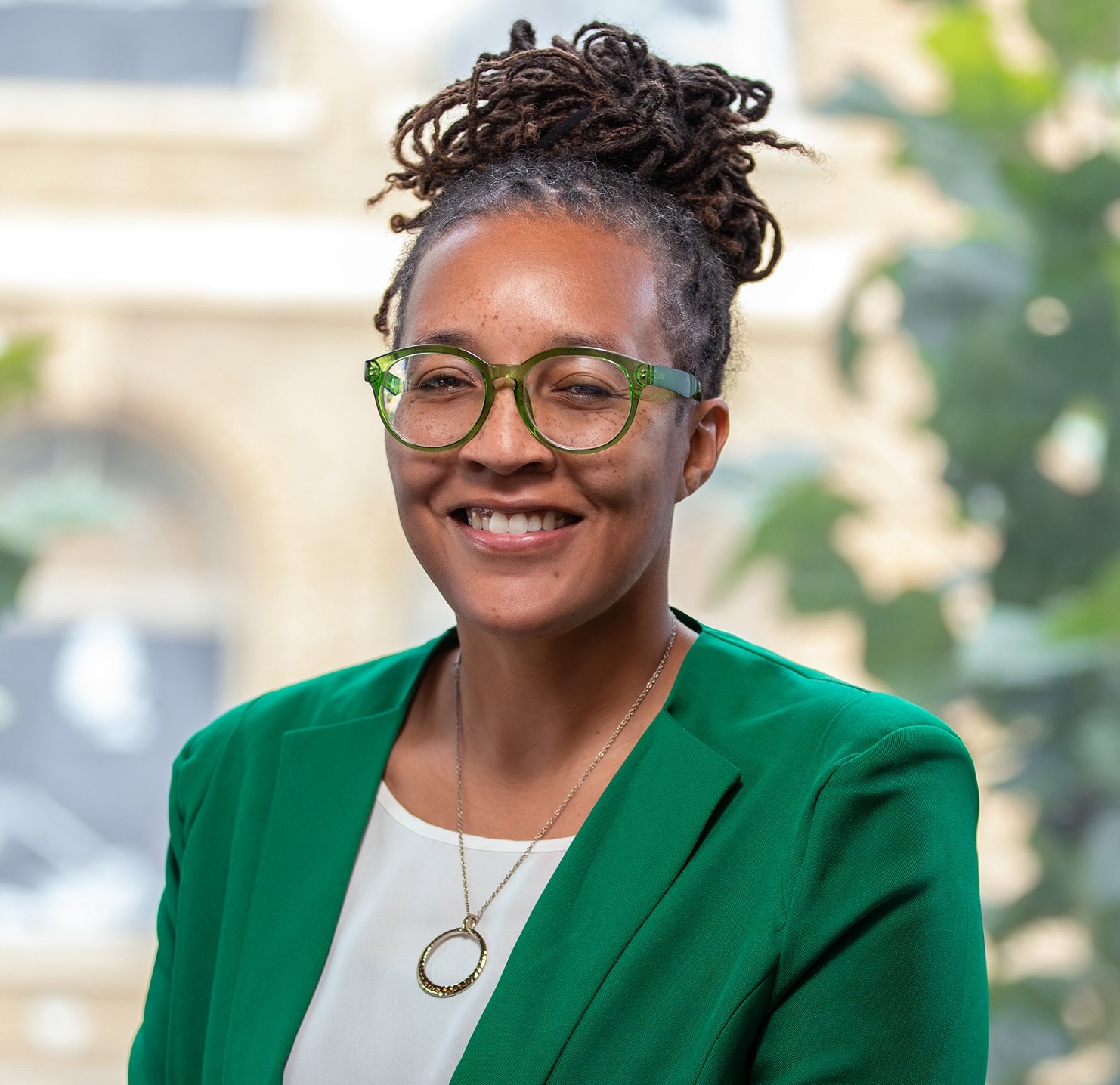
In this Care Lab episode, caregiver advocate Rachel from Sandwich KC, shares her deeply personal journey as a millennial caregiver sandwiched between supporting her grandmother with Alzheimer’s and an older adult with disabilities. She discusses the emotional toll, challenges accessing respite, and how her experiences inspired her to build community and practical resources for caregivers through Sandwich KC. The conversation highlights the importance of support systems, routine in dementia care, accessible respite options, and the power of connection to reduce caregiver isolation.
Key Questions Answered
-
What led Rachel to become a caregiver and later start Sandwich KC?
Rachel became the legal guardian of an adult with disabilities and then stepped into full-time care for her grandmother after a serious fall. These experiences, combined with the challenges of balancing work and caregiving, inspired her to create Sandwich KC as a support network for family caregivers. -
How did Rachel manage caring for loved ones while maintaining her own life and work?
She left her full-time job and started her own business to gain flexibility. Over time, she built a system of structured routines, hired trusted helpers, and eventually moved in with her grandmother to streamline care during the pandemic. -
What strategies helped Rachel care for her grandmother with dementia?
She used consistent routines, environmental control, narration, and principles from the Dawn Method to help her grandmother feel safe, purposeful, and calm—key factors in maintaining quality of life. -
What is Sandwich KC and who can benefit from it?
Sandwich KC provides free support groups, coaching, educational resources, and a respite voucher program for family caregivers in the Kansas City area, though many virtual resources support caregivers anywhere. -
How does the Sandwich KC respite voucher program work?
Caregivers choose someone they know and trust to provide up to 25 hours of respite care. They pay the helper, then Sandwich KC reimburses the caregiver. This ensures both peace of mind and practical, meaningful breaks.
Transcript
Emilia Bourland, OTR, CFPS
Caring for aging family members while raising kids or managing career can be tough, and you're not alone. In this episode, we explore the unique challenges of sandwiched generation caregivers, the constant juggling, emotional strain, and quiet resilience it takes to support multiple generations at once. Discover practical insights and real stories that shed light on what it means to live and care in the middle.
Brandy Archie
And I am so excited that we get to do this with Rachel Hiles, who is a 30 something aspiring local celebrity do-gooder in Kansas City. And she is a proud alum of University of Missouri, Kansas City, where she obtained her BA in Spanish literature and language and later an MPA with an emphasis in nonprofit management, which is great because she has worked in the disabilities field and a variety of roles over the last 13 years. She launched her business and degree media design
in 2018 and to gain flexibility because she needed the flexibility in her role as a caregiver to her grandmother. And also in 2018 she founded Sandwich KC which is a non-profit dedicated to supporting family caregivers. In addition to caring for her grandma, she cared for an older loved one with a developmental disability until he passed away. And she completed her caregiving mission in 2022 and now is dedicated to improving the lives of those who are caring for family care.
caregivers or caring for family members right now. So Rachel, thank you so much for joining us for this conversation.
Rachel At Sandwiched
Good morning. Thank you for having me. I'm so honored and delighted to be here with you guys.
Emilia Bourland, OTR, CFPS
So I have to say that your description of yourself is one of my favorite ever aspiring celebrity in Kansas City do-gooder. Like that best LinkedIn profile ever. Can you tell us a little bit about like just your personal story with caregiving? I feel like, you know, to be in your 30s and to have said like, yep, this is what I'm going to dedicate myself to is helping people.
Brandy Archie
right
Emilia Bourland, OTR, CFPS
who are care partners, like this clearly had a big impact on your life. It made a really big impression on you. So can you share a bit of your story with us?
Rachel At Sandwiched
certainly. You know, I'll start with saying, and I think a lot of people who are part of Sandwich will agree that caregiving does fundamentally change you at your core. So that's probably why I'm here today. My caregiving journey actually started a long before it officially began. OK, I think for most of us, it's just kind of creeps up on us.
until something big happens that we realize, my gosh, I'm a caregiver now. But I had some, the adult loved one that you mentioned, his name was Calvin, and I became his legal guardian in 2013. And back then, that just simply meant coordinating his services. He had a Medicaid waiver, so he had
a residential provider that helped him in his home and overseeing his benefits and his finances and so on and so forth. I was looking after him in that respect. But then in 2015, my grandma started needing my help. in that respect, I was sandwiched, not in the conventional sense, but
I did have responsibilities to Calvin and then my grandma started needing my help. But even before she officially began needing my help, I was noticing things and even like, grandma, I think I'll drive this time. But in 2015, my grandma had a fall. It was a very serious fall that ended up landing her in the hospital and she had to have a procedure.
During that hospitalization, she also had to have a colostomy. Well, during that time, it was really interesting because she had had a colostomy a couple years prior to that, but she didn't remember it. She had it reversed. She didn't remember that. So that was like my first warning sign. Something was going on there because she didn't remember the first colostomy.
Rachel At Sandwiched
So grandma spent three weeks in the hospital and then she spent three months in rehab. And I remember thinking like, I ever gonna get my grandma back home again? This is just crazy. And then I finally did. I had to really rally grandma because I think through, you know.
all the things that had happened prior to that. And I'm not going to get into the gory details, but she was living with some trauma that also was affecting her memory. But she was entering the world of Alzheimer's and her brain changing quickly. And I really had to work with her to remember that there was a home to go to. We had a life to get back to. And so after that,
Brandy Archie
Yeah.
Rachel At Sandwiched
I did get her back home and it took about six more months of going back and forth from the hospital. So I finally got her stabilized and she lived on her own for quite some time after that with my support and the support of technology through we had cameras so I could keep an eye on her because I was working full time. I was working full time through
basically through 2018. And I had very little support from the outside as far as that goes. I did have somebody coming in to check on her during the day after a certain point because she would call me all the time at work like, I can't figure out the remote or this or that and the other thing. so I had help just so I could have peace of mind at work.
But the culmination of everything where Sandwich was born and I started my business was in the beginning of 2018 Calvin went to the hospital. So remember I have Calvin, I have grandma. And Calvin had been declining a lot over the years because you know had multiple disabilities. He was born with congenital rubella syndrome and
all these things and me personally being the young girl that I was back in those days, I was a little bit in denial about Calvin and I, cause I loved Calvin so much I just figured Calvin was gonna always be around with me even though he was like my mom's age. And then I even used to joke like if all this is over and grandma's gone and.
I'm not married. Like by 35, I'm going to just move in with Calvin and take care of him. And that's what we're going to do. Anyway, Calvin went to the hospital and I was told that I was going to meet with the palliative care team. Well, when I got to the hospital the next day, the hospice team was there and I said, hospice. Oh my gosh, you're crazy. Get out of here. And I actually didn't even know what hospice was.
Rachel At Sandwiched
Um, but when they told me again, there goes the denial kicked in. I'm like, no, no, Calvin doesn't need hospice. Uh, they're just not taking care of Calvin correctly. Like, of course, you know, as caregivers, um, nobody's ever going to care for your loved one the way that you would. Um, unfortunately, so, um, I had grandma.
Emilia Bourland, OTR, CFPS
Mm-hmm.
Rachel At Sandwiched
Calvin, I had this full-time job. I had my home with my pets and my, you know, single life that I was trying to live and of all those things, the easiest thing to take off my plate was the job. So I was like, well, I could just start my own business and, you know, that will free me up to take care of these people who need me. Unfortunately, Calvin was ready to go. It took about a month and a half and I'm not even gonna lie.
grateful that I decided to leave that job because that was really my first experience with death, like going all the way through it. And it took me about a month and a half to get my life together to where I didn't want to, I was really upset by that loss. So I don't think a normal employer situation would have allowed me that flexibility and freedom to, you
deal with my grief, which of course I couldn't fully deal with because I still had grandma. So I had grandma and my goal was to care for grandma and do my work. I was gonna take care of grandma during the day and go home and work and it was gonna be awesome. Well, once people found out that I could work for them, they were like, come on Rachel, come work for me.
Brandy Archie
Yeah.
Rachel At Sandwiched
And it got to the point where I had to hire help for grandma, which is a good problem to have, right? It's a really good problem to have. And we continued that way until right before COVID, grandma got sick. I think, I don't know, the doctor said she had a touch of pneumonia, whatever that means. And they were recommending placing her in a facility, which I'm so glad I didn't, because you saw what happened during those times.
Brandy Archie
yeah.
Rachel At Sandwiched
So I just begged them to send us home with hospice, which they did. And after about a week or two of going back and forth and doing the overnights, I was like, oh, I can't do this anymore. We're going to get our own house. We're going to move in together so that we can all be in one spot. that was, we literally moved into this house two days before they shut everything down for COVID. And I joke.
Emilia Bourland, OTR, CFPS
Mm-hmm. Yeah.
Rachel At Sandwiched
I mean, it's almost a joke, but it's not really a joke. We moved in here and I never left for two years almost until my grandma passed away. Except to go to the post office to go pick up groceries and do this and that. But I don't have any regrets. In fact, the one regret I do have is not having done it sooner.
I fought it a lot because I wanted to have my privacy and of course I wanted to honor my grandma's independence. cutting out all that travel time and sharing expenses made life so much easier that I just had to ask myself for a while, like why didn't I do this sooner? So anyway, I took care of grandma for over seven years and she passed away in January of 2022.
Emilia Bourland, OTR, CFPS
Hmm.
Brandy Archie
Mm.
Rachel At Sandwiched
And so I always tell people that's when I completed my mission. And now here I am.
Brandy Archie
Rachel, I am so grateful that you talked to us about the intricacies of caregiving from a unique kind of sandwiched position. There's so much love that you can see that you have for your people and then finding a way to make it work, even to the point of starting your own business, which is not an easy thing to do, so that you could continue the mission, right? And making all the changes that were
needed to be made and even just explaining to us like how much grief you had to deal with and just like going through all of that I think that's like so helpful for other people to understand and know and I'm sure people are connecting with that I have like one little
in the weeds question because you said your grandma went to the hospital of touch and pneumonia. They wanted to send her to a facility and you said, send us home with hospice. And because of what you said about originally not knowing about hospice, I'm just wondering, did you ask for hospice or did they recommend it as a thing? And then you were like, I can choose option A or option B. Or like, did you advocate for that?
Rachel At Sandwiched
I advocated for hospice. I think at that point she had been in the hospital for a week and it was looking very grim. And the doctors didn't really have much faith in grandma's ability to rally, which you know, it's hard to rally in that kind of environment. And so, you know, I got what they were saying and I was like, well, if that's what it is, just send us home with hospice if that's what you really think is happening here.
And so, but I know, and I hear it all the time, a lot of times these days, hospice is called far too late. You know, people can qualify for hospice much sooner.
And a lot of times it's also for the caregiver. The caregiver is completely overwhelmed. so, know, hospice is recommended for them. Hospice is wonderful. My grandma was on hospice. And I know this is rare, okay. But she was on hospice for that entire time, almost two years. But that's because it was COVID and she had Alzheimer's and they were able to steadily show a decline.
to keep her on service. Hospice is wonderful. I'm a huge advocate for hospice. I always recommend it, heads down.
Emilia Bourland, OTR, CFPS
I think that's such an interesting sort of journey that you had going from like not understanding what hospice was to seeing how greatly valuable it was and really giving your grandma the opportunity to continue to live a really great quality of life at home for as long as possible because that was an available service. I think also that kind of segues into another topic that comes to mind.
Just because you your care journey was pretty intense. You were caring for two individuals in your 20s for most of the time. You know, really holding down the fort on all counts by yourself, providing the actual like physical, I'm there in the house supervision, like all of those things. You're doing all of those things. And you...
Did it clearly with such like love and compassion for the people that you were caring for, but it is also really hard and it is also really exhausting. Did you ever get any kind of help with respite care or was that something that was available to you?
Rachel At Sandwiched
That is a great question. Yes, it was very hard. I know I tend to be very positive about my caregiving experience. I do that because I don't want anybody, look, there's already so much negativity around caregiving. It's hard, it's stressful, I'm burnt out. I have to do all these awful, terrible things. I do want to mention in the middle of all that stuff that happened, my mom just suddenly,
Emilia Bourland, OTR, CFPS
Mm-hmm.
Rachel At Sandwiched
passed away from a massive stroke. So it made it even much more difficult, So at the end of all that, I was like grieving all three of them. So back to your question though, as far as the rest bit.
Rachel At Sandwiched
Respite was very hard for me. And I think it's hard for a lot of people because it's acknowledging that you're human, that you need a break. It took a really long time for me to understand that rest is not earned. It's essential, right? The first, I mean, I really, like I said, for me, respite in the beginning was...
having somebody with my grandma during the day so she wasn't calling me nonstop at work so I could work, which is not really respite. But I did have respite, and it really didn't kick in. It was out of pocket though. So what I always tell our caregivers is that there is no one size fits all solution for respite.
And unfortunately, there aren't many resources out here for respite. Especially if you're in the middle, you don't qualify based on finances, right? So what I always like to call it is we're piecemeal in it. It's work. Unfortunately, it takes work to take a break. But if you want meaningful, sustained respite, you have to work to make it happen. And so that's what I did.
But when it really didn't kick in until I started my business, right? And I couldn't be with grandma all the time. And again, it's not respite or you need time off to so that you can do your job. But it actually ended up working out. We I called them my grandma sidekicks because I never wanted them to be like caring for her. I wanted them to be at her side and powering her to still be independent if she could.
But again, through work, finding people that I knew and trust that will be with her through my personal network. I ended up having Monday, Wednesday, and Friday off. And then I would be with her on the weekends. And I would have Saturday evening and Sunday evening off so that I could take a break. But it was all work. And unfortunately, I did have a little bit of help from her faith community.
Rachel At Sandwiched
They had a life group on Friday nights and as long as she was able to participate in that, whether she was getting anything out of it or not, they came and got her and dropped her off. And so that was one last night for me. That was actually the first break I got early on. know, respite is one of the biggest things that family caregivers need. And unfortunately, it's just not, it's not on any, I feel like it's not on anybody's radar.
So.
Brandy Archie
Yeah, I think like...
I've heard a lot of people talk about like, yeah, I know that there are some ways that I could get rest of it, but it's so much work to make it happen that I don't even want to do it. You know, and like, um, in such a very small way, I think that about like somebody watching my kids so can go do something fun. I'm like, it's kind of not even worth it. We're just going to stay home and I'm watching movies with my kids, you know, because like to organize that is effort. And then you're like, I don't want to deal with that effort, but also in order to be able to sustain, um, you need breaks. can't, you can't do.
Rachel At Sandwiched
Mm-hmm.
Brandy Archie
You can't do for you and them.
consistently 100 % of the time for an unknown amount of time, right? And so you have to like find ways to work it in. And so I know that through Sandwich KC that y'all worked on having like a grant for people to get respite. And so now I know that this is like not just like a problem that you see, but like personal, because you knew how important it was. Can you talk to us a little bit about like how that grant went and like what outcomes you saw from that and like where is it at right now?
Rachel At Sandwiched
So fortunately, thanks to a few very generous donors, we were able to open a respite fund in 2022. We've been able to sustain that over the years so far through these donors, right? We've just issued our 59th voucher. Yeah, so our...
Brandy Archie
That's awesome.
Rachel At Sandwiched
Well, we believe that caregivers should take a break. They deserve a break. We just want to put our money where our mouth is, right? we basically, it's a voucher program, right? So we would love to have people cash, but if I knew myself back when I was taking care of my grandma, somebody gave me cash. I was not going to pay somebody to come sit with my grandma. I was probably going to pay my credit card or
you know, do something else with that money, not saying that that's not needed. But we truly believe that people should take a break. our respite program is unique in that people use their personal network to find somebody that they know and trust to come in and give them a brief reprieve.
It ends up being 25 hours, so it's not meant to break the bank or anything. It's not a long-term solution. We often suggest that they use it in conjunction with some other form of respite to make it, you know, if they want to go on a trip, for example. You know, maybe somebody is willing to hang out overnight and you could pay somebody to be there during the day. Otherwise, people have used it.
Couple hours here, couple hours there. But they find somebody that they know and trust. That way we can all be a blessing to each other, right? And also something that we figured out is when you know and trust the person who is coming in to give you your break, your loved one probably also knows and trusts that person. And everybody is more at ease. So, my little cousin's over here.
with my grandma, I know she's not gonna do anything crazy, because she knows how I am. And everybody can have a good time while they're having a break. And then so the caregiver pays that person and then we reimburse them. We've gotten pretty good with that now, like how it works. And like I said, we just issued our 59th voucher. We're super excited about that. We're amazed with the impact.
Rachel At Sandwiched
Honestly, people have done all kinds of things. I've had a couple ladies go on long weekends. I've had one one fella said, well, I was able to spend time with my daughters. I was able to do a tune up on my car. Like, you know, that's important. Something that, you know, most of us don't ever have time for if we're just going and constantly running. Right.
Recently, somebody said, I was finally able to attend a parent teacher conference thanks to this respite voucher. So I've heard all kinds of things about what people do. Sometimes it breaks my heart. They're doing this because they have their own medical needs. They have to get a procedure done or they have some really important appointments to go to.
And, you know, that's not really a respite, but who are we to define what respite means for somebody who's really in the thick of it? So, yeah, so that's our respite fund. And we are so grateful that we're able to do this and hopeful that we'll continue to be able to do it long into the future.
Brandy Archie
Yeah.
Emilia Bourland, OTR, CFPS
Mm-hmm.
Emilia Bourland, OTR, CFPS
How important is it? And I know one of the things that Sandwich BC does is y'all have support groups for caregivers. How important is community to quality of life in a caregiving journey?
Rachel At Sandwiched
Well, that, I wish you would have been with us this past weekend. So many people on the evaluations. it was so nice connecting with other people. Honestly, there are people who will and there are people who won't. I think one thing I'll say real fast is that there's a stigma around reaching out for support.
It's like, if I attend the support group, it means I'm failing. It means I'm not doing a good job or, you know, I'm weak. You know, it really simply means that you're human because at the core of our being, we have to connect with other people. For me, sandwiched exists because I couldn't find a way to connect with other people that fit my schedule and my needs. I'm a millennial of adult.
I know some people think something about millennials, but for me, back in those days when I was working full time, there was absolutely no way that I was going to be able to drive across town, you know, after getting myself together and navigate my way to a meeting with a bunch of people that I didn't know, and being vulnerable about my life. And even if I did have that wherewithal,
Most of the meetings and things that I found were in person and they were during the day, right? At nine o'clock in the morning or, you know, one o'clock in the afternoon. If we're operating under the assumption that family caregivers are working, and seven out of 10 are, as we know from the latest Caregiving in the U.S. report, we can't be doing things between nine and five. And so seeing which our groups are at night.
We do have some in the morning because we have gotten feedback that eight o'clock is kind of late, which I agree. By the time that group is over, I'm ready for bed. it is, I mean, I hear it all the time. Like this group is a place where I can relate with other people in real time. I don't have to worry about being judged. I can say whatever I want and people are going to understand.
Rachel At Sandwiched
And sometimes people don't talk at all, but I think they do get relief from knowing that they are not alone, which is how I was feeling when I started Sandwich. And I know what that feels like. It's not a good place to be in. So we try to make it easy for people to connect.
Brandy Archie
I love that you shared how...
it can be perceived that going to a support group means that you're failing. And in my practice as a clinician, I have seen how important and meaningful it's been for people to go to care support groups, you know, because we've hosted them at places that I work and things like that. And then you get the feedback that like, I'm really glad I was here. And so I was of the nature to always be recommending it to people as they're discharging it, especially when this is new and think they're changing. And I only thought about it from the
perspective of it's good to connect and good to have somebody to talk to and that maybe time or like effort to get there might be a limitation but not that
Rachel At Sandwiched
Mm-hmm.
Brandy Archie
it will be seen as a sense of failure. And so I'm so glad that you said it so that when professionals or anybody who's encountering somebody who you're like, think it would be beneficial for you to join a support group, you can head that off at the path and just like speak that into existence and be like, hey, this could be a great resource for you. It does not mean that you're failing. I'm not saying this to you because I think you're doing a bad job. I'm saying it because I know how impactful it can be to have a community of people to connect with, whether you say a whole lot while you're there or not, just like to have community.
It's not about failure. So I'm so glad that you brought that forward so that we can be you know leading with that because there are a lot of different ways to connect if you guys have online groups there's in-person groups like adult caregivers of aging professionals which we started recently like specific Diagnoses have like support groups like Alzheimer's Association Has them that are online. They're all over the country And so there's different ways to connect but if you don't feel like that's the place for you to go
Because you don't feel like you want to admit that something something's happening that it's not which is what you're not admitting that You're not going to access it. And so hopefully we're telling everybody who's listening like hey connection and community is like you said something to your core that we need as humans and Especially when you are isolated such that like literally isolated because you've got to be someplace all the time caring for somebody else So I really appreciate you for like bringing that to light. I wanted to ask you something
else about your story because one of the other things that you happen to mention earlier on was about
how important it was for you to motivate, I guess, maybe not the word you used, but motivate your grandma to understand that she had a home to come to and that she wanted her to be there. And can you talk a little bit about some of the things that were useful strategies for you, specifically with your grandma because of her dementia and cognitive challenges, because so many people deal with that?
Rachel At Sandwiched
Yeah, so.
Let me lead with, I.
I mean, well, first of all, I thought I was crazy. I would pretty much narrate our whole time together. Like constantly I was narrating everything that we were doing. I think that helped us a lot.
Those who know me in real life will tell you that I'm quite particular. I got that from my grandma. My grandma was a teacher and she was very much a creature of habit. And I think I just played on those strengths, Grandma was able, like I said, to be on her own for quite a while. And then when she wasn't, everything was, it was very controlled. was almost like the Truman Show.
Are you guys familiar with that movie? The Truman Show. So the guy wakes up and every single day, everything is exactly the same. that's, you know, for the most part, that's how it was with grandma because we knew that consistency in her environment was something that helped her feel safe. We had a schedule. So when grandma was in rehab, I took notes.
Brandy Archie
Yeah. Yeah.
Emilia Bourland, OTR, CFPS
Mm-hmm. Yeah.
Rachel At Sandwiched
And she had a menu she could choose from. We had an activity calendar of things that we knew that she liked to do. That also was to help the caregivers not have to think. You already have to think and deal with another human, especially when they have Alzheimer's. But trying to plan a day, come in and fill a whole eight hours, that's a lot.
we, you her environment was very controlled. And I will tell you, it took a lot of work, but I think it was definitely work that grandma never had any behaviors. She was always for the most part, very happy, although she was very anxious person, but that was just in her nature. Like she was always worried about the time. I think she needed to be going somewhere, which she, that again, that was how she was prior to, you know, all, you know,
her past life I Personally found the dawn method which is by Judy Cornish It's a framework for yeah and I remember like I I found the first book and I read it and then the second one came out and I mean, I've had this moment also with people snow
Emilia Bourland, OTR, CFPS
Judy's great.
Rachel At Sandwiched
And Kathy Snow even, if you remember Kathy Snow, Dr. Brandy. But I remember being on airplanes because I got invited to Buffalo. And I'm reading this book and I'm like crying on the airplane. was like, my gosh, we're doing all these things and we don't mean to do them to grandma, but we're doing them because we don't understand the nature of her disease and how her brain is changing.
And so I want to say, the Dawn Method was one of the most instrumental resources for me, according to grandma's care, because at the heart of the Dawn Method, it's really about making sure that person feels safe and secure. And, you know, they have a purpose, they're loved, have a, you know, they have a role in life. So,
Um, that was really, you know, I kind of organized her care around that. other than that, I don't know at the end of, of, end of everything, gosh, we we watched so much Lawrence Welk. I hope I never hear another episode of the Lawrence Welk ever again.
Brandy Archie
Ha!
Emilia Bourland, OTR, CFPS
That's so I just want to, I don't want to go too off topic here, but I just want to really highlight how, how great it is that when you found a method that worked for you, like you, you did some homework, you did some research, you found, you found a method that was really helpful and you, and you took the steps to like stick with that method. I also just want to really highlight for anyone who is listening, who may be caring for someone with dementia.
just how important that... So in the way that I teach about dementia care, I use something called the death method. And one of the F's in death means familiar. And keeping things familiar is absolutely essential when people have dementia. Because forming new memories is really hard, as anyone who's cared for a dementia will know. Someone maybe can't remember what they did yesterday, but they'll remember what they did 50 years ago, right? So having those groups
Rachel At Sandwiched
Mm-hmm.
Emilia Bourland, OTR, CFPS
routines and sticking with routines and keeping things as familiar as possible. You're absolutely right. Rachel is one of the most effective things that we can do to help people continue to be as independent as possible and also decrease their level of agitation in some way. Right. And there's more things that go into that. But I just think for anyone who's listening, who is caring for someone with dementia, who's feeling really frustrated, I think that's just a really important.
thing to kind of hone in on and maybe take away here. I do want to know more though, before we wrap up today, can you tell us a little bit more about Sandwich KC, how people can get involved with it either if they are a caregiver or if there's someone who wants to contribute, like how does that
Rachel At Sandwiched
So, Sandwich Casey is free and open to anybody who's caring for a loved one from birth to dirt, I say. In the Casey Metro, we serve Clay, Platt, Ray, Jackson, Cass counties on the Missouri side. Leavenworth, Johnson and Wyandotte on the Kansas side. Although we always say we won't turn anybody away. We even had a gal from New York on one of our calls.
recently, which was kind of wild. But we do get requests from all over the country. I don't think they care that we're in Kansas City. Like the need for caregiver support is universal. And what I found is, you know, back in 2018, believe it not, because Zoom today is like a way of life. Back then, people were like, Zoom, what's that? So
You know, COVID was awful, but I think one of the best things to come out of it was our ability to embrace technology now so that we can connect. So we provide information one-on-one and coaching. They could just reach out. They could call us. They could go online. We just have a little form. We have our virtual support groups. They happen twice a week, Thursday nights at 8 p.m., Friday mornings at 10 a.m.
We also started meeting in person. We have been meeting the second and fourth Tuesday of the month at Turning Point, which is part of KU. And that's awesome. Turning Point is a really great place and they have a lot to offer caregivers as well. I think it's just like a perfect match for a sandwich. We also been meeting at the Lenexo Old Town Activity Center at nine o'clock in the morning.
once a month. So hopefully if there's early birds out there, you can come and join us. So we also, you know, we have our annual conference that's every year in November to kick off National Family Caregivers Month. Next year will be in November 7th, 2026. It's at NKC Hill. We offer ongoing educational opportunities.
Rachel At Sandwiched
various topics, who knows, just it runs the entire gamut of caregiving, you know, skills and experiences. We have a virtual Facebook group so people can join if that's their thing. You do have to be in Kansas City for that. Unfortunately, maybe one day we'll grow bigger than that. And then again, there's our respite fund.
So all those things are open to anybody who's caring for a loved one. If you just want to get involved, we can always use your help at our events. We're in the process of planning a caregiver supply swap that will be happening on the new year so that we can help each other and also mother nature by not sending things to the landfill, but hopefully keep them in use.
So we can always use volunteers at our events. I'm always going out spreading the word about Sandwich. We can have help at our tables spreading the word about Sandwich. also, of course, always donations are very welcome. We're all volunteer. I never mentioned that, but we don't have any staff. So we're all doing this out of the kindness of our hearts, so to speak.
at Sandwich because we all understand how it is when you're caring for a loved one.
Brandy Archie
Rachel.
Thank you so much for taking time to share your story here. And I know it's going to be impactful to so many people who hear from it. And then also thank you so much for all the work that you do with Sandwich KC in order to not just share what your story is, but like to give people the support that they need. Like that is a huge blessing. And so if anybody wants to donate to the Rest With Fund or donate their time, if you're in Kansas City or send somebody to Sandwich KC, you should. And if you've made it to the end of this episode, you should
like and subscribe so that other people can find this content especially if you found it helpful and you made it all the way to the end and then also let us know in the comments what kinds of things questions you have and what kinds of people you would like to hear from and we're happy to bring them to you so again Rachel thank you and we'll see everybody next week bye
Do us a favor and subscribe to the CareLab podcast on YouTube, Spotify or Apple Podcasts! It will help others find our conversations and grow the community and you’ll stay updated with the latest insights and expert advice on elder care.