
Summary
This episode of CareLab focuses on driving rehabilitation, as well as how individuals can address changes in their driving capabilities due to various factors such as old age, injury, or medical conditions. The dialogue in this episode emphasizes the complexity of driving as it relates to independence, self-identity, and the quality of life. This, in turn, makes it an emotionally charged and avoided subject. Rather than jumping into conclusions or taking the keys away, it is crucial for individuals to undergo a comprehensive driving assessment that will help them address their specific needs and determine if improvements are possible, or if certain limitations or restrictions can be made.
Key Questions Answered
Transcript
CareLab Podcast
What happens when taking away the car keys feels like taking away someone's identity. Driving is more than just transportation. It's autonomy, routine, connection, and dignity. And yet after a stroke, a fall, early dementia, or even a medication change, the question shows up quietly in the exam room or loudly, maybe after a close call. Is it still safe to drive? In this episode, we're unpacking driving rehabilitation.
Who actually decides when someone should stop driving? What does a comprehensive driving evaluation really involve? And how can occupational therapy support safety without stripping away independence? Because it's not just about a vehicle. It's about risk, grief, adaptation, and sometimes rebuilding confidence behind the wheel.
CareLab Podcast
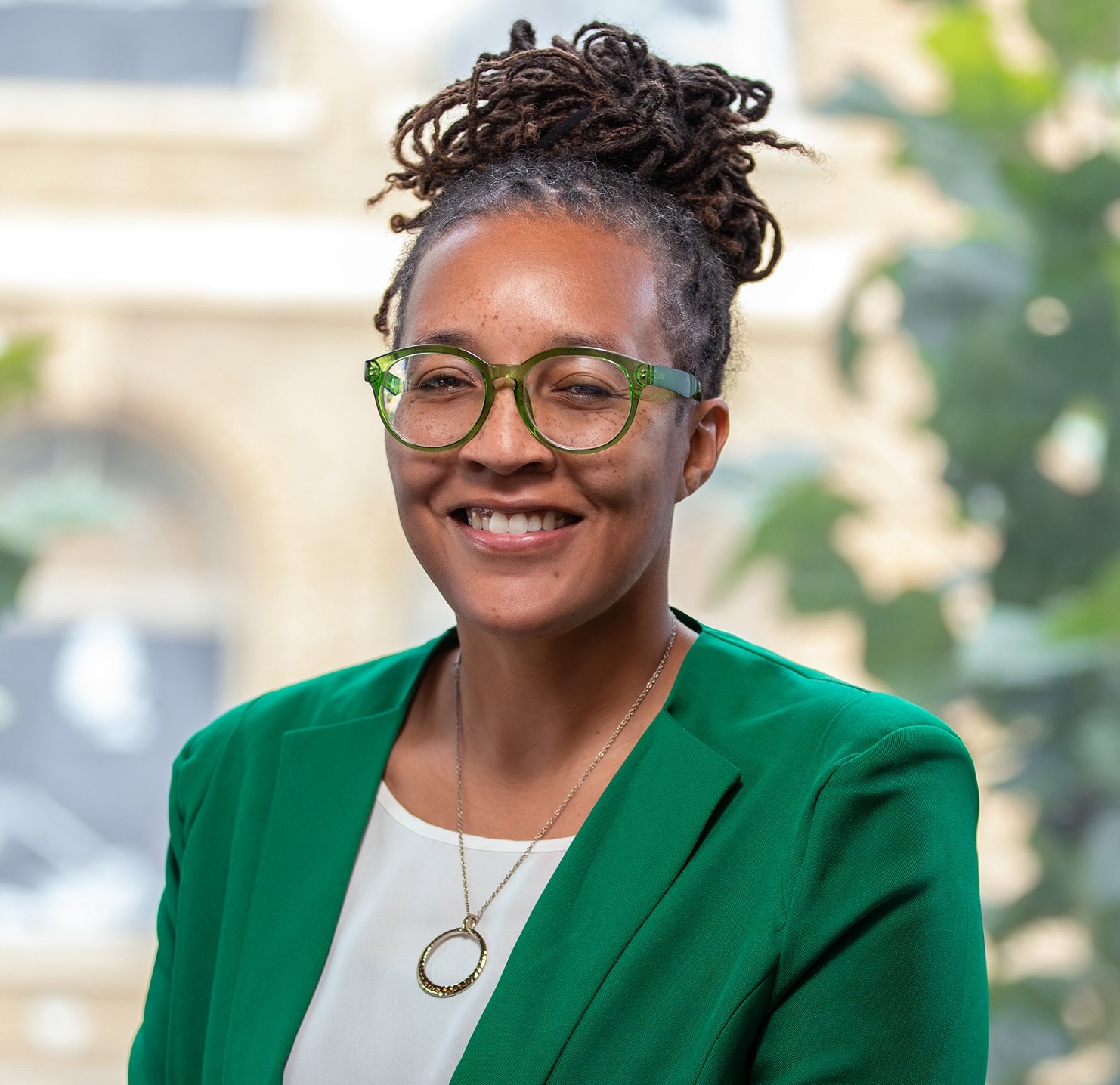
And we are so excited to be able to have this conversation with a fellow occupational therapist, all OT episode for our 100th episode. Woo, 100th. 100th episode. And we get to do that with Kristen Lienhop and she is a driving rehab rehabilitation professional and an OT of course, with 28 years of experience helping older adults stay safe and independent and engaged at home and in their communities. And she is founder of
Kristen Lienhop
Yay!
CareLab Podcast
Limitless Living Solutions, where she provides in-home occupational therapy in Missouri and Kansas, and focused on aging-in-place assessments, ball prevention, home safety, and comprehensive driving evaluations. Kristen is a community educator and program developer who partners with local organizations to bring evidence-based safety programs to seniors and caregivers. And she is one of only two providers in the KC Metro area who are doing the on-the-road
driving evaluations in clients' familiar driving environments. And that is so important and we're gonna talk about all of that. And Kristen, thank you so much for being on.
Kristen Lienhop
Thank you so much for having me and what a thrill to be a part of your 100th episode. What a great milestone. Congratulations. Yeah. that's wonderful.
CareLab Podcast
I know. Can I? Half-assed dance? Yes! I know. I'm pretty excited about that. I'm pretty excited about it too. So yeah, pause. I'm cut this out. I'm gonna fix this so we can see better. Yep, there we go.
CareLab Podcast
Okay, okay. Okay, so Kristen, this is very exciting to hear about because there aren't necessarily a whole lot of places people can go to get driver rehabilitation. Can you start though, just by telling us like, what does that even mean?
Kristen Lienhop
Okay, sure. So driving rehabilitation is an area that's been in practice for years and yet it is just a very small niche that appears to be so hard to attain that there's only 300 driving rehabilitation specialists currently in the country. And a lot of those are approaching retirement age.
So it's a great field to go into. Primarily occupational therapists and physical therapists are the people who end up getting certified in driving rehabilitation. But there's also driving educators like those who run driving schools, sometimes prosthetists and different people that are in the rehabilitation field will get interested in driving rehab.
VAs have robust driving referrals and some will have their own driving programs. And then also vocational rehab in most states will help support drivers getting back to work of their own ability through driving rehabilitation. So driving rehabilitation focuses on the safety
and ability of someone to continue driving in a non-traditional way. That can be for variety of reasons. There can be acute injuries and traumatic events that happen that affect driving. Think of spinal cord injuries, amputations, stroke, those types of things. And then there can be subtle changes that occur, either because of chronic
illnesses and disease or just with normal aging that affect our skills of driving. So driving rehabilitation has two key components. One is the evaluation and assessment of a person's driving skills and ability to drive safely. And the other is to rehabilitate or remediate the skills of driving with adaptive equipment or strategies in order to stay safe on the road.
CareLab Podcast
Okay, so you talk to us a little bit about like what it is that happens at driving rehab and what kind of diagnosis might end up there. But maybe tell us a little bit about like, what does it mean to actually have an assessment? Like how do they get to you? Why should they get to you? How do they get to you? And then what happens once they get to
Kristen Lienhop
Okay.
Kristen Lienhop
Yes. Well, one thing to notice and you know, I know this podcast is primarily geared toward caregivers. And so you could be a caregiver of someone of any age, clearly. But older adults can be among the safest of drivers. If you look at statistics, they're usually not engaging in distracted driving activities like phone use or talking while driving.
And they're very experienced. I like to tell everyone that I work with that it's not about knowledge, know-how, experience. It's about all the skills that are needed for driving and instantaneous reactions and responses to the information coming at you while you drive. And some of those skills we have changed naturally over time. older drivers tend to be more at risk if they are in an accident for injury.
and fatality because we just don't have the margins health-wise when we're older. The other thing that I've noticed is that there's more injuries in chest, head, and extremities for older drivers. And what's interesting about that is that in my practice, I found that a lot of older drivers have cars that are 20 years old or more. They are paid off and they're not concerned about upgrading, but they don't have many of the safety features.
that are now standard in vehicles and some of them don't even have airbags. So that may be, you know, that's anecdotal, but potentially, you know, part of the reason that injuries are worse. There are a lot of signs that people will notice, especially caregivers and loved ones about, you know, someone may be starting to have some trouble with their skills of driving. So there are some really good self-assessments out there.
If you look at websites like AAA and the Hartford Institute and BCAT, they have a series of questions that you can ask yourself. And so things to be looking for are, am I getting lost in familiar areas? Am I feeling stressed or like everyone around me is more aggressive? Driving too fast, you know, does it feel like driving is not
Kristen Lienhop
a comfortable and easy activity any longer. Are there any unexplained scrapes, dents on the vehicle itself that a caregiver might notice? Or even the driver like, I didn't realize that I had that issue on my car. How did that happen? And then other things to look for, kind of the stereotypical older driver that slows down below the speed of traffic.
That's typically to be able to slow down all the information, much of which is visual coming at you. So that's a real sign of people are driving, you know, 10, 15, 20 miles under the speed limit or doing very slow maneuvers between lanes or turns. That can just be a sign that the processing of all that visual information is not happening at the speed it used to.
CareLab Podcast
So if someone is noticing these kinds of things, what can they do about it? Obviously there are things that we can make better. Sometimes there are things that we can't make better. From your perspective and your expertise as a driving rehabilitation specialist and an occupational therapist, what can be done in these types of situations?
Kristen Lienhop
Mm-hmm.
Kristen Lienhop
Well, a evaluation, a comprehensive driving evaluation is really important because otherwise we're just making assumptions. I feel uncomfortable driving or mom or dad seems unsafe when they're driving, but we don't know why. We don't know what the issues are and if there's something that can be remediated. So a lot of times families will, you know, in my opinion, just overreact and say, okay, you need to stop driving when they don't really know.
the cause of the driving issues and some of them are treatable. So a comprehensive driving evaluation, we do a lot of clinical assessments where we're looking at skills that pertain to driving, including visual skills, perception, other senses of information coming in, sort of like the speed of other cars and your awareness of the size of your car in the lane, that type of thing. We look at strength,
range of motion, sensation, and coordination. All of those physical attributes help us check mirrors safely and turn to look for pedestrians in a crosswalk or parking. And we can have at some point the point where we can't physically have the endurance needed to continue driving safely as we fatigue, our skills decline. So that's something to look for.
Then there's all the testing that we do to look at how someone is not only their memory, but what kind of decision making they have, how fast they're able to respond to the input of information and how well they're able to keep their attention for skills like driving, because obviously driving attention is a key factor in being safe on the road. So some of the...
Ways that we can step in as driving rehabilitation specialists if there are issues in those key areas. So let's say someone has a visual limitation or even a range of motion limitation or a range of motion limitation with their neck, shoulders, trunk that may really affect the ability to see safely during driving. There are adaptive mirrors that can be added.
Kristen Lienhop
They make panoramic rear view mirrors that just clip on, very inexpensive to add to a vehicle. And then convex mirrors that you can put on both of the side mirrors that allow you to see more around the car, both while moving and then backing to exit a parking spot in an area where there might be pedestrians walking. Other changes are
Physically if someone has difficulty like feeling or coordinating their feet I've had a couple of clients in the last couple months who have neuropathy where they no longer can feel their feet well to know if they're on the gas or the brake which is obviously very unsafe and then I had another client with back pain that just the Her strength and coordination were fine in her foot her right foot for driving, but it would cause such severe pain
that she couldn't tolerate driving very long and it affected her concentration while she was driving in a way that was unsafe. So there are ways to learn to drive with hand controls. Also left foot accelerators if there's a issue with just the right leg or an amputation on the right side or weakness on the right side. So those adaptive devices.
require training. You know, there's usually some hours of training with occupational therapists, driving rehabilitation specialists, and then you have specialized equipment installed in your car. Then there's also strategies people can take. If someone has trouble with visual discrimination, which is kind of those black, gray, white, like as it rains, there's inclement weather or at dusk and dawn when the light is not as bright, some people have a lot of trouble with that. So we would
add restrictions to someone's driving. No night driving, no driving in inclement weather, is not always easy to do. And then there's also other strategies like increasing, you know, just getting in the habit of increasing the space between you and the car in front of you. If you're having some difficulty with reaction time.
Kristen Lienhop
so that you have some new strategies for being safe while you drive and just being a little more on that defensive driving thought that you are going to make up for some of the deficits you have by being very attentive and driving in slightly a different manner than maybe you're used to. Driving is very over-learned and a lot of us are in habits that aren't always great.
And so an occupational therapist driving rehabilitation specialist looking at that and just pointing that out like every other area of OT, you know, like, I don't know if you notice this, but you don't use your turn signal or, um, you know, you tend to drive five to 15 miles over the speed limit or five to 15 miles under the speed limit. Both cause other drivers to have maybe more aggressive behavior, um, in order to get around you or, um,
CareLab Podcast
Okay.
Kristen Lienhop
You know, just different strategies like that. You know, we may not be able to perform the way we did before, but we still can have safe driving with some extra attention to detail.
CareLab Podcast
I'm so glad you went into that level of detail to talk about like really the complexity of driving. We take it for granted because you learn how to do it at such a young age most of the time and then you do it so much that it doesn't seem like a big deal. But then as soon as something changes, which you listed like 10 things that could be impact, that impact your ability to drive from vision to sensation to even just range of motion. And not all those things are permanent, right?
You might have a hard time driving after a hip replacement or some surgery, a knee surgery, but that is going to get better over time. so, but you need to be mindful about that as opposed to just like not talking about it at all. And I think there's so much fear that somebody is going to take away your license. Yeah. that people don't want to deal with it, but then you're at such risk, and putting everybody else at such risk. And so.
I guess I'm interested in understanding, you talked about one restriction, which would be like no night driving. Can you talk a little bit more about some other restrictions that can be placed on your license and like how that works and how that can create more access as opposed to restricting?
Kristen Lienhop
Yes, that's a good question. Well, driving is all led by each state. So it is very different depending on the state you live in. I practice in both Missouri and Kansas and the licensing and the rules around health and visual issues for driving and driving assessment are very different between the two states. If you have any restrictions that you need for driving, they should be
on your driver's license so that it keeps you safe, keeps the community safe, and the state is aware of how you're driving. Just like for all of us from a young age, if you need glasses to pass the vision exam, you have a restriction on your license that says that you will wear glasses when driving. So there are many other restrictions that can be added.
As I said, if you use any kind of adaptive driving equipment that's considered a mechanical aid, so you would have that on your license that you drive with a mechanical aid, then there are restrictions around, can be around highway driving because that is high complexity, higher speeds and higher costs. So that can be a limitation as can other proximity to one's home.
You can have, I think in Kansas, a 25 or 45 mile radius restriction. And that just ensures that you are driving in familiar areas where maybe if problem solving or memory is an issue, it's less likely that you're going to get lost in an unfamiliar area if you stay close to home. You know, driving, we have different types of
engagement with the car. There are operational tasks that we do like being able to just turn the ignition or put the car in drive. Then there's tactical driving which is the ability to smoothly integrate the car in the environment. So like making smooth acceleration while turning the wheel. Most of those two aspects are very over-learned.
Kristen Lienhop
and stay intact. Sometimes there can be issues with that, but the area that is the highest level of driving is considered strategic driving. And so that is all the planning, know, keeping in mind where you're going and how to get there, following the rules of the road and the signage, responding to other vehicles and pedestrians in the environment in a real-time way.
So those restrictions, while wonderful for some clients and keeps them on the road, can also not guarantee that someone will be able to conduct safe driving within that limitation indefinitely. So it's really important that if someone's driving with restrictions that they have a driving evaluation about annually. Sometimes it's we consider it every six months depending on
the circumstances. If someone has something that might progress like a visual issue, a cognitive issue, or a disease like Parkinson's or multiple sclerosis where it will advance, then reassessment regularly like six to 12 months is really what's recommended. But there are a lot of adaptations that we make that that's kind of the fix. If you drive with
the prescriptive lenses and have the mirrors that you need, know, those things, if your vision is stable, can allow you to drive for potentially decades safely. Same with mechanical aids, you know, there'll be individuals who lose the ability to drive in the standard way with gas and brake early in their lives and they drive with mechanical aid for decades.
CareLab Podcast
Okay, so I have a question for you, because I think that a lot of people, again, because driving is such an emotional thing, it's such a cultural thing, especially in America, we are, you know, like cars. It's the main form of transportation. It's the main form of transportation. It's like deep within our soul that we are, our cars are part of us, we are part of our cars, right? I think even the thought of having...
Extra restrictions on a license might be so scary for people that they might rather just Ignore what's going on and sort of like cross fingers and hope that hope for the best then go and figure out what those restrictions might be Can you talk about how actually? Knowing what's going on and maybe having a restriction or maybe not but just having that can actually increase independence and increase access for longer versus just being like I'm gonna sweep this under the rug and hope for the best.
Kristen Lienhop
Yeah, that's such a good point. Both things, one that, you know, driving is just, it's freedom and autonomy, especially in communities where there's not good public transportation, which, you know, the majority in Missouri and Kansas are living in those types of situations. It really takes away the spontaneity of just, I'm going to go do this thing right now. And it's a huge loss. is.
something to grieve when lost and there's a lot of planning that has to take place. But I like to tell people the statistic that the AAA put out that most individuals will outlive their driving skills by seven to 10 years. So all of us need to realize that there will become a time where our skills for driving don't match with safety still.
and that we should be responsible in seeking out how to protect ourselves and others. You know, it's the most complex activity of daily living, instrumental activity of daily living for those OTs out there that we do. Unless you're a pilot, there's nothing more complicated and that has more risk to the community. So to realize that planning ahead and
having a real understanding of what your skills are and being able to adapt when needed rather than having an accident that could cause bodily harm to you, financial strain, liability issues, and really be a large crisis in your life. If we can prevent that and plan ahead and know
how to drive safely for longer, prevent some of those negative outcomes and make small changes. To me, that's a really good trade-off. I think occupational therapists in general have not spoken or addressed driving traditionally.
Kristen Lienhop
I've worked in two different hospital systems for my career and it was just even with inpatient rehab, it's nothing we really addressed that head on. And I think that is unfortunate because of how important it is to people. And I think when people don't know that there are options, that you're right, they may just go ahead and drive and say, you know, well, I'm gonna hope this goes well.
The other thing is that there's a lot of providers out there that aren't informing people and educating on the risks associated with their illnesses, like the gentleman I had with neuropathy. He's been seeing a neurologist for three years and his primary care physician was also well aware. And no one had given him any information about driving risk that he should be evaluated, that it might affect his driving.
So that's a real need in healthcare that we should be addressing. Generalist occupational therapists definitely have a place, you know, don't have to become a driving rehabilitation specialist to address driving, to see how important it is, and to assess some of those clinical skills that go into driving to say, you know, I think because of, you know, how you're doing in this, this, and this area, it would be good to.
seek out a comprehensive driving evaluation with a driving rehabilitation specialist.
CareLab Podcast
I'm so glad you brought that up in that way because there are a lot of occupational therapists in the world and it is a daily activity for almost all of us after a certain age, right? And I actually have started driving program in a place where we were doing outpatient neurology care. So the people there had all had some kind of something happening with their brain. because there was not like their families were worried.
about wanting to be like they're moving around better. They're taking care of themselves. They're getting dressed. Yeah. And now like, yeah, I need to run to the store. And their family's like, I don't know if you can run to the store. Yeah. And so there's this like tension about that, but nobody's actually said yay or nay. Yeah. Right. And no one actually wants responsibility. Nobody wants to do it. have always thought it's so interesting. You touched on this too, Kristin, that a lot of times providers will just give the thumbs up or thumbs down.
Kristen Lienhop
Yeah.
Kristen Lienhop
Yes.
CareLab Podcast
Seeing someone in a clinic or in their office Where there's really no way to actually know that you know when in fact to your point Driving is so fantastically Complicated yep, we really do need someone to take a deep dive with that and not just say like yeah It's been six months, so you're probably good to go or or just blanket. No you can't do that when maybe they're
Kristen Lienhop
Mm-hmm.
CareLab Podcast
be options for someone. it's really partly, it's also just like a failure of our healthcare system and a failure of just not knowing what's out there. What your options are for that. like for all the people who are family caregivers who are like, no, I'm taking away the keys. I'm not saying that you shouldn't do that. But I am saying, I think we're all saying you should make sure that that's been evaluated, right? And that there is a professional who can help you figure that out.
Kristen Lienhop
Okay.
CareLab Podcast
For example, when I was on the East Coast and we had our driving program, it's all directed by the physician. And so they're the person who can say, or nay that you can drive, but they don't have any of the information that they need in order to actually make a good decision about that. So they either didn't do it or they were just like blanket, yay or nay without enough information. And so you as the family caregiver can take the initiative to look for resources to be able to go figure out what's going on. Because at least in my time,
Kristen Lienhop
Yes.
Kristen Lienhop
Right.
CareLab Podcast
the number of keys that were actually taken away was like 1 % or less of all the evaluations we did. It was more about putting on those restrictions, changing the driving habits, adding the mechanical changes to the car so that you can be functional. But the hard part is that out of all the things you do every day, driving is the only thing we can't completely modify, right? Like if a kid's having trouble at school, the teacher can accommodate for that and they can have stuff around them. If you're having trouble at work,
The workplace can accommodate for that, but you're having trouble with driving. The rest of the people don't know that you can change this up in the car and how you do, but you can't change like how fast everybody goes around you. know? And so that's one of the things that makes it really complicated for modification, but it's, needs assessment. think is the biggest thing. And so if somebody is in this situation and they're not in the Kansas city, Missouri area where they can find you.
Kristen Lienhop
Yeah.
Kristen Lienhop
Mm-hmm.
Kristen Lienhop
Yes. Yes.
CareLab Podcast
What are some ways to be able to find help for this? like, since there's no trigger point, you know, they may or may not get an OT that says, yes, go do a driving that or a doctor that says to do that. So they're hearing us today. How can they go about finding help?
Kristen Lienhop
Yes, great question. think people should, know, in all areas of healthcare, we need to be advocates for our loved ones. And so bringing it up to a primary care physician or neurologist, you know, should be part of the conversation. I find that those physicians that are approached with, can we order a driving evaluation? They never say no. Like you said, providers don't have the time to do the testing. They're not really sure.
And no one wants to take someone's keys away, you know, too early, you know, without knowing. So again, it's better to assess than assume. So just right off right there, ask your physician, you know, do you know of a rehabilitation specialist? Can we have an order for driving evaluation? You can look on aded.net, A-DED, not net. It's the National Driving.
CareLab Podcast
And we'll link that, we will link that in the show notes too.
Kristen Lienhop
Wonderful. So that's the National Organization of Driving Rehabilitation Specialists and everyone who has the right qualifications as a driving rehabilitation specialist will be listed there. They do have membership and education and all kinds of offerings also that are on there.
website so you can get lot of good information. But it's a great way to find people in your area. I think you put in the state and maybe even the zip code and can find a practitioner. I've also done Google searches because I've been trying to see who's in the area. And that's another way to find you want to look for, again, driving rehabilitation or driver rehabilitation. One other thought that I have about
being proactive for our loved ones is just normalizing the idea of drive-in retirement. Again, it's something that most of us will face at some point if we are lucky enough to age that long. So bringing up the issue, talking about it openly, the earlier we address it, the more autonomy and ownership and decision-making an individual can have about it.
There is the idea of having what's called a driver planning agreement. AOTA and AAA have a form that I'll give to you guys to link for that as an example. But basically the individual lists their preferences and their plans for driving, how they want to be kind of talked to about driving when things are noticed that may be risks and concerns.
And it lists trusted individuals that they want to speak to about it, whether that's, you know, a caregiver, a spouse, an adult child, a physician, a social worker. But the individual signs it. And so later, even if there are issues with memory or there's a lot of reluctance, you can review the form and say, you know, we talked about this, we've been planning and we're seeing some of those things. So why don't we?
Kristen Lienhop
agree to follow the steps. And usually the steps will include having driving evaluation and then following any recommendations that were made in the process of being evaluated. But also with driving retirement, we need to think about just practicing early, alternative forms of transportation.
CareLab Podcast
Yeah.
Kristen Lienhop
I like for people to look at their schedule, look at their week, what are the things we do in this week, which things does the primary caregiver need to be at and which things don't they need to be at? Are there any activities that a friend or loved one could take them that would be a, you know, a beneficial social outing and an access and an opportunity to be around people we enjoy and love? And then are there paid services we could use?
We are living in the best time of history to be without keys because of services like Lyft and Uber, ride shares, public transportation, older adults, there's a lot of shuttle services and that type of thing. And then if you just think about all the delivery options, DoorDash, can get your pet food delivered that day.
for no cost rather than having to run to the pet store to get the food. Setting up your pharmacy for three month prescription counts that just are delivered to your mailbox. Online banking, you know, I have a lot of clients that still go to the bank to pay their bills. So there are some, you know, changes we can make and we may need, you know, training and, you know,
getting used to the idea of doing things a different way. And again, occupational therapists are well suited at helping people problem solve and strategize what adaptations and changes would be helpful and then practicing implementing them so that if you have to stop driving, it doesn't mean you're losing independence and participation in community and things you enjoy doing.
CareLab Podcast
Yeah. Can I tell y'all a story? Yeah. I worked with this lady who had macular degeneration. So she had in her mind been proactive about the idea of driver retirement. And I'm so glad you gave us those words. She didn't have those words, but that's what she was saying. And, you know, she brought that up in just a regular OT evaluation. This was not like a driver's evaluation. And, you know, over the course of months, we worked on that, you know, exactly what you were saying, which is like, let's look at the schedule and decide, like, where do you go?
And then who is already going there that might be willing. And she's like, yeah, actually, my cousin said that if anytime I need to ride to church, I can just ask her. And I have never done that. was like, this week, let's not do all this at once. Just this week when you go to church, even though technically your license hadn't gotten taken away at that point, she hadn't been back to the eye doctor yet. See how it goes. And she came back the next week and was like, it was so great that we went to.
church together, it's right on her way, we went to lunch afterward and like turned into this whole thing. And then later we took the next step, which was like, okay, some of this stuff I want to actually order, right? And I don't know how to do that. And I can't see it on my phone. So how do I, how do we get set up to do that? And so we worked through that over time. And in, in the course of that, she actually did end up going to the doctor and having another evaluation of her eyes. And they were like, actually you, you can no longer drive.
Kristen Lienhop
Yes.
Kristen Lienhop
you
CareLab Podcast
and they took her license away and we had some weeks of grieving and intentionally didn't really talk about her driving mostly. just let her deal with the fact that she wasn't gonna be driving anymore. And then because we had talked about it before she actually lost her keys and then she had time to deal with it for herself. And we had also started the process of thinking through how she might continue to get around. Once she was ready to do it again, she was like, okay.
Kristen Lienhop
cool.
CareLab Podcast
Now I still have these three problems of where I'm trying to get to, how are we going to do that? And we figured out solutions and none of them were like the same thing. It wasn't like my daughter's going to take me everywhere. It was like, my daughter's going to take me to the doctor. My friend takes me to here. I go to the movies with this other friend who likes to go to the movies. And it ended up being that she continued to maintain her independence even though she had lost her keys over those months. And so I think that was like a testament to her because she thought about it in advance and like actually asked for some help to do it.
Kristen Lienhop
Yeah. Yeah.
Kristen Lienhop
Mm.
CareLab Podcast
Not knowing what the solutions were, but just knowing she needed help. And then she maintained her independence, living alone and still not being able to drive and being able to do the things that she wants to do. So I think it's like totally possible. It's just nobody likes to do extra work to change the way their life is. And nobody likes change. But if you can be proactive and like do the paper that you were just saying and like make a plan, you can make all the difference. Yeah. I think that's just like another really good. So something we talk about all the time on CareLab.
Kristen Lienhop
Yeah.
Kristen Lienhop
Yeah.
CareLab Podcast
is the power of planning ahead, of thinking ahead for a future where things don't look exactly the same way that they are right now. And the power in that is not about being Debbie Downer and saying like, things are going to change and blah, blah. But it is the power is in maintaining independence because when we do that, we're actually preventing harms from happening that could
significantly and dramatically, especially in the case of driving, right? Change not just our lives, but someone else's life too. And when we can be proactive, I think that's such a great story that you told because in this case, not only was this woman able to maintain her independence, but it also helped her like build stronger relationships with her family and her community. And that's nothing but positive. Like that is, that's actually a
Kristen Lienhop
absolutely.
CareLab Podcast
benefit that probably no one would have seen coming.
Kristen Lienhop
Absolutely. And you know, I just really feel like planning for your aging, it's been very emphasized for finances, right? We all think we're going to retire one day. So we start putting money away in retirement. We see a financial planner. We might go to a lawyer to have our will written up, those kind of things. But as far as our own health and health care, we're very reactive. We'd wait for some crisis.
CareLab Podcast
yeah.
CareLab Podcast
Mm-hmm.
Kristen Lienhop
to occur and then we have so many fewer options. So I think that's so wonderful to talk about normalizing, mixing it up, trying different ways of transportation, ways of accessing items that we need before it's a have to. And I think, you know, in general, as people age, you know, there's a lot of loss.
neighbors that move away or pass away. There's adult children who are busy and grandchildren who've gone from, you know, kids who love to visit grandma to being out of town and not around as much. And so I think, like you're saying, opening up these doors to alternative transportation, it honestly
helps with a huge area of risk for older adults, is loneliness and depression. And, you know, it encourages people to continue those relationships with more than just one or two people and going in, participating in items that aren't just have tos like doctor's appointments, but doing things that are meaningful and rewarding with other people. So I think, you know, again, it's kind of
looking at it a different way, but sometimes there are unexpected benefits from planning ahead and trialing some of these different ways of transportation before you need to.
CareLab Podcast
And ultimately like that's kind of what it's all about. That's what we're all after in our lives now. And as we age, we want to have a high quality of life. And that means togetherness, means community, that means participating in the things that we care about. What it doesn't mean is doing it in the same exact way we've always done it. using the like, or doing it all on our own.
Kristen Lienhop
Yes.
Kristen Lienhop
Yes.
CareLab Podcast
In fact, it's usually the opposite of that, right? So think keeping that bigger picture in mind about this is about the quality of my life and about being with people I care about and about doing things that I care about, not necessarily about this set of car keys or the one way that I'm used to. That openness to change, that curiosity, you know, and keeping your eye on that, that big prize of what do I want my
Kristen Lienhop
Yeah.
CareLab Podcast
quality of life to look like and what does that mean to me? That can, I think, maybe also help make it a little less scary. Yeah. Well, Kristen, I really appreciate you being here. You also told us how anybody can find a driving rehabilitation specialist across the country. But if people are actually in Kansas or Missouri, how can they get in contact with you?
Kristen Lienhop
Absolutely.
Kristen Lienhop
Yes. Well, you can look at my website, which is www.limitlessathome.com. I have all kinds of information about driving, driving rehabilitation, driving retirement, and other risks with aging besides just driving. And I'm available, you know, at any time that my phone number and email are linked there. Kristen at limitlessathome.com is my email.
My final takeaway for caregivers is just to ask questions early of providers, ask questions early of their loved one. What is important to you? What matters most? And what do we need to prioritize? And just to partner with professionals. This is not something you have to do alone. I would much rather be the bad guy saying, you know, based on this information that is objective and we know.
you know, we can no longer drive rather than just based on assumption taking keys away prematurely.
CareLab Podcast
Well, thank you so much for being on this 100th episode of Care Lab. Yes. Another all OT episode, which we love to do here. If you are listening or if you're watching and you made it to the end of this episode, please take a moment to like, subscribe, follow, share, and most importantly, comment, leave a review. These are the best ways for us to continue to grow our reach, to grow our audience, and reach more people like you who would benefit from having this information.
Kristen Lienhop
Woo!
CareLab Podcast
Until next time, we'll see you right back here on CareLab. Bye. Bye, everybody.
Do us a favor and subscribe to the CareLab podcast on YouTube, Spotify or Apple Podcasts! It will help others find our conversations and grow the community and you’ll stay updated with the latest insights and expert advice on elder care.