
Summary
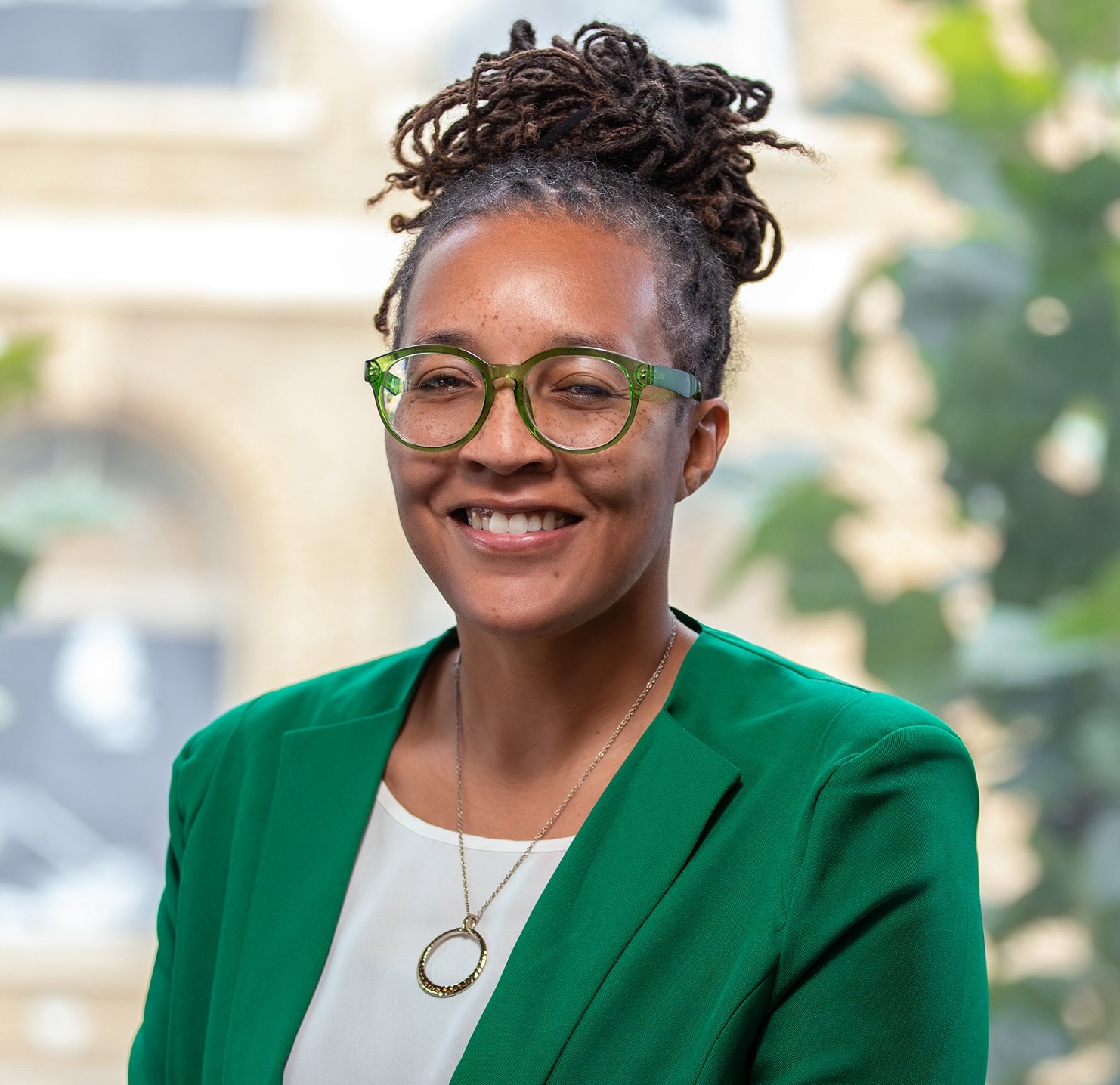
In this CareLab Masterclass episode, occupational therapists Emilia Bourland and Brandy Archie sit down with Carol Chang, author of Age in Place or Find a New Space and founder of Evolving Homes, to discuss practical, safe, and stigma-free strategies for aging in place. The conversation explores real-life examples of home modification challenges, the importance of involving clinicians early in the remodeling process, and how intentional planning can make homes safer and more sustainable for the long term. Carol also shares the origins of her business, insights from working with AARP and Toyota Research Institute, and her mission to make aging-friendly design accessible and affordable for all.
Key Questions Answered
-
What are some of the scariest home modification mistakes OTs encounter?
Unsafe DIY setups, like suction-cup grab bars or makeshift ladders, can cause serious injuries. These “solutions” often give a false sense of safety and highlight why professional input is essential. -
Why do expensive home renovations sometimes fail to meet clients’ needs?
Many remodels are done without consulting a clinician. Well-intentioned but uninformed design choices can make spaces inaccessible or unsafe, even after spending large budgets. -
What inspired Carol Chang to start her business and write her book?
Seeing repeated gaps between hospital discharge and home readiness, Carol launched Evolving Homes to guide families through proactive, practical design. Her book serves as an accessible, DIY-friendly resource for planning safe, functional living environments. -
How can homeowners and caregivers make homes more aging-friendly without overspending?
Many universal design features—like lever handles, wider doorways, and rocker light switches—add little to no cost when planned early. Thoughtful, incremental upgrades save money and stress over time. -
How can occupational therapists have a greater role in home design and policy?
By being visible and assertive advocates. OTs bring expertise in functional design that benefits everyone, and their involvement early in planning and code development ensures that homes and communities are both beautiful and accessible.
Transcript
Emilia Bourland, OTR, ECHM
Our homes and environments shape how we live and how we age. But what happens when our environments become barriers instead of comforts? In this episode, we explore how smart design, simple modifications, and a little creativity can transform any home into a safer, more empowering space for aging in place.
Brandy Archie
And I am so excited that we get to do this in a conversation with Carol Chang. She's a globally recognized aging and place expert, occupational therapist. So she gets double points for that and host of MedBridge Innovative Aging podcast. And so she is also the founder of Involving Homes and the author of Age and Place or Find a New Space, which I got right here. And she helps families plan ahead with elegant stigma-free solutions.
and her work is trusted by MIT's Agelab, Toyota Research Institute, AARP, and UBS. Carol, we are so glad to have you on the podcast. Thanks for joining us.
Carol
Thank you for having me you guys, this is so exciting!
Emilia Bourland, OTR, ECHM
Yeah, this is gonna be a really great episode. I also think it's a really great, I know this is Halloween. This is our Halloween episode, but a great episode to listen to going into the holidays because we're about to all be together with our families. Y'all are about to maybe see some things that you wish you had not seen or that you're not sure what to do something about. So this is probably a good episode to kind of get you some ideas or some resources to kind of solve those problems going forward.
Brandy Archie
Yes.
Emilia Bourland, OTR, ECHM
Now we haven't done this in a little while, but because it is the Halloween episode, I wanted to start with a fun question. Is that okay with y'all? Okay, okay. So we're all OTs here. We've all done a lot of home modifications. What is the scariest thing you've ever seen doing a home modification in someone's house?
Brandy Archie
I'm down.
Carol
Let's do it.
Carol
my gosh, do we have two hours? For me, I think the scariest thing I've ever seen is somebody trying to get down into their garage using a big ladder with like one of those step ladders where he was holding onto the step ladder instead of using the stair rail. And he reasoned that, hey, if it's cold, I don't want to touch this metal. So I'm going to put a towel over it and I'll lean forward, put all my weight onto it.
Brandy Archie
Hahaha!
Carol
and then take those really steep steps down. And so I was like, whoa, like concrete garage floor, slippery towel, dark spaces, nobody's finding him in the garage if he falls. So that to me was frightening, absolutely frightening. Made sense in his mind. It was scary though for me.
Brandy Archie
Oh man. He raised it all the way through it. That's yeah, for sure. I think I've seen a lot of scary transfers happen in my day. But the thing that like consistently makes me be like, is suction cup grab bars. And so when I see those, was that yours? But it's one of yours. So you got more to say. When, okay, so.
Emilia Bourland, OTR, ECHM
Yeah.
Emilia Bourland, OTR, ECHM
dang it. You stole one of mine. Sort of, sort of. Yeah, go ahead, go ahead.
Brandy Archie
People make good reasons, they are cost effective, they can go on anything. And when you put those section of grab bars up, like they just constantly coming off the wall. And people are like, yeah, I always check it. And they like check it and it's like half on. I'm like, see? Okay, but you're not gonna check it when you're losing your balance, right? Like you need it to be working for you all the time and not have to be like not available. And then the other scary thing about that is on the package it says, this does not support your weight.
What is a grab bar for except to support your weight? They are telling you upfront, this does not do what you expect it to do, but please buy it anyway. I can't deal with it.
Carol
So Brandy, I gotta jump in there for just two seconds, because I literally have like a section in my book that's like grab bars are not, suction grab bars are not the enemy. And you know why? They are a gateway drug. They are like, you know, I'm telling you, these got, what you need is like that suction bar to come off all the time. And they're so inconvenient. They're like, okay, fine. You're right. It does help to get in there. Fine. I don't want to have to deal with that stupid thing all the time. All right, we can put it in.
Brandy Archie
Yeah.
Brandy Archie
I'll go ahead and do this. That's a very much more positive way to look at it. You're right. It is, it can be a gateway drug, but it's scary until it actually turns into a real grab bar or something else to make you secure.
Emilia Bourland, OTR, ECHM
Yeah, hopefully it doesn't kill you first. yeah. No, seriously, I once had a client who was using a suction cup grab bar on their glass shower door, which is a common thing that people do, right? Because you think this can go anywhere. It's a nice smooth surface, but glass shower doors are not meant to hold your weight up either. So neither the suction cup or that door.
Carol
you
Carol
Mm-hmm.
Emilia Bourland, OTR, ECHM
is meant to hold you. And in this particular case, which I had warned against, said, really, I don't recommend you do this because if it does hold, there's a good chance that shower door comes down on you. The next week, that's exactly what happened to this person.
Brandy Archie
my gosh.
Emilia Bourland, OTR, ECHM
And they ended up, yeah, and they, I mean, they ended up long-term, they were okay, but did they get hurt? Did they go to the hospital? Yeah, it was totally avoidable. anyway, real, real big bummer on that one. But okay, so here's my scary thing since Brandy stole mine. I think that one of the other like big, most blanket scary things that I've seen going into other people's homes is actually when,
Carol
hate it when you have to learn the hard way.
Emilia Bourland, OTR, ECHM
someone else who was maybe very well intentioned but did not know really what they were doing for that person has already been in the home and made expensive modifications that are not working for that person. And that's both, and that's really a sad situation too because a lot of times at that point the person has spent their budget for any modifications which may or may not have necessarily been needed, right? And now they're in a situation where they spent a bunch of money and
Brandy Archie
my gosh, yes.
Emilia Bourland, OTR, ECHM
know, the shower or whatever is not accessible for them. And then we have to kind of like backtrack and figure it out. So that's my scary one.
Carol
my gosh, I completely agree with you. remember going into a shower assessment and the shower, you know, first of all, I don't love inclines anyway, because you're just outside of like an ergonomic grip that you just don't have the strength in there. But instead of an incline, it was a decline. And I was like.
Emilia Bourland, OTR, ECHM
Mm-hmm.
Carol
How did that happen? And she told me that her son reasoned, he had a reason for it about if you fell, then you could do this or if you want, he had some functional reason that made sense in his head, but he's not a clinician and he doesn't know any better. And so he just put it in like that. And so, you can't change things like that. You've already drilled into the tile. mean, what are you going to do? And now you're basically promoting bad motions or bad.
Brandy Archie
Mmm.
Carol
directions, you know, because of where you happen to place those grab bars. Now it's fixed in there. So I completely agree with you.
Brandy Archie
Yeah. I had a patient that...
had just done a whole bunch of remodels, just like you're saying, in this scary situation. He has a beautiful looking bathroom. They did a good job, but he had a progressive disease. And so his function changed. And now this shower that was, it used to be a tub, so now it's a walk-in shower, but it still has a step. He can't step over the step. They put in glass walls and a glass door. And so then that didn't give him the space he needed to like maybe put a tub transfer bench in there. So he could, you know, scoot over from his chair over there, cause he couldn't step up that step anymore. And...
So they were just like, it was not nothing we could do. I always felt like there's something we could do, but it's just like sad that like you already spent your budget on doing this. You took the effort to invest in your home. And because we didn't have any like clinician involved, frankly, to like think about the long-term impacts here of what might happen, you didn't quite get it right. And now you're still not able to use the shower. You know, like that is not only scary, but sad.
Emilia Bourland, OTR, ECHM
Mm-hmm.
Carol
It is, but it's unfortunate. It's just because people don't know to look for us. mean, literally, I feel that a call yesterday from somebody who had seen me quoted as an expert contributor in the Wall Street Journal, and there's like a remodeling cost calculator in there. she's clinician, but not like a, not a rehab clinician. And she saw it and she said, my gosh, like, I didn't even know people did that. Are there lots of you out there? What's going on around it, right? Like people literally have no idea that,
Brandy Archie
Yeah.
Carol
that there is a resource out there that can help them, which I think that that is the bigger issue of why OTs need to have podcasts because to share that message and say, like we are here to help you do this because people don't know to look for us if they don't know we exist or what we can do.
Brandy Archie
Mm-hmm
Brandy Archie
Totally. And I think that's like a good lead in for you to talk about like, why did you write the book? like, tell us a little bit about like your experience as an occupational therapist and why you felt the book was important.
Carol
No.
Carol
Yeah, so how about I give you a little origin story? So, I mean, everyone's got a reason why they leave clinical care, right? I've been in OT for 27 years, so love, I love home care. I've done home health, I did home health for 13 years, probably, it's my favorite. Real life, real stuff. I was a big MacGyver fan when I was a kid. So, I don't know if you guys remember, but like, you know, maybe seven or eight years ago, probably.
Emilia Bourland, OTR, ECHM
You just became one of my favorite favorite because I'll always tell people like when I was teaching in in grad school was like you're just so what we're learning here is how to become MacGyver and half the time my students were too young to even like know when I was referencing so anyway sorry continue
Brandy Archie
Exactly!
Brandy Archie
Ha ha ha ha!
Carol
It's too, but they're missing out. They're missing out. And actually I've made my kids watch it because it's so cool. It's still so cool. I mean like, how does that guy make like a, I don't know, this out of this? Like what? Under pressure. It's awesome. It's awesome. Yeah. I reference it a lot in my book, but yeah, like, you know, I love that problem solving stuff in the home. You know, there's no big blue button to call in resources. I mean, you're the resource. You're figuring it out. It was super fun. And you get a chance to really get to know your patients really well. I mean, I love that. Like you're watching how they progress.
Brandy Archie
you
Brandy Archie
Absolutely.
Carol
and how everything goes. you know, like under all of these healthcare pressures, know, agencies still have to make money. And when Medicare started saying, hey, look, we pay for arm exercises. We don't pay for you to look on Amazon to help them find the products that they need or help you schedule a contractor to figure out where these things go. Right. This was a problem to me. And, you know, I saw this huge divide also that was happening between the hospital and home. So as the home care therapist, I get in there
Brandy Archie
Mm-hmm.
Carol
And you know, the starter care, they've been home for seven days. They're thinking I'm coming to give them a shower and I'm saying, I'm so sorry, but I have like 12 pages of an checklist email or a eval that I've got to complete.
Brandy Archie
Yep.
Carol
I can't do that, you know, you can't, you know, these, you know, we are people and we can't just leave them hanging. So what would happen is that I would end up closing my computer, helping them do the shower, teaching them the things, and then doing all that paperwork at the end of the day. So you can envision, you know, now you're doing twice as much work and I was just on a road to.
Brandy Archie
I can't do a shower today.
Carol
burnout. I was like, this is just craziness because part of the reason that that started was because you can't have part A and part B. So meaning that you can't be in the hospital and have somebody come to the house first to check, get all the stuff ready, prep everything. So there isn't this ridiculous emergency there.
So, you know, that's where I saw the gap and I said, okay, like this is what this is the resource people need. So I started my business with, you know, reaching out to the case managers that I already knew and said, listen, like if you have people, especially these ones that are traumatic, like the brain injuries, the spinal cords, the strokes, these are people who one minute they were fine and then the next minute they weren't. So, you know that that environment is not going to match what that person needs at that moment. So they would call me and
Brandy Archie
Hmm.
Carol
say, look, like we've got this person getting ready for discharge. They've got, you've got two, three week lead time. Go to the house, like go with the, family, do, do an assessment and see like, what do they need? And when, when people give me that much lead time, we can talk about like an intentional plan. So let's take that pool of money and we'll put it to the best efficient use possible. So buying something nice, having time and space to decide, I want something beautiful.
or we can't afford this one, but we can afford this little bit of jewelry and time to schedule that contractor. So, you know, that is the origin story of my business. But, you know, as all of us know, the need is so great. mean, so great. I could probably see five people every single day and still not even make a dent in what people needed. So I started, I recognized that really early and I was like, okay, how do you reach more people? You go through maybe through corporate stuff. So
Brandy Archie
Yeah.
Carol
I was looking at a lot of these solutions and I realized, okay, I have a lot of skills as an OT to help people understand what are those mindset and mindset challenges, environmental challenges that need to be solved that don't have a current solution. So I am a mentor for the Agetech Collaborative. AARPH Tech Collaborative is an ecosystem of startups and different people that can test beds, things where we can try to work together in order to accelerate solutions that
can actually work and make an impact. So that is kind of where I started with that and really understanding, okay, people are wanting to build solutions for older adults, but they don't know what the problem is. So if I can support these companies who are really wanting to do the right thing, then maybe that is a way to scale everything. but you know, again, like I always came back to the idea that the problem is money. The problem is, is that people don't
Brandy Archie
Mm-hmm.
Carol
they don't know that they need to save. So by the time that they're 60, 70, they don't have the resources already figured out for that situation, right? So it's great that you have these solutions, but if you don't have the income or resources to buy those solutions, you're kind of out of luck. So that kind of led me to the next part of why I wrote my book, which is trying to scale. Like impact at scale is only possible with education, with knowledge, with advocacy.
So I basically started writing my book about a year ago and my intent was to say, look, if somebody is not in my geographic area and they need access to the information that's in my brain, how can I download everything from my brain and put it into a format that is easy to read, that offers DIY solutions? Things don't have to be about money. They can be about moving that furniture over here or recycling this or borrowing that, but they just need to
what to borrow or what's the problem that I see that you need to try to solve in a way that is either inexpensive or something that needs to be professionally done. So my book is really set up like that as a guidebook, as a really holistic guidebook, not just for aging in place, but truly what I'm trying to do is change mindsets around healthy aging and the financial benefits of that because that's something we don't talk nearly enough about. We do not talk about the
Emilia Bourland, OTR, ECHM
Mm-hmm.
Carol
piece people are uncomfortable about that but in my opinion that's outrageous because when you stop working at 65 you're not bringing in any more money that money is fixed of what you you have so if you haven't figured out what you need you're not going to be able to afford those things so my big thing is look people need to be thinking about you know putting in
Brandy Archie
Mm-hmm
Carol
intentional thought every time they do a remodel when you buy your first house, because that way you spread out the cost, you use it for, you know, the environmental functional reasons, which we benefit from, right? As like, as young moms with strollers, with wheelchairs, your grandmother visiting or whatever, right? You, everybody benefits during this time. And then by the time that you do retire, everything will have been done. And you, have this beautiful space that works, right? So I really.
Brandy Archie
And you're good.
Carol
my rationale really was about like not only providing like my assessment basically word for word, what would I see, what would I say, what would I recommend, but on a bigger scale, changing mindsets about aging, like the stigma of grab bars and like the talking about the money thing and the reality that we're not, not everybody's built to be a caregiver.
And if people are expecting that their husband of 25 years or 50 years is going to be a 24-7 caregiver, that's unrealistic.
because that's a straight road to burnout as well. So I think having a guide, a framework to look through and make sure that you're checking all those important boxes, that's the reason why I wrote it, just to give somebody a starting point. I would, and you know, all the solution, honestly, I already knew that probably by the time the book came out or even in five years, probably lots of the products will be.
I don't know, obsolete or whatever, but the point of the book was to provide that base and say, okay, here is how I want you to think. I'm going to teach you how to do this. Now you plug in like the parts that work for you that's personalized to you.
Emilia Bourland, OTR, ECHM
So I wanna kind of dig down into this greater theme of being intentional and intentionality. Is that a word? I don't know. If I made it up, okay, thank you. Okay, great. Pat on the back, Amelia. But kind of digging down into that theme, because I think you're absolutely right. Being forward thinking, being intentional about how we're moving through our lives, not just as we're a-
Carol
Hmm. I'm sure it is.
Brandy Archie
It is.
you
Emilia Bourland, OTR, ECHM
Approaching retirement or after we're retired but really the whole time and thinking about how we're gonna move through this world and how our environment is going to continue to affect us I think is occupational therapists who have been doing this for a long time That's that's a pretty easy thing for us to do but for a lot of people You know as we were talking about earlier and like the scary things that we've seen it's not necessarily that easy Even when they're trying to be intentional. So what are some?
tips that you have for people to really, obviously there's lots in the book, I'm sure, but like what are some tips that you have for people to to be intentional as they're thinking about their lives, the things that they want to do, and the place that they're living when they're doing it.
Carol
you
Carol
Yeah, you know, I'm gonna start first by saying it's really hard to imagine who you're gonna be 10, 15 years from now, 20 years from now. You know, I think, yeah, I think the thing that happens a lot when I was in home care was that people would say, I'd say, what's your plan? I'm gonna stay here. I'm gonna age in place. I'm like, great, but what's your plan? Like, what are you planning to do in order to do that? Well, they're expecting that they're gonna be the same person that they are and they just keep living their life and time just rolls on. And so they're not really,
Emilia Bourland, OTR, ECHM
Impossible.
Brandy Archie
Yeah.
Carol
thinking, I have a family history of X, Y, and Z, and this could be something that I might need to consider more of. The stairs that I have tripped on occasionally could be a problem later on. So I think the way that I try to say people can be more intentional is through practice and frequency. So if you are that 20 year old that you are going through the house and you just pause for a half second and just think like,
The walls are down right now. Like what else could I do? What could I do right now that would promote a future me in this house if I stay in this house? And if you don't stay in this house, it's fine because right now.
less than 5 % of all the housing stock in the US is even like mobility friendly, let alone wheelchair accessible. Wheelchair accessible, it's like under 1%. So whatever you're doing, whatever changes you make as a 20 year old, 30 year old, 40 year old, and you don't stay in the house, you sell it, you're you're doing like your social good by putting a house out there for somebody else who maybe didn't have that vision beforehand and plan ahead. But.
Brandy Archie
Yeah.
Emilia Bourland, OTR, ECHM
Yeah.
Carol
To go back to that really, I really think that the more aware, first of all, you have to have the awareness of it. I know I'm aware that I need to make plans for later on, that it will save me money long-term, it saves me hassle, and it helps my community. But then every five, 10 years that you are changing now the pink bathroom or the avocado toilet or all of these things, when you're 20, you can't afford this beautiful space. You buy...
Brandy Archie
Yeah.
Carol
you know, fixer-upper, which is even better because then it gives you that opportunity to dream and think and think intentionally about those things. And what I always say is that you don't have to put them in, but if you even just pause for just a second and think and do a little research about like, well, what would I do? What could I do to bring this space closer to a space that would be, that would support me later on or.
support my parents if they needed it, support my kid if they broke their leg skiing. You don't have to be old to need mobility devices. don't have to live in the house to benefit from level spaces. It's just visitability. That's universal design in embracing everybody and saying, my house is open to everyone, every style, every user. So yeah, so I think thinking about this every single
Brandy Archie
Mm-hmm.
Carol
time that you do each room. It really helps to figure out what you want later on. And I will say, you know, we don't always know what we want right off the bat, right? I mean, don't you have lots of clothes in your closet that you thought would look great and you never wear? Well,
I mean, I think it's the same with home modification. There are tons of times that I have been to people's houses who said, I saw that commercial for a walk-in tub and I thought it'd be so perfect. So I put in this $10,000 tub and I hate it.
Right? Like I did not think this through that I would have to wait till the water drains before I could leave the tub. So I'm going to be cold and I don't like that. And I didn't think it through. said tub. So I was thinking, relax. See, I didn't really think it through that I'm really kind of sitting in a chair. So what I'm trying to get at is that, you know, when you
Brandy Archie
You
Brandy Archie
Get out.
Carol
think about it and maybe you implement one or two that you think, but you have an opportunity to change that. Like you might change your mind and decide, Ooh, that was not a good idea. So my next one, 20 years from now, I'm going to do something a little different. So I feel like it's really, it should be like an integral part of a person and not necessarily I have to carve out time to be intentional. Like let's try to just be, be that all the time.
Brandy Archie
Yeah, I think that's like such a good point. And then in addition, like you talked about the money piece of it. So, So we don't talk about the money piece. People don't say that's true. But also people expect that their health changes, that their health insurance will cover what they need in order to live a good life or give back to health or whatever that's, however that feels for them. And don't realize that basically none of this is covered by insurance.
And so now you're really in a hole because you don't have savings and also you expected that somebody else was going to cover it. And so when we're thinking about like being intentional as a younger person maybe or before just before you actually require a change.
I think one of the big things when comes to home modifications is people think about, okay, I have this change I want to make to my bathroom or maybe there was a leak and now I have to replace the ceiling or something. I want to put this back together in the most cost effective way possible. Can you talk a little bit about...
Can you talk a little bit about how you feel about the actual cost? Like how big a difference is it to put in a rocker light switch instead of a flip up one or lever door knobs instead of round ones or like these little changes that make universal design principles work in a place home? Like is it actually more expensive if you're gonna do it anyway?
Carol
not at all. I want you to think for a second about a lot of the things that used to be for disabled that we routinely use all the time now. I I never watch TV anymore without closed captions. I mean, why would I? It's so much easier. have more sensory input from my eyes, from my ears. It just makes it easier for me to understand. But that wasn't what it was created for. But now it's ubiquitous. Curb cuts.
Brandy Archie
Mm-hmm.
Brandy Archie
That's true.
Carol
OXO grip things, they were all for arthritis, but they're just good for everybody, right? So my point being that like when there are good ideas, they become ubiquitous, which drops the price down. So they don't become expensive. So if you go to Lowe's right now and you look to see like, do I want a round handle or a lever handle? I'm going to bet they're probably pretty similar in price.
Brandy Archie
Mm-hmm.
Carol
Statistically, what I have heard is that when you plan these things in the front end, if you're building custom from the front end and you know already, I'm blocking the walls, I'm making wider doors, I'm doing all these things, the addition of cost is only 1%. Now, the question though is why don't builders, especially because I live in Florida, why don't builders integrate this? And luckily for the audience, I have an answer for this because my father-in-law,
Brandy Archie
Mm-hmm.
Carol
is was a builder he was a custom builder and they come and my husband's family comes from like three generations of like developing subdivisions and so when i asked him that i said listen i've been on several calls now with builders in town and they are literally still building 27 inch doors in which is really small normally like look generous is going to be 36 but
between the bedroom, master bedroom and the bathroom, which is outrageous, right? And even worse, I'll tell you, this is like the thing that drives me crazy because I really can't try to focus on the efficient use of money. They say to me, well, look, like I said, look, like we can't have that. We already know she's in a wheelchair. mean, I just, need you to like, just don't do it then leave everything out. Cause I'm going to be replacing the sink. She can't get under that sink currently, but they can't do that.
Brandy Archie
Mm-hmm. Mm-hmm.
Carol
And my father-in-law told me that the reason is because when builders generally, when you're not a custom builder, when you're like kind of in that middle, which tend to be the 500,000 to a million in that zone, those houses have maybe three or four design choices that you can pick from. Those have already been vetted by an architect and said, okay, we approve that these are all the things that are going to happen and they can't be changed. and the permits, the way the permits work, they need to, the
the inspector has to come in and see that the sink has been put in, that the door has been put in as such. Like what you told them you were going to do at the beginning of that project is what they have to check you off of. And so the saddest thing to me is that in that situation with a woman in a wheelchair who had been in a wheelchair for several years already, and they were buying into like a 55 plus community with a 27 inch door, we had to let them build it.
put everything in, and then rip it up. So now they're, yeah, so, and you know, when you rip things up, things are not perfect. The floor doesn't match anymore, right? Because now you're trying to patch, because when you make it wider, now you have to fill in that gap. It's different if you're gonna make it smaller. But if you make it wider, now nothing matches in there, and now you're paying for labor to remove what people did before. So my point being that it's frustrating and...
Brandy Archie
That's crazy.
Emilia Bourland, OTR, ECHM
Mm-hmm.
Carol
that also I have compassion for builders because from my father-in-law, I know that the margin is really small and they are also taking a big risk because when they build from scratch, they only know what the economic environment is at that moment. They don't know what it's going to be a year from now. What are lumber prices going to be? What are labor costs going to be? What is concrete going to cost them? So they don't always make a profit. And so,
Even though it's easy for me as a non-builder to say, look, look, buddy, it's 1%. Come on, like, let's do our social responsibility and do right by everybody else. They are under economic strain as well. So that is what I've been told. If you are able to afford million plus houses in the custom zone, do whatever you want, right? That is the opportunity. how, but again, we're back to the money thing. How many people?
Brandy Archie
Mm-hmm.
Carol
can't afford to do that. It's not feasible. That's not impact at scale. That is working with people who have the resources. And that's not what I want. My book is dedicated to, literally dedicated to caregivers because I want equal access for everybody to be able to do the things that they can do to take care of their loved ones. And that it doesn't involve having to hire expensive, I don't know.
consultants of any kind. I really my vision is truly that this is available at the library. Go to the library. Don't spend like $2199. Go to the library and read it. And it's been wonderful because, you know, even in Jacksonville already, like they've already picked it up at the library here. So, you know, people can go and do that. Yeah. And, and you can, you can go. Every library has a thing where you can recommend books to add to their collection.
Brandy Archie
nice!
Carol
And so, you if you want it in there, you just fill out the form and they will, the more requests that they see, the more likely that they'll do it. And unfortunately, they also look at Amazon reviews, which I discovered that people buy reviews. I, I'm very conflicted about that part of it because while I want it to be accessible to everybody, I feel like that is a, that's trading in, you know, my, I don't know, my values.
Brandy Archie
Mm-hmm.
Carol
and for something to get it in the right hand. So I just have to hope that, you know, organically, that it's something that will spread enough that everybody will have access to it.
Emilia Bourland, OTR, ECHM
Yeah, it's a really tricky game to know, I think, as a consumer what's authentic and what's not anymore out there. And I think that makes it even trickier for people like yourself who are really trying to put truly good, reliable, helpful information out into the world as a real expert.
because how do people know the difference between you and someone else, right? And so, and of course that's one of the reasons that, know, Brandy and I do the CareLab podcast is so we can help to highlight these things and get good education out there and help people find really reliable sources of information or products or, you know, what, or education, whatever the case may be. I wanted to redirect a little bit back to, you know,
Carol
Right?
Emilia Bourland, OTR, ECHM
talking about this idea, like, you know, a 27 inch doorway, which is too, if for almost anyone in any wheelchair is not really going to be a functional width, not to mention where the door is located or where the sink is located, where the toilet is like, sometimes we think only about that door. Yeah, we think only about the width of the door, but we don't think about all of the other maneuverability around that. And I'm not trying to go down super deep into weeds.
Carol
It's a knuckle stripper for sure.
Emilia Bourland, OTR, ECHM
point is that one of things that I have always thought and worked towards is that it would be really, really great if clinicians like occupational therapists became part of the building process from the beginning, like having us as advisors when codes are being written. If we want to talk about accessibility, like there should be an occupational therapist somewhere on that council or on that board, right?
when we're building 55 plus communities or communities that are specifically like someone's buying in a 55 plus community or they're buying into an independent living community, their assumption is going to be that someone has designed it to be accessible for people as they age. And unfortunately, most of the time in my own experience, that's not actually the case. Things are designed to be beautiful.
Brandy Archie
Yep.
Emilia Bourland, OTR, ECHM
but often not designed to be accessible. And so how do you feel about one, getting OTs earlier into this process where we can really use our expertise from the beginning, and then two, like how do we do that? How do we as individual OTs go out there and do that?
Carol
Okay, so I have a couple thoughts for you. One, Pete, there are OTs that are on accessibility councils right now that have been invited. Why are they invited? Because there's enough, you know, knowledge that you need that. Now, is that a paid position? No, it's not. It is, right? So ultimately with, you know, in business, having your own business, we all understand that when you get started, we do a lot of things for free.
Right? Because we need to be able to prove our value. And that is currently where we're at, I think, in the accessibility standard space, which is we've been invited to the table, luckily, because of other maybe loud OTs that have been friends with them and said, hey, by the way, don't forget, I can do this. I have knowledge in this. I'm an expert in this area.
and then for the care, you know, for the care building side, that is a very, very tricky thing. I think that when I first started my business, that I assumed that, of course, why wouldn't they want me there? I mean, I'm an expert in the home. I know how people work, but what I encountered was a big giant brick wall. And, I, and over the years I've gotten to understand why that is. And it's because of process. It's that.
When senior living, let's say, is being bid on, it's being bid on by several different companies to build it, and building that includes interior design, it includes all the design pieces in it, it's usually one big lump. It's like nobody wants to have to source all these little pieces. They want to pay one person who's a design firm maybe, who's going to take care of all of those pieces. And if they don't already know about OT or want
to add OT to the cost of the project, which may stop them from getting the project, that is one of those things that ends up happening. Because if they don't see the value in what we can do differently than what they're already doing, then we're just a cost. So.
Carol
That's why, I mean, my big thing right now to drive like OT adoption is really awareness. Like people don't know what we can do until we educate them and OTs need to be like telling people all the time. Like what is it that you do? How do you do it differently? And that's how you're seeing people right now in non-traditional settings, right? They didn't answer a post for...
like looking for an OT at an architect firm. They had a friend who was an architect and because they knew each other and they had a conversation about it they said, hey, like this guy's got some value. Like I think we should give him a try. And you know what? When you give him a try, then it opens the door and then it opens the door for other people. And I'll tell you, that's exactly how I ended up building Caregiving Robotics with Toyota Research Institute. They didn't know what an OT was. I mean, they might've sort of been around this, but like.
that happened super organically. They thought what they needed was input about how a person goes sit to stand. And somebody I knew said, hey, well, I know an OT that's really working in the home and could definitely answer those questions for you. Great. So I did a meeting with them and I offered them my ideas and suggestions for two hours. And I was like, great, I did my part, right? I helped.
I helped the next generation of like development of a product that could eventually help people. And three months later, I heard back in it and they said, listen, we learned so much from you in two hours that we didn't learn for six months of interviewing all these other people. Would you consider coming to do a talk for our engineers and teach them about more about this kind of thing? Right? So I look at this as very much like a set of stairs. Like I kind of like passed one hurdle and I got people curious enough.
to call me back and say, hey, could you do another one? And then when I was at that event, I said, hey, if you want to, I'm happy to go to on the motion capture floor where they are actually looking at everything. Like, let me show you, let me show you what I can do, not just talk about it. Let me show you how I would move and how I would do this. And that was what led to the, like me contracting with them, right? So like I had to,
Carol
They first had to be aware that OT existed that could help. Then I had to talk to them and see that they could see the value. And then I had to show them what that looks like for them to say, yeah, OK, great. We're in for a contract. And we published our paper in Applied Sciences in January this year. And it's all about caregiving robotics and how our envisionment of these things can
push the next generation of roboticists to think about how to design and why they need that. Why do they need these skills for those ADLs? And which of course is our area of expertise.
Brandy Archie
bright. makes total sense. It feels like...
dealing with home modifications from a process level is, it can be overwhelming because it's starting so much further before us, especially if you're a family caregiver who moved into a house 20 years ago and you're in the house that you're in, especially these days where it's kind of ridiculous to try to sell a house and buy a new house that's gonna cost you more money and give you less space and have a higher interest rate. so, but the thing I wanna highlight from what you said is that it really starts with awareness, right? Whether you're a family caregiver,
Carol
so much.
Carol
Yeah. Yeah.
Brandy Archie
just being aware or you're you you just not even a caregiver but just like being aware of that like there are ways to make things easier for you now and in the future and let's take to stop to think about it and then if you're a clinician if your occupational therapist especially like we need to be more visible and that way people can be made aware that we're the people that deal with this and that we should be getting embedded higher up the ladder further up the earlier in the process so that
Carol
Huge.
Brandy Archie
when it comes to the codes of why we still are building 27 inch wide bathroom doorways which if you haven't thought about it your bathroom is probably that wide and if you haven't done nothing about it I mean it probably is that size.
Carol
you
Brandy Archie
Because even though the builders are following the codes or following what the plan was, the plan didn't have to start that way, right? Like if somebody knows a reason why it shouldn't be. And so even if it feels like ineffective, it's not because the more times people hear something, the better it is. If you move into a 55 plus community and you're like, how come this isn't like a, why is there still a step on this walk-in shower? How come there's no grab bars in here? And you like at least elevate that.
to people's attention and maybe they change it for you, but maybe they also think about that for the next building they're about to build, right? You just never know.
Emilia Bourland, OTR, ECHM
Mm-hmm. Mm-hmm.
Carol
Yeah, we absolutely have to be advocates. think the problem so far has been, know, OTs are so nice and we want to play nicely and we want to say, here, please go ahead, go do this. And instead, what we need to be doing is truly being a little bit more, like, and saying, I don't like the word aggressive, but, you know, just standing up and assertive. Thank you.
Emilia Bourland, OTR, ECHM
We need to be assertive, yeah.
Brandy Archie
assertive.
Carol
Yeah, we need to be assertive and we need to say, I could do this and let me show you how we can do these parts in there. And you know, I think Brandy, you have a really good point and that was something that I really realized early on and that's why I started working with AARP. I have a webinar that we did.
2022 maybe that was about conversations around finance and housing and everything. And part of the reason I started doing that was because I really believe in the idea of critical mass that you have to empower the person. So think about like what I just said about the builders. Builders are on a tight profit margin. But if their demand, if they are seeing people marching in there going, hey,
Like I want to be able to age in place. And I heard these crazy chicks talking about like wider doorways and this and that or whatever. Like I don't care how you got the message, but like this is what I want. And you get more people saying this is what I want. Guess what the builder is going to do. Right. And these people are saying, look, like I'm voting with where I'm going to build and I don't.
Brandy Archie
Exactly.
Carol
I'm okay with paying 1 % extra if I get the things that I need on the front end instead of having to change everything for a lot more money later where it looks terrible. So advocacy to me is really empowering homeowners to know what to expect from their contractors to take an active role in this and not a passive one. Don't call up, you know, 1-800-GRAB-BAR.
Brandy Archie
Mm-hmm.
Carol
and have this guy come over to tell you that you need this grab bar and you need it here and you need it like right here. I mean, like he may not know and he may be guessing and you know, this is the yes. And this is such a difficult, this is such a difficult situation because it's a lot like when you go to your mechanic, because if you
Brandy Archie
He just sells grab bars.
Carol
How do you know? I don't know anything about cars. If he tells me that the engine needs like a $1,500 repair, have nothing. I have nothing. Yeah, I have to trust, right? And that was like, that was a part of my business that I did early on, which is I would be the patient's advocate. And I would say, listen, think of me like your lawyer. I would sit on calls with builders and with other contractors who would say,
Brandy Archie
to go against.
Carol
look like, yeah, we can't recycle any of those toilets, even though you just bought them six months ago. And then we get off the call and I'm like, yeah, that's totally not true. Like you can, you know, that's a $55 wax ring. And the reason he's saying that is because he doesn't want to be responsible for taking it out, potentially breaking it or having to store it for four to six weeks and not have one of his guys break it or chip it and then have to add that expense to it. So as long as people understood the reasons behind it, they, they felt better.
Emilia Bourland, OTR, ECHM
Mm-hmm.
Carol
You know, because I refuse to believe that people want to gouge just for the sake of gouging. mean, if they're doing, if they're saying something like that, there's probably some, there's a reason behind it that's not maybe something that they always want to tell you. And you know what? That is exactly the home health problem, isn't it? I what, like I need more visits. Yes, I agree. You need more visits, but like, I can't say that because the agency also needs to like break even at 20 visits.
Brandy Archie
They have a reason.
Carol
So I'm stuck in between like what the story that I'm telling and what's actually happening in between. So I think that I see my role in that as educating homeowners about what the realities are so they can also have compassion for like what people are telling you. So let's not be fighting and divisive and like you're trying to rip me off and you're trying to do this. I'm like, no, people are just trying to make a living.
But there are outside factors that are outside of their control to be able to, you know, make do the things that they might want to do. It just is.
Emilia Bourland, OTR, ECHM
Mm-hmm Well Carol, thank you so much for being on today before we wrap up Would you please tell everyone where can they find your book and where can they find you? I know you have a new podcast too. So
Carol
I do. do. And you know, that is up there with my Impact at Scale goal, which is I wanted people to have access to that information. And I love MedBridge for, you know, having open access for the podcast called Innovative Aging. And it's where I bring on founders of good product ideas, but to not to discuss necessarily. It's not a marketing podcast. It's truly that I want to discuss a certain
pain point that people are having in the home and bring on one potential solution and let's talk about all those different options. So innovative aging is available on all podcast platforms. Open access so anybody can listen to it. My book is on Amazon, Barnes and Noble, Bookshop, which is if you want to support independent booksellers, that's where you would go to do that. It's also on my website, is evolvinghomes.com.
Emilia Bourland, OTR, ECHM
Carol, thank you so much for being on CareLab today. We really enjoyed the conversation. I think we could talk probably forever about all of these things. Listener, if you, or viewer, if you made it to the end of this episode, please take a moment to leave a comment, to like, subscribe, share this with someone who you think could benefit from it. That's the best way that we can get out the word about the type of information that we're trying to share with people here at CareLab.
Carol
I'm sure.
Brandy Archie
Pretty sure.
Emilia Bourland, OTR, ECHM
and help more people just like you. Until next time, we'll see you right back here on Care Lab. Bye.
Brandy Archie
Bye everybody.
Carol
Bye.
Do us a favor and subscribe to the CareLab podcast on YouTube, Spotify or Apple Podcasts! It will help others find our conversations and grow the community and you’ll stay updated with the latest insights and expert advice on elder care.