
Setting Up Assistive Access on your iPhone
Assistive Access is a fantastic tool for simplifying an iPhone’s layout for someone who needs a little extra help.
Give it a try and see if it helps make your loved one’s phone easier to use!
Why we know this works
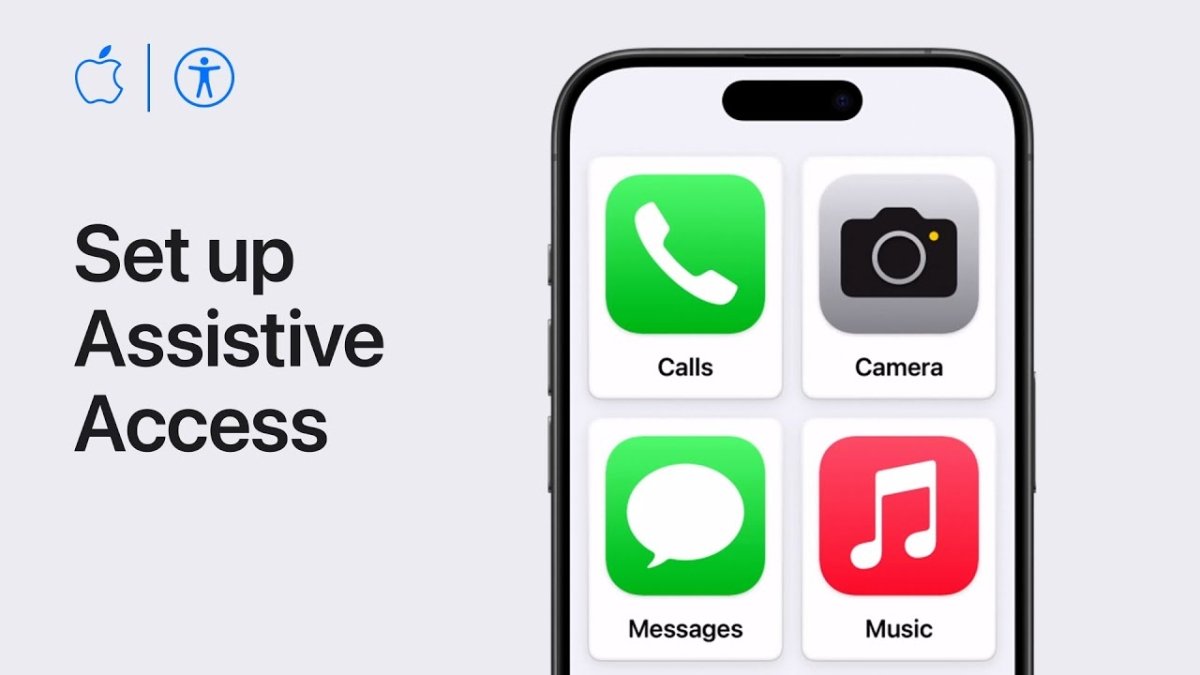
We love this guide because as occupational therapy practitioners (OTPs) we watch smartphones turn from lifeline to daily frustration when memory and attention start to change. Can you simplify an iPhone for someone with dementia or cognitive challenges? Yes, and you do not need to buy a special senior phone: Assistive Access is a free feature built into iOS 17 and later that pares the screen down to a few large, high-contrast buttons for essentials like Phone, Messages, Camera, and Photos. You choose which apps and contacts appear, and the short setup video on this page walks you through it step by step.
This is especially helpful for people with dementia, autism, or other cognitive differences, and for any older adult who finds a standard iPhone overwhelming. A trusted family member should do the setup, and if the bigger struggle is remembering tasks rather than working the phone, start with our Setting Up Phone Reminders resource instead.
How to access this resource
Frequently Asked Questions
Q: How does the Setting Up Assistive Access on your iPhone work?
Assistive Access is a built-in iOS feature that simplifies your iPhone's interface by reducing visual complexity and providing larger buttons, clearer text, and streamlined navigation. It creates a more accessible experience for users who need cognitive or motor assistance by removing unnecessary elements and focusing on essential functions.
Q: Who should use Assistive Access on iPhone?
Assistive Access is designed for individuals with cognitive disabilities, learning differences, or anyone who finds the standard iPhone interface overwhelming. It's particularly helpful for seniors, people with autism, dementia, or other conditions that benefit from simplified technology interfaces.
Q: What features are included in iPhone Assistive Access?
Assistive Access includes simplified versions of Phone, Messages, Camera, Photos, and Music apps. It features larger buttons, high contrast text, reduced visual clutter, and customizable layouts. Users can also access essential settings and emergency features while maintaining a streamlined experience.
Q: How do I set up Assistive Access on my iPhone?
To set up Assistive Access, go to Settings > Accessibility > Assistive Access, then tap "Set Up Assistive Access." You'll be guided through customizing the interface, selecting which apps to include, choosing contacts, and setting up trusted contacts who can help manage the feature.
Q: Can I customize Assistive Access settings for different users?
Yes, Assistive Access can be fully customized for individual needs. You can choose which apps appear, select specific contacts for calling and messaging, customize the home screen layout, and adjust text size and contrast settings to match the user's preferences and abilities.
Q: Is Assistive Access free to use on iPhone?
Yes, Assistive Access is completely free and built into iOS 17 and later versions. There are no additional costs or subscriptions required to use this accessibility feature on compatible iPhones.
Q: How do I exit or turn off Assistive Access?
To exit Assistive Access, triple-click the side button (or home button on older models) and enter your passcode, or ask a trusted contact to help disable it. You can also turn it off through Settings > Accessibility > Assistive Access when not in the simplified mode.
Q: What iPhone models support Assistive Access?
Assistive Access is available on iPhone XS and later models running iOS 17 or newer. This includes iPhone XS, XS Max, XR, 11 series, 12 series, 13 series, 14 series, and 15 series devices.
Share

Solve the whole puzzle! Get more education, resources & services
-
Caregiver Training Courses
Go to website for the full training library We've partnered with Higher...
-
Free Resources
Access free educational resources, guides, and materials from AskSAMIE to learn about...
Dive Deeper: A knowledge base of solutions for real caregiving questions
View all-
What Tools Help You Beyond Hearing Aids if You'...
Hearing aids can't catch a smoke alarm at 2am or make phone calls easier to follow. Here's what does — CapTel phones, vibrating alarms, and other tools OTPs recommend for...
What Tools Help You Beyond Hearing Aids if You'...
Hearing aids can't catch a smoke alarm at 2am or make phone calls easier to follow. Here's what does — CapTel phones, vibrating alarms, and other tools OTPs recommend for...
-
How to Get Professional Guidance on Home Modifi...
A licensed occupational therapist evaluates your mobility, daily routines, and home layout to recommend specific modifications matched to your exact needs. Learn what a professional home modification assessment covers, who...
How to Get Professional Guidance on Home Modifi...
A licensed occupational therapist evaluates your mobility, daily routines, and home layout to recommend specific modifications matched to your exact needs. Learn what a professional home modification assessment covers, who...
-
Home Safety Assessment for Aging Parents | AskS...
Wondering what happens during a home safety assessment for an aging parent? Here's what OTPs actually look for, what it costs, and which changes matter most for aging in place...
Home Safety Assessment for Aging Parents | AskS...
Wondering what happens during a home safety assessment for an aging parent? Here's what OTPs actually look for, what it costs, and which changes matter most for aging in place...